Parks and reserves. Updated November 2026. 4 min read.
North of the Lamu archipelago, Kenya's coast runs on toward Somalia past a string of small coral islands, long empty beaches, dunes and seagrass meadows where one of the ocean's shyest animals, the dugong, has hung on. This is the Kiunga Marine National Reserve, the most remote marine protected area in Kenya, and one of the wildest stretches of the Indian Ocean coast.
The short answer: Kiunga is an add-on to a stay in Lamu, for travelers who want empty beaches, coral islands and Bajuni fishing villages far from anyone else. You reach it by boat up the archipelago or by small plane, usually staying on Kiwayu, and the calm months from about November to March are the time to go. This page covers what the reserve protects, the people who live there and how to plan a visit.
What the reserve protects
Kenya Wildlife Service manages Kiunga, gazetted in 1979 and recognized soon after as a UNESCO biosphere reserve. It covers about 250 square kilometers along roughly the last stretch of Kenyan coast before Somalia: dozens of small limestone and coral islands offshore, fringing reefs on their seaward side, sheltered channels and seagrass beds behind them, and mangrove creeks on the mainland. Inland lie the coastal forests of the Boni and Dodori national reserves.
- Dugongs: grazing marine mammals related to manatees, now very rare in Kenya, which feed on the seagrass beds
- Sea turtles: green turtles in particular nest on the islands' beaches, and hawksbills feed on the reefs
- Seabirds: terns and other seabirds nest on some of the outer islets in season
- Coral reefs and reef fish on the outer edge of the island chain
- Mangrove forests, nurseries for fish and crabs that the fishing villages depend on
The people of Kiunga
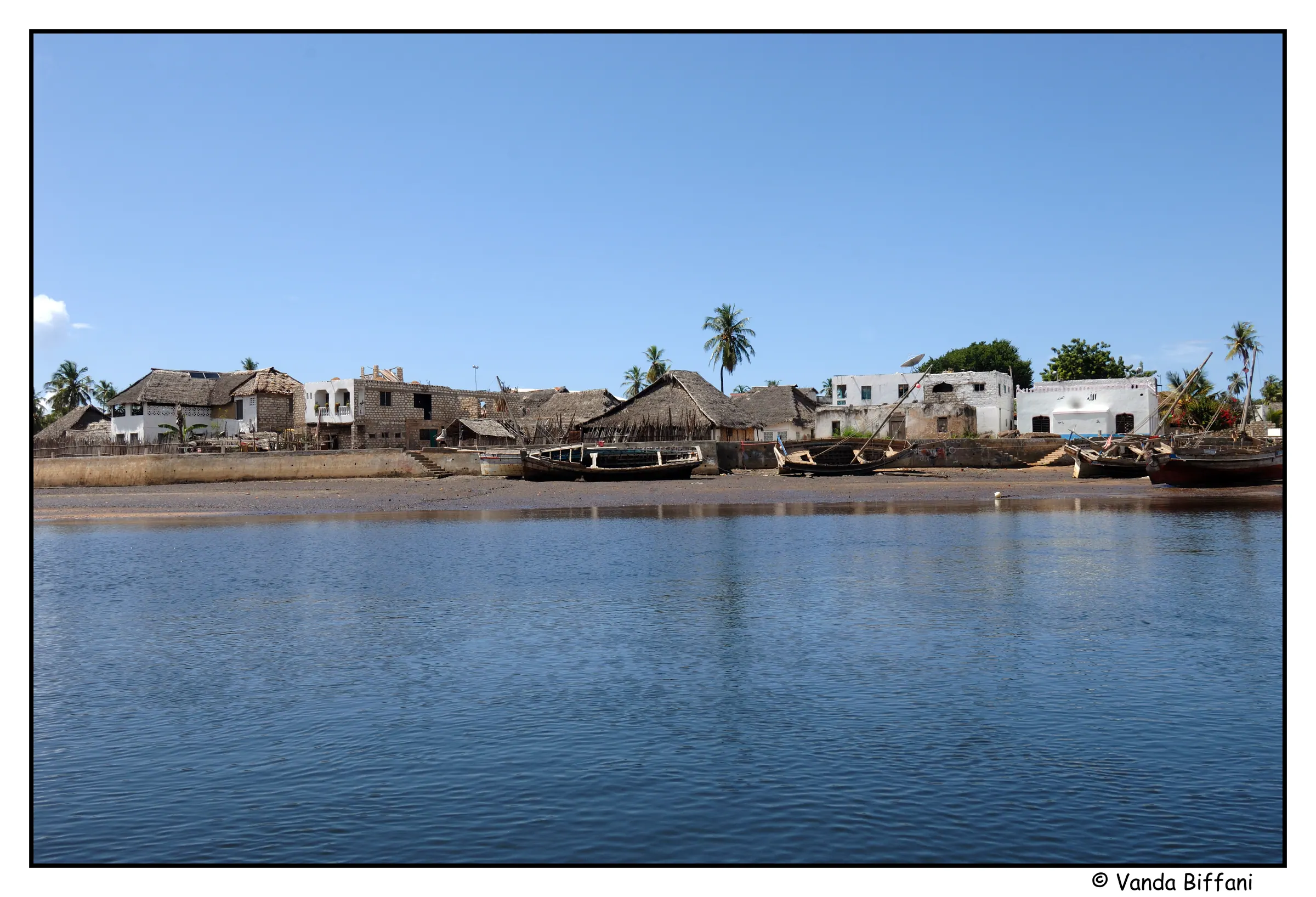
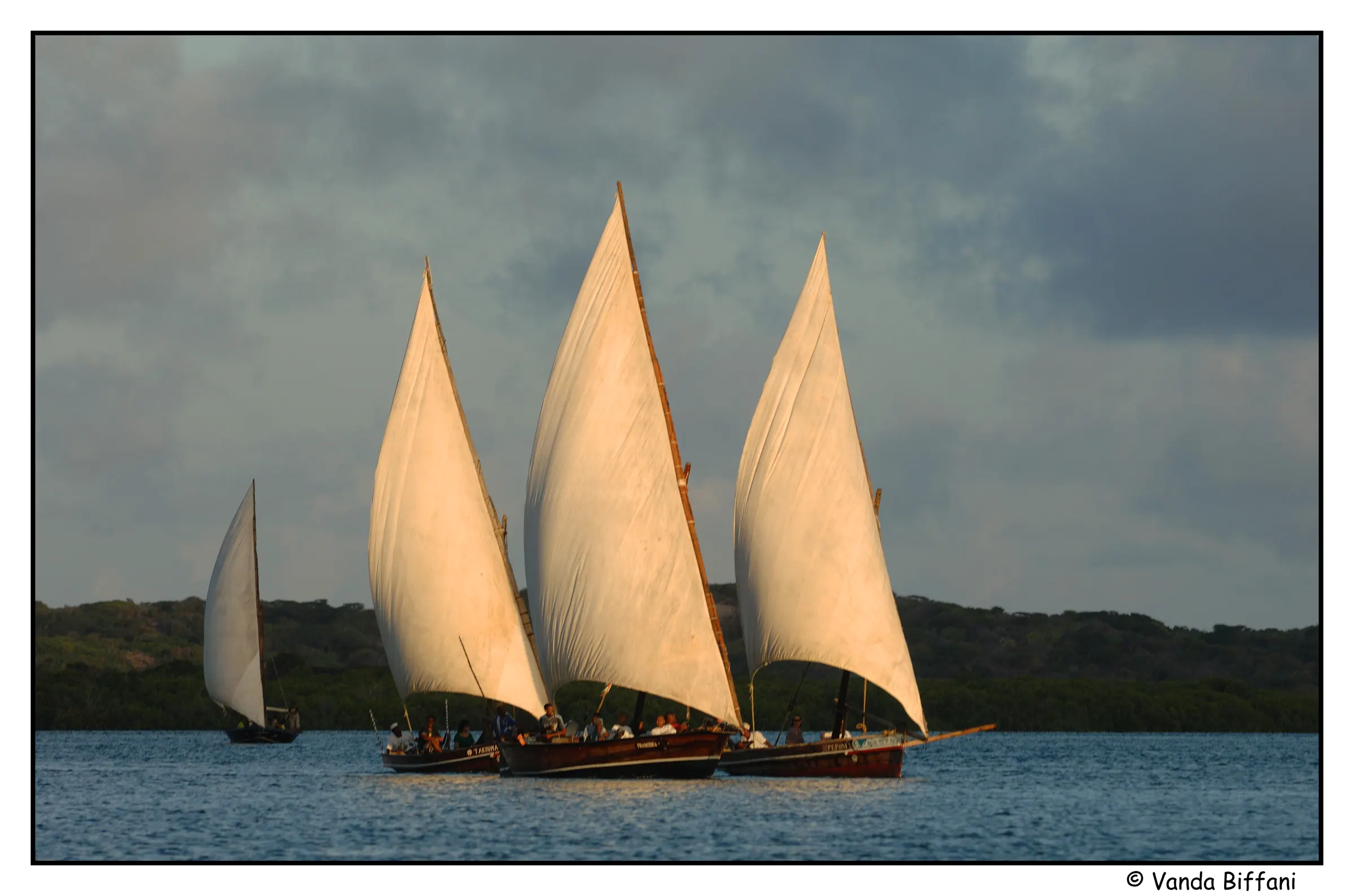
The reserve's villages are home mostly to the Bajuni, a Swahili-speaking people of fishermen and sailors with a long history on this coast and its islands. Their fishing grounds lie inside the reserve, and over the past decades conservation groups have worked with them on turtle nest protection, fishing rules and the health of the reefs they rely on. Any visit here should be built around them: local boatmen, local guides and local rules, and a stop in a fishing village if your hosts invite you.
Kiwayu
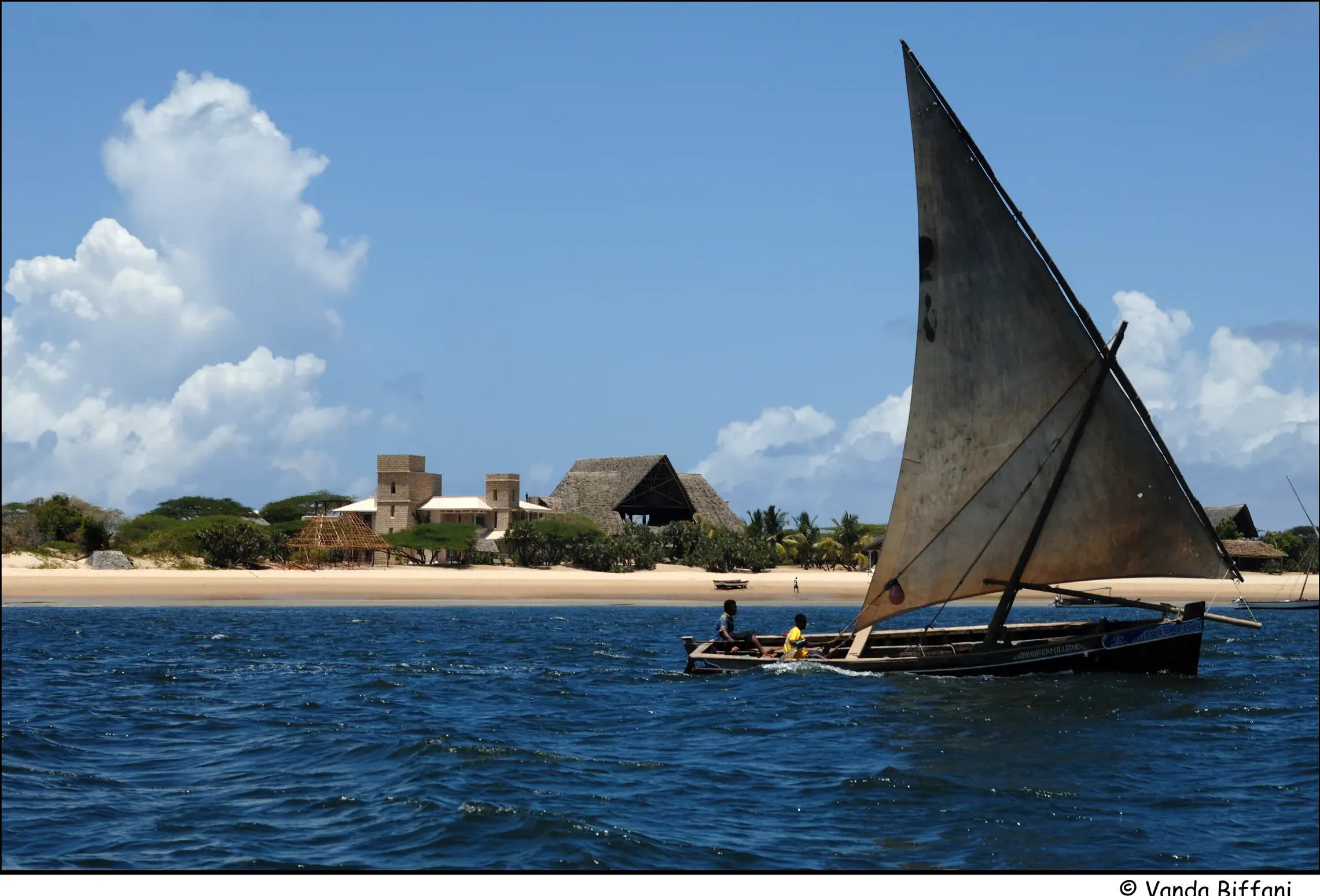
Kiwayu, a long, narrow island of dunes and beaches inside the reserve, was for years the remote end of a Lamu holiday, reached by boat or small plane, with a handful of simple, beautiful camps. It is still the natural base for the reserve: a beach on the ocean side, a sheltered channel on the other, and the reefs a short boat ride away. Camps here are few and small, so we confirm which are open for your dates before we plan anything else. Our Kiwayu page has its story.
Getting there and what to do
| Plan | What it involves |
|---|---|
| From Lamu by boat | A long, beautiful run north through the archipelago, past Pate Island and the mangrove channels; most of a day, depending on the tide and the wind |
| By small plane | A charter to the airstrip serving Kiwayu, the quickest way in |
| Snorkeling and diving | The outer reefs of the island chain, in calm seas around low tide |
| Turtles | Nesting beaches on the islands; ask your camp about the nesting months and night walks with local monitors |
| Dugongs | Very rarely seen; any sighting is a privilege, and boats must keep their distance |
| Village visits | Bajuni fishing villages with local guides, by invitation |
Give Kiunga at least two or three nights on top of your time in Lamu, because the journey is part of the trip and the sea sets the pace. Bring reef-safe sunscreen, a rash vest and your own snorkel mask if you have one, and expect simple, beautiful camps rather than resorts. Before you book, check the current U.S. State Department advisory for Kenya and confirm your travel insurance covers your route.
When to go
| Season | Sea conditions | What it means |
|---|---|---|
| About November to March | Northeast monsoon: calmer, clearer water | The usual season for boats, snorkeling and diving on this coast |
| About April to June | Long rains and changing winds | Fewer boat days; some camps traditionally closed |
| About June to September | Southeast monsoon: rougher seas offshore | Open-water crossings harder; sheltered channels still calm |
Kiunga and Kenya's other marine parks
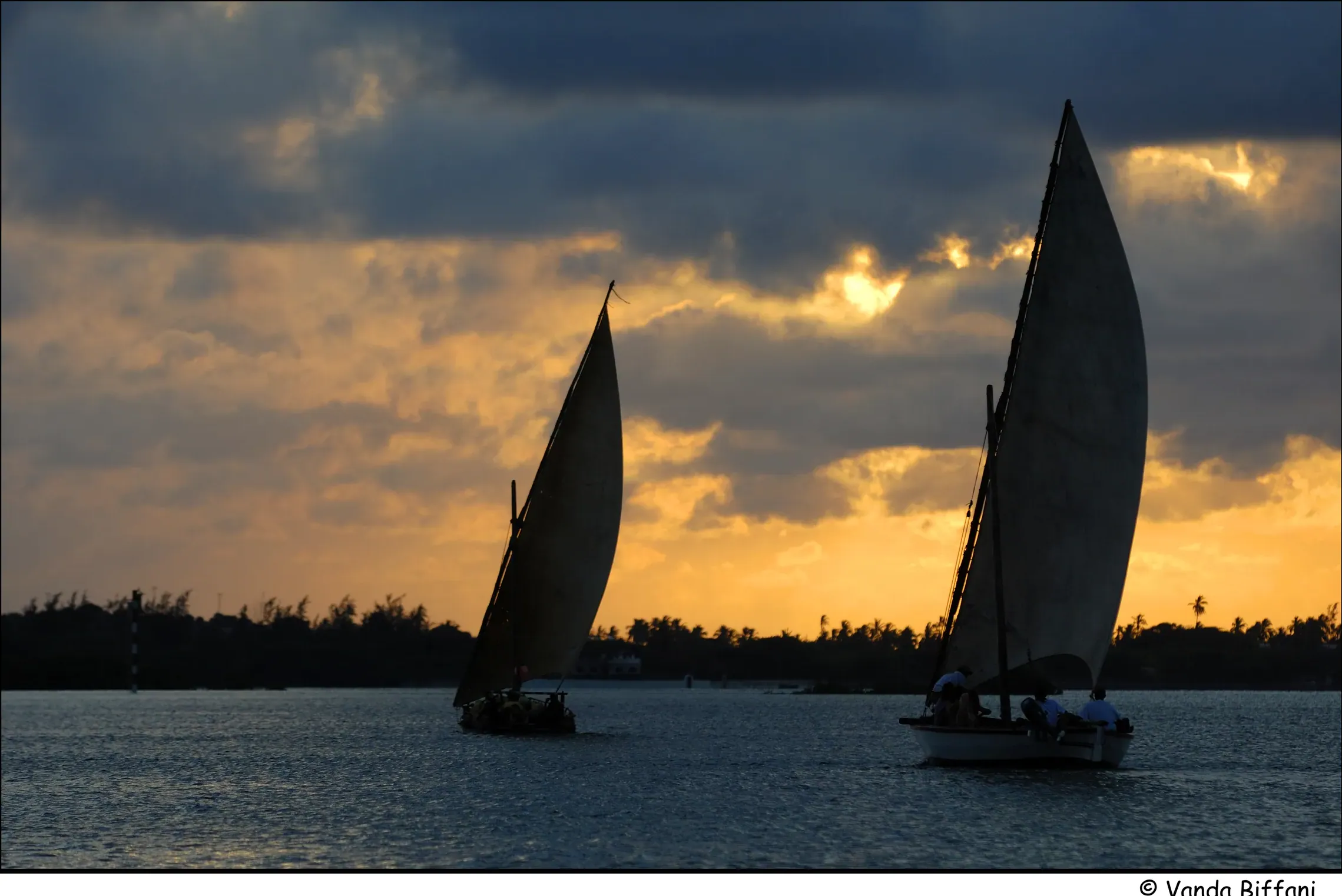
Kiunga is the wildest of Kenya's marine protected areas, not the easiest. For coral and dolphins close to a beach hotel, Kisite-Mpunguti Marine Park off the south coast has some of Kenya's best snorkeling and dolphin trips by dhow, and Watamu's marine park has coral gardens a few minutes from the beach. Many of our coast trips start with one of those and end in Lamu, with Kiunga as the last, remotest stop.