Things to do. Updated November 2026. 6 min read.
Lamu is a place where the day is set by the tide, the call to prayer and the wind in a dhow's sail. There are no cars to dodge and nothing to rush to, and the list of things to do is short and slow: walk the lanes, sail at sunset, eat fish, watch a boat being built by hand. That slowness is the whole point.
The short answer: give Lamu three days. Walk the Old Town at dawn, sail a dhow at sunset, spend a day at Shela, and choose one of the Takwa ruins or Matondoni's boat builders, with the tide table in hand. Our Lamu destination guide describes the island, its history and how to reach it; this page is about what there is to do, with the timing and the time each thing takes.
The list at a glance
Ranked by what we would do first on a first visit, with rough cost bands: $ is under about $20 per person, $$ about $20 to $100 and $$$ over $100. Prices change, so we confirm them for your dates.
| Rank and activity | Best time | Time needed | Cost |
|---|---|---|---|
| 1. Old Town walk and the Lamu Museum | Early morning or late afternoon | Half a day | $ |
| 2. A sunset dhow sail | The hour before sunset | 2 to 3 hours | $$ |
| 3. Shela beach and the dunes | Morning, before the midday heat | A day | Free |
| 4. The Takwa ruins on Manda | With the high tide | Half a day | $$ |
| 5. Matondoni's dhow builders | Weekday morning | Half a day | $ to $$ |
| 6. Lamu Fort and the Swahili House Museum | Midday, out of the sun | 1 to 2 hours | $ |
| 7. The donkey sanctuary | Morning | Under an hour | Free; donations welcome |
| 8. Snorkeling at Manda Toto | Calm seas, around the tide | Most of a day by dhow | $$ to $$$ |
| 9. A Swahili cooking lesson | Morning | Half a day | $$ |
| 10. Kipungani village | A clear day, by boat | Half or full day | $$ |
| 11. Maulidi or the Lamu Cultural Festival | On the festival dates | Two or three days | Free to watch |
| 12. The Lamu Yoga Festival | On its yearly dates | A few days | $$$ |
In and around Lamu town
- The Old Town walk: start at dawn, when the lanes are cool and the bakeries are open, with a local guide who can tell you which family lives behind which carved door. Look up at the plaster niches and down at the gutters that run through the coral-stone streets. Finish at the Lamu Museum on the waterfront, which explains the boats, the wedding customs and the brass-studded chests of a Swahili house. Our Lamu Old Town history page covers why UNESCO listed it in 2001.
- Lamu Fort and the Swahili House Museum: the fort, built between 1813 and 1821 on the main square, now holds exhibitions and community events. The Swahili House Museum shows how a wealthy Lamu household lived, room by room, from the reception rooms to the kitchen. Both are good places to spend the hottest hours.
- The donkey sanctuary: Lamu's donkeys carry everything, and at the sanctuary on the waterfront vets look after the island's working donkeys. A short visit shows how the island looks after its transport, and why you should never ride an overloaded or injured animal.
- A Swahili cooking lesson: a morning at the fish market and the vegetable stalls, then a home kitchen and a lesson in coconut fish, pilau and the island's sweets. Ask your host about the dishes cooked for Maulidi.
On the water
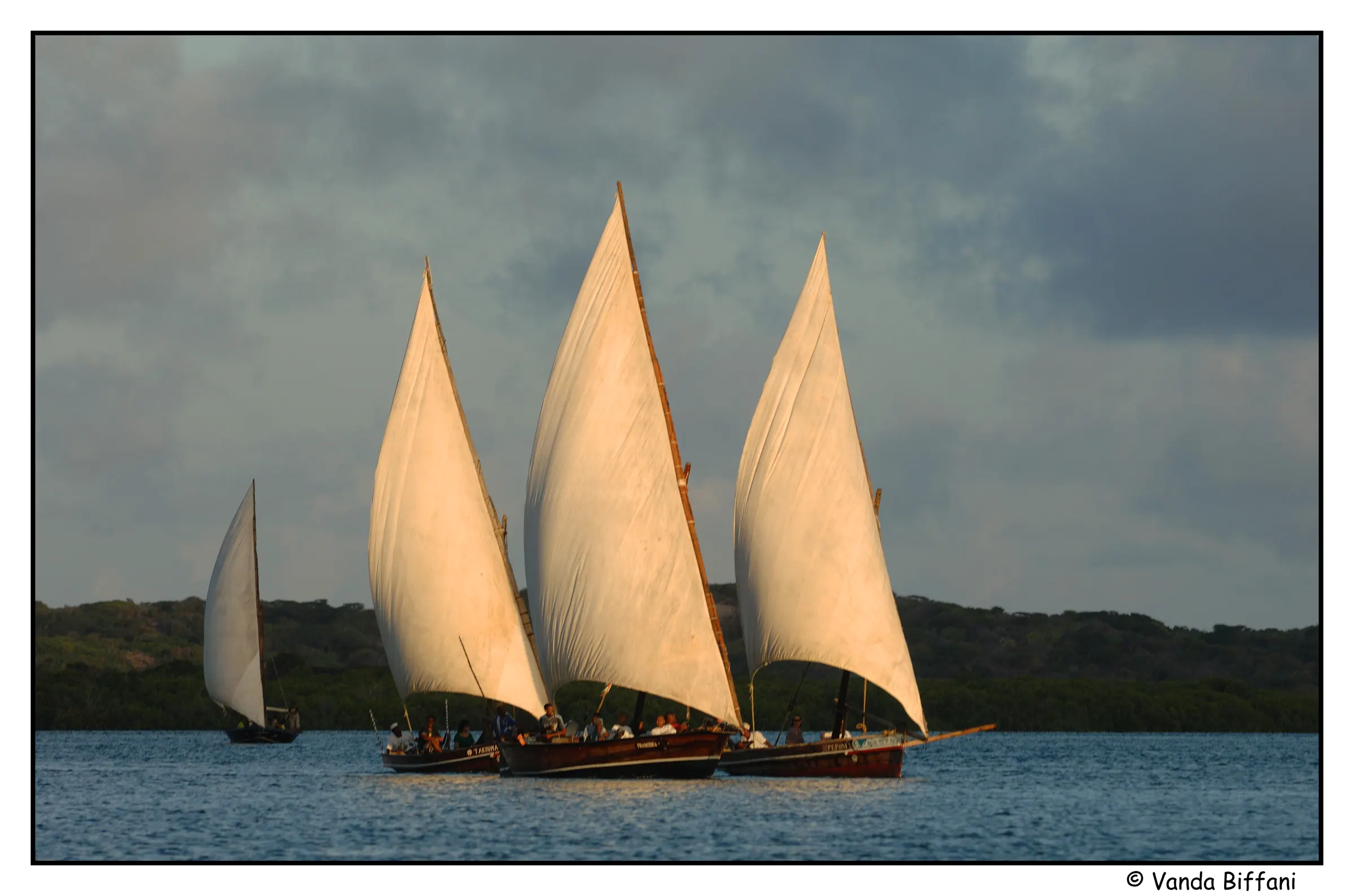
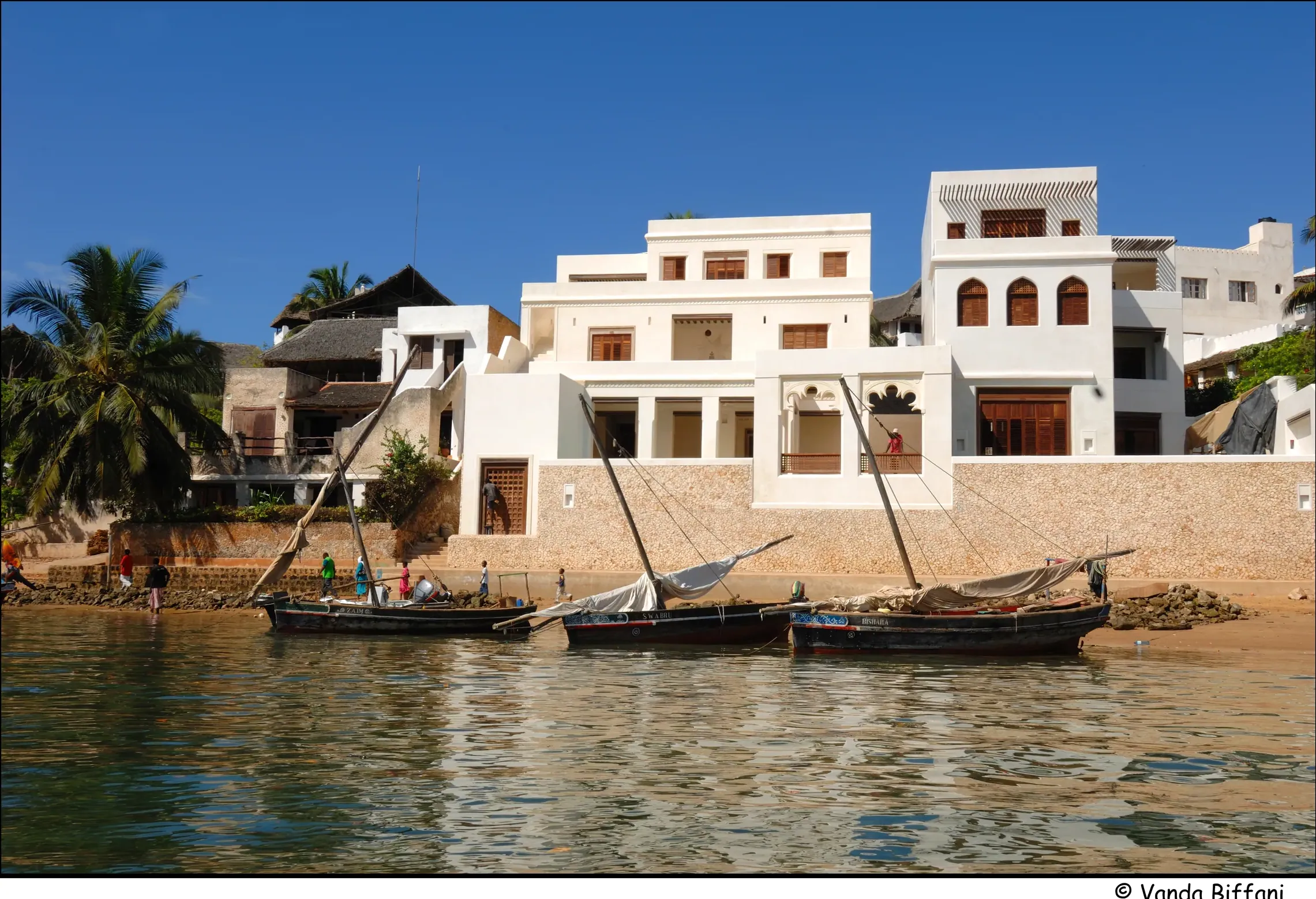
- The sunset dhow: the island's signature evening. A crew raises the lateen sail in the channel between Lamu and Manda and sails until the sun drops behind the mangroves, often with fresh fruit or grilled fish on board. Agree the route and the price at the waterfront before you sail.
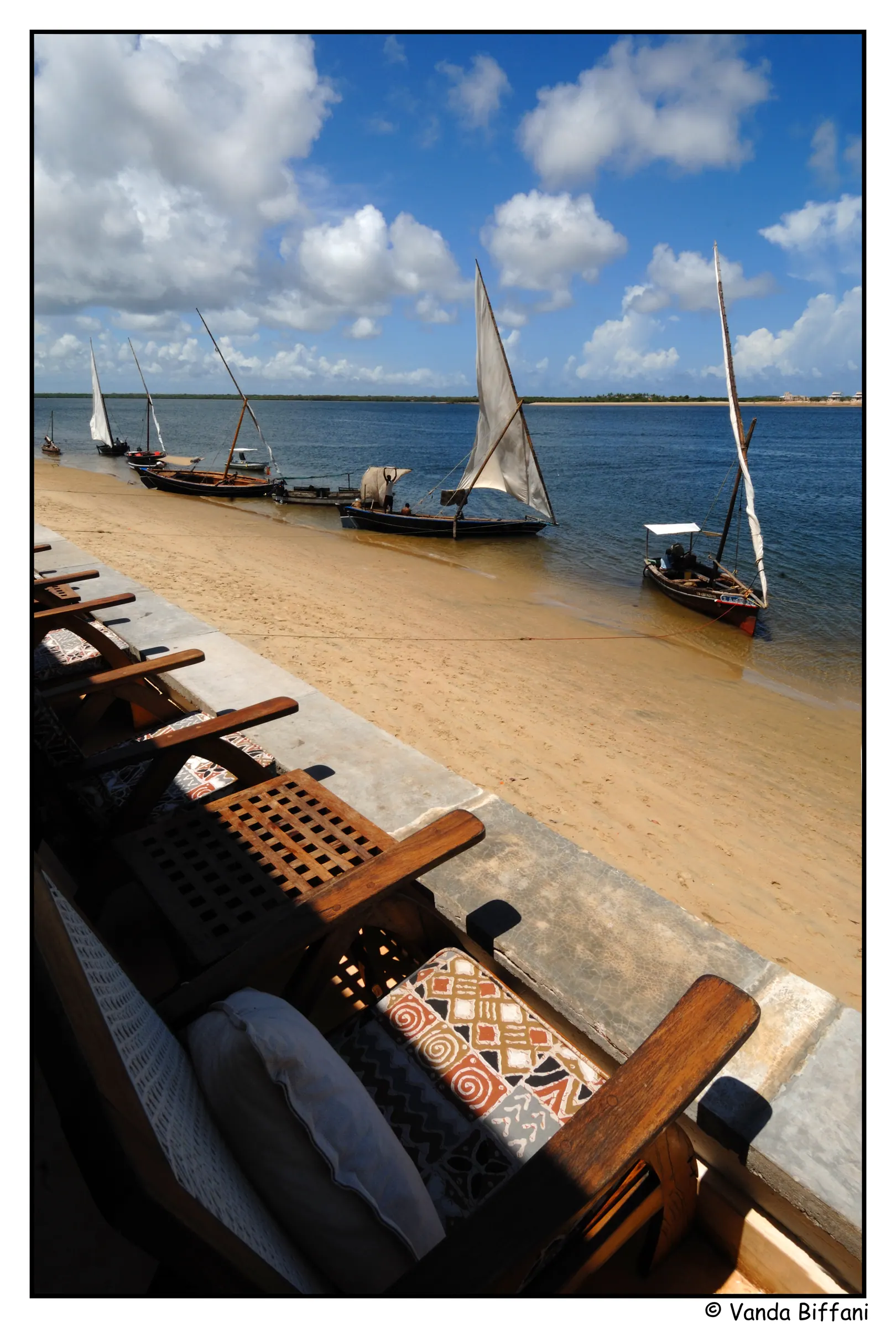
- Shela beach: walk the 30 to 45 minutes along the shore from town or take a boat, then keep walking south along about 12 kilometers of sand and dunes. Climb the dunes early, before the sand burns, and swim only where the water is calm. Take a boat back after dark, because the shore path is unlit.
- The Takwa ruins: across the channel on Manda Island, the remains of a 16th-century Swahili town lie in the forest, reached by dhow through the mangrove creek. The creek is passable only at high tide, so the tide table sets the day. Bring water, a hat and insect repellent.
- Manda Toto: a small island off Manda with the best coral within reach of Lamu, a long day by dhow with snorkeling and a picnic. Go when the sea is calm; the northeast monsoon months, roughly December to March, usually give the easiest sailing.
- Kipungani: a quiet village at the southwest end of Lamu Island, with an empty beach, reached by boat. A good half day for anyone who has done the town.
Matondoni and the dhow builders
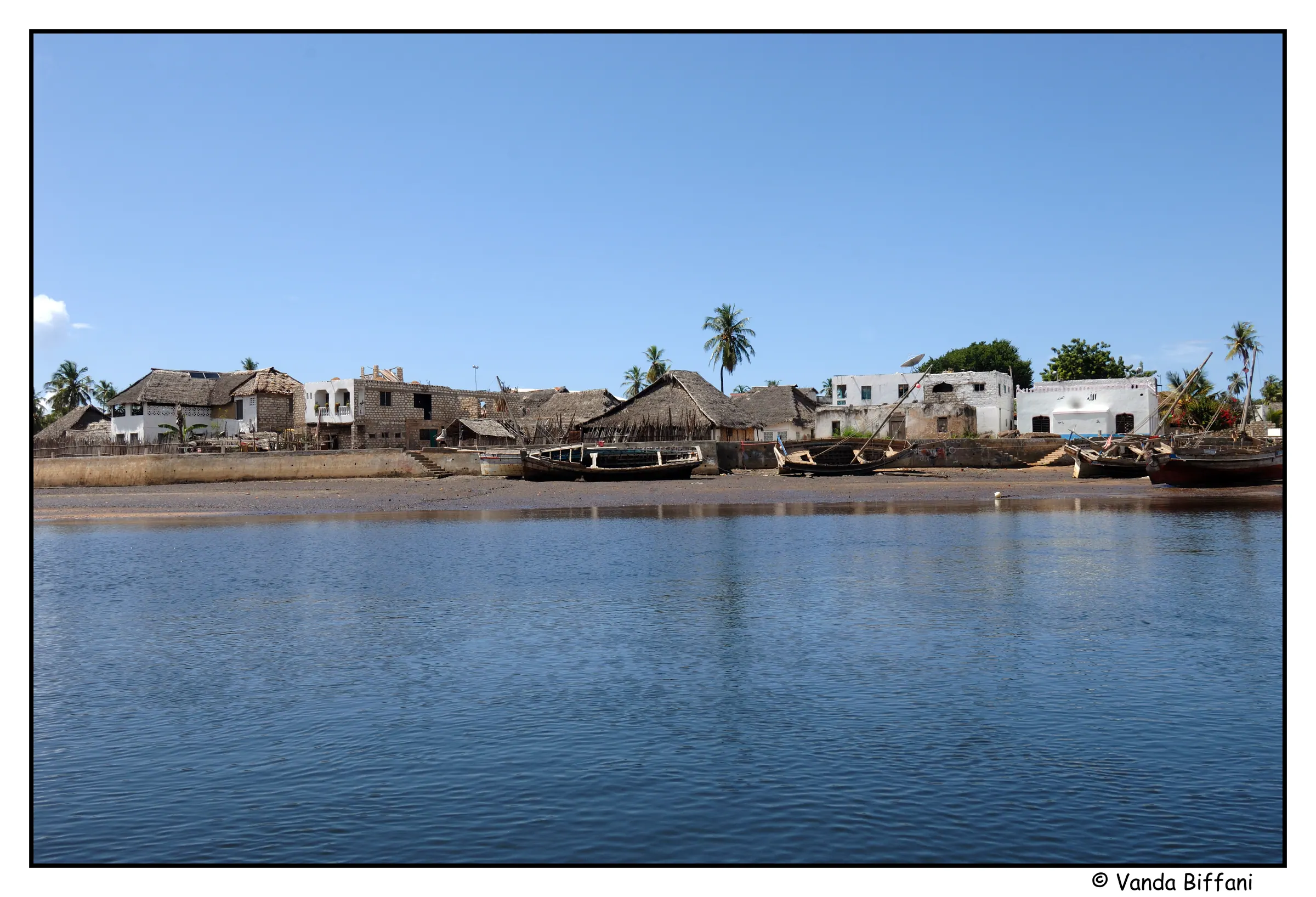
On the far side of the island from town, the village of Matondoni is where dhows are still built by hand, plank by plank, with adzes and hand drills on the open shore. A visit is best on a weekday morning, when the builders are at work. Ask before you photograph anyone, buy a coffee or a small carved model from the village rather than handing out money, and listen: the builders can tell you which tree each timber came from and how many months a boat takes. The walk from town takes about two hours, so most visitors go by boat one way.
The festivals
- Maulidi: the celebration of the Prophet's birthday, centered on the Riyadha Mosque, with processions, poetry and music that draw pilgrims from across the coast. It follows the Islamic calendar, so the date moves earlier each year. Visitors are welcome to watch; dress modestly and keep back from the processions.
- Lamu Cultural Festival: usually three days in late November, with dhow races in the channel, donkey races along the waterfront, bao tournaments, henna, Swahili poetry and taarab music. Houses in Shela and the Old Town fill months ahead.
- Lamu Yoga Festival and Lamu Food Festival: smaller events with dates that change from year to year; check each year's announcement.
How three days could look
| Day | Morning | Afternoon | Evening |
|---|---|---|---|
| One | Old Town walk at dawn, Lamu Museum | Fort and the Swahili House Museum in the heat | Sunset dhow |
| Two | Shela on foot, the dunes before the heat | Beach and a long lunch in Shela | Boat back to town after dark |
| Three | Takwa at high tide, or Matondoni by boat | Donkey sanctuary and the waterfront | Dinner on a rooftop in the Old Town |
Customs that shape every day
- Lamu is a conservative Muslim town: cover shoulders and knees in town, men and women alike. Swimwear belongs on Shela beach and at hotel pools.
- Ask before photographing people, and accept a no with good grace.
- In Ramadan, eat and drink discreetly in the streets by day; the evenings are lively after the fast breaks.
- The lanes are for walking. Step aside for donkeys, who have right of way in practice.
Getting there and fitting Lamu into a trip
You fly to the airstrip on Manda Island, usually from Nairobi, and a boat takes you across the channel to the Lamu waterfront or to Shela in a few minutes; your hotel or our team meets you at the jetty. Lamu works best at the end of a trip: a safari first, then Diani or Watamu for the beach, and Lamu last, when you are ready to slow down. Mombasa's Old Town and Fort Jesus, and the Gedi ruins near Watamu, complete the Swahili story on the way north. Before you book, check the current U.S. State Department advisory for Kenya and confirm your travel insurance covers your route.