The coast. Updated November 2026. 4 min read.
Kiwayu is as far as the Kenyan coast goes for most travelers who ever reach it: a long, thin island of dunes and scrub with an ocean beach on one side, a mangrove channel on the other, and turtles nesting on sand that might not see a footprint for days. It is the most remote beach most visitors to Kenya will ever hear of, and it rewards the effort of getting there.
Kiwayu is a trip for travelers who want empty sand more than polish: a boat ride of several hours from Lamu, or a charter flight, then days of beach, reef, turtles and dhows inside the Kiunga Marine National Reserve. Here is where it is, what to do, how to get there and who lives there. Before you book, check the current U.S. State Department advisory for Kenya and confirm your travel insurance covers your route.
Where Kiwayu is
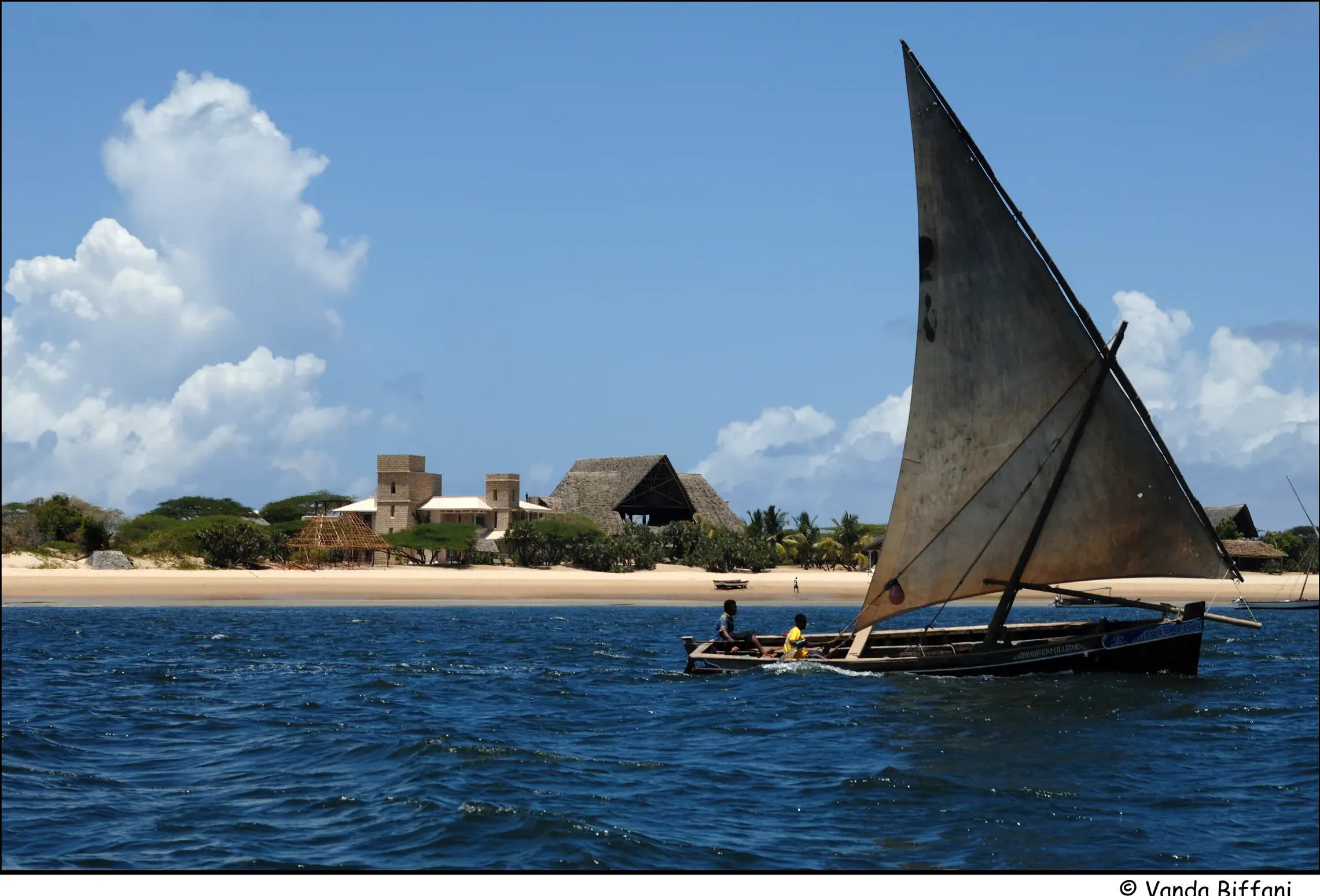
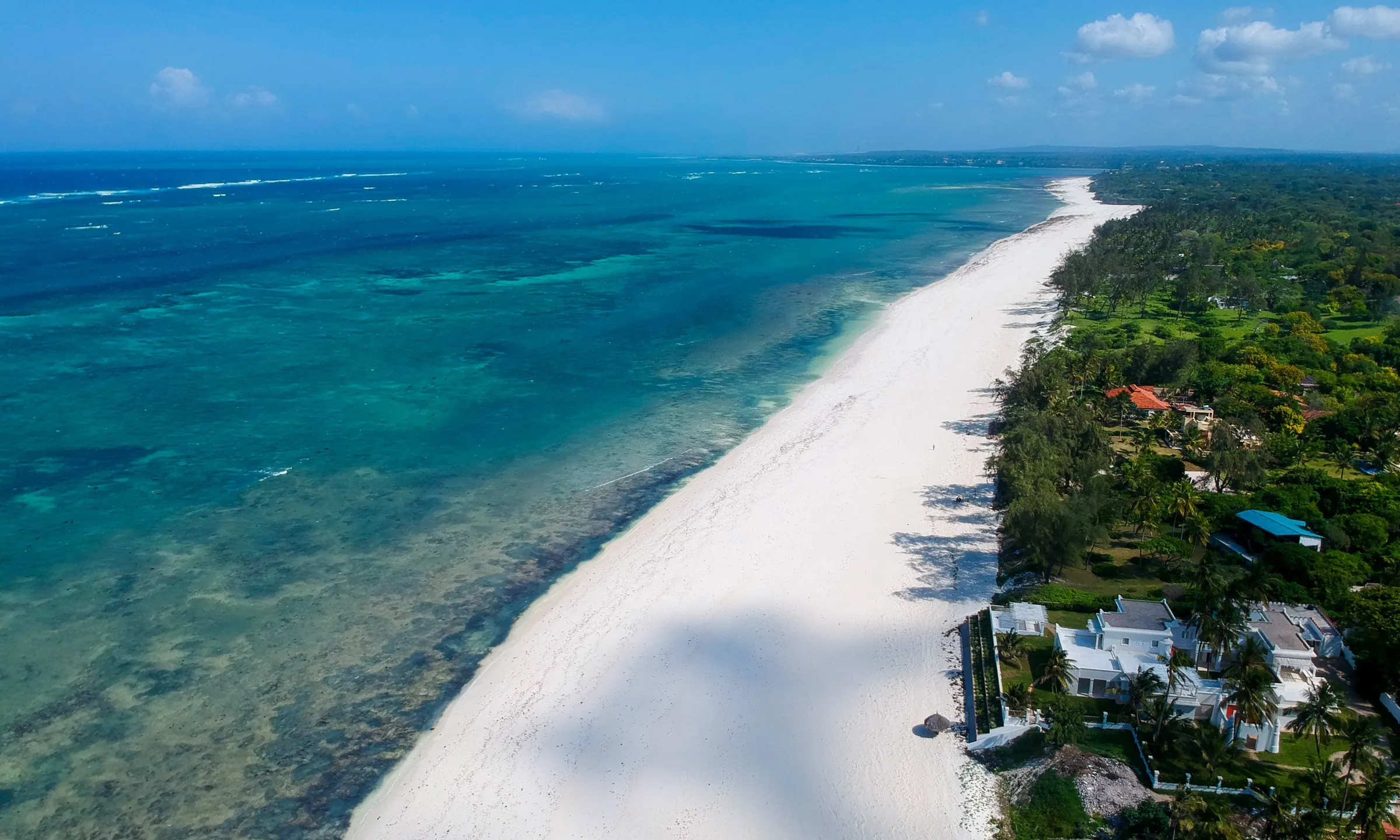
Kiwayu lies north-east of Lamu and Pate islands, close to the mainland and parallel to it, separated by a narrow channel lined with mangroves. On the mainland side is the fishing village of Mkokoni, and beyond it the coastal forests of the Boni area. The island's eastern shore faces the open Indian Ocean with a long beach and high dunes; its western shore is calm channel water. It sits inside the Kiunga Marine National Reserve, which runs north along the coast.
The Kiunga Marine National Reserve
The reserve, set up in 1979 and managed by Kenya Wildlife Service, covers about 250 square kilometers of sea, reef and dozens of small coral islands along the far north coast. It protects nesting beaches for green and hawksbill turtles, seagrass beds where dugongs have been recorded, coral reefs and mangroves, and islands where seabirds breed in large numbers. Fishing communities live and work inside it under reserve rules. Our Kiunga Marine Reserve page covers its wildlife and history in more depth.
What to do
- The ocean beach: miles of sand below the dunes, often with no one else on it
- Turtles: nesting and hatching on Kiwayu's beaches, in season, watched with a local guide and no lights
- Snorkeling and diving on the outer reef, in calm weather
- Sport fishing in the deep water offshore
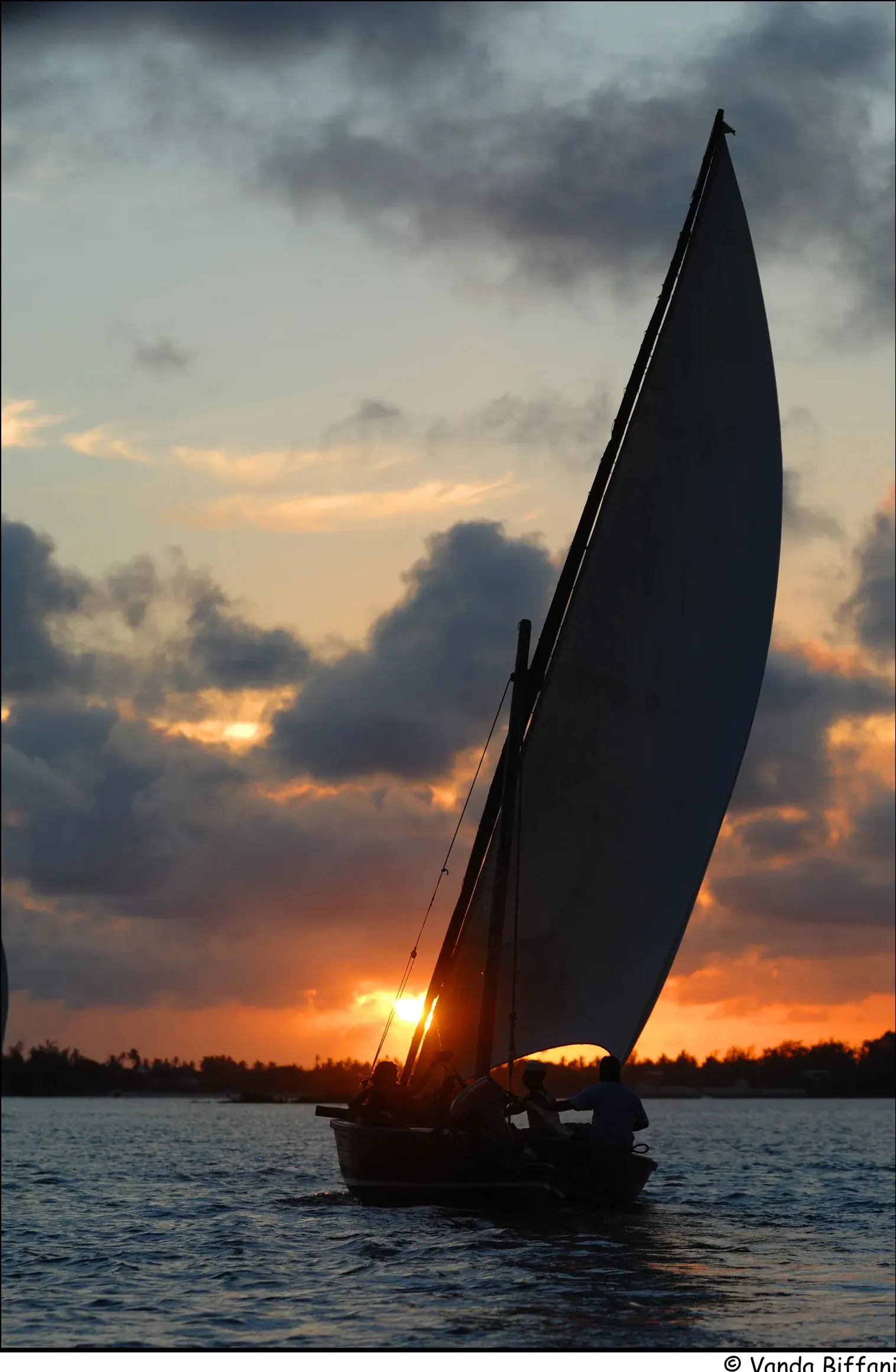
- Dhow trips through the mangrove channels, and to the reserve's coral islands
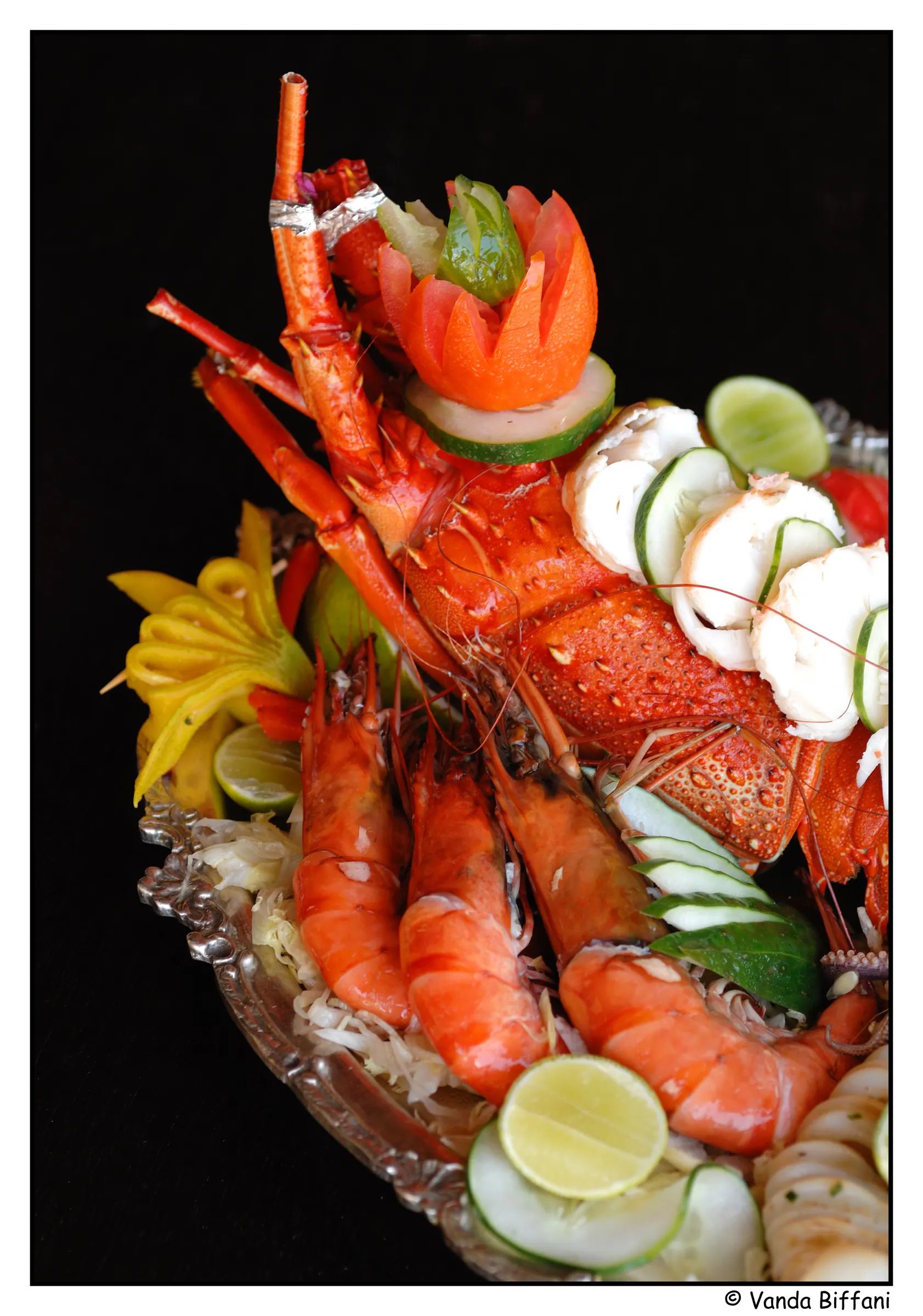
- Seafood eaten on the sand, straight from the boats
The lodges
Two small places have operated on Kiwayu: Mike's Camp, a simple camp on the dunes, and Kiwayu Safari Village, a beach lodge on the channel side. Lodges on remote islands open and close with the seasons and the years, so we confirm which is taking guests for your dates before you book, and arrange the boat or flight transfers with them.
Getting there
| From | How | Time |
|---|---|---|
| Lamu town or Shela | Boat north up the inside of the archipelago, past Pate and the mangroves | Several hours, depending on the tide and the sea |
| Manda Airport | Charter flight to the airstrip that serves Kiwayu | A short flight, arranged with the lodge |
| Nairobi | Scheduled flight to Manda, then boat or charter | Most of a day |
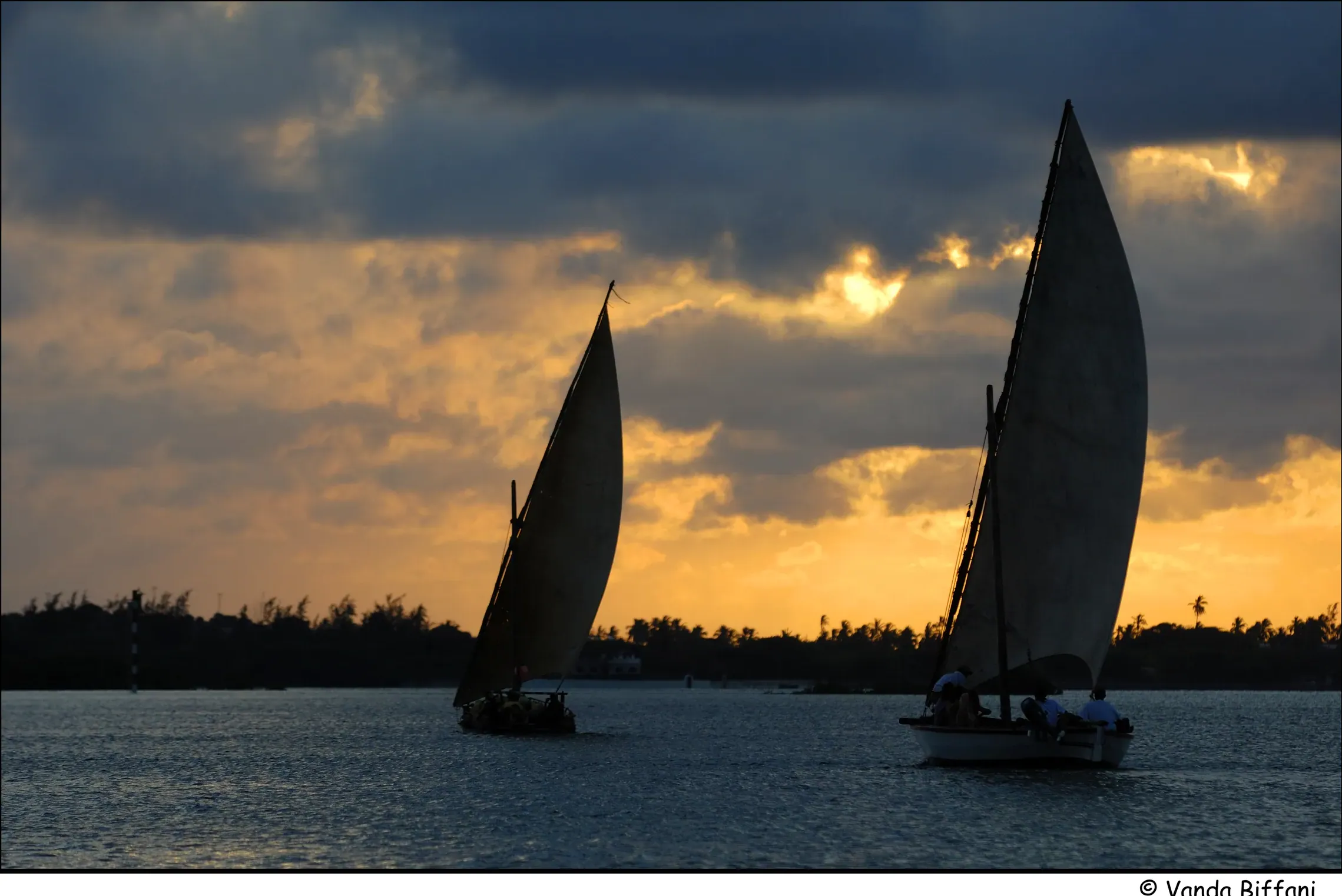
The boat ride is a day out in itself, through mangrove channels and past fishing villages, with a stop for lunch if the tide allows. A good plan is to go up by boat and fly back, which gives you the journey and saves a long day at the end.
The people of the far north coast
Kiwayu and the mainland villages around it, such as Mkokoni and Kiunga, are home to Bajuni fishing communities, Swahili-speaking people of the northern islands with their own dialect and long seafaring history, while the Aweer, also called the Boni, have lived as hunter-gatherers in the forests inland. Fishing, small-scale farming and tourism are the main livelihoods. The reserve was set up partly to protect the fisheries these communities depend on, and local fishers have worked with conservation groups on turtle protection for years. Buy fish from the boats, hire local boatmen and guides, and ask before photographing anyone.
When to go
The calmest seas usually come from about December to March, with the north-east kaskazi breeze, which is the best time for the boat ride, snorkeling and diving on the outer reef. The long rains, roughly April to June, make travel harder and close some places. From June to September the south-east kusi makes the open sea rougher, which lengthens the boat trip and clouds the water, though the sheltered channel side stays calm.
How long to stay, and how it fits a trip
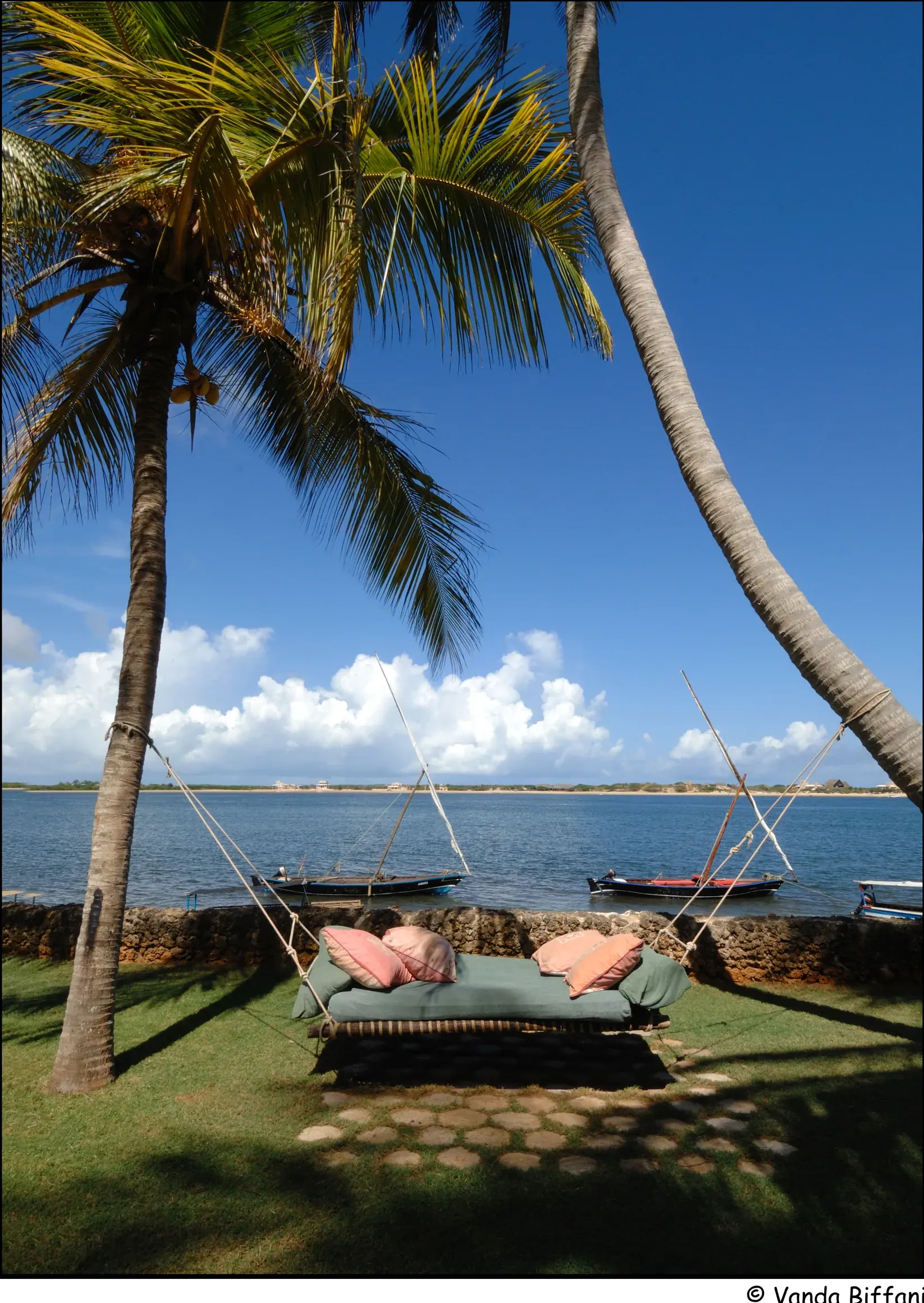
Give Kiwayu three or four nights; less is hard to justify after the journey. It works best at the end of a Lamu stay: two or three nights in Lamu town or Shela for the Old Town and the dunes, then the boat north, then a charter back to Manda for the flight home. Put a safari in the Mara or Amboseli before it and you have the whole of Kenya in one trip, from the plains to the last beach on the coast.
- Bring cash for boats, tips and fish: the nearest ATMs are in Lamu town
- Pack light, in a soft bag, for light aircraft and boats
- Bring reef-safe sunscreen, a hat and a long-sleeved shirt; shade is scarce on the dunes
- Sleep under a mosquito net and take your malaria tablets
- Expect simple comforts and limited phone signal, and bring anything you cannot do without