The coast. Updated November 2026. 5 min read.
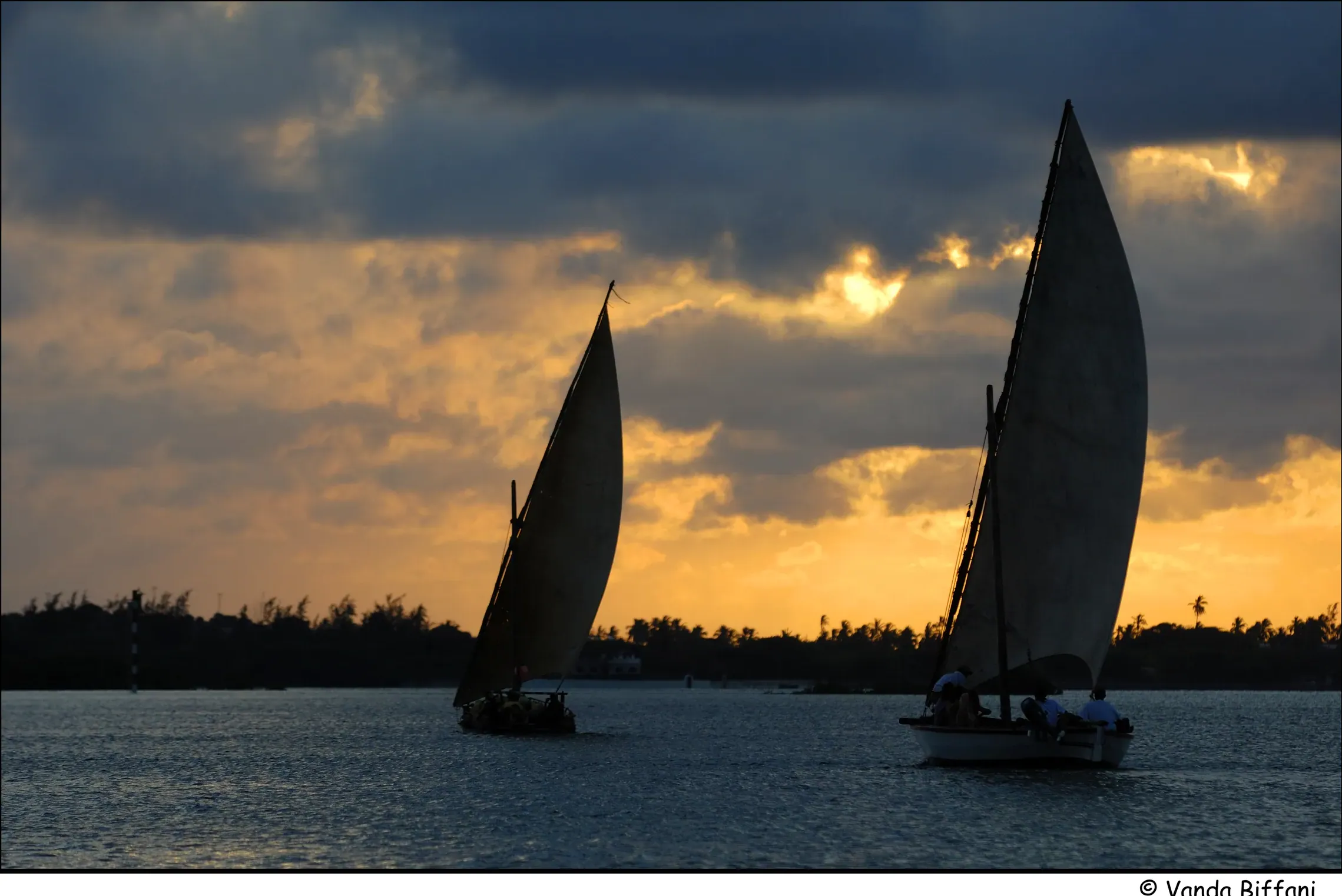
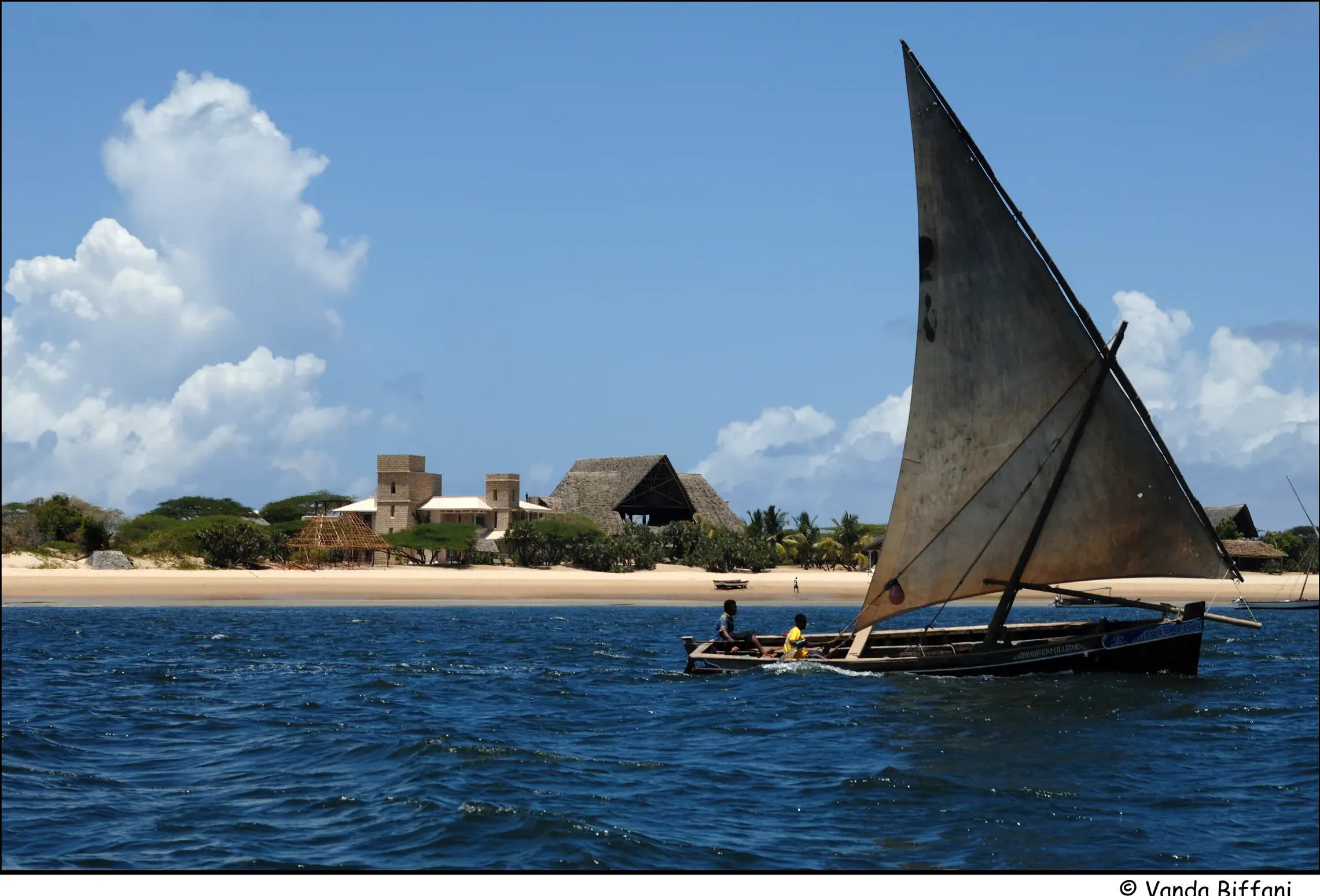
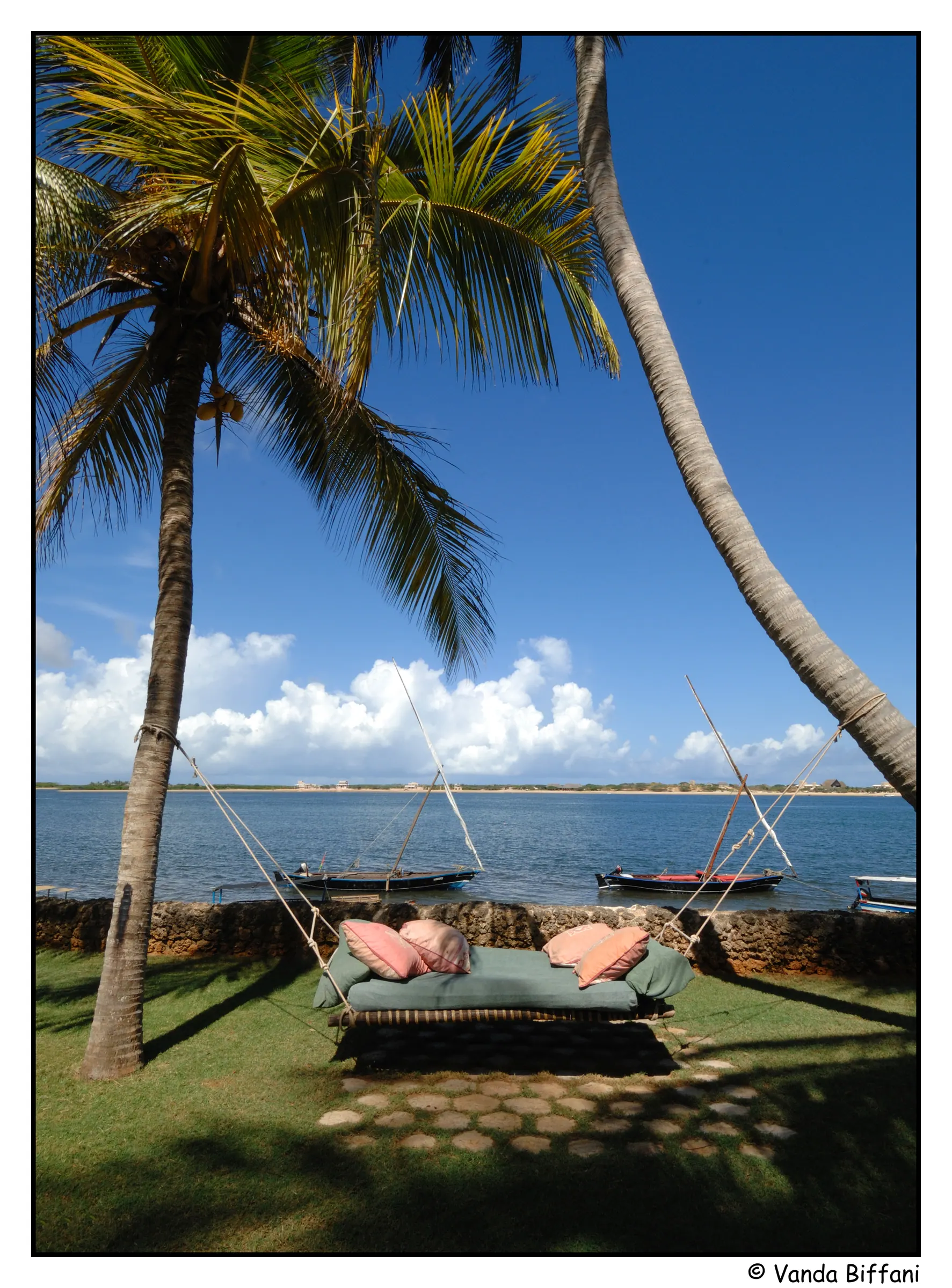
Takaungu is the kind of place you find by accident and then keep to yourself. A short, bumpy road leaves the main coast highway, passes cashew and mango trees and ends at a Swahili village of coral houses and old mosques above a creek mouth, where dhows ride at anchor and children swim off the sand. Nothing much happens, and that is the point.
The short answer: Takaungu is a small, old Swahili village where a creek meets the sea between Kilifi and Vipingo, about an hour or so north of Mombasa. It has a handful of guesthouses and creek houses, calm water for kayaking, a beach at the creek mouth and a real history: the Mazrui family, who ruled Mombasa for a century, withdrew here after 1837. Come for two or three slow nights as part of a north coast trip, or for an afternoon from Kilifi. Our Kilifi page covers the bigger creek town just north.
Where Takaungu is
Takaungu sits on the coast of Kilifi County, south of Kilifi town and its creek, and north of the golf estates and villas of Vipingo. A few kilometers of rough road lead east from the main Mombasa to Malindi highway to the village, which stands on the north side of Takaungu Creek where it opens into the ocean. Most cars manage the road with care; after heavy rain it is slow. Ask your guesthouse to send directions, because the turning is easy to miss.
A short history
Takaungu's place in history comes from the Mazrui, an Omani family who governed Mombasa from the 1730s and ruled it as their own state after breaking with Oman's new Busaidi dynasty in the 1740s. In 1837, Seyyid Said of Oman finally took Mombasa, and branches of the Mazrui retreated up and down the coast, to Takaungu in the north and Gazi in the south. Takaungu became their seat, and for the rest of the century it was a Mazrui town. In 1895, when the British declared a protectorate over the coast, a succession dispute among the Mazrui grew into an armed rising led by Mbaruk bin Rashid, which the British put down in 1896. Our Omani Mombasa page tells the full story.
What you see today is a quiet village that wears this history lightly: old mosques, coral-stone houses with carved doors on a small scale, family graves under the trees and elders who know the stories. A local guide, easy to find through your guesthouse, will show you round. Cover shoulders and knees in the village, ask before photographing people, and visit mosques only from outside unless you are invited.
The creek and the beach
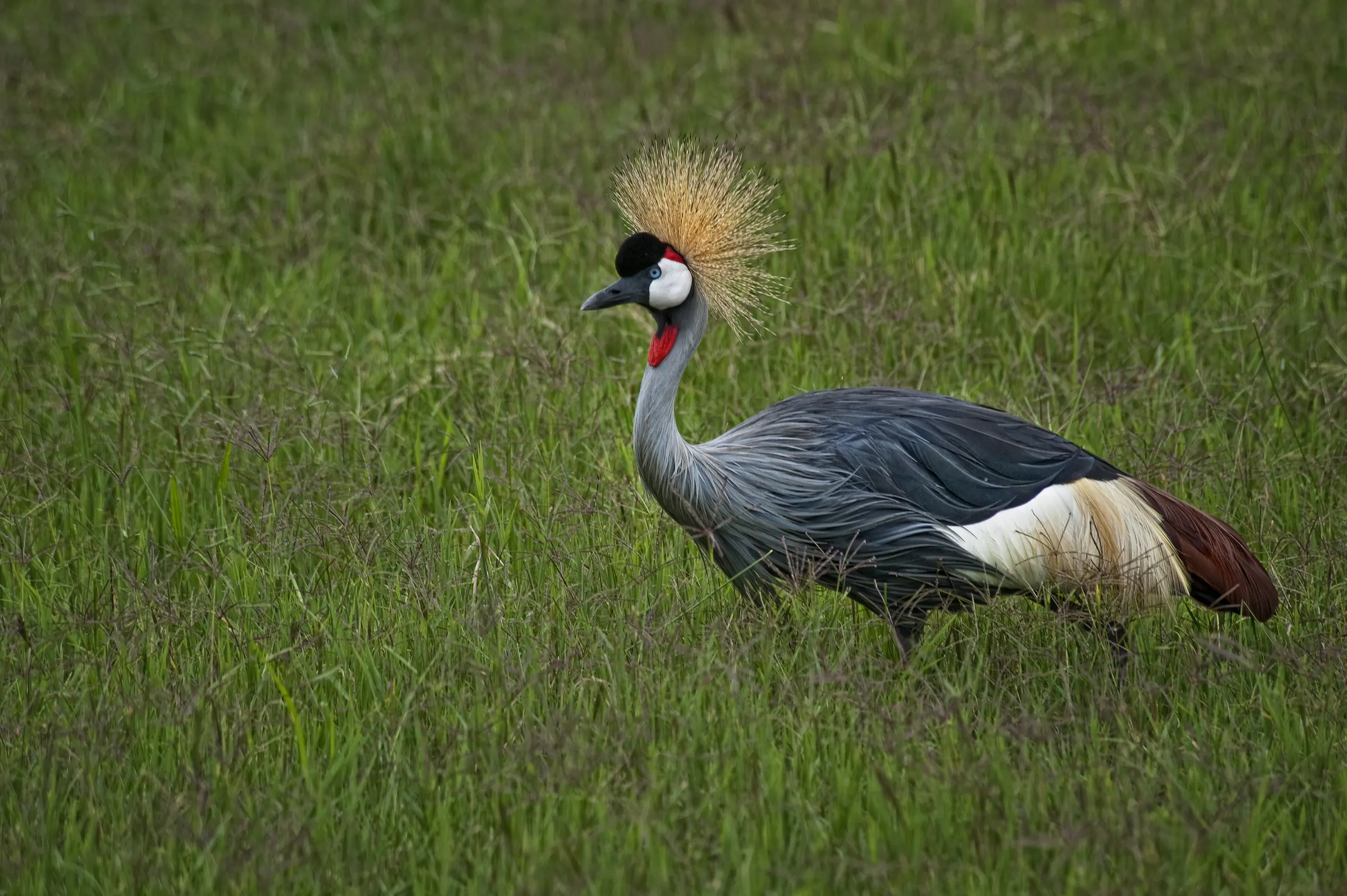
The creek is Takaungu's other draw. At high tide it fills with clear, calm water, and you can paddle a kayak or a stand-up board inland between mangroves and low cliffs, with kingfishers, herons and fishing boats for company. At low tide it drains to sandbanks and channels, good for walking and for watching wading birds. At the mouth, a beach of white sand faces the reef. Swim at mid to high tide, and stay out of the main channel when the tide is running, because the current through the creek mouth is strong.

Things to do
- Kayak or paddleboard up the creek on a rising tide, early in the morning
- Walk the village with a local guide to see the mosques, the old houses and the fish landing
- Spend the high tide on the beach at the creek mouth
- Take a dhow or a fishing boat out with local fishermen, agreeing the price first
- Drive north to Kilifi for the Mnarani ruins, the creek and a seafood lunch
- Visit Jumba la Mtwana, the ruins of a 14th-century Swahili town near Mtwapa, on the way from Mombasa
- Play a round at Vipingo Ridge, the golf estate a short drive south
- Read, swim, sleep: Takaungu rewards doing very little
Where to stay and eat
There are no hotels in the usual sense. Takaungu has a few small guesthouses and creek houses, many of them self-catering, often with a caretaker or a cook who will buy fish and prawns from the boats and cook them with coconut and tamarind. Food in the village itself is simple: chai, mandazi and chapati in the morning, pilau or fish and rice at lunch. For more choice, Kilifi's restaurants are 20 to 30 minutes north. Bring cash, because there are no ATMs in the village. Our where-to-stay guide for Mombasa covers the larger resorts and villas at Vipingo and Kikambala nearby.
Getting there
| From | How | Time |
|---|---|---|
| Mombasa | Road north via Mtwapa and Vipingo | About 1 to 1.5 hours, depending on traffic |
| Moi International Airport | Road north | About 1 to 1.5 hours |
| Kilifi town | Road south | About 20 to 30 minutes |
| Watamu | Road south via Kilifi | About 1 to 1.5 hours |
| Malindi Airport | Road south | About 1 to 1.5 hours |
| Nairobi | Madaraka Express to Mombasa, or fly to Mombasa or Malindi, then road | A full travel day |
How it fits a trip
Takaungu works as a two or three night stop on a north coast route: Mombasa's Old Town and Fort Jesus first, then Takaungu or Kilifi for the creek, then Watamu for the marine park and the Gedi ruins, flying home from Malindi. It also suits repeat visitors and long stays, and anyone who wants the Swahili coast without a resort. After a safari, fly to Mombasa and drive north.
When to go
October to March is the best season, with calmer seas and the north-east kaskazi breeze. The long rains, roughly April to June, make the village road slow and muddy. From June to September the south-east kusi brings rougher seas and some seaweed on the beach, while the creek stays calm for paddling. New Year is busy on the whole Kilifi coast, so book early.
Further up the coast
North of Kilifi the coast keeps going: Watamu's marine park and the Gedi ruins, Malindi's old town and Vasco da Gama pillar, and beyond Malindi the long, quiet road toward the Tana delta and, by air, Lamu. A slow north coast trip can start in Mombasa, pause in Takaungu, and end with a short flight north to Manda for Lamu's Old Town and Shela's dunes. Before you book, check the current U.S. State Department advisory for Kenya and confirm your travel insurance covers your route.
Why plan with us: Kenya Experience is Kenyan-led, with two U.S. companies behind it and Kenyan guides on the ground. You can pay in full or monthly with no deposit, and a specialist replies within two business days.