Experiences. Updated November 2026. 6 min read.
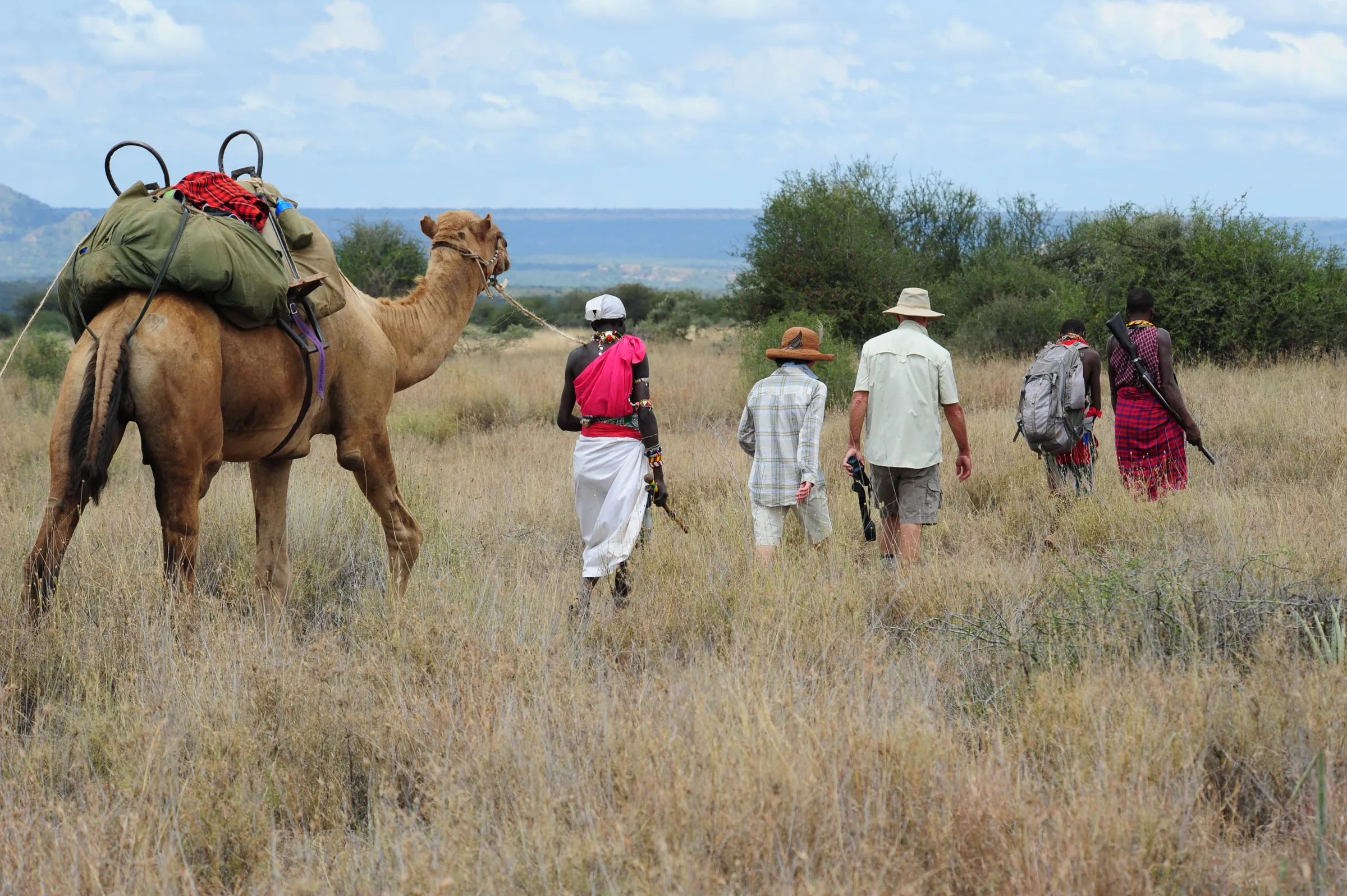
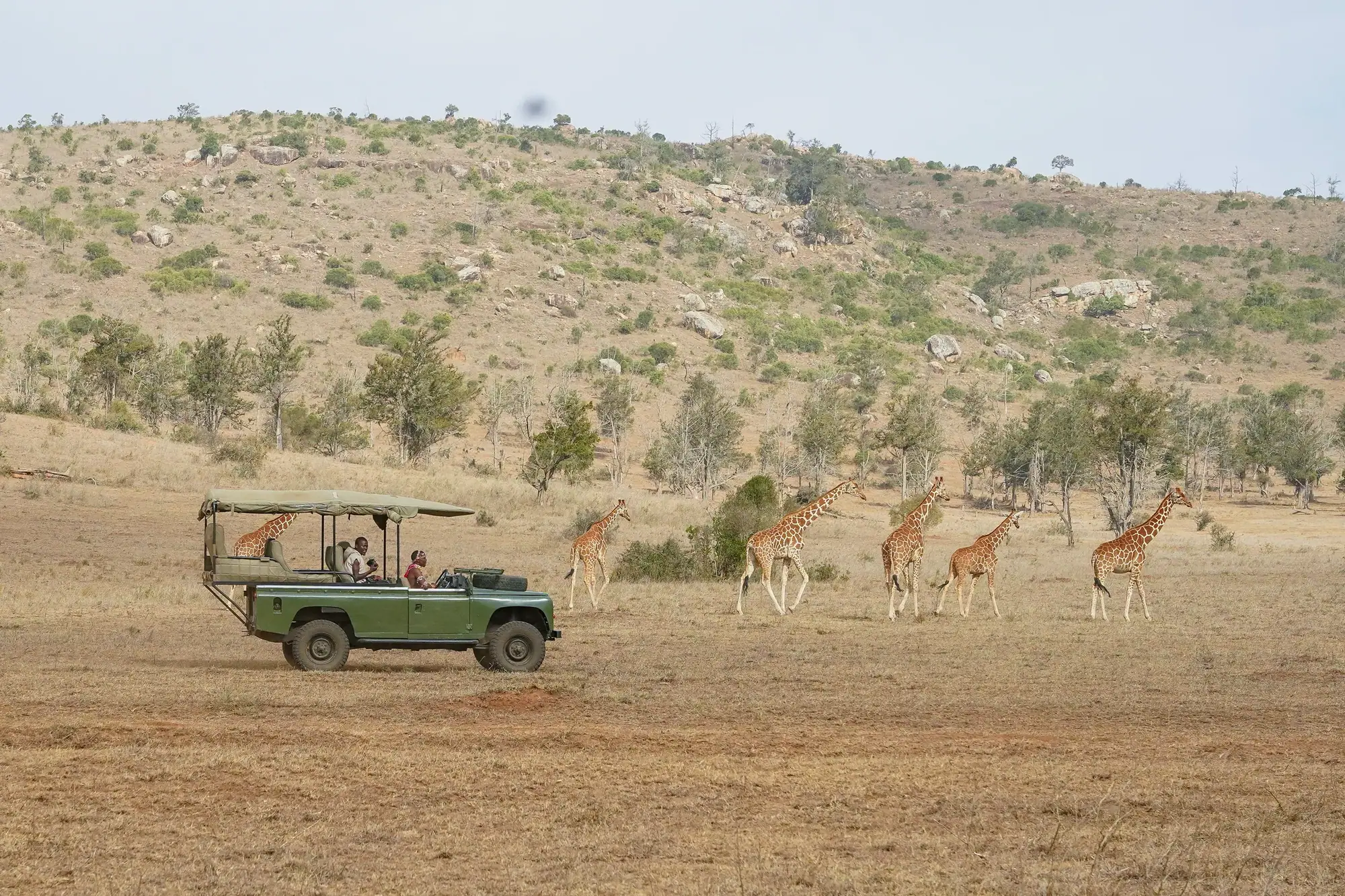
From a vehicle, a herd of zebra watches you. From a horse, it often barely notices. Plains game seems to read a horse as just another grazer, and a rider can sit among zebra, giraffe and eland at a distance no vehicle or walker could manage. On a camel safari in the north, the pace is slower still: a string of camels carries the camp while you walk beside Samburu handlers across country that has never seen a road.
The short answer: for riding, go to the Laikipia plateau, where conservancies and ranches such as Borana, Loisaba, Ol Malo and Sosian offer rides from an hour for beginners to full days for experienced riders, or to the Mara North Conservancy, where a specialist outfit runs multi-day riding safaris among the Mara's wildlife. For camels, go to Samburu and northern Laikipia, where camel-supported walking safaris and lodge camel rides are part of the landscape. Riding safaris start from about $250 per person per day at the time of writing and rise steeply at the top lodges.
The options
| Option | Where | Who it suits | How long |
|---|---|---|---|
| Short rides from a lodge | Laikipia conservancies, some Mara and Chyulu camps | Novices and confident beginners | One to two hours, usually morning or late afternoon |
| Full-day and multi-day riding safaris | Mara North, Laikipia | Experienced riders who can trot and canter confidently | Three to ten days, moving camp or riding from a base |
| Camel-supported walking safaris | Samburu and northern Laikipia | Fit walkers; no riding experience needed | Three days to a week or more |
| Camel rides at lodges | Samburu community conservancies, Laikipia | Families and anyone curious | An hour or two, often to a sundowner |
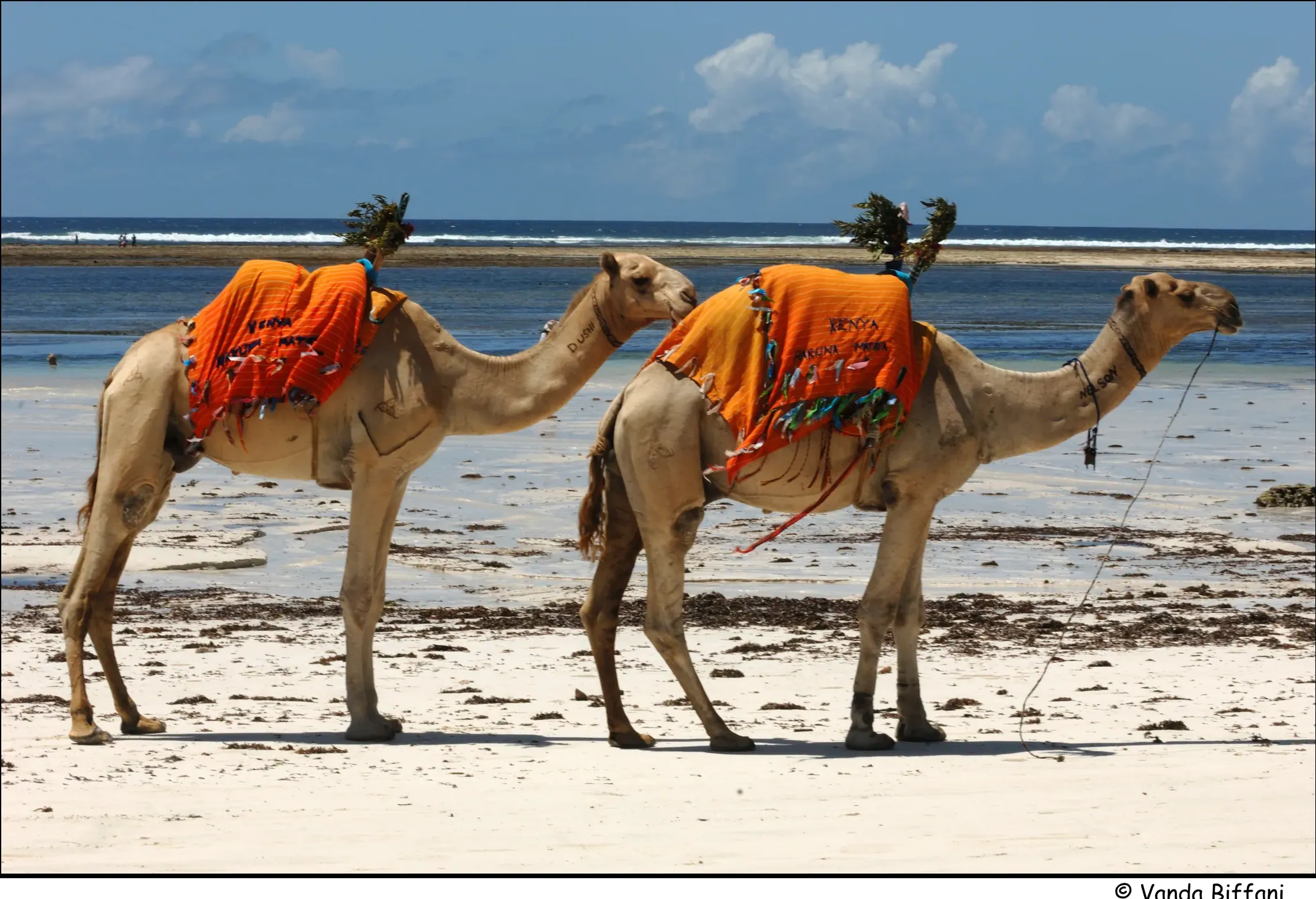
| Beach camel rides | Diani and other coast beaches | Children and a lighthearted half hour | Short |
Riding in Laikipia
Laikipia, the high plateau between Mount Kenya and Samburu, is Kenya's riding country. It was cattle ranch land for much of the last century, many properties still run cattle alongside wildlife, and horses are part of how the land is managed. Borana, next to Lewa, rides in a fenceless rhino landscape with Mount Kenya on the horizon. Loisaba, in the north, offers riding along with camel walks and mountain biking. Ol Malo, on the northern edge of the plateau, and Sosian, a working ranch, have long been known for riding. Most lodges here keep well-schooled horses for different levels, put beginners on quiet, steady mounts and send experienced riders out on longer rides across open country among giraffe, zebra, eland and impala. Availability and standards change, so we confirm current riding programs before we book.
Riding safaris in the Mara
In the Mara North Conservancy, on the northern edge of the Maasai Mara, Offbeat Safaris has run horseback safaris for many years, moving between camps on multi-day itineraries. This is serious riding for experienced riders: you need to be comfortable at all paces, able to canter out of trouble and to stay in the saddle for several hours a day. The reward is the Mara at horse level, among herds of wildebeest and zebra, with lion country handled carefully by guides who know it intimately. Riding happens only in the conservancies, never in the national reserve.
Camel safaris in Samburu and northern Laikipia
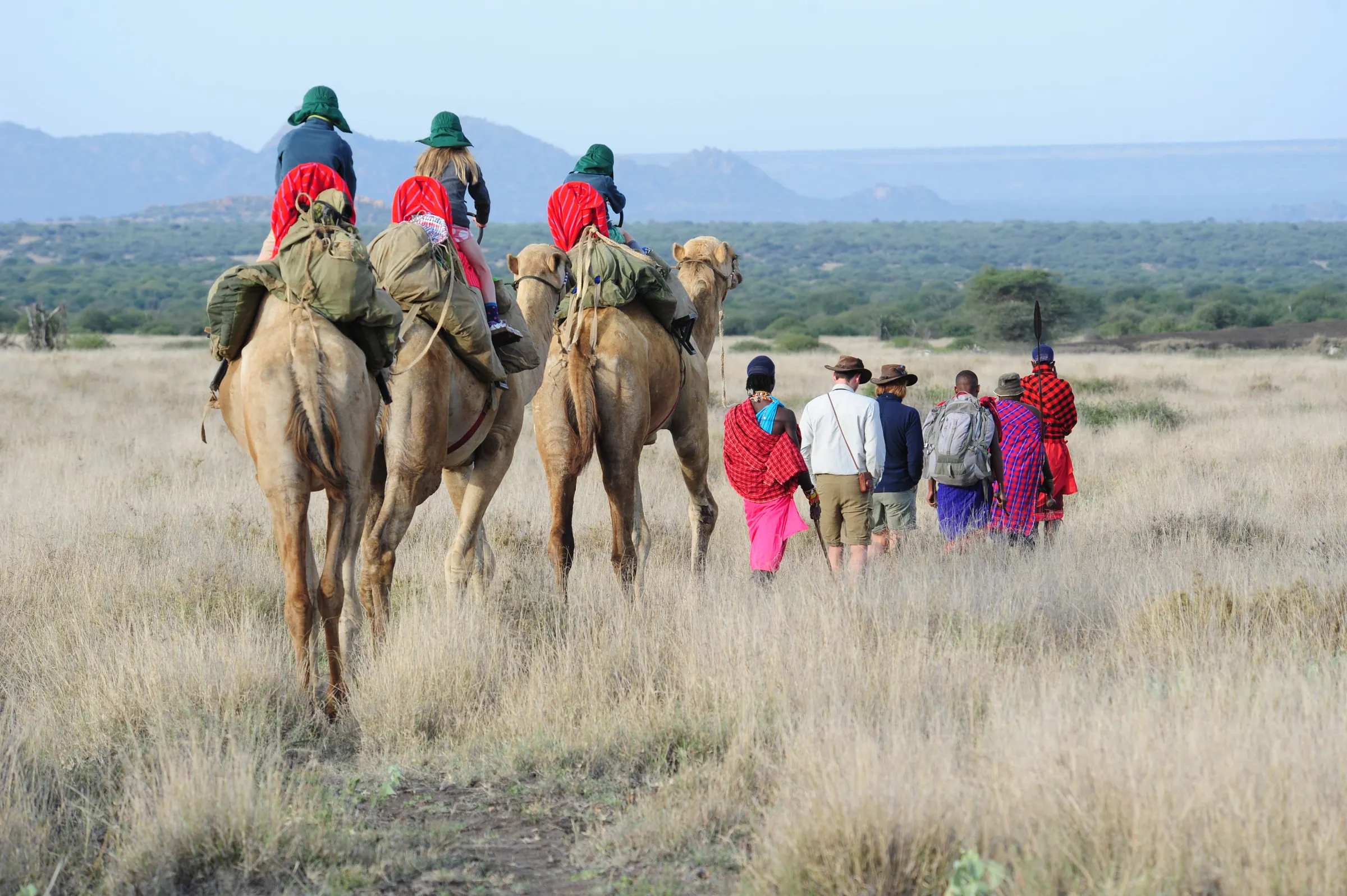
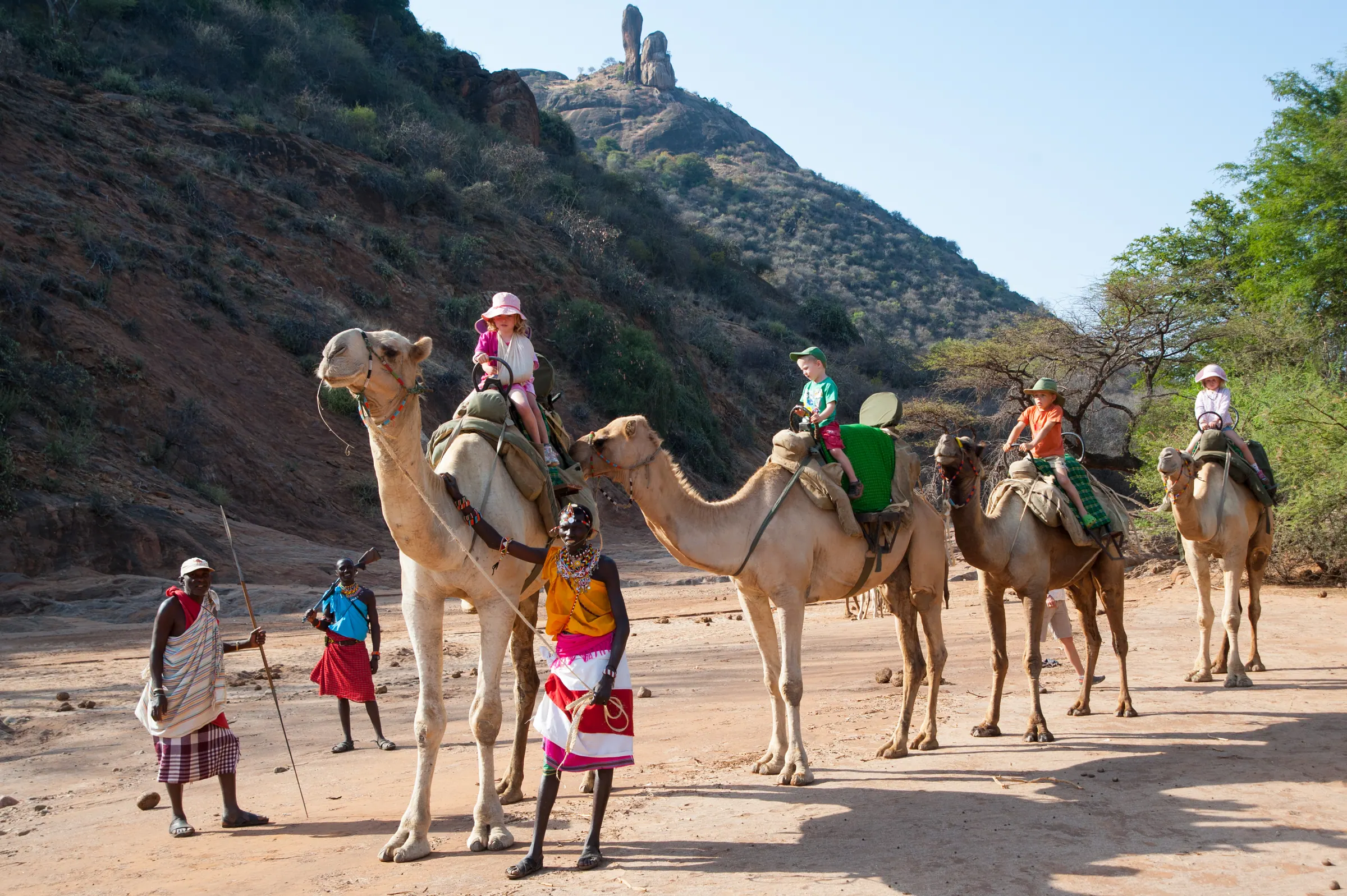
In the north, camels are the traditional transport of Samburu, Rendille and other pastoralist communities, and camel safaris grew out of that. On a camel-supported walking safari, such as those run by Karisia in Laikipia and the north, a string of camels carries the camp and supplies while you walk with a guide and the camel handlers, riding a camel when you are tired. Nights are in simple fly camps under the stars. It is slow, quiet and deeply rooted in the place. Shorter camel rides are offered at lodges such as Sasaab, in the Westgate Community Conservancy next to Samburu, and at several Laikipia lodges, usually an hour or two to a viewpoint or a sundowner. Our Samburu park page has photos of camel caravans in the reserves' country.
Who can ride
- Short rides: most lodges take beginners and confident children, often from about age 8 to 10 depending on the lodge and the pony.
- Multi-day riding safaris: experienced riders only, able to rise to the trot, canter and gallop in open country, and fit enough for several hours a day in the saddle.
- Weight limits: most riding outfits set one, usually stated in kilograms, for the welfare of the horses. Ask before you book and be honest.
- Camel walks: no riding experience needed, but you should be able to walk for several hours in the heat.
- Health: tell the operator about back, knee or hip problems; long days in the saddle or on foot are tiring.
Safety
Riding among wildlife is not risk-free, which is why it is done only with experienced guides, on horses trained to stay calm around animals, in areas the guides know well. Guides choose routes to avoid buffalo, elephants and lion, and brief riders before each ride on what to do if a horse spooks. Helmets are provided and should be worn. Check that your travel insurance covers horse riding, which some policies exclude, and that it includes evacuation. On camel safaris, the main risks are heat and sun: drink often, cover up and walk at the guide's pace.
What it costs
At the time of writing, riding safaris start from about $250 per person per day at the simpler end and rise steeply at the top lodges and on fully catered multi-day safaris, where you pay for the horses, the guides, the moving camp and the conservancy fees. Short rides from a Laikipia lodge are often included in the lodge's activity program or charged as an extra per ride. Camel walking safaris are usually priced per person per day, including camp, food, guides and camels. Ask what is included, and whether conservancy fees are in the rate.
What to wear and bring
- Long riding trousers or jodhpurs and half chaps; many lodges lend chaps.
- Boots with a small heel for riding; comfortable walking boots for camel walks.
- Neutral colors: khaki, olive and brown, never bright white.
- A long-sleeved shirt, a hat that fits under or instead of the helmet when off the horse, and high-factor sunscreen.
- A small bum bag or saddle bag for water, sunscreen and a phone or compact camera.
- Your own riding helmet if you prefer it; otherwise the lodge provides one.
The Maralal camel derby
Maralal, the Samburu county town, has hosted the Maralal International Camel Derby in many years, traditionally around August, with races for local herders and visitors, music and a big crowd. The event has not run every year, and dates change, so check before you plan a trip around it. If it is on during your trip, we can add it to a Samburu or Laikipia itinerary.
Horse and camel welfare
Choose outfits that keep their animals well. Good riding stables match riders to horses carefully, enforce weight limits, rest horses between rides and have a vet on call. Good camel safaris pay handlers fairly, keep loads reasonable and do not work camels in the worst heat. On the beach, look for healthy, well-fed camels and handlers who do not overload them with riders. If something looks wrong, tell your guide or us.
Fitting it into a trip
Riding or camels are best as two or three days in a Laikipia or Samburu conservancy within a broader safari, combined with game drives, a walking safari and perhaps Ol Pejeta's rhinos. Experienced riders can make a multi-day riding safari the heart of a trip and add a few nights on the coast. Walking on foot has its own page, which explains how guided walks work.
Kenya Experience is Kenyan-led, with two U.S. companies behind it and Kenyan guides. Pay in full or monthly with no deposit.