Towns and places. Updated November 2026. 4 min read.
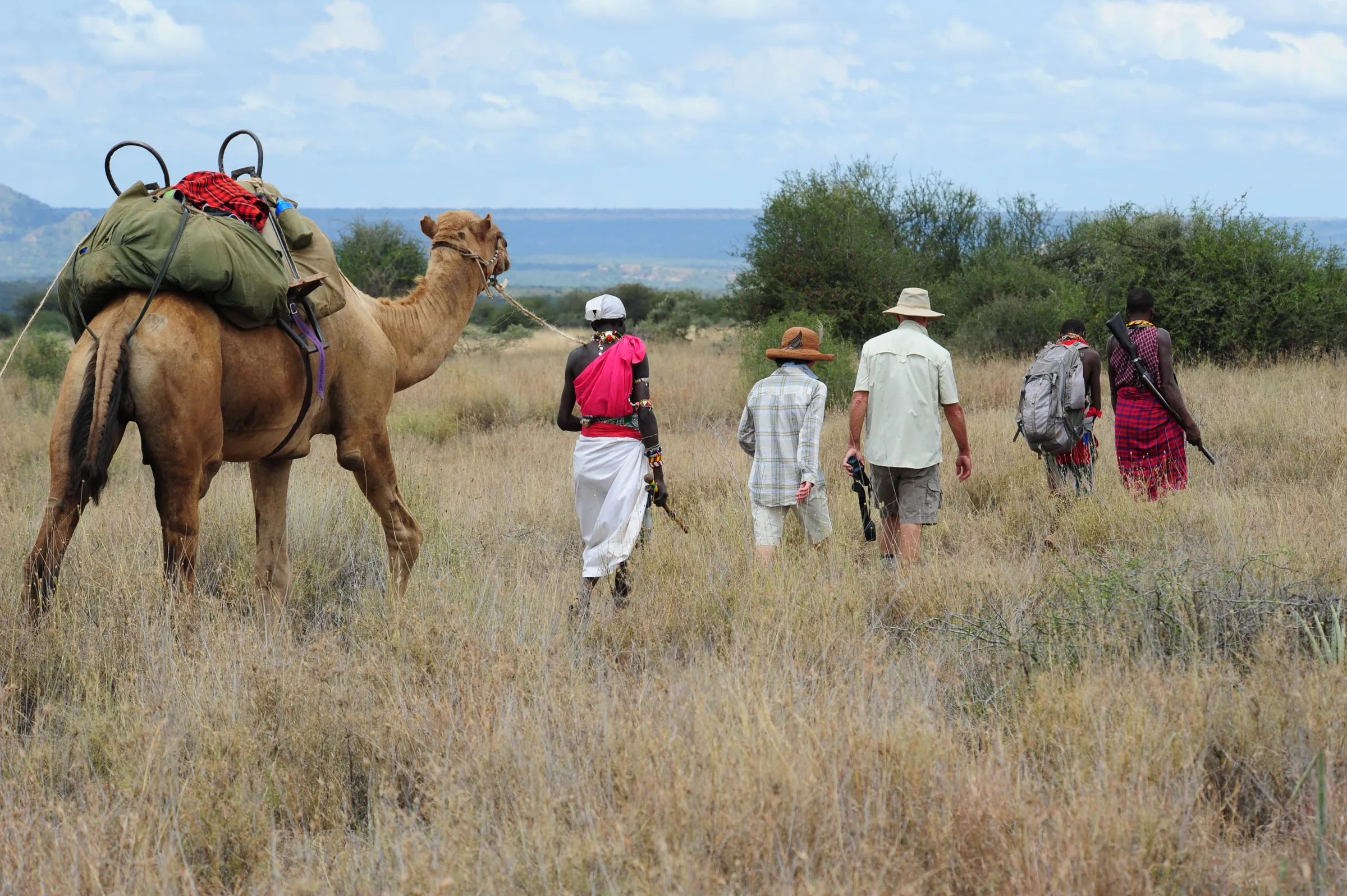
Maralal is a cattle-and-camel town on a cool plateau of cedar forest and grassland, the capital of Samburu County and, for a few days in most Augusts, the scene of the most chaotic camel race in Africa.
It is worth being clear about one thing first: Maralal is not the Samburu National Reserve. The reserve, with its river camps and elephants, is several hours east near Archers Post. Maralal is the county town in the Samburu heartland, and visitors come for the Camel Derby, for Kenyatta House, for the wildlife sanctuary on the edge of town, for the great viewpoint over the Suguta Valley, and because it is the last real town on the western road to Lake Turkana. We take guests to Maralal and the plateau, and on north to the lake by the road covered below. Our Samburu County page has the county overview.
Getting there
| From | How | Time |
|---|---|---|
| Nairobi | Road via Nakuru or Naivasha, Nyahururu and Rumuruti | Roughly 6 to 7 hours |
| Nanyuki | Road west to Rumuruti, then north | About 4 hours |
| Nyahururu | Road north via Rumuruti | About 2.5 to 3 hours |
| Samburu National Reserve | Rough road via Kisima and Wamba | Most of a day |
| Loiyangalani, Lake Turkana | Via Baragoi and South Horr, 4x4 only | A long day |
The Camel Derby
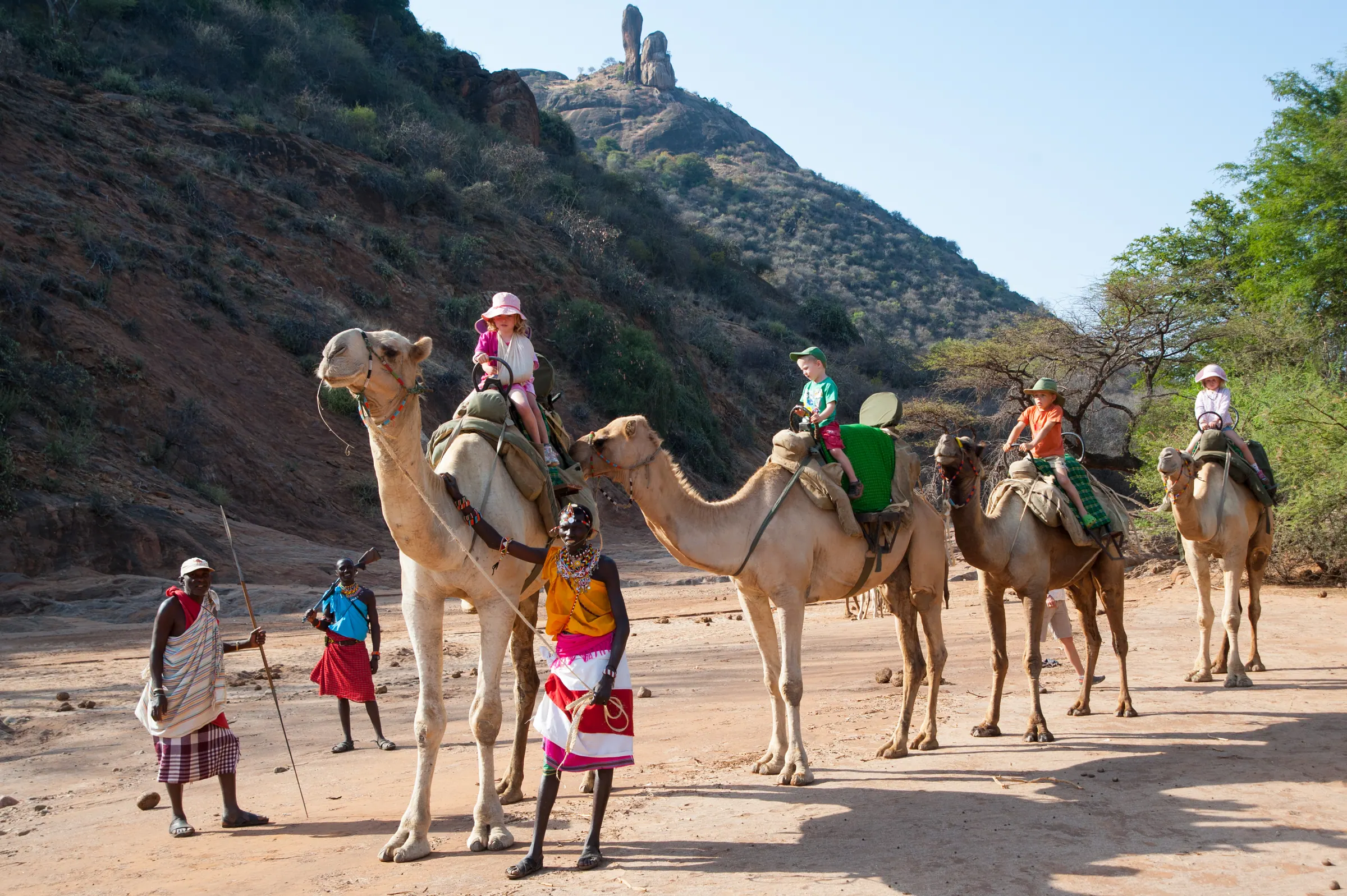
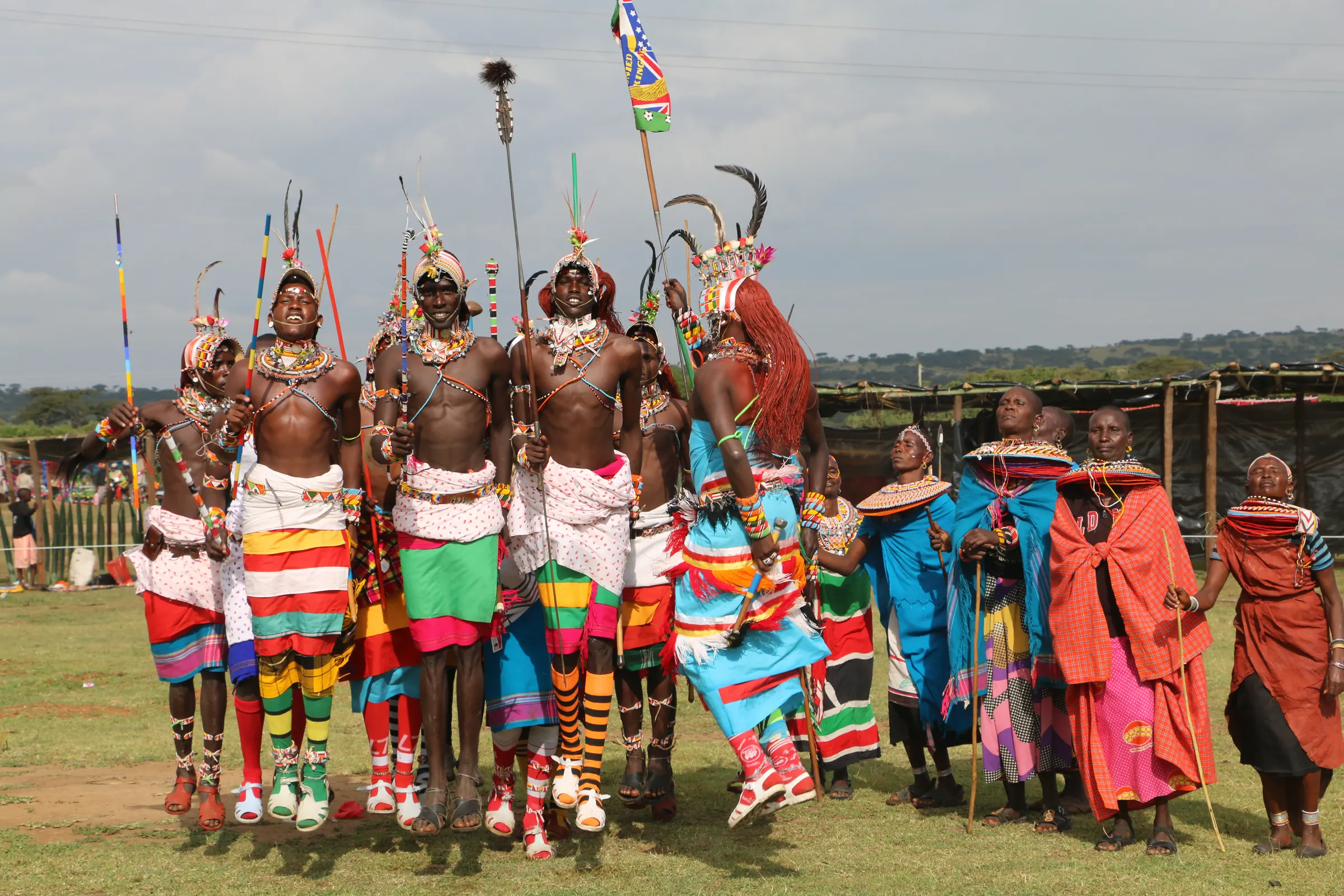
The Maralal International Camel Derby was first run in 1990 and became one of Kenya's best-loved oddities: professional Samburu and Turkana riders racing over a long, dusty course, an amateur race in which visitors have been able to hire a camel and join in, music, dancing and a town packed for days. It is traditionally held in August, but it has been skipped or moved in some years, so check the dates before you plan a trip around it, and book early if it is on. Our events calendar lists the year's festivals as dates are confirmed.
In and around town
- Kenyatta House: the bungalow where Jomo Kenyatta was held in 1961, in the last months before his release, now kept as a small museum. It is a short, moving stop for anyone interested in independence history.
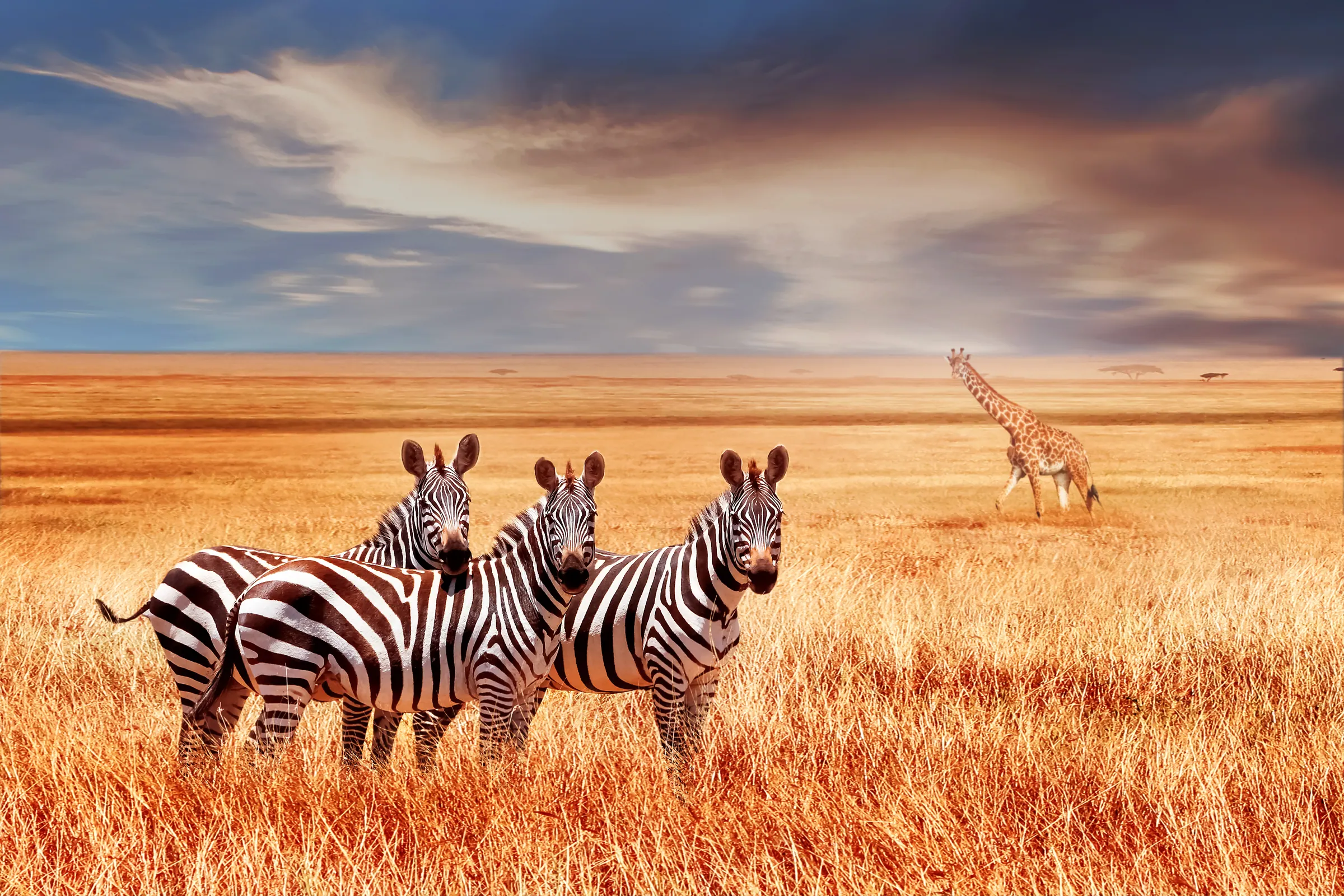
- Maralal Wildlife Sanctuary: open grassland and forest on the edge of town with zebra, eland, impala, buffalo and other plains game, best seen on a guided walk or drive.
- The Suguta viewpoint: north of town, the plateau ends at an escarpment above the Suguta Valley, one of the hottest places in Kenya, with a view that drops hundreds of metres to the desert floor. Go early, before the haze.
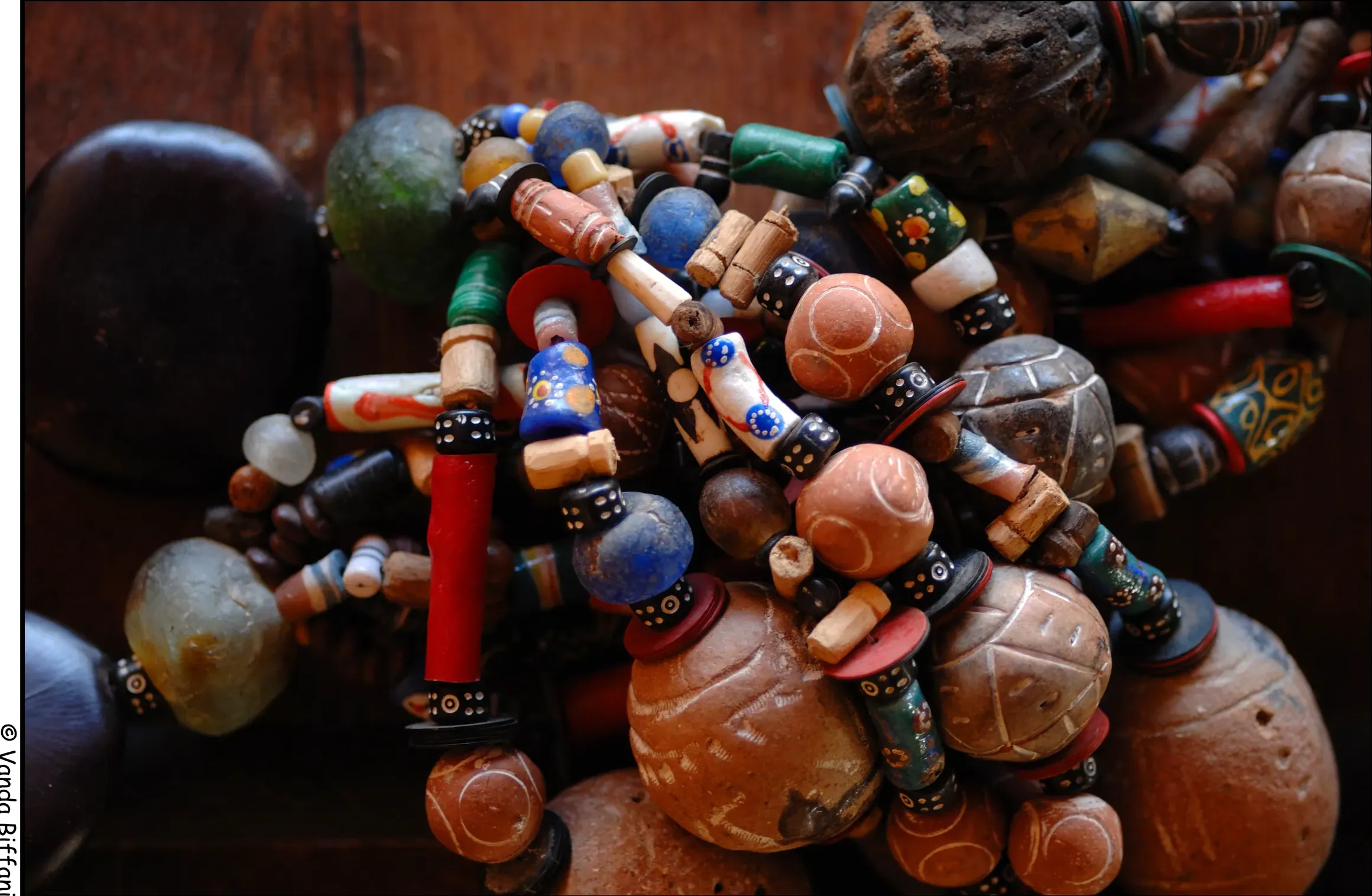
- The market: livestock, tobacco, sugar and the beadwork of Samburu women, sold at fair prices without the lodge mark-up.
- The writer's town: the explorer and writer Wilfred Thesiger lived in Maralal for many of his later years, among the Samburu families he knew.
Samburu culture
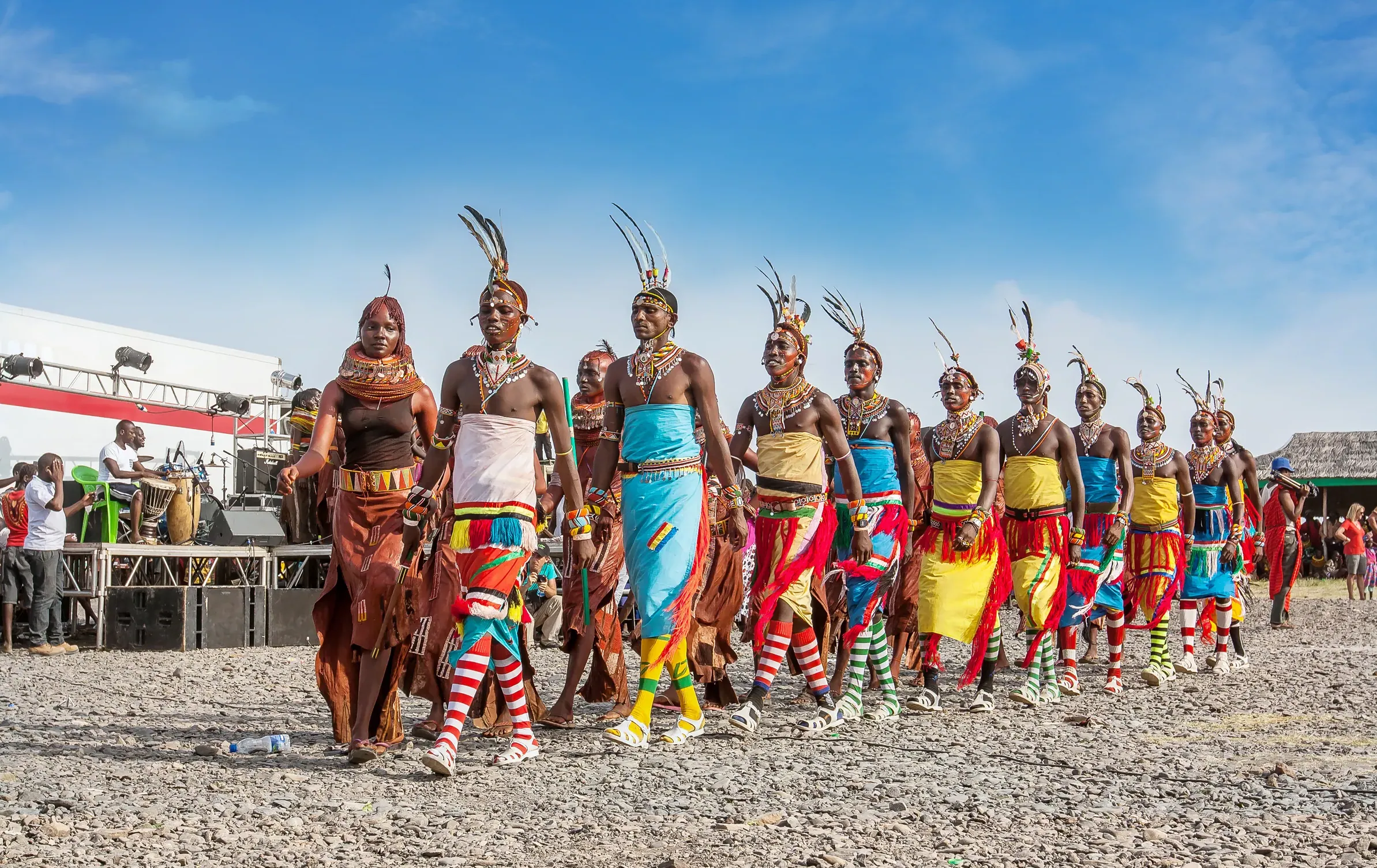
The Samburu speak Maa, the language of their Maasai cousins, and keep cattle, goats and camels across the plateau and the lowlands. The colours you see in town, the red cloth, the layered bead collars of the women and the ochred hair of young men, follow the age-set system that structures Samburu life. Our Samburu people page explains it, and our Samburu beadwork experience lets you learn from a women's group. Ask before you take photographs, pay the fee if one is asked, and buy directly from the women who made the work.
The road north to Lake Turkana
From Maralal, the road north drops off the plateau to Baragoi, climbs through the South Horr valley between Mount Nyiru and the Ndoto range, and reaches Lake Turkana at Loiyangalani. It is one of the great drives in Africa, and one of the roughest. Baragoi is the last place for a cold drink and a fuel top-up; South Horr, in its green valley under Mount Nyiru, makes a good lunch stop; and the final descent over lava boulders to the lake is slow going. Local conditions change with the seasons and the grazing, so we drive it with experienced northern driver-guides who check the latest local news before each trip, in a well-equipped 4x4 carrying fuel, water and spares. Before you book, check the current U.S. State Department advisory for Kenya and confirm your travel insurance covers your route.
Where to eat and stay
Maralal has simple hotels and guesthouses in town, a few lodges and camps on the plateau and in the sanctuary area, and campsites that fill up during the Derby. Expect basic comfort and pack warm layers: nights on the plateau are cold. Food is straightforward: goat nyama choma, stews, ugali, chapati and strong sweet tea. Your guide will choose the place to eat.
How long to stay, and how it fits a trip
One or two nights covers the town, the sanctuary and the viewpoint; three nights for the Derby. Maralal fits a northern circuit from Laikipia: across the plateau from Rumuruti, a night or two in Maralal, then either east to the Samburu reserves or north to Lake Turkana. It is a trip for travelers who want Samburu life as well as Samburu wildlife.
Why plan with us: Kenya Experience is Kenyan-led, with two U.S. companies behind it and Kenyan guides on the ground. You can pay in full or monthly with no deposit, and a specialist replies within two business days.