Towns and places. Updated November 2026. 4 min read.
After two days of lava, dust and wind, the road drops to a lake the colour of jade and a strip of doum palms fed by warm springs. Loiyangalani, which is usually translated from Samburu as the place of many trees, is the only real town on the south-east shore of Lake Turkana.
It is the base for almost everything a visitor does on this side of the lake: the El Molo fishing villages, boat trips to South Island, the forested slopes of Mount Kulal, the Desert Museum on the hill, and the Lake Turkana Cultural Festival in the years it is held. It is also where expeditions north to Sibiloi and Koobi Fora set out. This is expedition travel, and we plan it with experienced northern driver-guides. Our Lake Turkana park page covers the national parks and the fossils, and our festival page covers the festival; this page is about the town and how to get there.
Getting there
| From | How | Time |
|---|---|---|
| Nairobi, western route | Road via Nyahururu and Maralal, then Baragoi and South Horr | 2 days, with a night in Maralal |
| Nairobi, eastern route | A2 to Marsabit, then rough tracks west | 2 days, with a night in Marsabit |
| Nairobi (Wilson Airport) | Charter flight to the Loiyangalani airstrip | About 2 to 3 hours |
| Maralal | Road via Baragoi and South Horr, 4x4 only | A long day |
| Sibiloi and Koobi Fora | Rough tracks north up the east shore, or charter | A full day by road |
Many travelers drive one way and fly the other, which gives you the great journey and saves two days. A road trip needs a well-equipped 4x4, an experienced northern driver-guide and a vehicle carrying fuel, water and spares; there is little help along the way.
In and around town
- The El Molo: one of Kenya's smallest communities, fishing people who live in villages on the bay just north of town. Visits are arranged through community guides for a set fee; go with a guide, ask before photographs and buy the crafts directly.
- The springs and palms: the warm springs that make Loiyangalani an oasis, with doum palms, small gardens and the town's water supply. Lake water is alkaline; drink only treated or bottled water.
- The Desert Museum: on the hill above town, with displays on the peoples of the lake and wide views over the water.
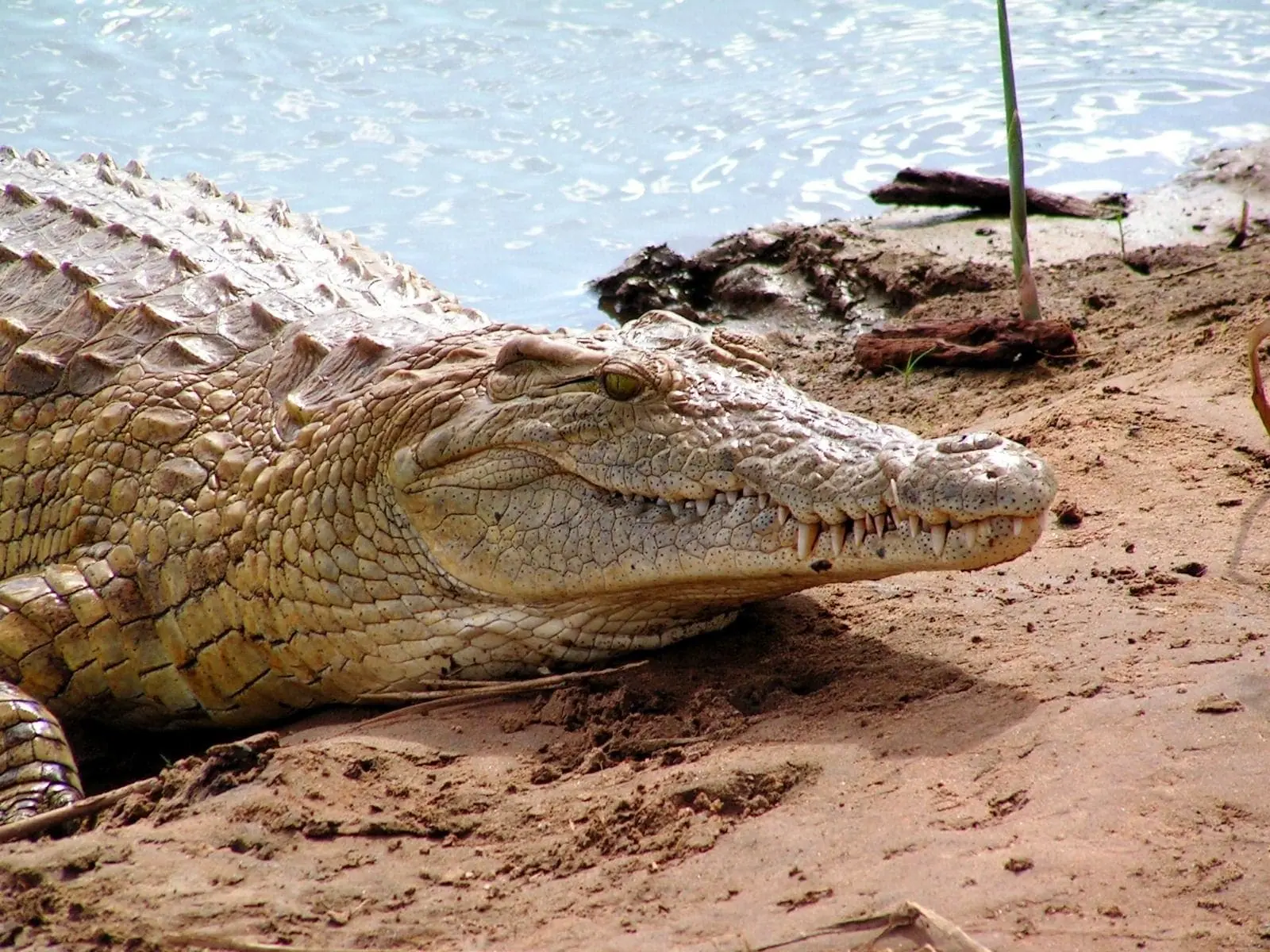
- South Island: a volcanic island in the lake, a national park and a refuge for Nile crocodiles and birds, reached by boat in calm weather. The wind can rise fast, so cross in the morning with a boatman the community trusts.
- Mount Kulal: the forested mountain east of town, a biosphere reserve with cool forest above the desert, reached by 4x4.
- The wind farm: south of town, Lake Turkana Wind Power's 365 turbines, with a capacity of 310 MW, harness the gales that funnel between the mountains here. It was the largest wind farm in Africa when it opened.
The festival
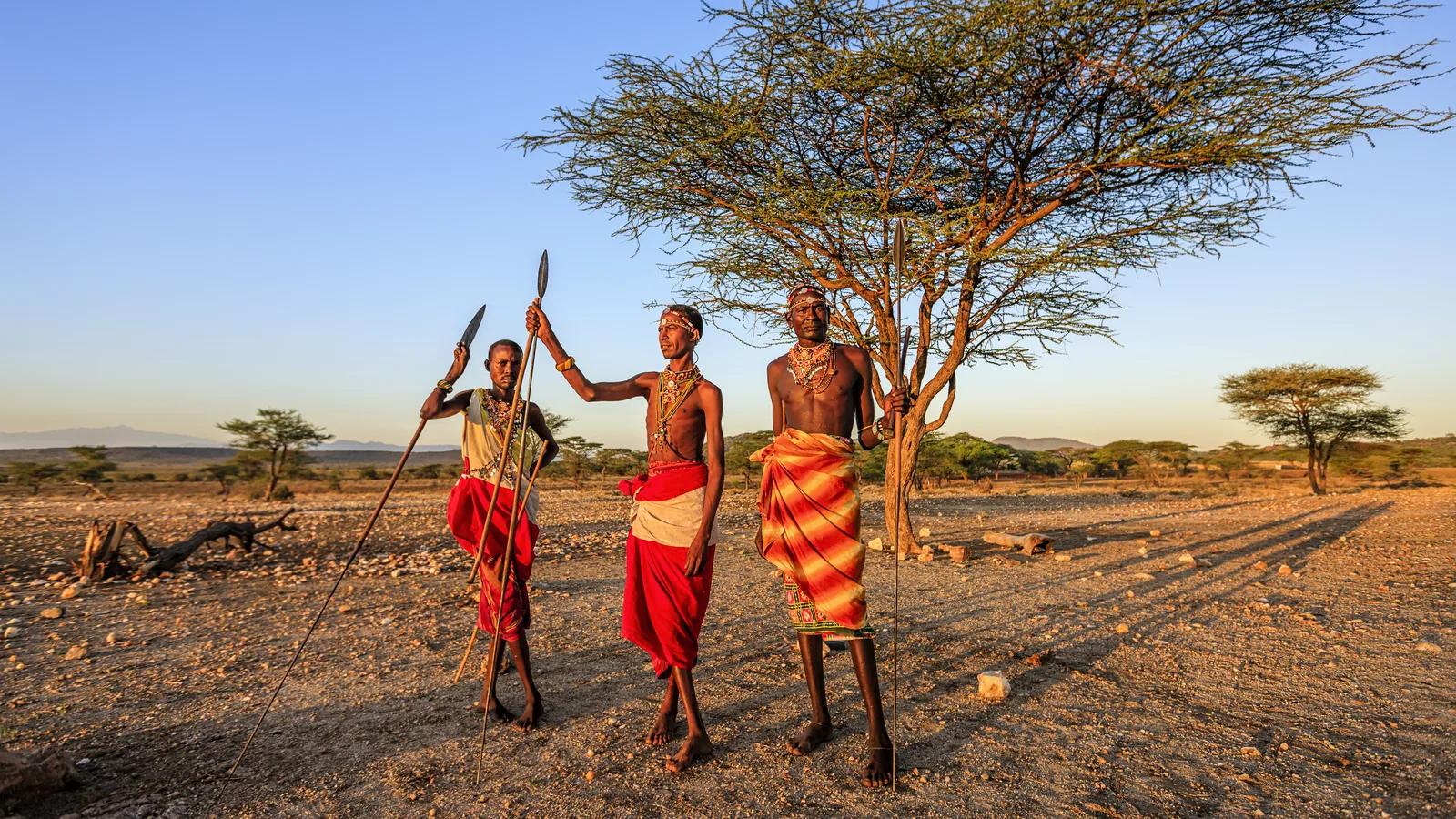
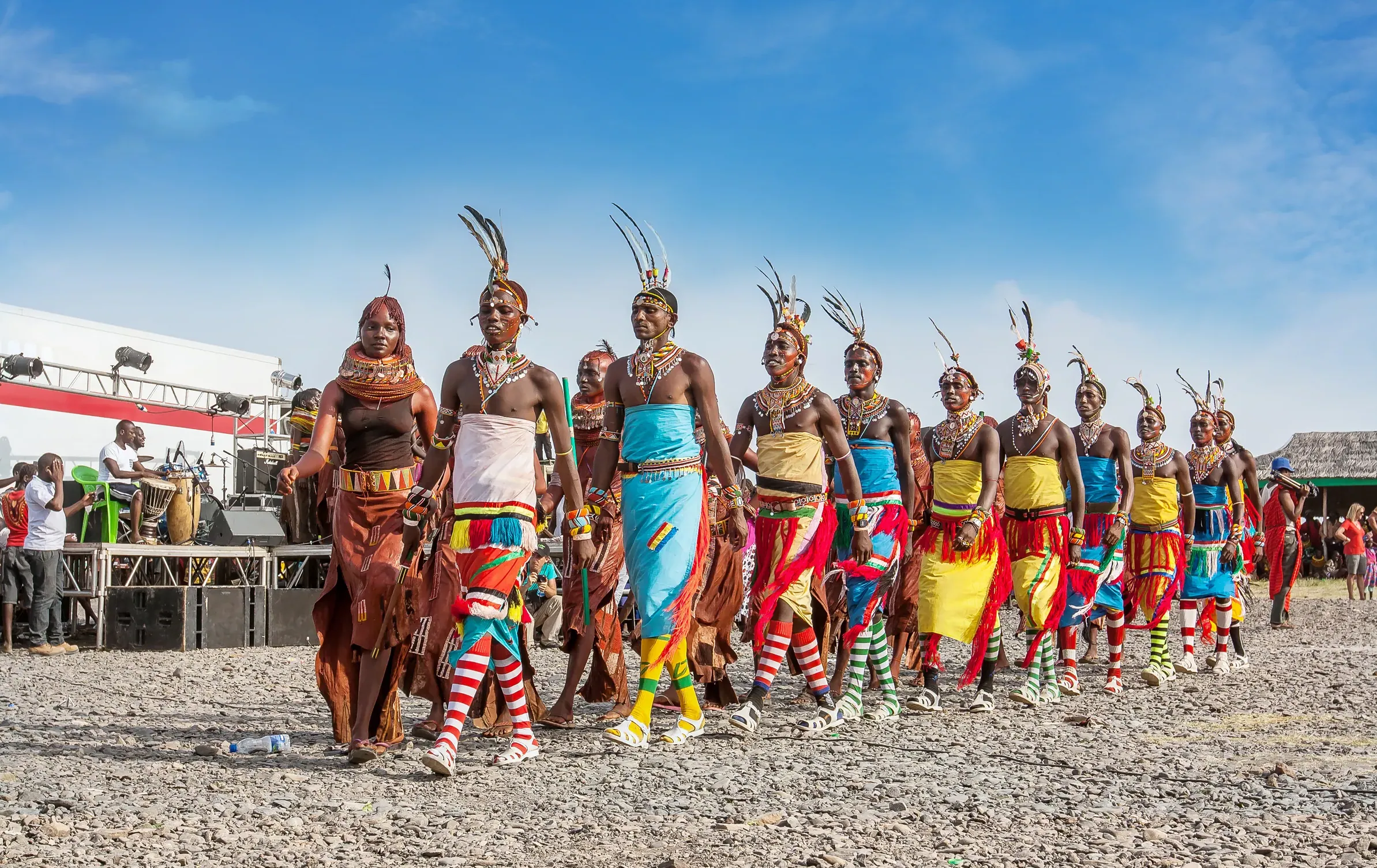
The Lake Turkana Cultural Festival brings up to 14 communities of the lake and the north, among them the Turkana, El Molo, Rendille, Samburu, Gabbra, Borana and Dassanach, to Loiyangalani for three days of dance, dress, song and trade. It is usually in late May or June, but it is not held every year and dates are announced late, so check before you plan around it. Rooms run out fast; camping is the norm. Our festival page has the detail.
Sibiloi and the north shore
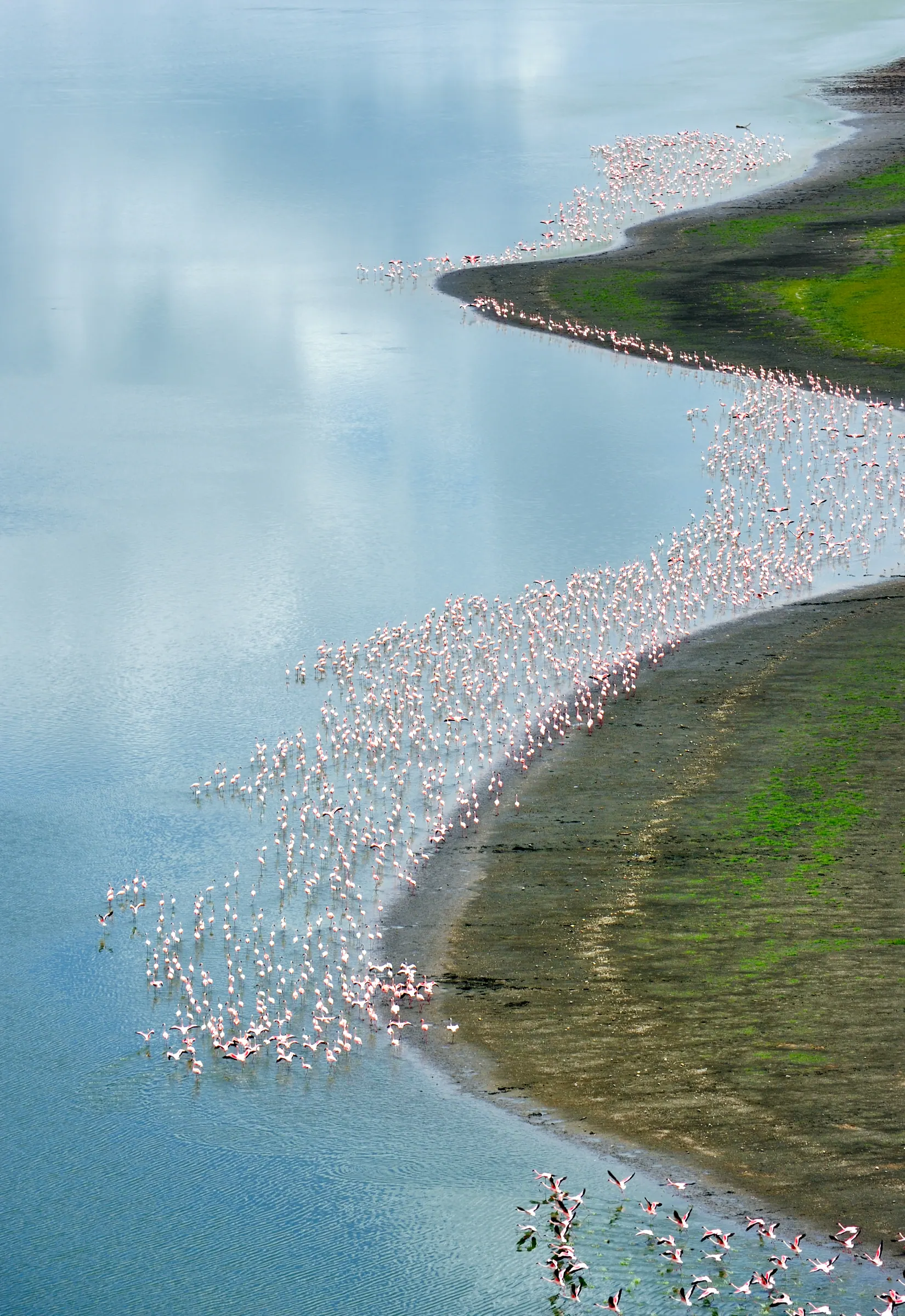
North of Loiyangalani, the east shore runs up to Sibiloi National Park and Koobi Fora, where the Leakey teams found fossils that changed what we know about human origins. The park is a full day north by rough track up the shore, or a short charter flight, and the camp and bandas there are simple, so give it two nights. Before you book, check the current U.S. State Department advisory for Kenya and confirm your travel insurance covers your route. Our Lake Turkana park page covers the fossil sites and how to visit.
Where to stay and eat
Choices are few and simple. Oasis Lodge and Palm Shade camp are the two names travelers know, with basic rooms, huts and camping among the palms; power and water can be unreliable, and you should not expect a safari lodge. Many expedition groups bring their own camp. Food in town means fried tilapia or Nile perch from the lake, goat stew, rice and chapati at small cafes; bring snacks and supplies from Nairobi or Maralal.
When to go
It is hot in every month, often above 35°C (95°F) by day, with very little rain. Wind is part of life here and can blow hard for days, especially in the afternoons and at night, so build spare time into any boat trip. The festival weeks are the busiest time of year.
How long to stay, and how it fits a trip
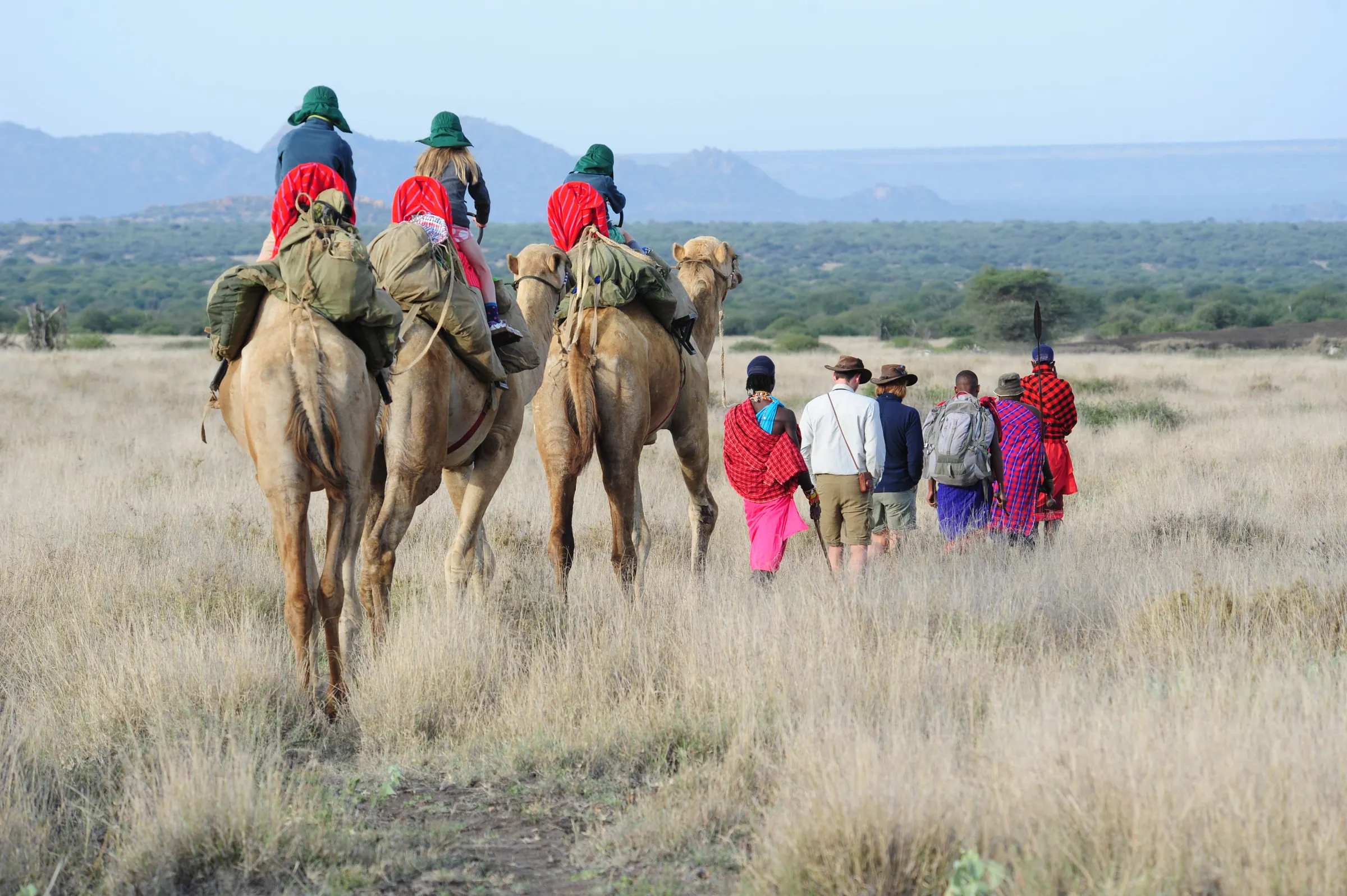
Give the lake two or three nights, plus two days each way by road, so a road trip runs to about seven or eight days. With a charter, four days can work. The classic pairing is a northern circuit: Laikipia, Maralal, the lake, then back via Marsabit and the Samburu reserves. It is for travelers who want people, landscape and history more than big game.
Why plan with us: Kenya Experience is Kenyan-led, with two U.S. companies behind it and Kenyan guides on the ground. You can pay in full or monthly with no deposit, and a specialist replies within two business days.