Leisure & Safari
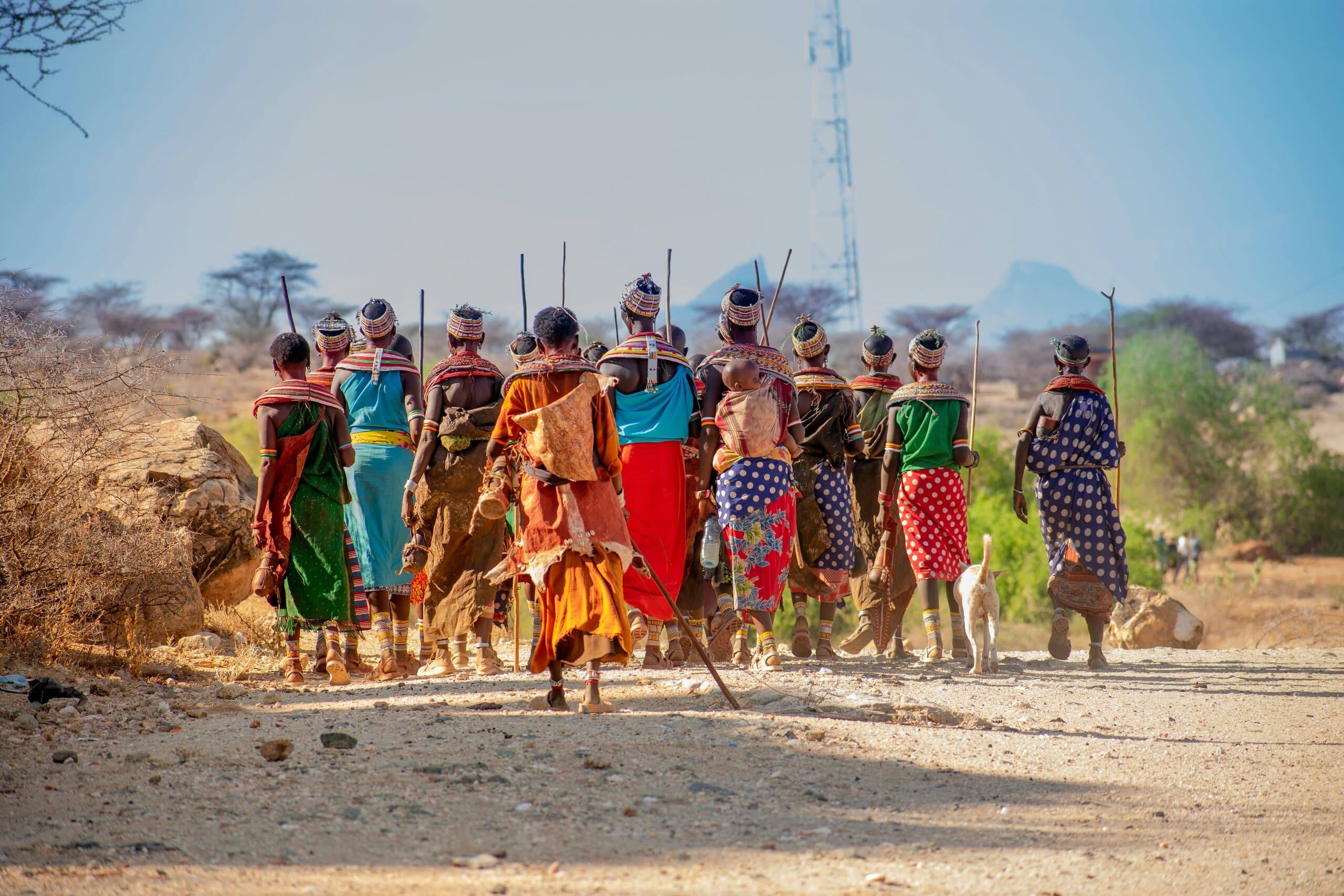
On foot with a Maasai or Samburu tracker: tracks, dung, plants, birds, and the way the bush feels when there is no engine.
Leisure & Safari
On foot with a Maasai or Samburu tracker: tracks, dung, plants, birds, and the way the bush feels when there is no engine.
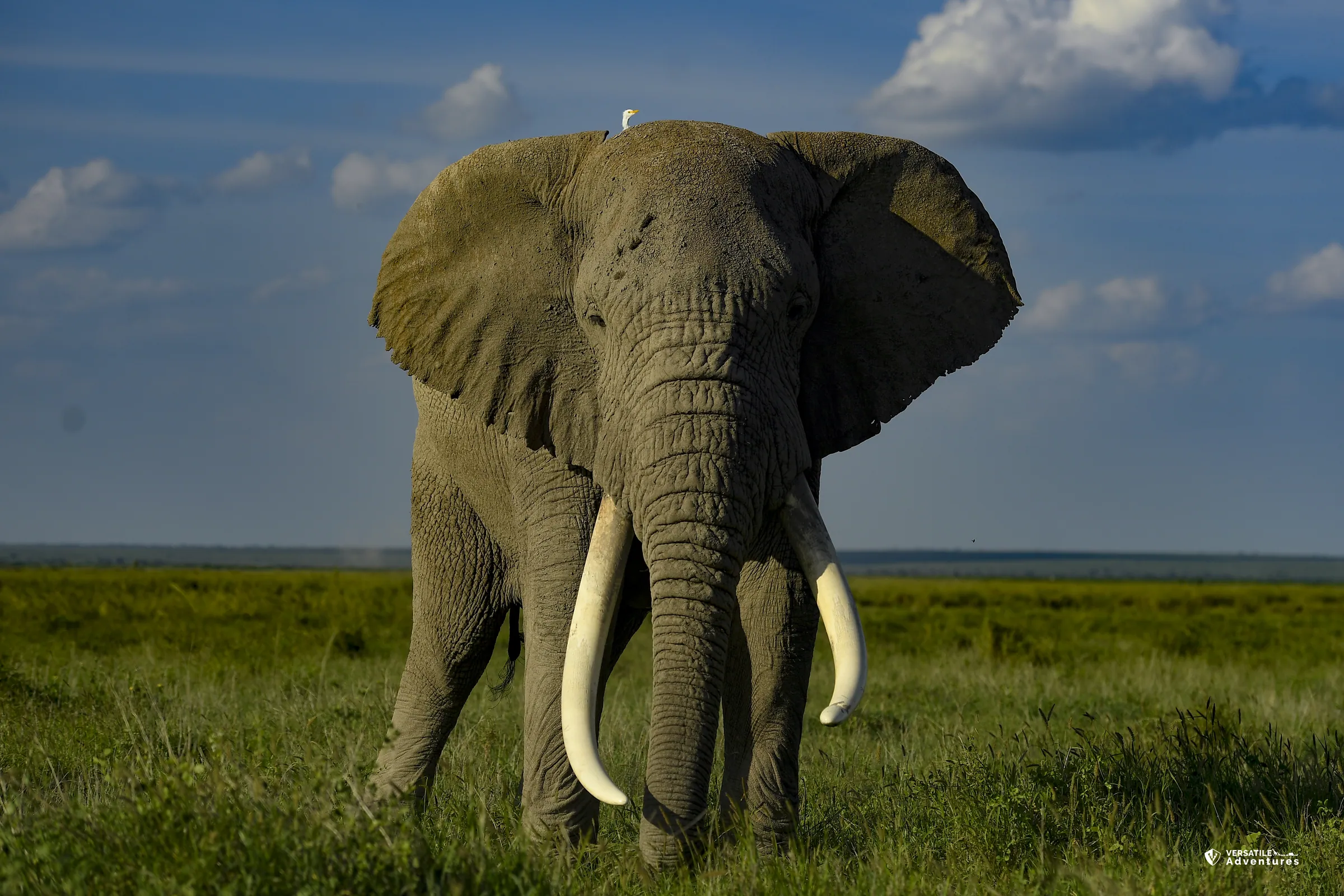
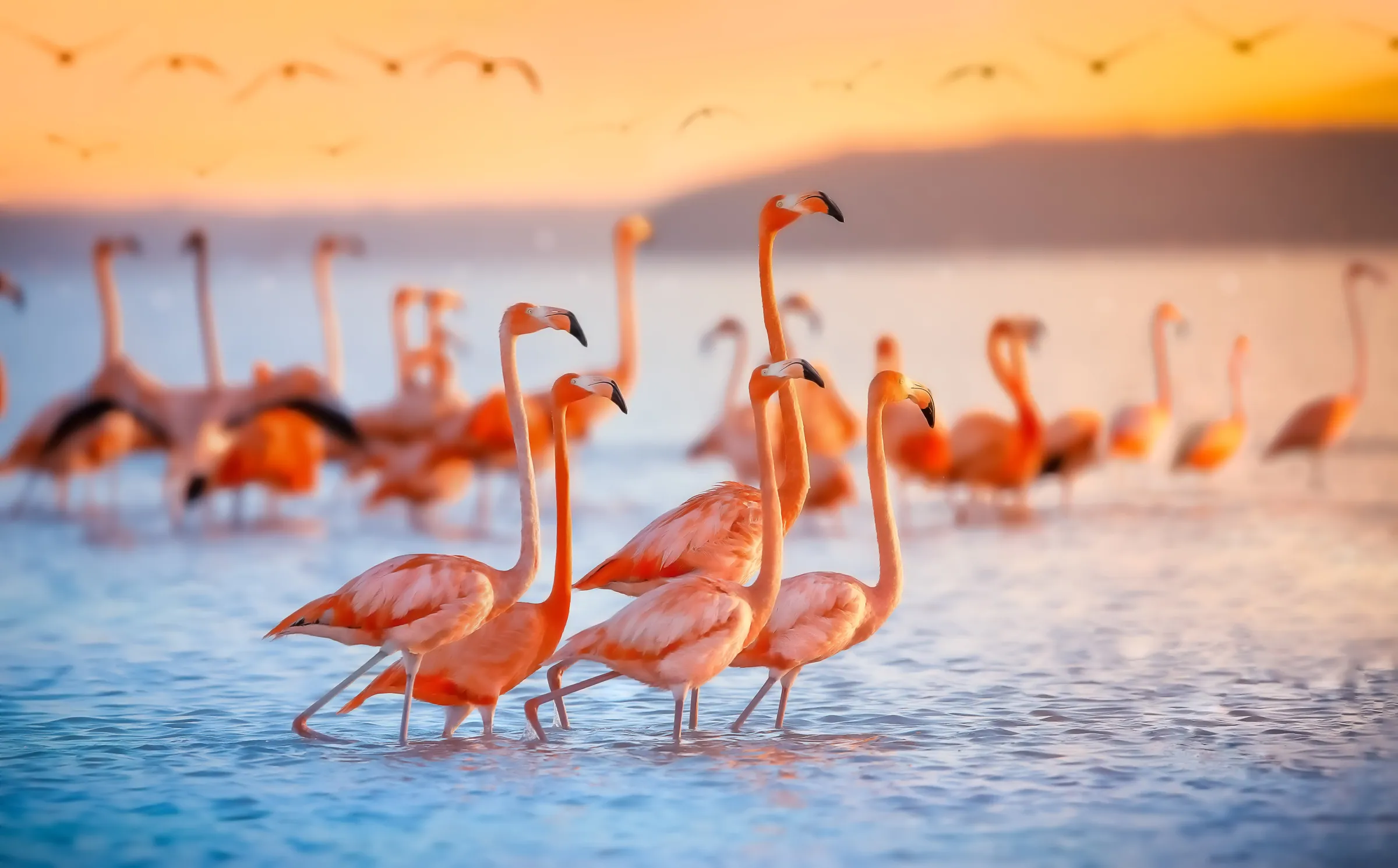
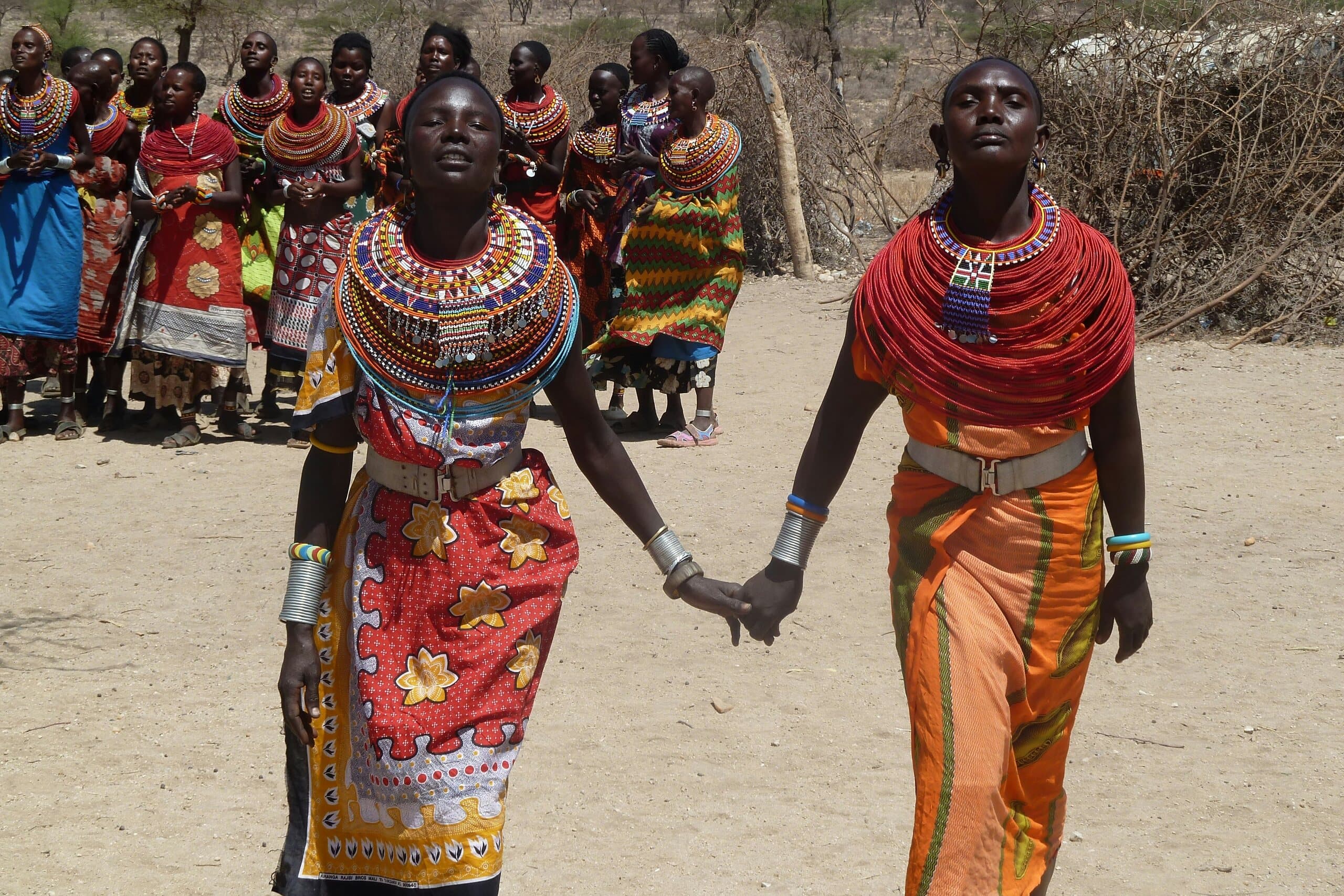
On foot, the bush becomes personal. You learn which tracks are fresh, why a bird calls in alarm and which plants Maasai and Samburu families use for medicine. Kenya's community conservancies made this possible: by leasing land from local families for low-impact tourism, they created space where walking is allowed and where the people who know the land best become your guides. Many Kenyan walking guides hold qualifications from the Kenya Professional Safari Guides Association, and your tracker has often walked this country since childhood.
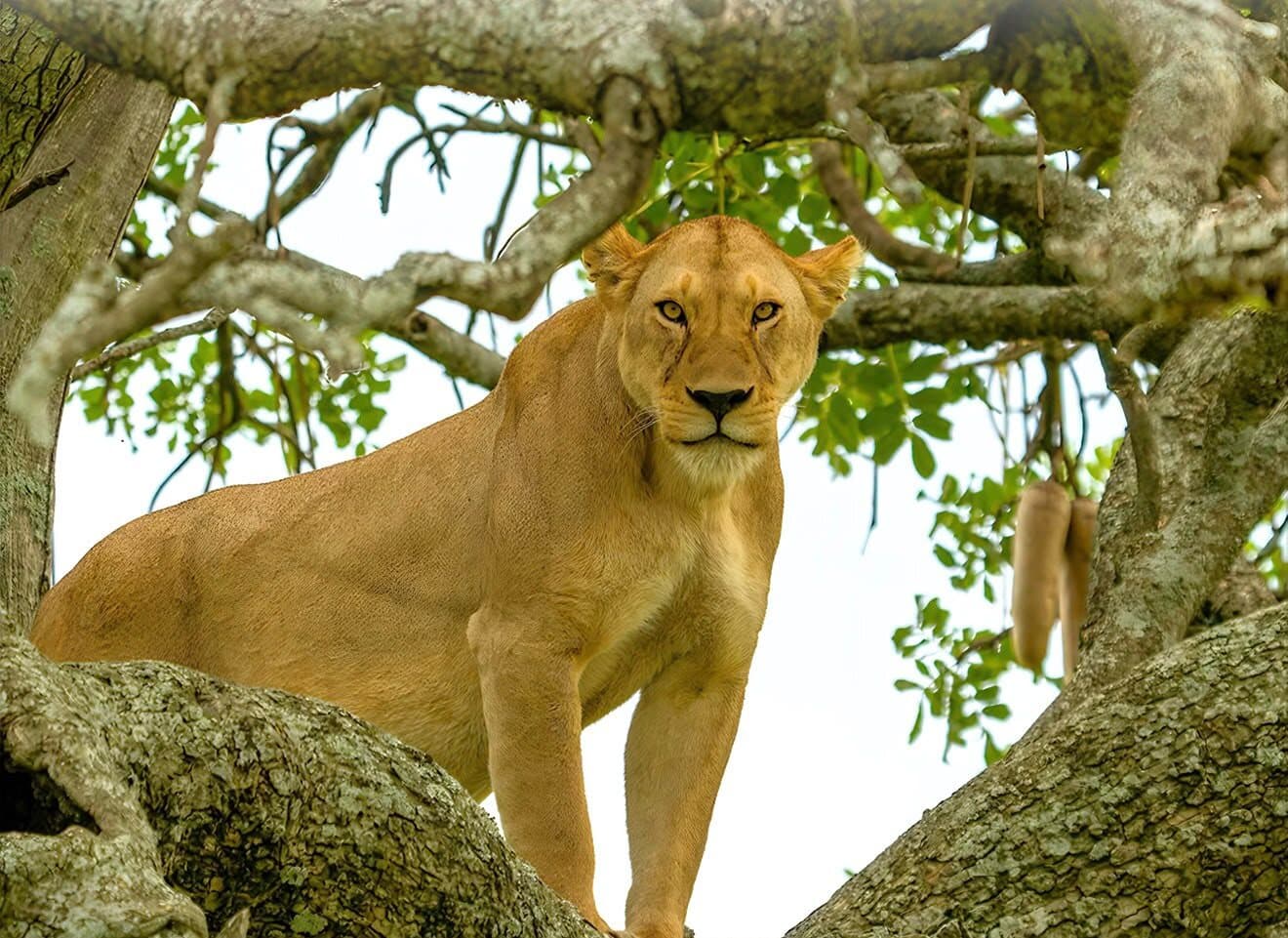
Walks happen in the Mara conservancies, in Laikipia on properties such as Lewa and Ol Pejeta, and in the dry northern country around Samburu, where multi-day walks with camels carry your gear. The dry seasons, usually June to October and January to March, are best, with cooler mornings and clearer tracks. In the rains, grass grows tall and visibility drops, so walks become shorter. Walks start early, before the heat and while animals are still active.
Before you set off, your guide gives a safety briefing. You walk in single file, quietly, with the guide at the front and a ranger close by. Most of the time you look at small things: dung beetles, termite mounds, tracks in the sand, the bark that elephants strip. When you meet larger animals, the guide reads their mood and keeps a safe distance, usually downwind. You never approach predators on foot. A morning walk often ends with breakfast in the bush or a vehicle waiting nearby.
Curious travelers, repeat safari-goers and anyone who wants to feel the bush rather than only watch it. Fitness needs are modest for a morning walk on flat ground, though the heat and uneven ground make it tiring. Multi-day walking safaris in the north suit fitter travelers. Age limits are set by each camp or conservancy. Twelve is a common minimum, and some set it higher, so we confirm the rule for your children before booking. Walks pair well with game drives and night drives in the same conservancy, a hosted visit to a Maasai or Samburu home, and a few days on the coast.
Wear neutral colors such as khaki, olive or brown, and avoid white and bright colors. Closed walking shoes with ankle support, long trousers against thorns, a hat, sunscreen and a refillable water bottle are essential. Bring binoculars and a small camera, and leave large lenses behind. Listen to your guide's briefing and follow every instruction. If an animal comes close, stand still and wait for the guide: never run. Keep your phone on silent, and tell your guide about any knee, ankle or heat problems before you start.
Kenya Experience is Kenyan-led, with two U.S. companies behind it and Kenyan guides. Pay in full or monthly with no deposit, and a specialist replies within two business days.
Walking is only allowed on private conservancies and in Laikipia, which is one more reason we favour them. Morning walks of two to three hours with an armed ranger and a tracker; longer multi-day walking and camel safaris in the north for the adventurous.
There is no national rule, so each camp or conservancy sets its own. Twelve is common, and some set it at fourteen or sixteen.
Walks are led by trained guides with a ranger, who brief you first and keep a safe distance from large animals. Following their instructions is what keeps you safe.
Yes, in the conservancies around the reserve. Walking is not allowed inside the national reserve itself.
Neutral colors, long trousers, closed walking shoes and a hat. Avoid white and bright colors, which stand out to wildlife.
Panga
Panga means plan. Tell us who is going and what you love. A Kenya specialist replies within two business days.