Hiking. Updated November 2026. 4 min read.
Kakamega Forest is the eastern tip of the great rainforest that once stretched across the middle of Africa to the Atlantic. Here, a long day's drive from Nairobi, the trees close overhead, the air is thick and warm, black-and-white colobus leap between branches, and in the clearings the light catches clouds of butterflies. About 400 kinds have been recorded, along with about 360 birds. No other forest in Kenya feels like this.
In short: walk Kakamega with a local guide, at dawn, from one of two bases. Isecheno, in the south, is run by the Kenya Forest Service with guides from the Kakamega Environmental Education Programme (KEEP); Buyangu, in the north, is the Kakamega Forest National Reserve, run by Kenya Wildlife Service. Two nights let you do the Lirhanda Hill sunrise walk, a river trail and a night walk. Our Kakamega Forest park page covers the reserve itself; this page is the walking.
The walks
| Walk | Side | Time | Highlights |
|---|---|---|---|
| Lirhanda Hill sunrise | Isecheno | 2 to 3 hours, starting before dawn | Sunrise over the canopy from a hilltop, birds waking below |
| Yala river trail | Isecheno | 2 to 4 hours | The river, giant trees, colobus and blue monkeys |
| Buyangu Hill viewpoint | Buyangu | 2 to 3 hours | Views across the forest and the Nandi escarpment |
| Isiukhu Falls | Buyangu | 3 to 5 hours | A forest waterfall and a long walk through the reserve |
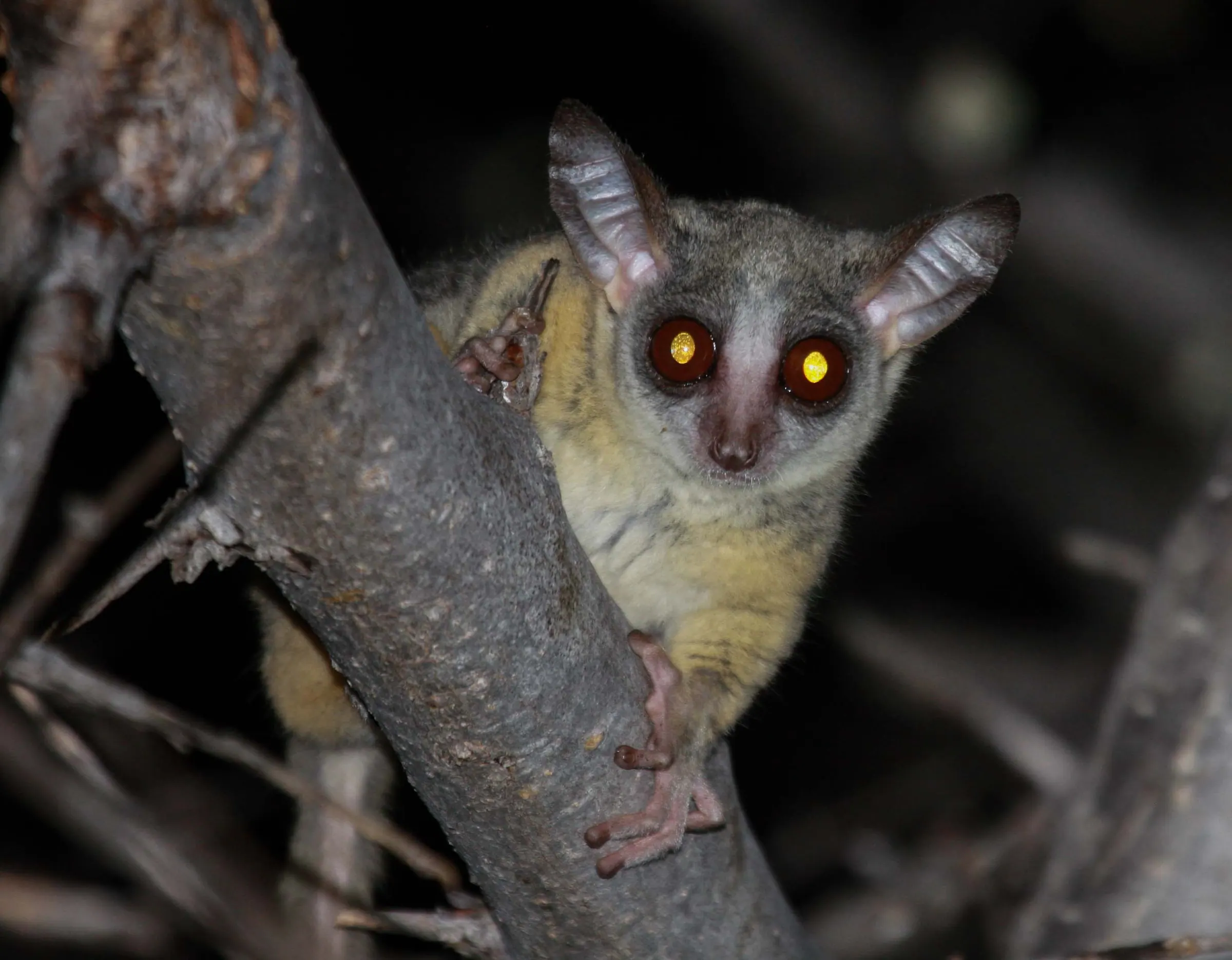
| Night walk | Either side | 1 to 2 hours after dark | Bushbabies, pottos, chameleons and insects |
| Short nature loops | Either side | 1 to 2 hours | Good for families and a first introduction |
What you will see
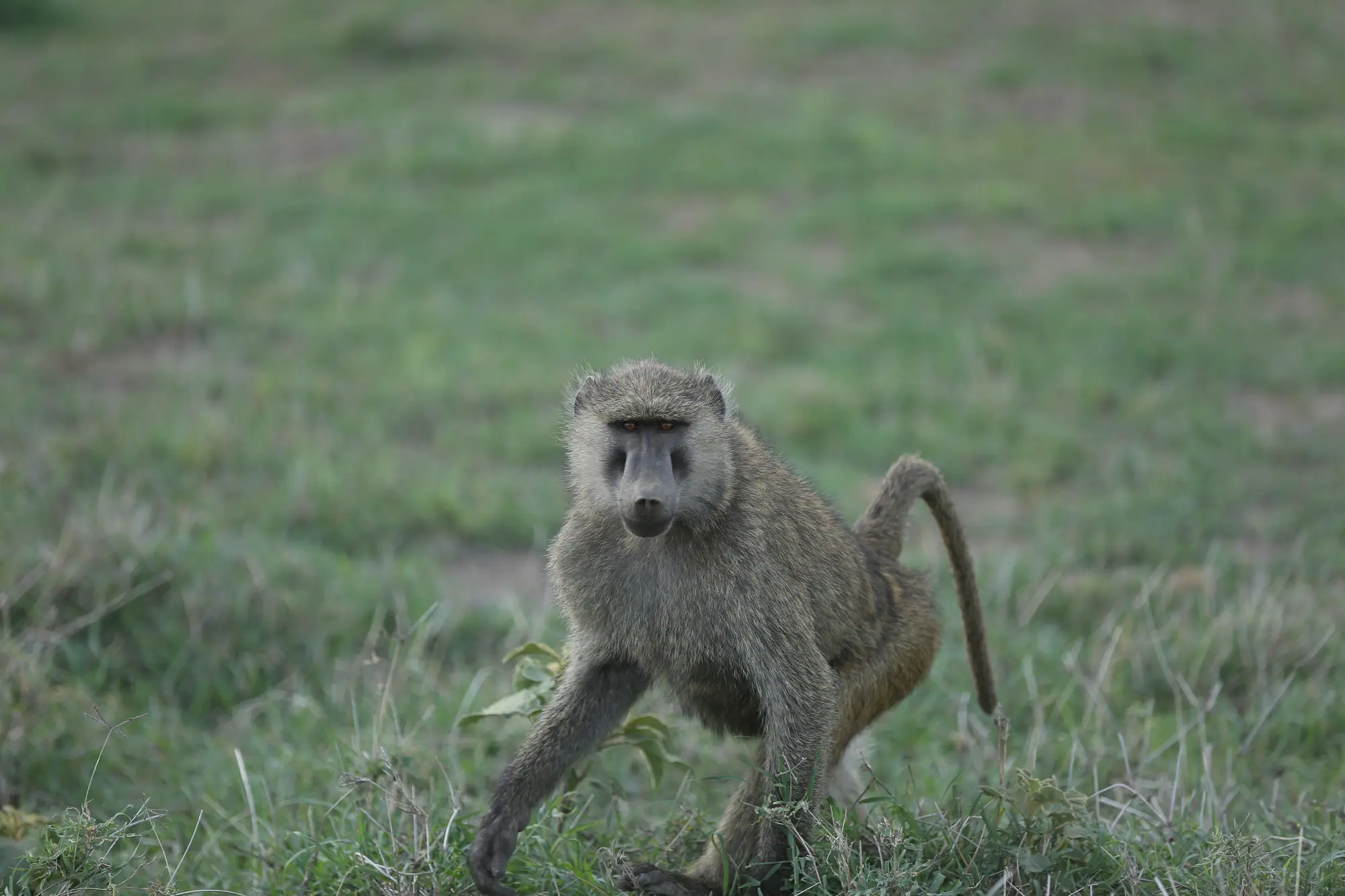
- Primates: black-and-white colobus, blue monkeys, red-tailed monkeys and olive baboons, with bushbabies and pottos at night.
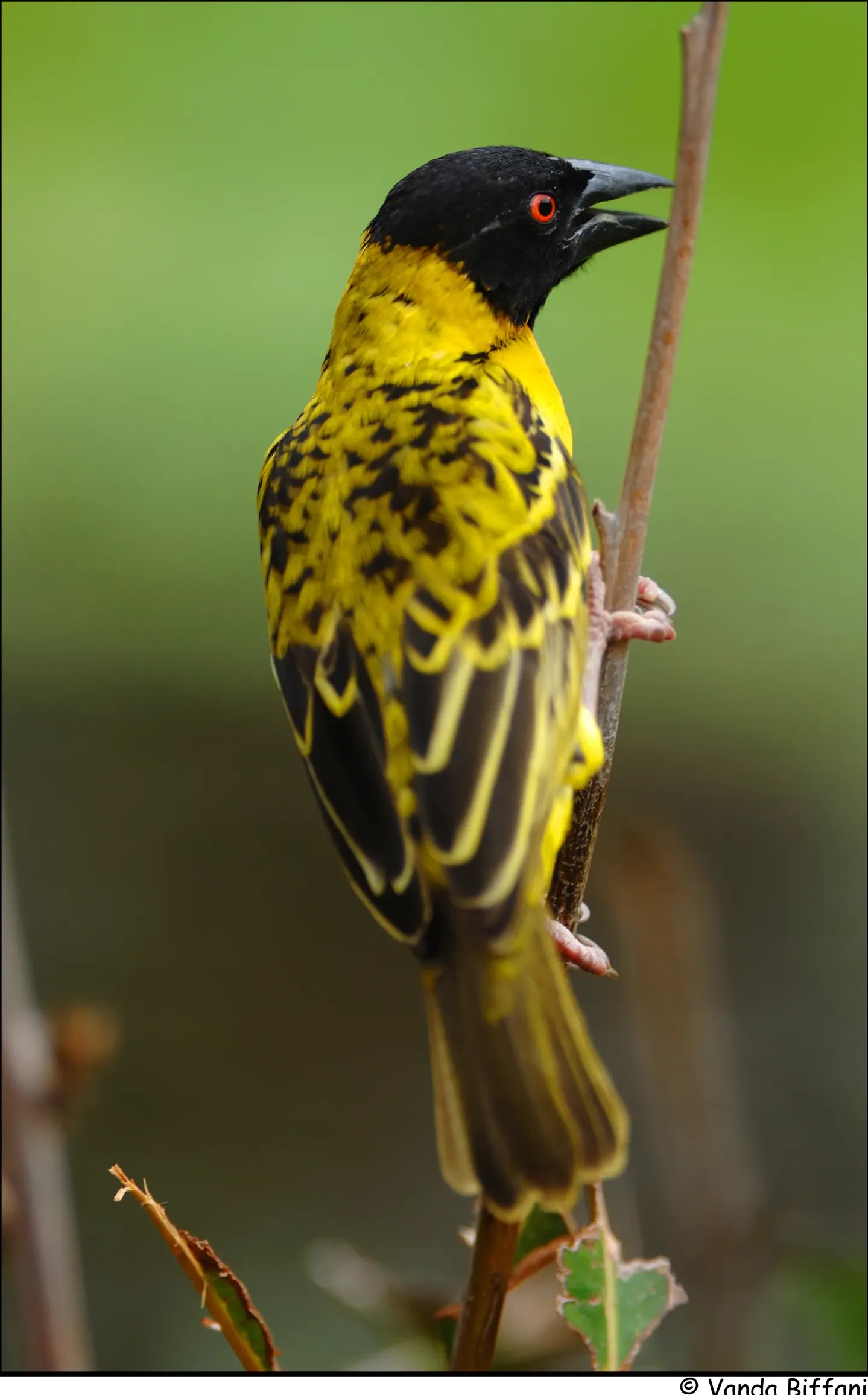
- Birds: about 360 species, including the great blue turaco, black-and-white-casqued hornbills and forest birds found nowhere else in Kenya.
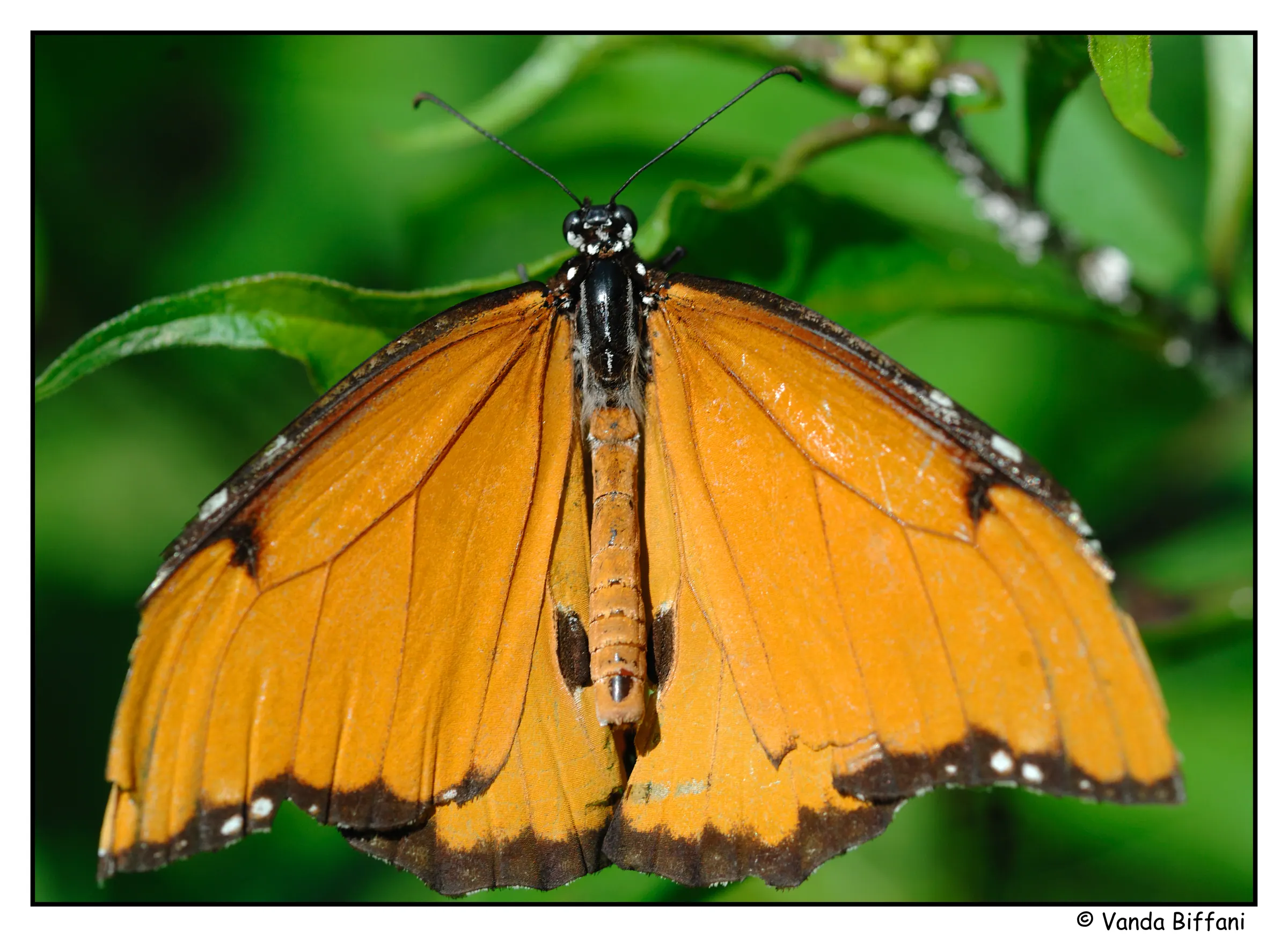
- Butterflies: about 400 species, at their most spectacular in sunny clearings after rain.
- Trees: giant figs, Elgon teak and other rainforest trees, some hundreds of years old, with orchids and climbers.
- Reptiles: chameleons on the night walk, and snakes, including the Gaboon viper, which are rarely seen but are a reason to stay on the path.
Birders should plan at least two full days. Bring binoculars, and let your guide set the pace: the best sightings come to people who stand still. Our butterflies and colobus pages go deeper into the species.
Isecheno or Buyangu?
Isecheno, in the southern part of the forest, is managed by the Kenya Forest Service and is where KEEP, a community conservation and education group, trains and runs local guides. It has the Lirhanda Hill walk, the Yala river and simple bandas. Buyangu, in the north, is the Kakamega Forest National Reserve, managed by KWS, with its own guides, campsite and bandas, the Buyangu Hill viewpoint and Isiukhu Falls. Both are excellent; the choice usually comes down to where you sleep and which road you arrive on.
Fees and guides
On the Buyangu side, KWS charges a reserve entry fee, lower than the big safari parks, paid through eCitizen; our park fees page links the official schedule. On the Isecheno side, the Kenya Forest Service charges its own fee, and guides are paid per walk. Agree the guide fee before you set out, and tip a guide who has found you something special. Fees change, so check at the time of booking.
Where to stay
Rondo Retreat, a lodge in the forest near Isecheno, set in gardens of its own, is the most comfortable base and is popular with birders. KEEP's bandas at Isecheno and the KWS bandas and campsite at Buyangu are simple and inexpensive, and put you right on the trails for a dawn start. Kakamega town, about 30 to 45 minutes away, has hotels for those who prefer a town base.
When to go
Kakamega is a rainforest, and it rains in every month, usually as heavy afternoon storms. The driest months are December to February, which are the best for walking. The long rains, roughly March to May, are the wettest, and trails become very muddy. Whatever the month, walk in the morning, carry a rain jacket and expect to get your boots dirty. Insect repellent and long trousers help with ants and mosquitoes, and this is a malaria area, so talk to your travel clinic.
What to pack for the forest
- Waterproof boots or shoes with deep grip: the trails are red clay and slippery after rain.
- A light rain jacket and a dry bag for your camera and phone.
- Long trousers tucked into socks, for ants, nettles and mosquitoes.
- Binoculars, ideally 8x42, and a bird or butterfly field guide if you have one.
- A headlamp for the pre-dawn Lirhanda walk and the night walk.
- Insect repellent, water and a snack: walks often run longer than planned.
- Small shillings for guide fees and tips.
Getting there and combining it
- By air: fly from Nairobi to Kisumu in under an hour, then drive about 1.5 hours to the forest.
- By road: about 7 to 8 hours from Nairobi, best broken with a night in Nakuru or Eldoret.
- With Kisumu and Lake Victoria: two nights in the forest, then the lake and the islands.
- With Iten and the Kerio Valley: the running town and its escarpment are a few hours north-east.
- Near town: the Crying Stone of Ilesi, a rock formation on the Kakamega to Kisumu road, is a short stop.
Western Kenya sees far fewer visitors than the Mara or the coast, which is part of its appeal. We plan routes through Kakamega, Kisumu and the lake with local guides who grew up here.