Wildlife. Updated November 2026. 6 min read.
Walk a track in Kakamega Forest on a sunny morning after rain and you will find patches of damp ground covered in butterflies, drinking minerals from the mud. As you come close, the whole patch lifts into the air: blues, yellows, oranges, black and white swallowtails, the big brown and gold emperors. Most visitors come to Kenya for large animals. A few discover that the small ones are just as spectacular, and far easier to get close to.
Kenya has close to 900 recorded species of butterfly, one of the richest lists in Africa, because it packs rainforest, coastal forest, highland, savanna and desert into one country. The best single place is Kakamega Forest in western Kenya, with about 400 species. On the coast, Arabuko-Sokoke Forest near Watamu has its own forest species and the Kipepeo project, where local farmers raise butterflies for a living. Go during or just after the rains, roughly April to June and November to January, on a sunny morning.
Where to see butterflies in Kenya
| Place | What makes it special | Good to know |
|---|---|---|
| Kakamega Forest | Kenya's only patch of Guineo-Congolian rainforest, with about 400 butterfly species, many found nowhere else in Kenya | Walk with a local guide from the Isecheno or Buyangu side; mornings are best |
| Arabuko-Sokoke Forest | The largest surviving block of coastal forest in East Africa, with coastal butterfly species and rare birds | Twenty minutes from Watamu; combine with Gede ruins and Mida Creek |
| Kipepeo project, Gede | A butterfly house where forest-edge farmers bring pupae they have raised | A short, easy visit for families; check opening hours locally |
| Shimba Hills | Coastal hill forest above Diani with forest and grassland species | A half-day from the south coast, with sable antelope and elephants |
| Nairobi forests and gardens | Karura Forest and the city's green belts hold common highland species | A gentle morning walk if you have a free day in the city |
| Savanna parks | Whites, yellows, African monarchs and acraeas on flowering bush after the rains | Watch the ground at river crossings and wet roads |
Kakamega Forest
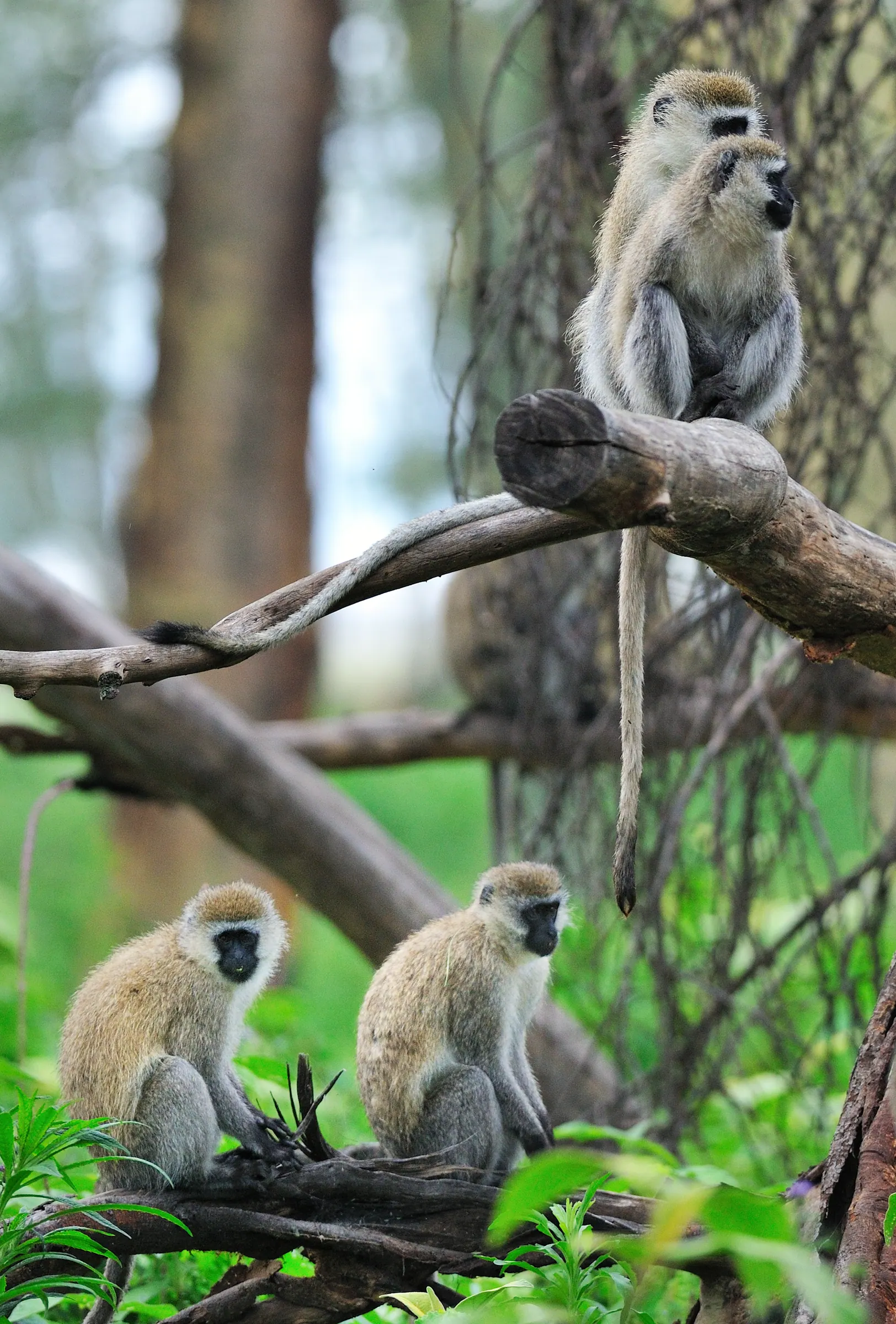
Kakamega is the eastern edge of the great rainforest belt that once stretched across central Africa, stranded in Kenya's western highlands. That history is why its butterflies, like its birds and monkeys, include species you would otherwise have to go to Uganda or the Congo basin to see. The best way to see them is slowly: walk the forest tracks and glades with a guide from one of the local guide associations, stop at sunny clearings and stream crossings, and look at the ground as much as the canopy. Charaxes, the strong-flying emperors, come down to fermenting fruit and dung. Swallowtails glide along the tracks. Forest acraeas and the delicate forest pierids flicker through the light gaps. Plan at least one full morning, and stay overnight near the forest if you can, so you are there at the best hour. Our Kakamega Forest page covers the reserve, fees and getting there.
Arabuko-Sokoke and the Kipepeo project
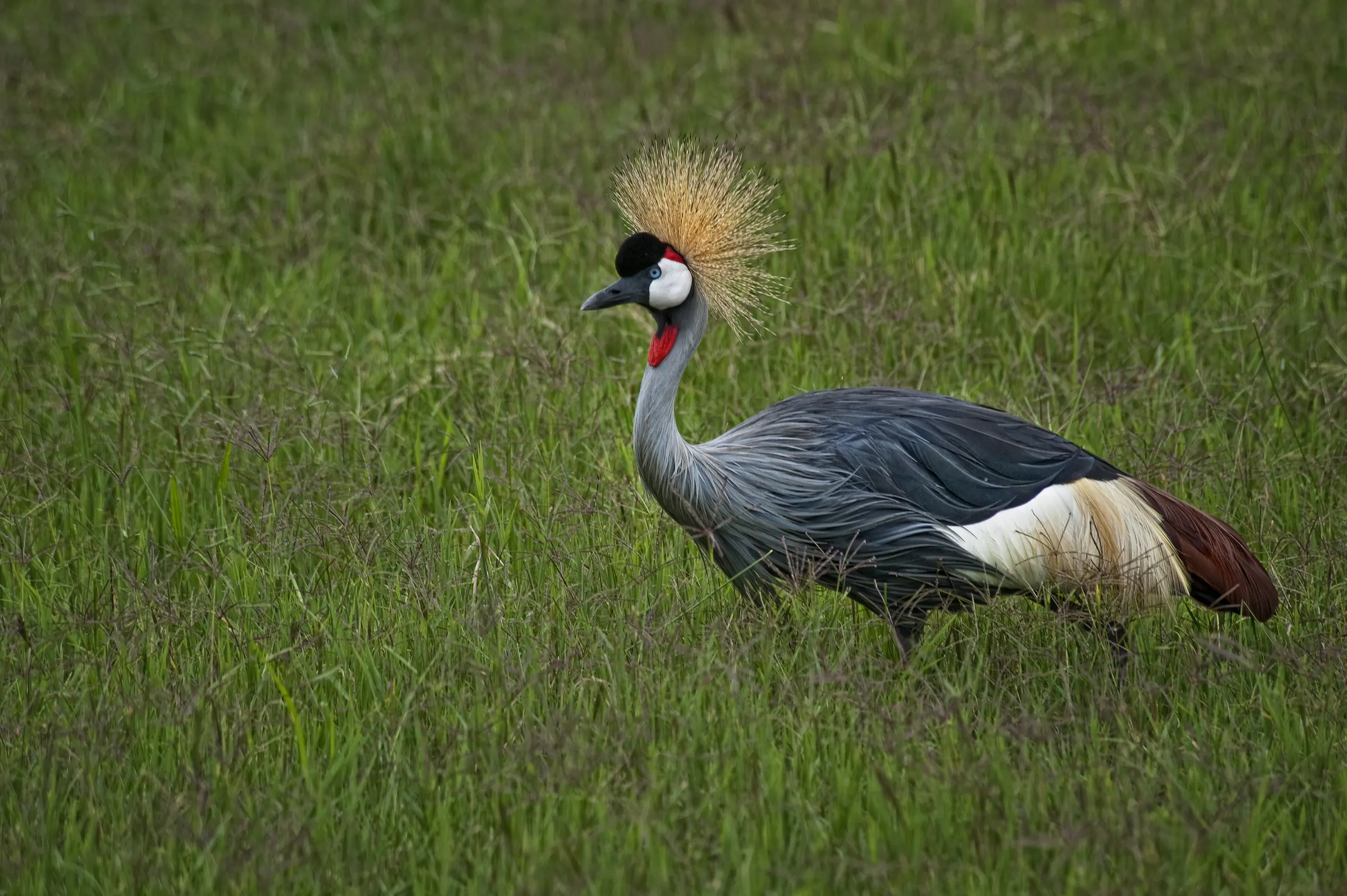
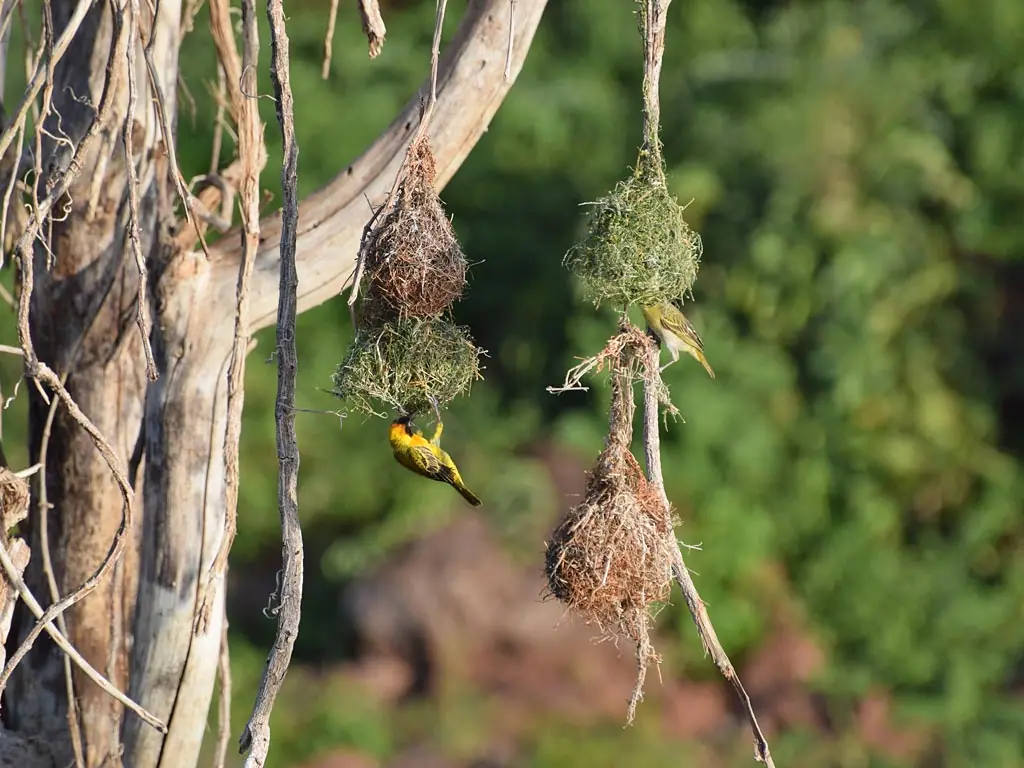
Arabuko-Sokoke, on the north coast between Kilifi and Malindi, is a remnant of the coastal forest that once ran along the East African shore. It is famous among birders for the Sokoke scops owl and Clarke's weaver, and for the golden-rumped sengi, a long-nosed forest mammal. The forest is surrounded by farms, and pressure on it for timber and land has been intense. The Kipepeo project, whose name simply means butterfly, was set up in the 1990s to give the forest's neighbors a reason to protect it. Farmers living on the forest edge collect butterfly eggs and caterpillars, raise them on forest food plants and sell the pupae, which have been exported to live butterfly exhibits overseas. A healthy forest means more butterflies, and butterflies mean income. A visit to the butterfly house near the Gede ruins shows how it works, and it is an easy hour to add to a Watamu stay.
Butterflies worth knowing
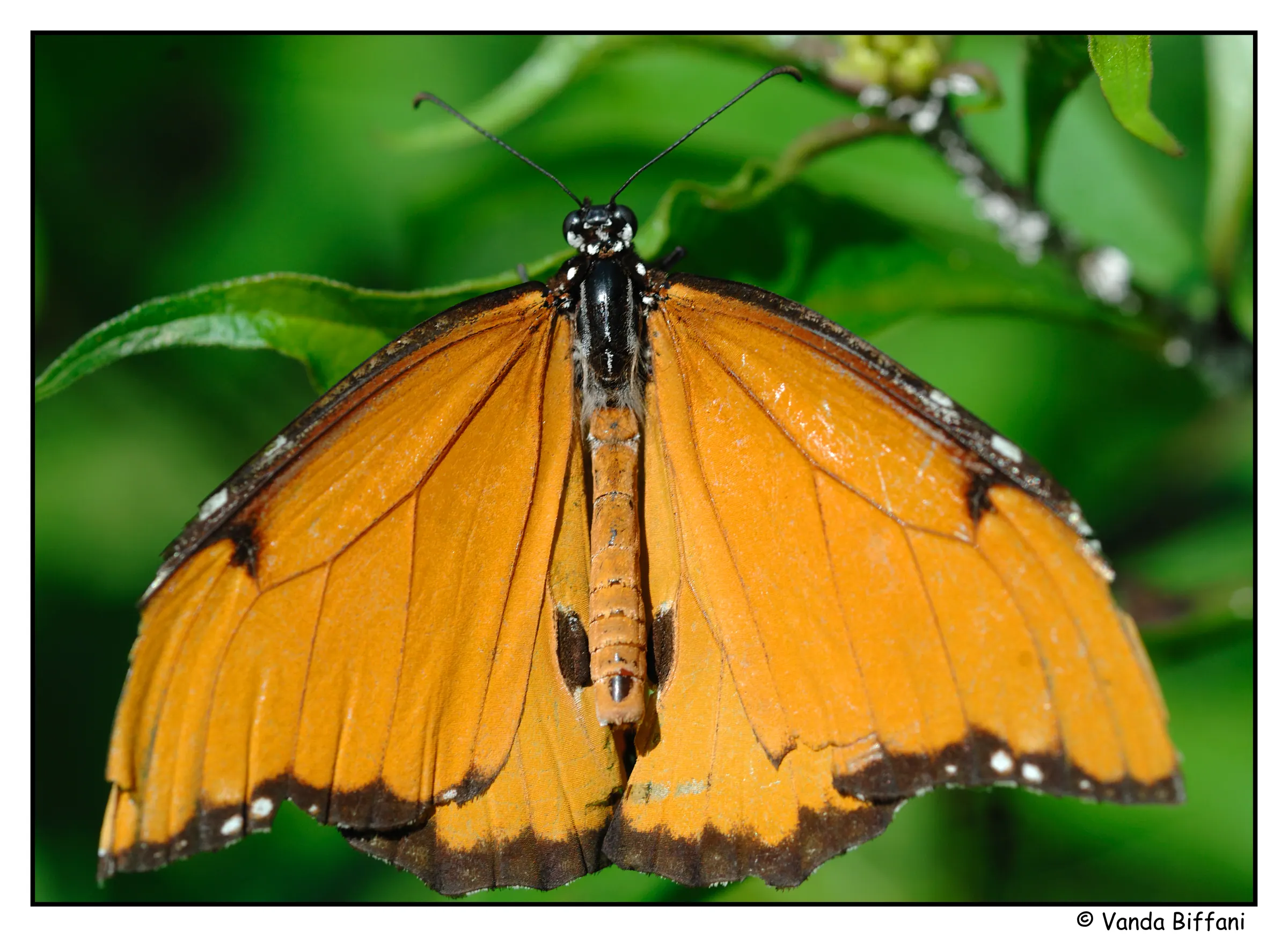
- African monarch, or plain tiger: orange with black and white wing tips, common everywhere, and poisonous to birds thanks to the milkweed plants its caterpillars eat.
- Mocker swallowtail: the males are pale yellow with tails; the females mimic poisonous species and can look like entirely different butterflies.
- Citrus swallowtail: big, black and yellow, often in gardens and lodge grounds, where its caterpillars feed on citrus.
- Charaxes or emperors: fast, powerful forest butterflies that feed on fruit, sap and dung, the stars of Kakamega.
- Acraeas: slow-flying, orange and red butterflies that taste foul to predators and are widely copied by other species.
- Whites and yellows: the commonest butterflies of the savanna, sometimes moving in great streams across the country after the rains.
- Blues and coppers: tiny, fast and easy to miss, many with caterpillars tended by ants.
Behavior to watch for
Mud-puddling is the easiest to see: groups of butterflies, mostly males, drink from damp sand and mud to collect salts they pass to females when they mate. Hilltopping is another: males of many species gather on summits and ridges to wait for females, so a forest hill on a sunny day can be busy. Mimicry is everywhere once you know to look, with harmless species copying the colors of poisonous ones. And after good rains, white butterflies sometimes travel across the country in loose streams that can last for days, all heading the same way.
How to watch and photograph butterflies
- Go out on a sunny morning after rain, from about 9am, when butterflies have warmed up but the heat is not yet too strong.
- Bring close-focusing binoculars if you have them; many models focus down to two meters or less.
- A macro lens or a zoom with a close-focus setting works best. Approach slowly, keep your shadow off the butterfly and shoot at its level.
- Watch damp patches, flowering shrubs and fallen fruit, and wait: butterflies return to the same spots.
- Never catch or handle butterflies in a reserve; collecting needs a permit.
When to go
Butterflies follow the plants. Numbers and variety rise during and just after the long rains, roughly April to June, and the short rains, roughly November to January, when food plants flush and flowers bloom. Kakamega is wet for much of the year anyway, and butterflies are about in every month, but the mornings after a night of rain are the ones to set your alarm for. Dry-season savanna has fewer species, though the river crossings and swamps still draw them.
Conservation
Most of Kenya's butterflies are widespread and not threatened, but the forest specialists depend entirely on forests surviving. Kakamega and Arabuko-Sokoke have both lost ground to farms and logging over the past century, and what remains is protected by the Kenya Forest Service, Kenya Wildlife Service and community groups. Projects like Kipepeo show one way forward: giving the people who live beside a forest a direct income from keeping it standing. Your entry fees and guide fees at both forests feed into the same effort.
Trips where you will see them
For butterflies at their best, a western Kenya trip with two nights near Kakamega, combined with Lake Victoria and Kisumu, is ideal, and it suits birders too. On the coast, a Watamu beach stay with a morning in Arabuko-Sokoke and the Kipepeo house brings butterflies into any safari-and-beach trip. Tell us when you are traveling and we will plan the forest mornings around the rains.