Parks and reserves. Updated November 2026. 3 min read.
You usually hear the golden-rumped sengi before you see it: a rustle in the dry leaves, a pause, then a squirrel-sized animal with a long, twitching nose and a bright gold patch on its rump trots across the path. It is an elephant shrew, and it lives almost nowhere on earth except this forest. Arabuko-Sokoke is full of creatures like that, and it starts fifteen minutes from the beaches of Watamu.
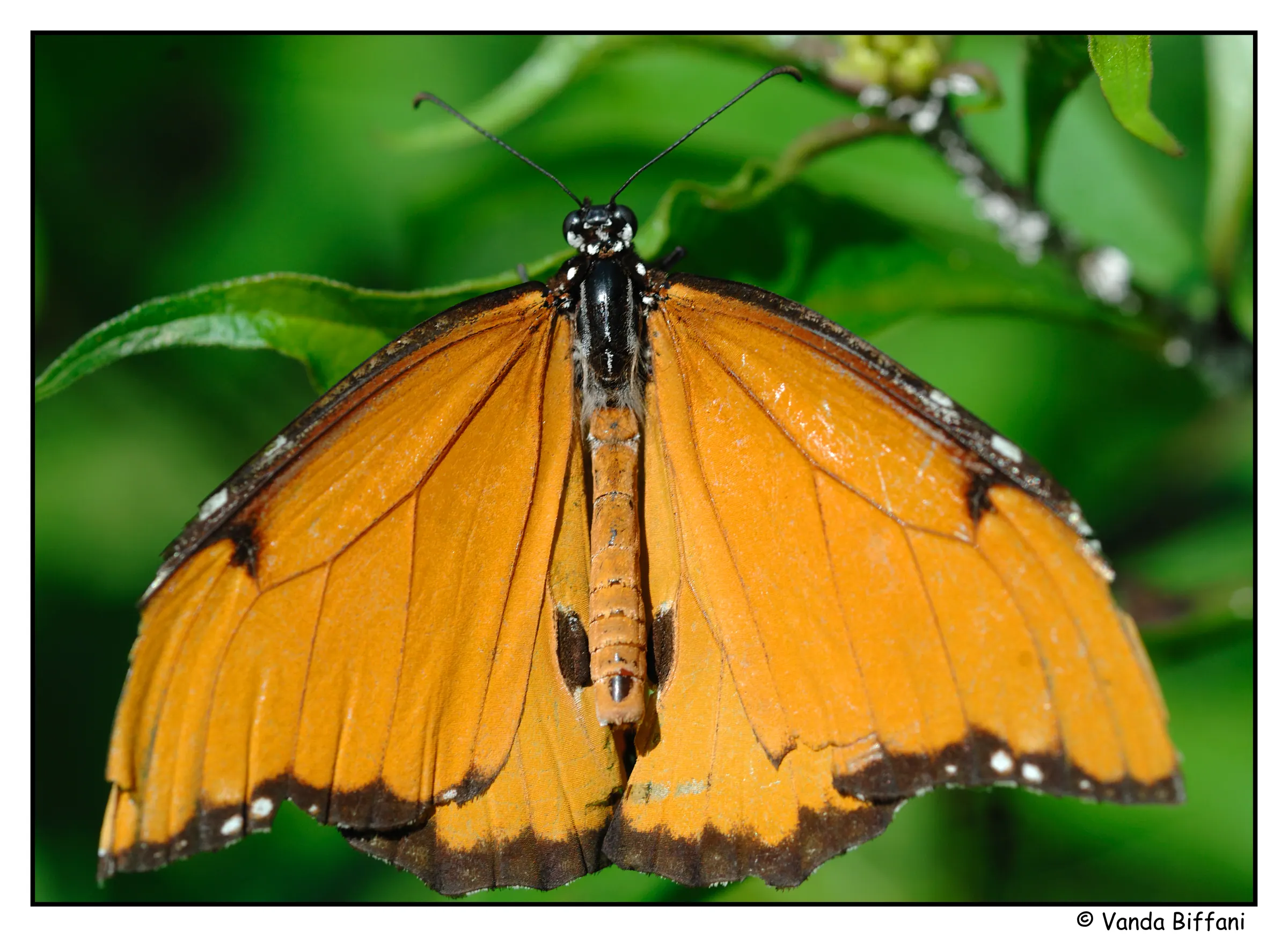
Arabuko-Sokoke is the largest remaining block of coastal dry forest in East Africa, about 420 square kilometers in Kilifi County, between Kilifi and Malindi. It shelters birds and mammals found almost nowhere else, a population of elephants, and hundreds of butterfly species. For birders it is one of the essential sites in Kenya; for everyone else, a dawn walk with a forest guide is one of the best mornings you can add to a beach stay. It is an easy morning from Watamu or Malindi.
Who runs it
The forest is a gazetted forest reserve managed by the Kenya Forest Service, with Kenya Wildlife Service responsible for its wildlife and a small national park section, working with the Kenya Forestry Research Institute, the National Museums of Kenya and community groups. You pay an entry fee at the visitor centre at Gede, on the main Mombasa to Malindi road. It is set by the managing agencies and is not in the main park fee tables, so check the current rate when you book; on our trips it is included.
Three forests in one
- Mixed forest: tall trees on grey soils near the visitor centre, the best area for many forest birds and the sengi
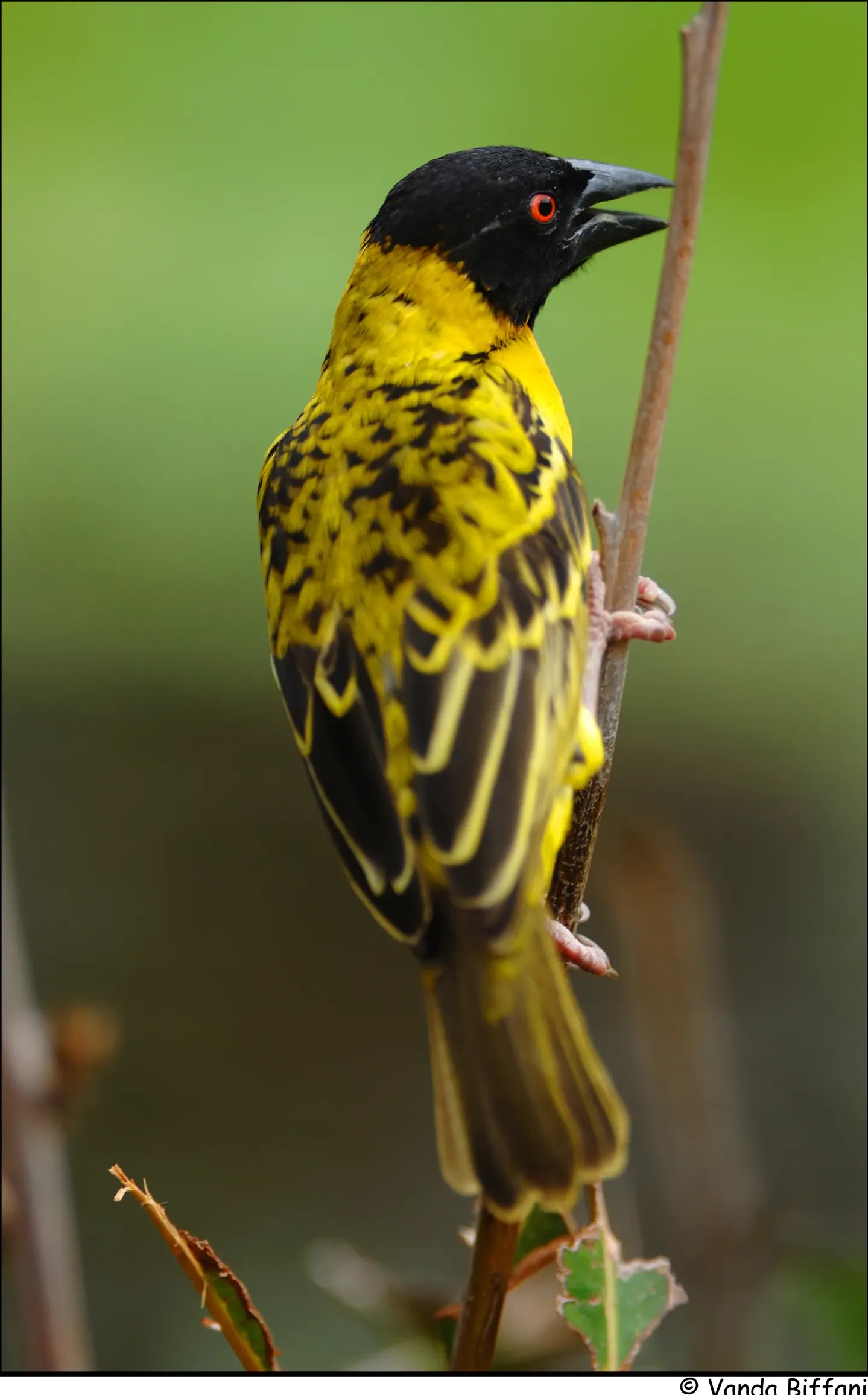
- Brachystegia woodland: open, sandy and lighter, home to Clarke's weaver and the Sokoke pipit
- Cynometra thicket: dense, low forest on red soils, where the tiny Sokoke scops owl roosts
What lives here
| Species | Why it matters | How to see it |
|---|---|---|
| Sokoke scops owl | One of Africa's smallest owls, with a tiny range | A guide finds its day roost, or listen for it at dusk |
| Clarke's weaver | Found only in Kenya, mainly in this forest | Flocks in the Brachystegia canopy; a guide helps |
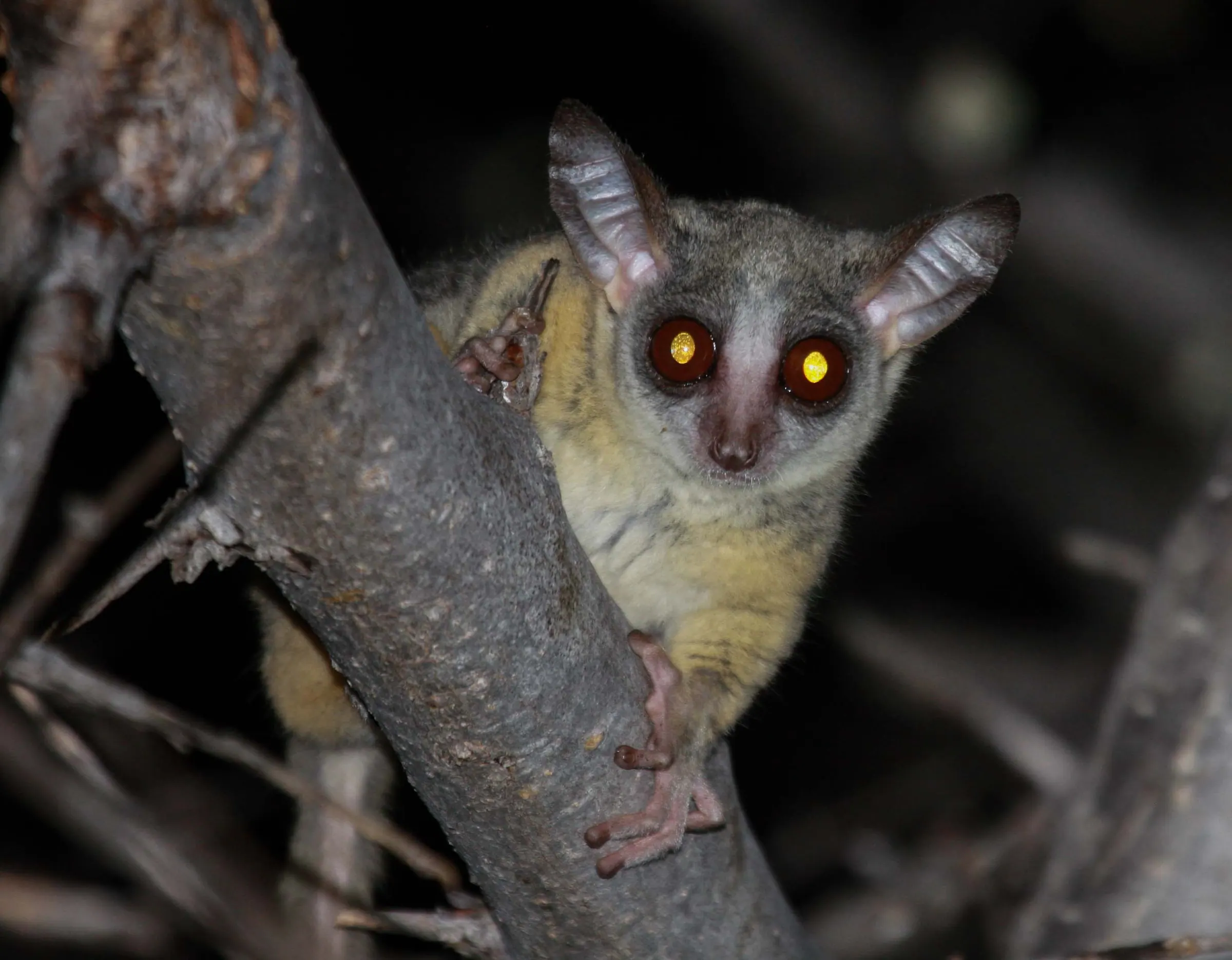
| Golden-rumped sengi | An elephant shrew found almost only here | Walk slowly on mixed-forest paths in the morning |
| Ader's duiker | One of Africa's rarest small antelopes | Very rarely seen; count yourself lucky |
| Sokoke pipit and Amani sunbird | Coastal-forest specialists | Brachystegia woodland, with a guide |
| Elephants | A forest population, behind an electric fence | Signs are common, sightings less so |
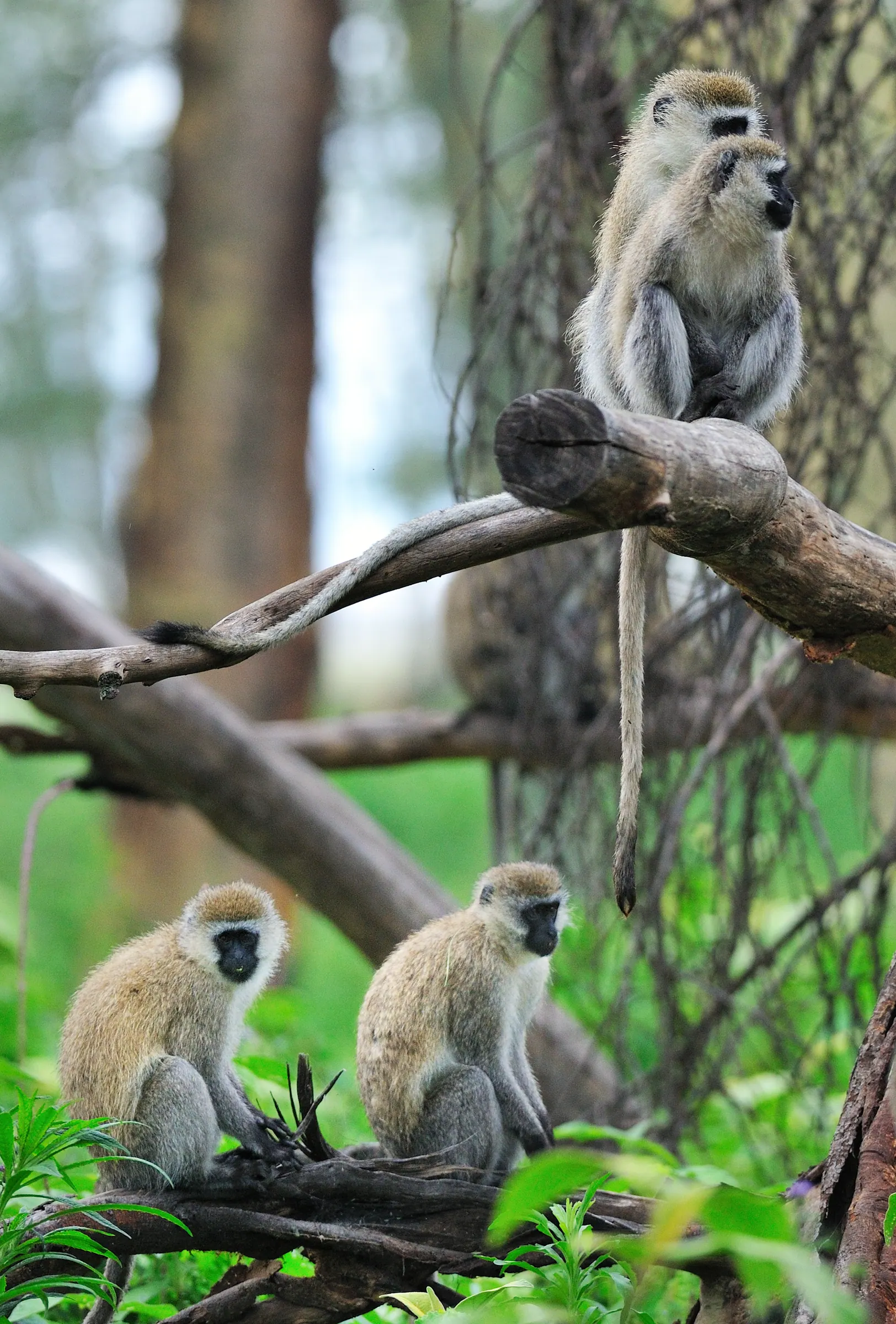
Butterflies are everywhere in the wet months, and bushbabies, Sykes' monkeys and red-bellied coast squirrels are common. Our birdwatching and butterflies pages explain where Arabuko-Sokoke fits among Kenya's best sites.
Trails, tracks and the Nyari viewpoint
Sandy tracks run through the forest for vehicles and cyclists, and short nature trails start at the visitor centre. The Nyari viewpoint, on a rise in the forest, looks out over an unbroken green canopy toward Mida Creek and the ocean; go in the late afternoon for the light. Some tracks need four-wheel drive, especially after rain. For birds, walk rather than drive: the forest rewards slow, quiet movement.
Kipepeo: butterflies that keep the forest standing
Families living along the forest edge raise butterfly pupae through the Kipepeo project, kipepeo being Kiswahili for butterfly, and the pupae are sold to live butterfly exhibits abroad. It gives households an income from a standing forest rather than from cutting it, and visitors can see the work near Gede. It is a small, smart piece of conservation worth supporting.
When to go and how long
Go at dawn, when the birds are calling and the heat has not yet built. The forest is open all year. The long rains, roughly April to June, make tracks slippery and some areas hard to reach, but the forest is at its greenest. From about October to April, migrant birds add to the residents. A half day is enough for a first visit; serious birders give it two mornings, one in each forest type.
Fitting it into a coast stay
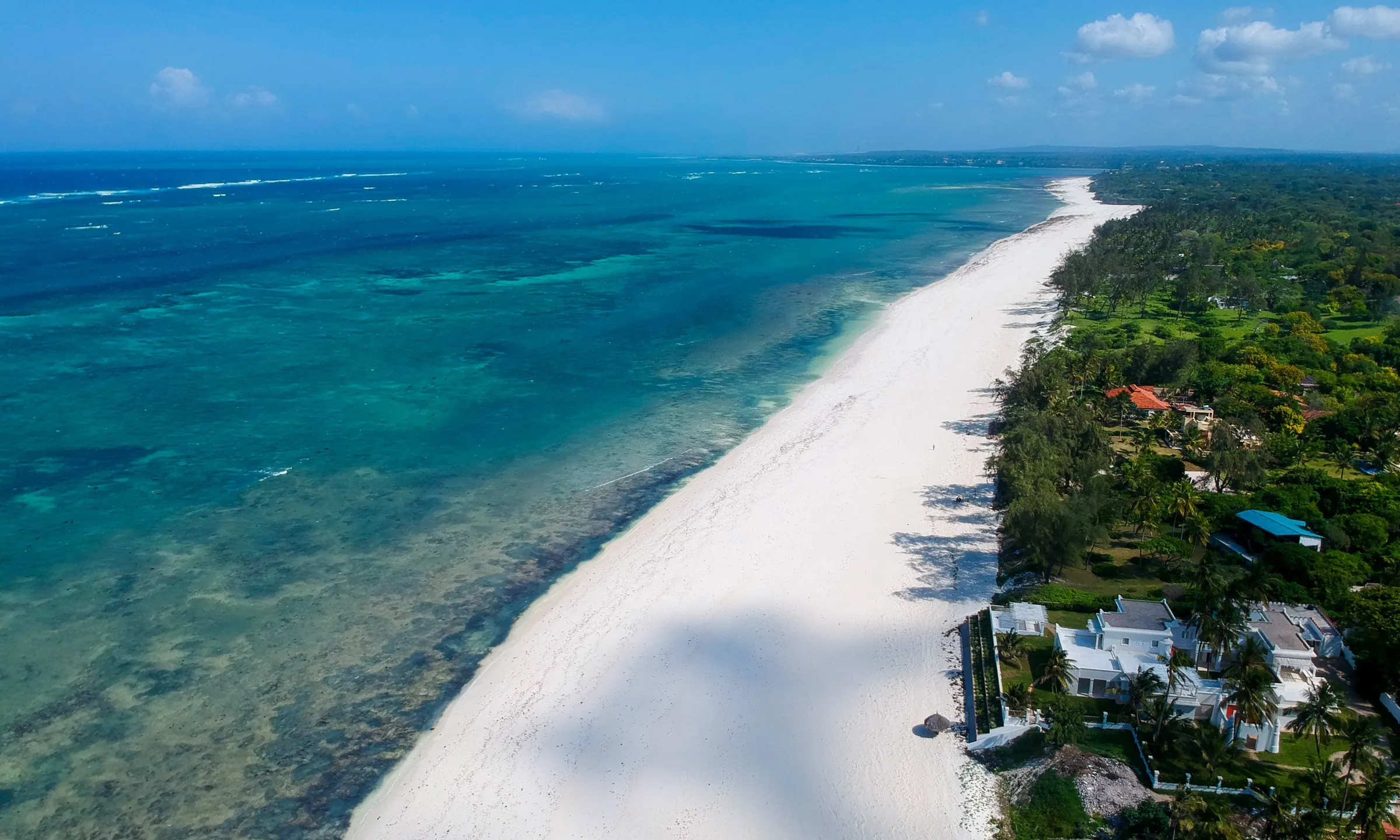
The Gede ruins, a Swahili town abandoned centuries ago, sit just across the road from the visitor centre, and Mida Creek's boardwalk is a short drive away, so all three fit into one rich day. Our Watamu and Malindi guide covers the whole area, and the Watamu Marine National Park page covers the reef. We arrange forest guides, vehicles and timing as part of any Watamu stay, and you can pay in full or monthly with no deposit.