Wildlife. Updated November 2026. 6 min read.
A wildebeest calf can stand within minutes of being born and run with the herd soon after. A lion cub takes about two years to learn to hunt. Between those two extremes is almost everything you will see on a Kenyan safari, and timing your trip for the young ones is one of the quiet secrets of planning well.
The short answer: you can see young animals in every month in Kenya, because many species breed all year. The richest time is the green season, roughly November to March, when the short rains bring fresh grass and many grazers drop their young. Wildebeest calving is the headline event, but it mostly happens in Tanzania's Serengeti from about January to March. In Kenya, the Mara's resident herds and the Loita wildebeest calve in roughly the same window, impala births cluster around November to January, and lion cubs, cheetah cubs, elephant calves and giraffe foals turn up whenever they turn up.
The calving calendar
| Animal | When young are most likely | Where in Kenya | Good to know |
|---|---|---|---|
| Wildebeest | About January to March; the big Serengeti calving peaks in February | Mara resident and Loita herds; the migration herds calve in Tanzania | Calves stand in minutes and run with the herd within a day |
| Impala | Many births around November to January | Mara, Nakuru, Laikipia, Samburu, Nairobi National Park | Mothers hide newborns, then form nursery herds |
| Topi, gazelles, hartebeest | Spread through the year, with peaks around the rains | Mara plains, Amboseli, Nairobi National Park | Thomson's gazelle fawns lie flat and still in the grass |
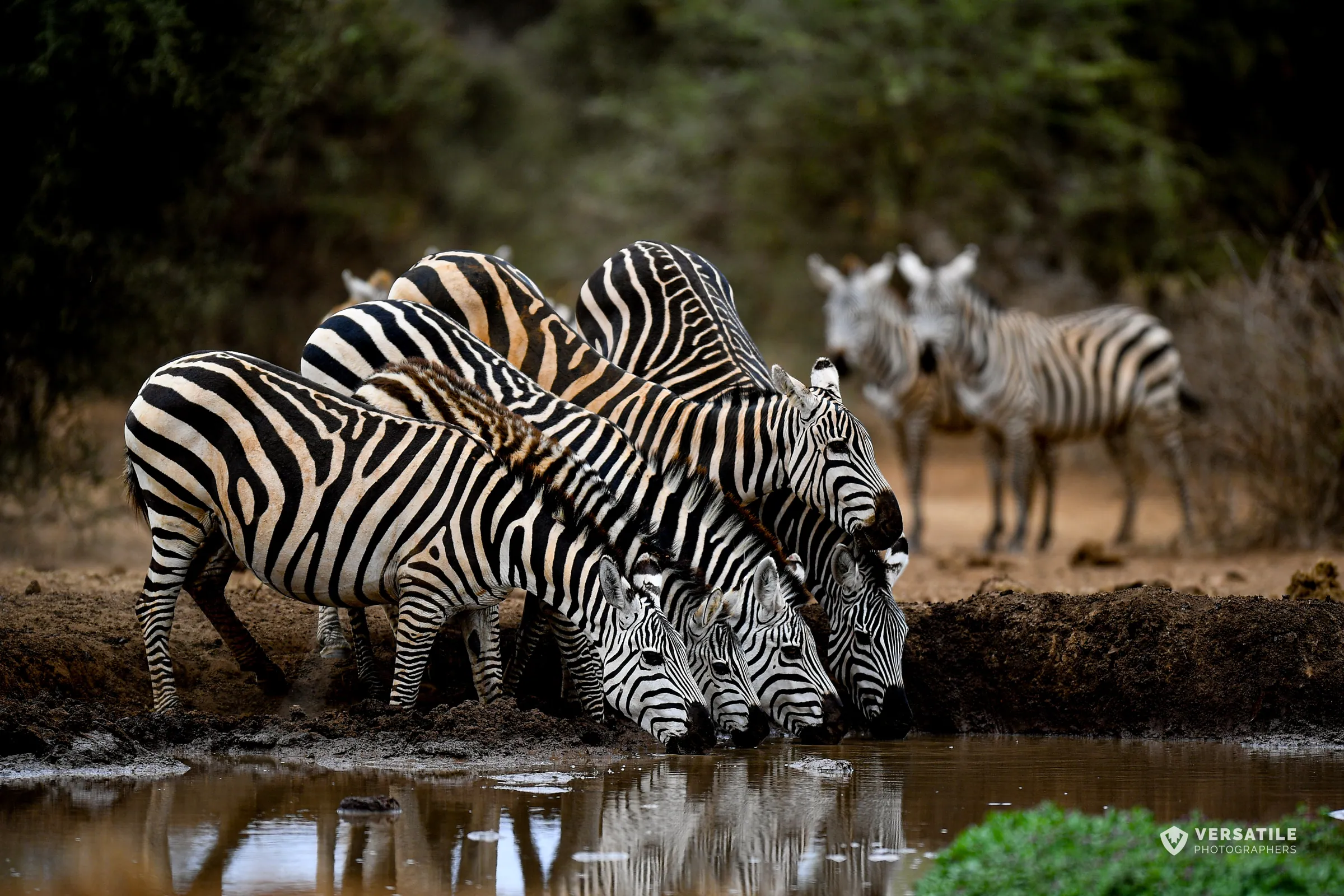
| Zebra | All year, with more foals in and after the rains | Mara, Amboseli, Laikipia; Grevy's in Samburu and Lewa | Foals are brown-striped and fluffy at first |
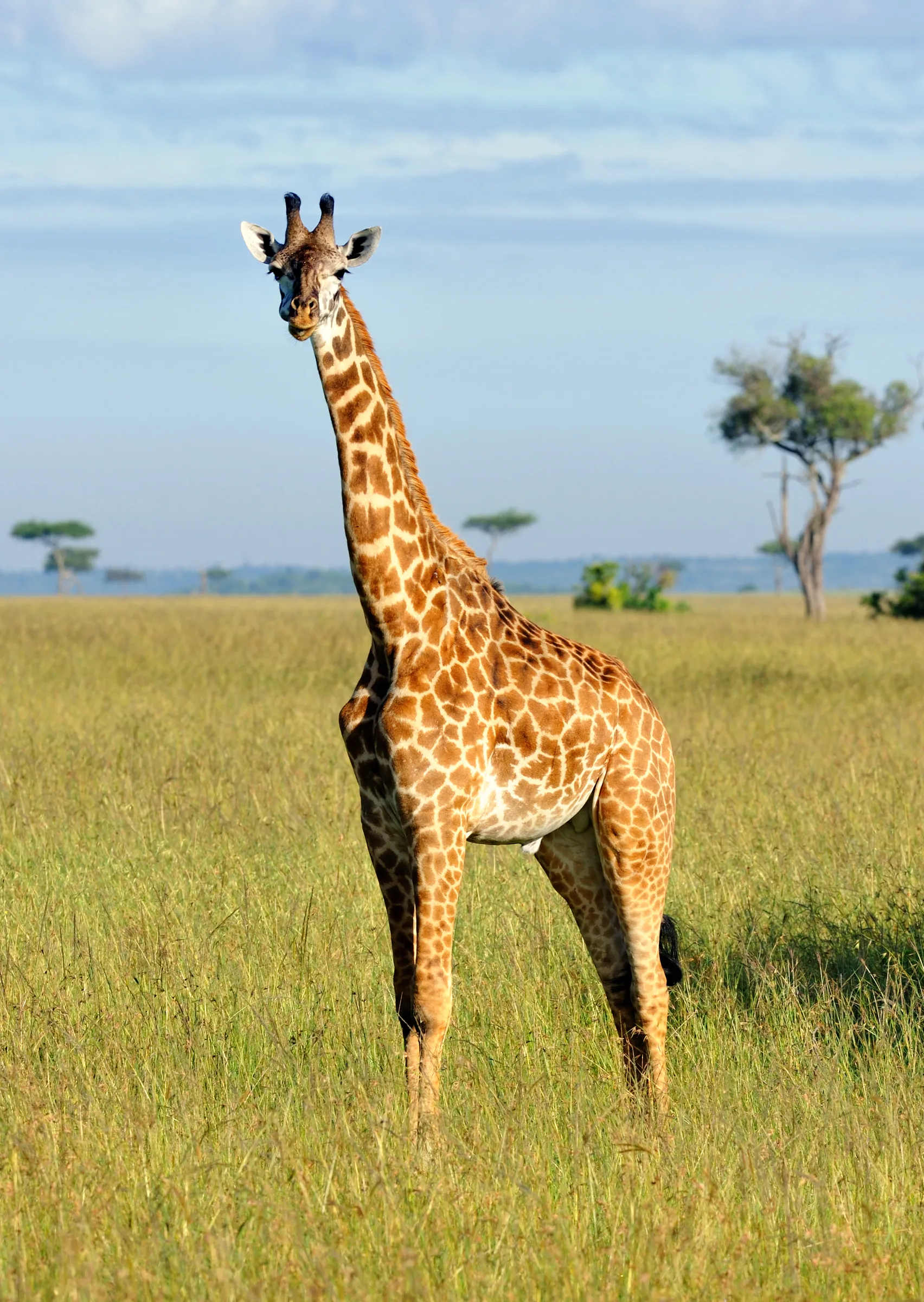
| Giraffe | All year | Mara, Amboseli, Nakuru, Samburu, Laikipia | A calf drops about two meters at birth and stands within an hour |
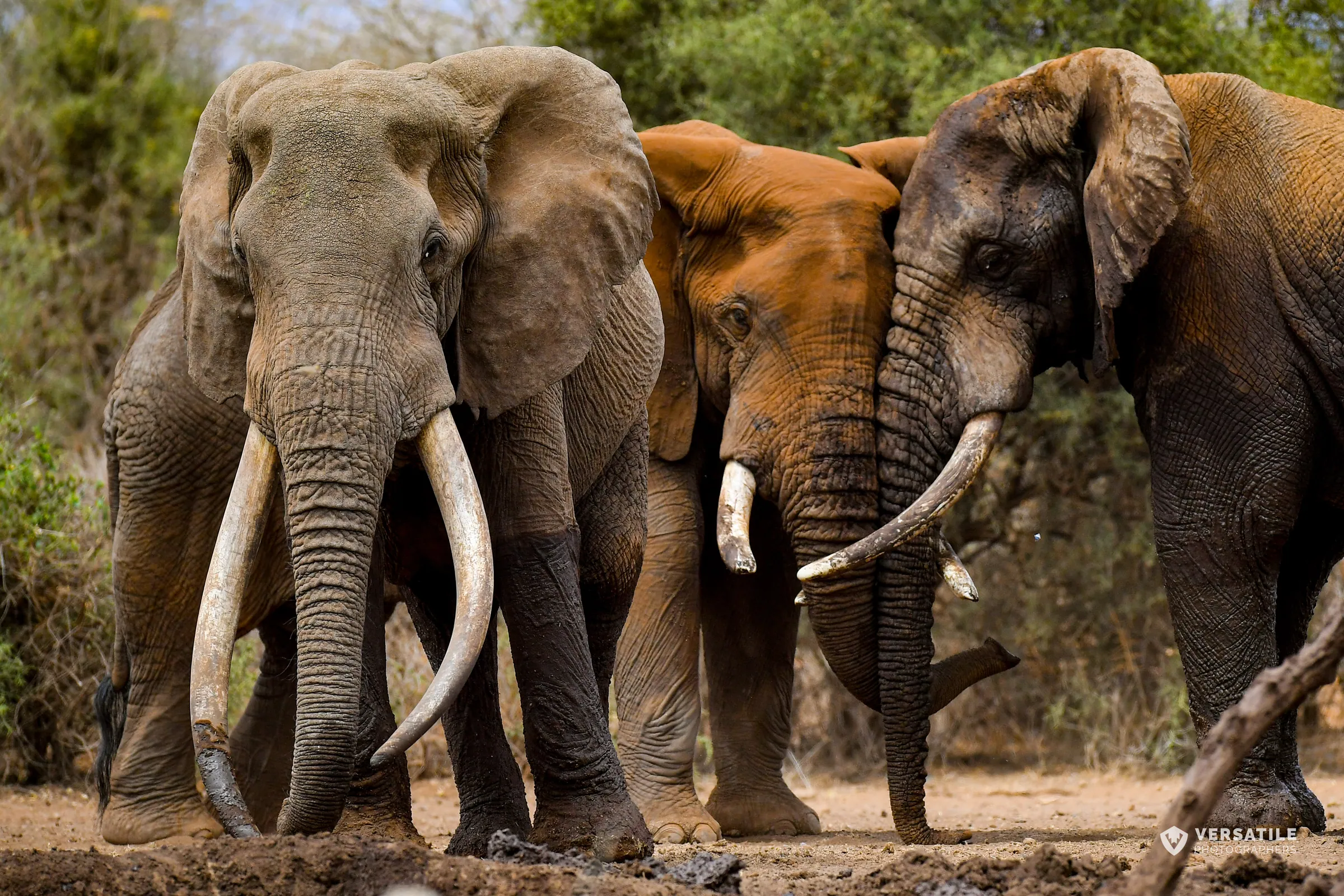
| Elephant | All year; more calves after years of good rain | Amboseli, Tsavo, Samburu, the Mara, Laikipia | Pregnancy lasts about 22 months, so rain two years earlier matters |
| Lion | All year; females in a pride often give birth around the same time | Mara and its conservancies, Laikipia, Amboseli | Cubs stay hidden for about two months before joining the pride |
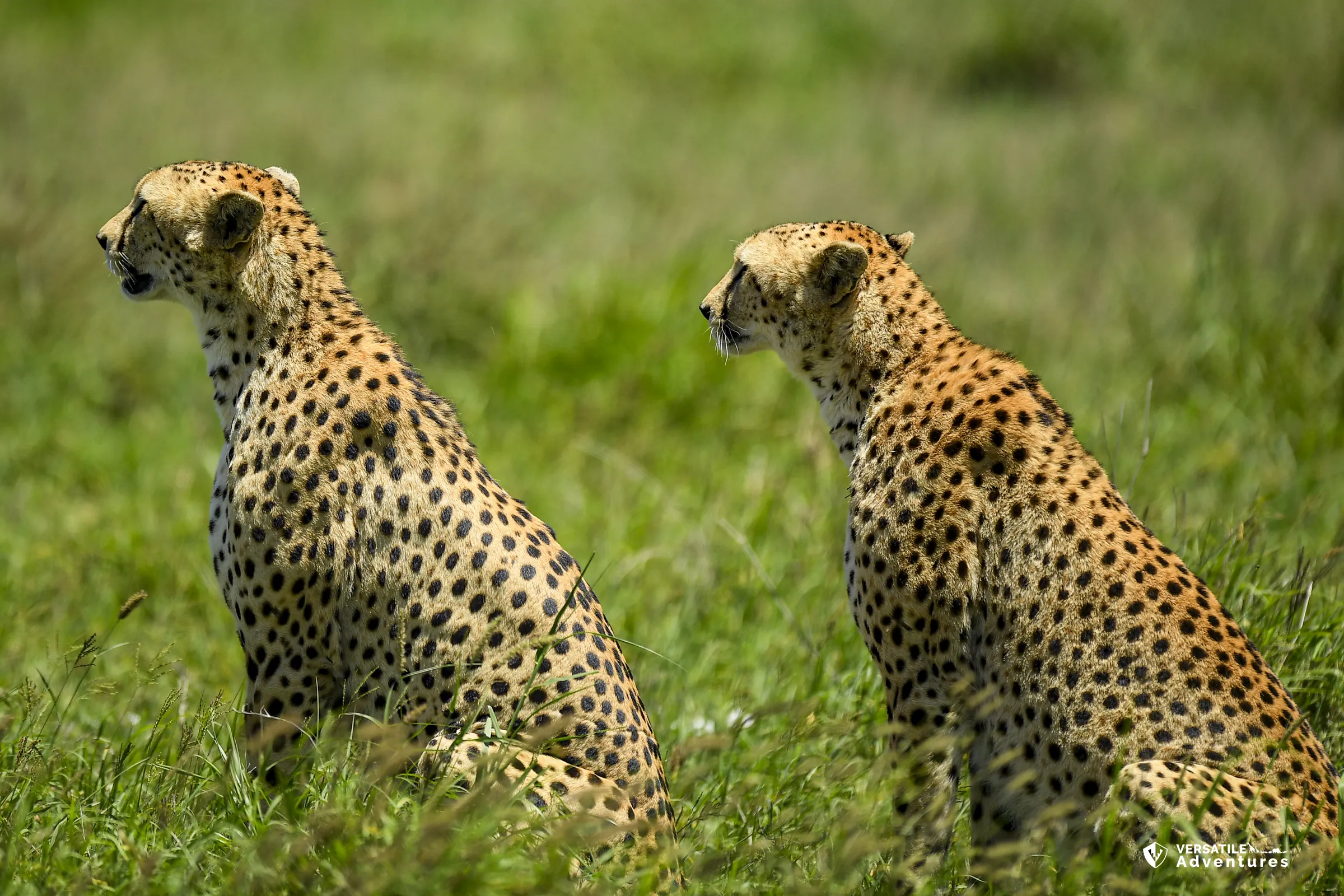
| Cheetah | All year | Mara conservancies and plains | Mothers move small cubs between hiding places every few days |
| Sea turtles | Nest monitoring and hatching roughly March to August on the north coast | Watamu | Releases happen with conservation groups, not on demand |
Wildebeest calving: Kenya's part of the story
The great migration's calving happens on the short-grass plains of the southern Serengeti, in Tanzania, from about January to March, when hundreds of thousands of calves are born within a few weeks and predators gather to take advantage. That is a Tanzania trip. Kenya's share is smaller and quieter: the resident wildebeest of the Mara and the Loita plains to the northeast calve in roughly the same months, so a Mara conservancy in February can still give you young wildebeest, along with far fewer vehicles than in the migration months. Our wildebeest page explains the herds and their movements in detail.
Impala, gazelles and the other grazers
Impala are the animals you see every day on safari, and in the weeks around November to January many of them give birth. Mothers leave newborns hidden for the first days, then the young join nursery groups of dozens of lambs watched over by a few females. Thomson's and Grant's gazelles, topi and hartebeest give birth across the year, with more young around the rains. A gazelle fawn's strategy is to lie flat and still in the grass while its mother grazes some distance away, so your guide may point out a tiny head you would never have seen. Do not ask to approach: the mother is watching, and her calf's safety depends on staying hidden.
Elephant calves
Elephants are pregnant for about 22 months, the longest of any land mammal, so the number of calves in a given year reflects the rains of two years before. After good rain years, Amboseli, Tsavo and Samburu fill with tiny calves who walk under their mothers' bellies, trip over their own trunks and are fussed over by every female in the family. A newborn can weigh around 100 kilograms. Watch how the family moves at the calf's pace, and how the matriarch places herself between the young and your vehicle. Our elephant page covers where to see the big herds.
Lion and cheetah cubs
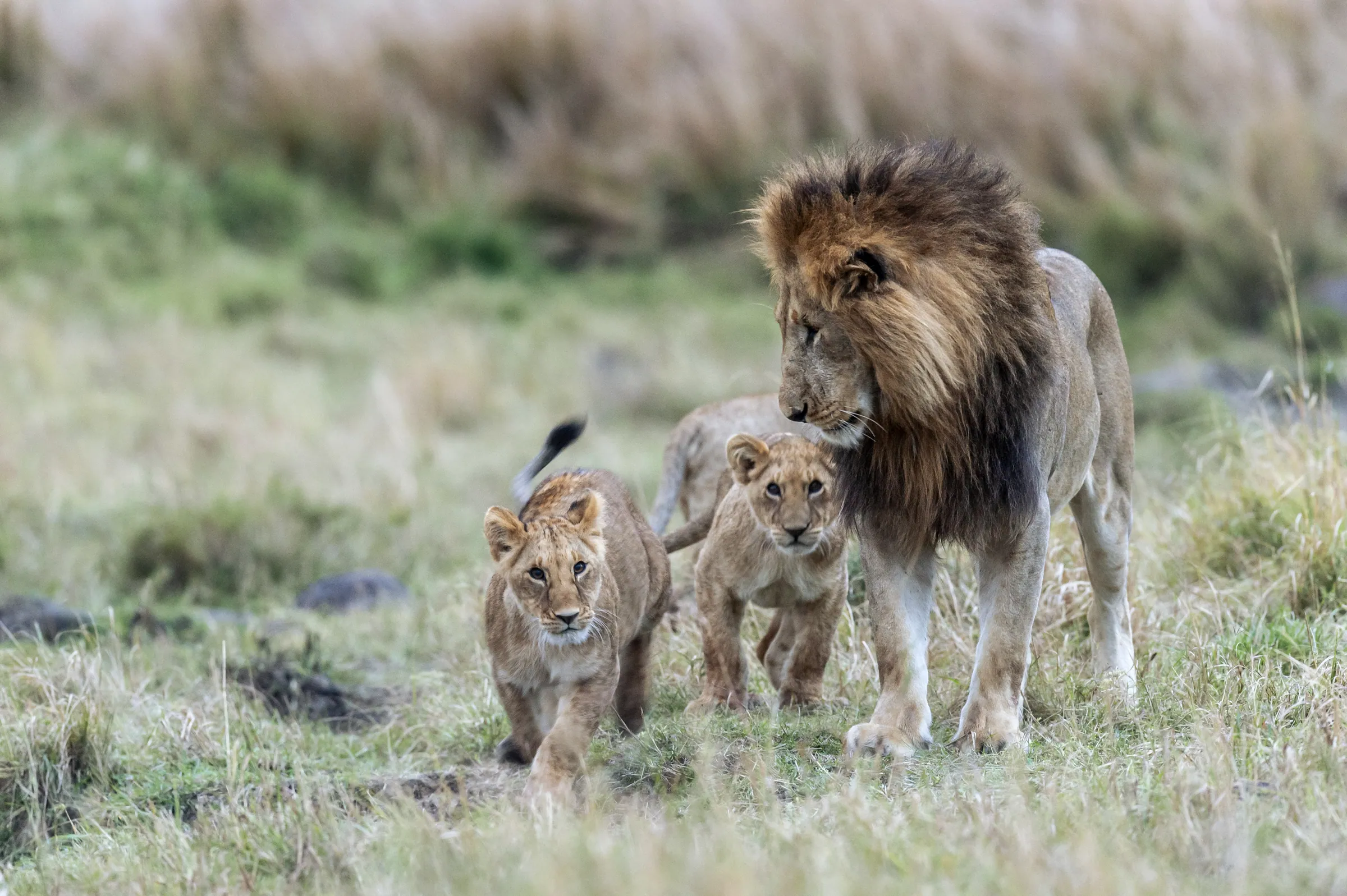
Big cats breed at any time of year. Lionesses give birth in a hidden den and bring the cubs out to meet the pride at about two months, and the females of a pride often give birth around the same time, so cubs grow up in a creche and nurse from more than one mother. The Mara and its conservancies are the most reliable places in Kenya for lion cubs, because guides follow the same prides daily. Cheetah mothers raise their cubs alone and move them between hiding places every few days when they are small; a cheetah family on an open plain, cubs still wearing the silvery mantle of fur on their backs, is one of the great sights of the Mara conservancies. Survival is hard: many cheetah cubs do not reach adulthood, which is why conservancy rules on distance and vehicle numbers around dens matter so much.
Others worth watching for
- Hyena cubs at clan dens in the Mara, almost black when young and curious about vehicles.
- Baboon infants riding on their mothers' backs like jockeys, from the Mara to Nakuru.
- Warthog piglets trotting in a line behind their mother with tails up.
- Giraffe calves in nursery groups, sometimes left with one adult while the others feed.
- Birds nesting in the rains: weavers building and rebuilding their hanging nests, ostriches with a line of chicks.
- Hatchling sea turtles on Watamu's beaches in season, released by conservation teams.
The case for the green season
The months when most young animals appear are also the months many travelers avoid. November and December bring the short rains, usually afternoon showers rather than all-day rain, and January to March are warm, green and often dry. Lodge prices in much of this window are lower than in the July to October peak, outside the Christmas and New Year weeks, and vehicles at sightings are fewer. The grass is fresh, the light is clear after rain, predators are busy with easy prey, and the young ones are everywhere. Our month-by-month pages explain what each month is like in each region.
Watching young animals well
- Keep your distance from dens and hiding places, and let the guide follow the conservancy rules on time and numbers.
- Never ask a guide to drive toward a hidden calf or fawn, or to separate a young animal from its mother.
- Stay quiet and keep the engine off when a mother is nursing or moving cubs.
- Accept what happens: a calf taken by a predator is hard to watch, but it feeds another family and is part of how the system works.
- Do not use flash or spotlights on young animals, even at night.
Photographing baby animals
Young animals are small and often half hidden, so a 400 mm lens or longer helps. Shoot from a low window to get eye level with a cub or calf, and look for the interaction between mother and young: grooming, nursing, a calf leaning on a leg. Morning and late afternoon light is warmest, and the green season backgrounds of fresh grass and storm clouds are a gift. Be patient. Cubs play in bursts, and the best frame usually comes after the first ten minutes.