Study in Kenya. Updated November 2026. 5 min read.
Kenya is in the middle of the biggest change to its schools in a generation. The Competency-Based Curriculum, known everywhere as CBC, has replaced the 8-4-4 system, and in January 2026 the first CBC students entered senior school. For a school of education, that makes Kenyan classrooms a live case study in curriculum reform: teachers retraining mid-career, assessment moving from one big exam toward continuous work, and all of it happening in classes that are often far larger than American ones.
In short: a teacher education exchange runs 10 to 14 days, mostly in schools in Nairobi and the Rift Valley, with sessions at a teacher training college and policy briefings where hosts agree. Pre-service teachers observe and co-teach alongside Kenyan teachers, never instead of them. We build the program with your faculty, approach the schools, handle consent and safeguarding and run the logistics. Our guide to Kenya's school system explains the structure; this page is about bringing education students into it.
Who it is for
- Schools and colleges of education with pre-service teachers
- Graduate programs in curriculum, comparative and international education
- In-service teacher groups and district professional development programs
- Special education and educational leadership programs
What students learn
- How CBC is structured, 2-6-3-3-3 from pre-primary to university, and what competency-based means in a Kenyan classroom
- Learner-centered teaching with large classes and few materials: group work, local resources and project-based assessment
- Assessment reform: school-based assessment, the Grade 9 national assessment and senior school pathways
- The teaching profession: how the Teachers Service Commission hires, posts and appraises teachers, and what teachers earn and expect
- Language in school: English, Kiswahili and the language of the local community in early grades
- Inclusion and special needs with limited resources, and boarding school life
Schools and hosts, by type
Named bodies are examples of Kenya's education system, not partners of ours. We approach schools and colleges for each program, with the consent of each head teacher and the county education office.
| Type | Examples | What students do |
|---|---|---|
| Public primary and junior schools | County schools in Nairobi and the Rift Valley | Classroom observation, co-teaching with the Kenyan teacher, staff-room discussions |
| Secondary and senior schools | Day and boarding schools | Senior school pathways, boarding life and school leadership |
| Teacher training | Teacher training colleges and university schools of education | Joint seminars and micro-teaching with Kenyan student teachers |
| Curriculum and policy | The Kenya Institute of Curriculum Development; the Teachers Service Commission | Briefings on CBC and the profession, where they agree |
| Special needs | Special schools and inclusive units | How inclusion works with limited resources |
| Rural schools | Schools near the Mara and in the Rift Valley | A rural school day with a community host |
A sample two-week outline
| Day | Where | Learning |
|---|---|---|
| 1 | Nairobi | Arrive at JKIA, transfer, welcome dinner |
| 2 | Nairobi | Orientation, safeguarding briefing and code of conduct; a lecture on Kenya's school system; Kiswahili for the classroom |
| 3 | Nairobi | A curriculum briefing where hosts agree; a teacher training college seminar |
| 4 to 5 | Nairobi | Two days in a partner primary and junior school: observation, then co-teaching with a Kenyan teacher |
| 6 | Nairobi | A senior school visit; a special needs school or inclusive unit |
| 7 | Naivasha | Drive about 2 hours; reflection and lesson planning with Kenyan student teachers |
| 8 to 9 | Rift Valley | Two days at a rural school: co-teaching, sport and a community conversation |
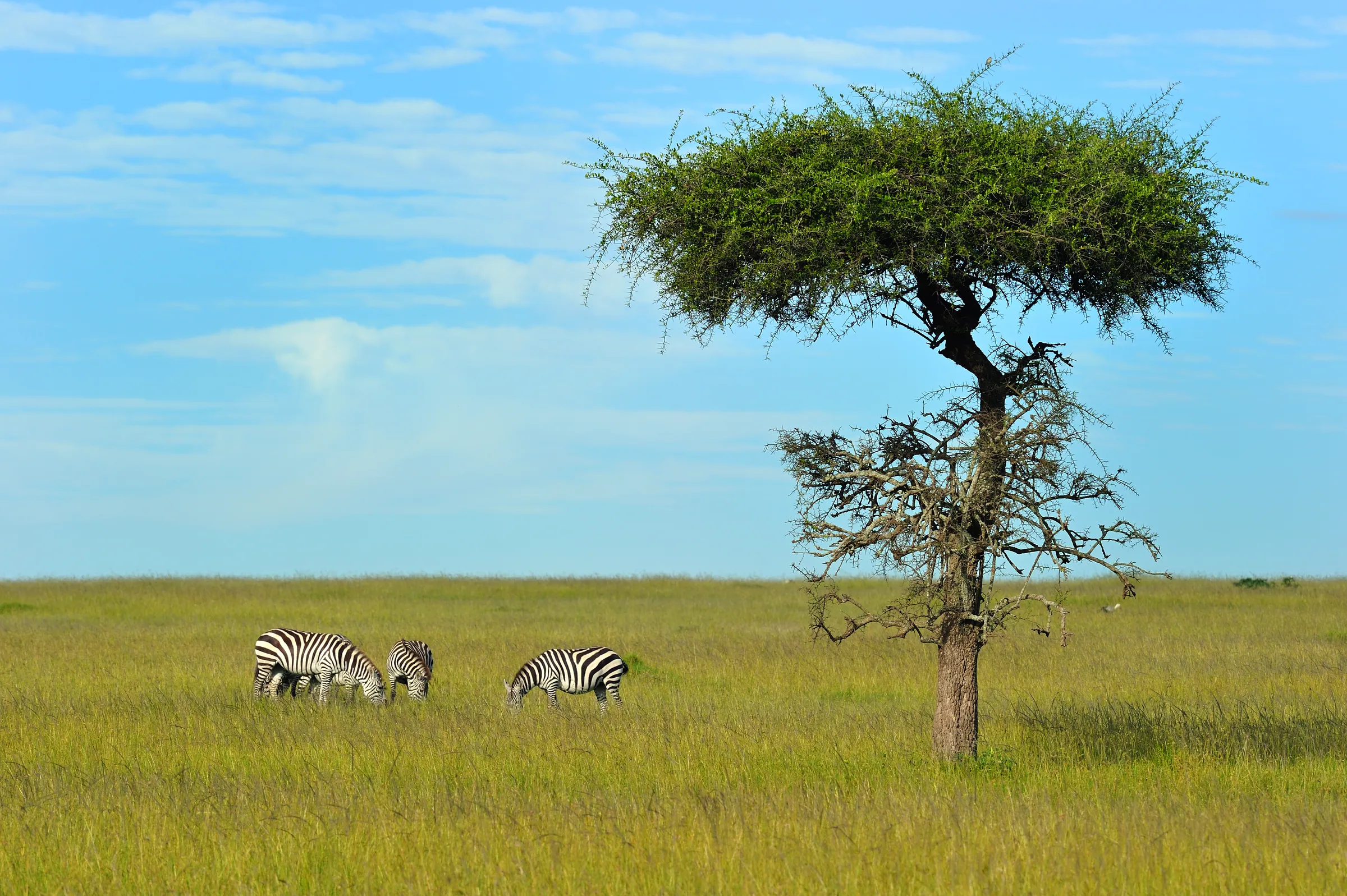
| 10 | Maasai Mara | Drive or fly to the Mara; the 10-day version returns to Nairobi instead |
| 11 to 12 | Maasai Mara | A conservancy school visit with a community host; game drives |
| 13 | Nairobi | Fly back; final reflection and presentations |
| 14 | Nairobi | Departure |
School visits done well
- We never drop into a school: every visit has the head teacher's consent and, where required, a letter from the county education office
- Visits run both ways: students teach a planned lesson with the Kenyan teacher and learn from theirs
- Students co-teach, never replace a teacher or take a class alone
- Gifts are what the school asks for, agreed in advance, never handed out to children
- No photographs of children posted online, and no visits to orphanages
- Every participant has a background check and signs our code of conduct; no adult is ever alone with a child
Permits and research
A study visit needs school and county consent, which we arrange. Research does more: classroom observation data, teacher interviews or student work collected for a thesis needs a NACOSTI research licence, from $300 for foreign undergraduates and $400 for master's students since October 1, 2026, plus Ministry of Education and school permissions. Our research permits page has the process.
Safety
Before you book, check the current U.S. State Department advisory for Kenya and confirm your travel insurance covers your route; universities often need their own approval for international travel. Students travel in our vehicles with our drivers, stay in lodging vetted for groups and have 24-hour staff and evacuation cover. Our school trip safety page sets out supervision and medical protocols.
When to go, and what it costs
Schools are in session roughly from January to early April, from late April or May to early August, and from late August to November, with national exams in the last term. January to March and late May to July are the best windows; avoid the exam weeks of October and November. Programs commonly run about $3,500 to $6,500 per student for two to four weeks on the ground, excluding international airfare, and a school-based program with mostly road travel sits toward the lower part of that range.
| Item | Guide figure | Notes |
|---|---|---|
| Ground program, 2 to 4 weeks | About $3,500 to $6,500 per student | Lodging, meals, transport, host fees and staff |
| International flight | About $900 to $1,600 round trip | From New York; more in peak months |
| Mara student park fee | $50 a day | With an institution letter and about two weeks' notice |
| Background checks | Through your institution | Required for every participant |
| Kenya eTA and inbound health insurance | $30 plus $44 | Per traveler, before departure |
Next step
Send us your program goals, the grade levels and subjects your students teach, dates and numbers. We reply with a draft program, the schools and colleges we would approach and an itemized budget. Students can pay in full or monthly, with no deposit.