Study in Kenya. Updated November 2026. 5 min read.
Painting a classroom that Kenyan painters could paint better is not service. Neither is an afternoon holding babies at a children's home, or a week of pre-med students taking blood pressure readings they are not licensed to take. Here is what useful service learning in Kenya looks like, what we refuse to run, and the questions to ask any provider, including us.
The short version: good service learning in Kenya is invited, supervised and long-term. A Kenyan school, community organization or conservancy names the need. Visitors work alongside Kenyans, not instead of them. Skilled work stays with people who are trained and paid to do it. And the relationship outlasts the trip, because a group that comes back every year is worth more than ten groups that come once. Our service-learning experience page describes how a program week runs, from the morning briefing to the evening reflection. This page sets out the principles behind it.
What we refuse to run
- Orphanage and children's home visits, of any length, for any group
- Medical or dental work by anyone who is not licensed in Kenya, including students and unlicensed volunteers
- Construction that a visiting group does in place of Kenyan builders, or that nobody has agreed to maintain
- Unskilled roles with children, such as teaching a class alone or running a holiday club without trained local staff
- Handing out gifts, sweets or money to children, and photo opportunities built around poverty
- Walking tours through informal settlements as a spectacle; a visit to a neighborhood such as Kibera happens only when residents host it, on their terms

Why the old model harms
Orphanage tourism is the clearest case. Short visits by rotating strangers hurt children who have already lost stable adults, and demand from visitors and donors keeps children's homes full. Many children in institutions worldwide have at least one living parent or relative who could care for them with support. Kenya's government has committed, through the Children Act 2022 and its national care reform strategy, to moving children from institutions into family-based care. A visiting group cannot vet a home in an afternoon. Our story on why we do not visit orphanages tells how we came to that rule.
Short-term medical missions fail for a different reason. In Kenya, doctors and dentists need a licence from the Kenya Medical Practitioners and Dentists Council, and nurses from the Nursing Council of Kenya, including visitors on short trips. Students who are not licensed anywhere cannot treat patients in Kenya any more than they could at home. Pop-up clinics also leave no follow-up care when the group flies out. Construction projects can do quiet damage too: a wall built by teenagers in three days takes work from local fundis, the skilled tradespeople who would have built it better, and often needs rebuilding.
What helps instead
| Instead of | Do this | Why it works |
|---|---|---|
| Painting or building | Fund materials and local tradespeople; students learn alongside them and document the work | Paid Kenyan labor, better quality, and a skill learned |
| Teaching a class alone | Co-teach with a Kenyan teacher, on lesson plans agreed weeks in advance | The teacher stays in charge; both sides learn |
| Pop-up medical clinics | Shadow community health volunteers with consent; help an organization analyze its own survey data | Supports the health system that is there all year |
| Orphanage visits | Support a community organization that keeps children in families, by meeting its staff and funding its work | Strengthens families instead of institutions |
| One-off donations | A multi-year partnership with one school or organization, returning each year | Trust, continuity and projects that build on each other |
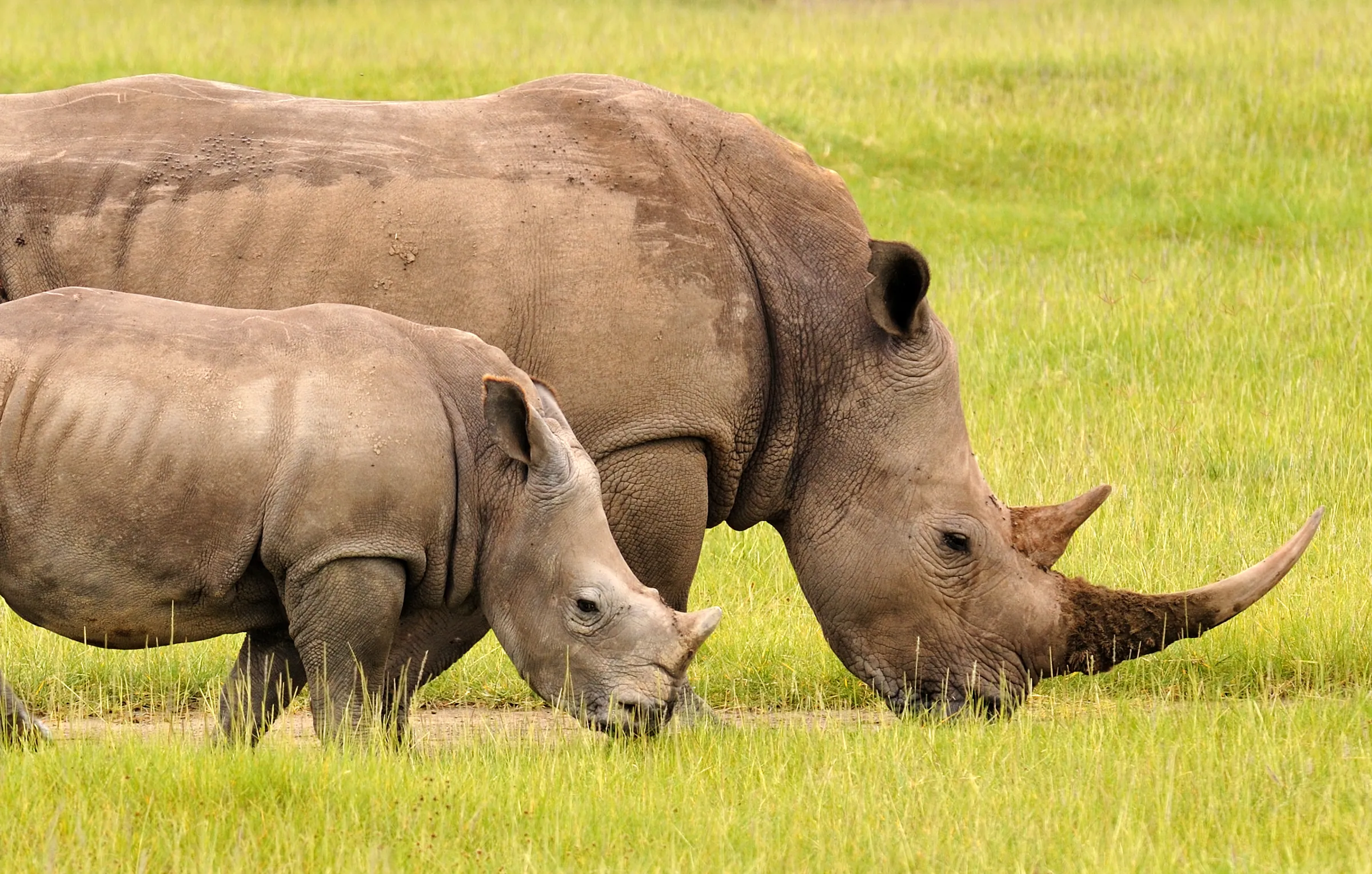
| Conservation voluntourism | Structured work on a conservancy: transects, camera-trap tagging, tree nurseries, under rangers and scientists | Real data for real programs |
| Skills nobody asked for | A skills exchange the host requests: a coding club, a video workshop, a business plan session | Students bring what they are good at, by invitation |
Kenyan law that shapes our programs
- Children: the Children Act 2022 puts the child's best interests first. Our programs keep visitors out of unsupervised contact with children, and adult leaders follow their institution's safeguarding and background-check rules as well as ours.
- Medicine: only practitioners licensed in Kenya may treat patients. Students observe, with the patient's consent and the facility's permission, and nothing more.
- Photos and data: Kenya's Data Protection Act 2019 covers personal data, including photos and survey answers. Students ask before photographing anyone, never post photos of Kenyan children, and handle survey data under an agreement with the host.
- Immigration: a short group program travels on the eTA. Longer volunteer or internship placements need the right immigration pass; our internships page explains it.
How we vet partners
- Registered with the relevant Kenyan regulator, with accounts it is willing to share
- Led by Kenyans from the community it serves
- A written safeguarding policy, and staff who can explain it
- The partner asked for the work, in writing, before we proposed anything
- A plan for who maintains the result after the group leaves
- References from previous visiting groups, which we call
- A community fee agreed in advance and paid directly, never cash handed over on the day
Reflection and assessment
Service learning is a course, not a volunteer holiday, so it needs the same structure. Before departure, students read about the host community and the issue they will work on, and write down what they expect. In Kenya, each evening ends with a small-group reflection led by faculty or teachers, using a simple three-step frame: what happened, why it matters, and what we will do differently. After the trip, students produce something the partner can use, such as a data report, a video, a translated document or a funding proposal, and the faculty grade the learning, not the hours. We document contact and service hours for schools and universities that require them.
Questions to ask any provider, including us
- Who chose this project, and can I see the request?
- Who would do this work if we did not come, and are they paid?
- Will my students be alone with children at any point?
- Who maintains the result next year?
- How much of my fee reaches the host, and how is it paid?
- Can I speak to the last group that worked with this partner?
Plan a program with us
We run service learning for high schools, universities and faith groups, usually 7 to 14 days with a short safari to finish, at a conservancy or Lake Nakuru, so students have time to process what they saw. Send us your group, dates and the kind of work your students are good at, and we will tell you honestly which Kenyan partners could use it.