Kiswahili. Updated November 2026. 6 min read.
You already speak some safari Kiswahili. Simba is a lion, and the word reached America through a film rather than a phrasebook. Within an hour of your first game drive you will hear your guide say 'chui' into the radio, the vehicle will swing round, and you will understand that a leopard has been seen. A few dozen words turn a drive from something you watch into something you follow.
This page is a reference glossary for travelers: the animals by name, the words guides use in the vehicle, camp words and the phrases you will hear, each with an easy pronunciation and a note on when you will hear it. It is not a lesson. If you want to learn the language step by step, our ten-lesson course starts with greetings, and lesson 7 covers animals with a dialogue and grammar. Learn Kiswahili has the overview.
How to read the pronunciation
Kiswahili is read as it is written, and the stress falls on the second-to-last syllable: SEEM-bah, kee-FAH-roo, POON-dah mee-LEE-ah. Vowels are short and pure: a as in father, e as in bed, i as in machine, o as in more, u as in rule. Every vowel is sounded, so chui is CHOO-ee and kiboko is kee-BOH-koh. An m or n before a consonant at the start of a word is a light hum, so mbuni is m-BOO-nee. Get the stress roughly right and you will be understood.
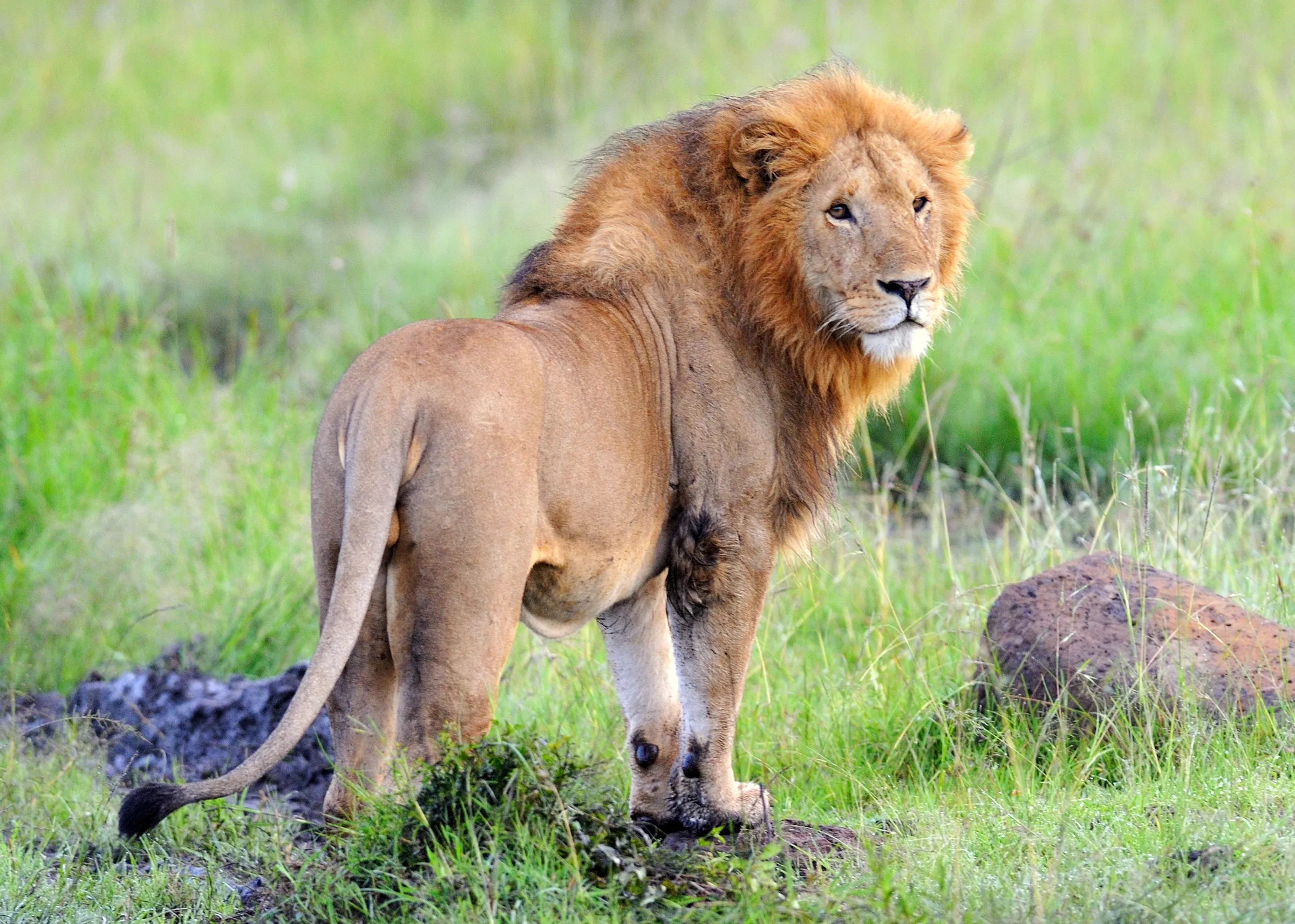
The Big Five
| Kiswahili | Say it | English | Notes |
|---|---|---|---|
| Simba | SEEM-bah | Lion | Simba dume is a male, simba jike a lioness |
| Chui | CHOO-ee | Leopard | The word guides most love to say on the radio |
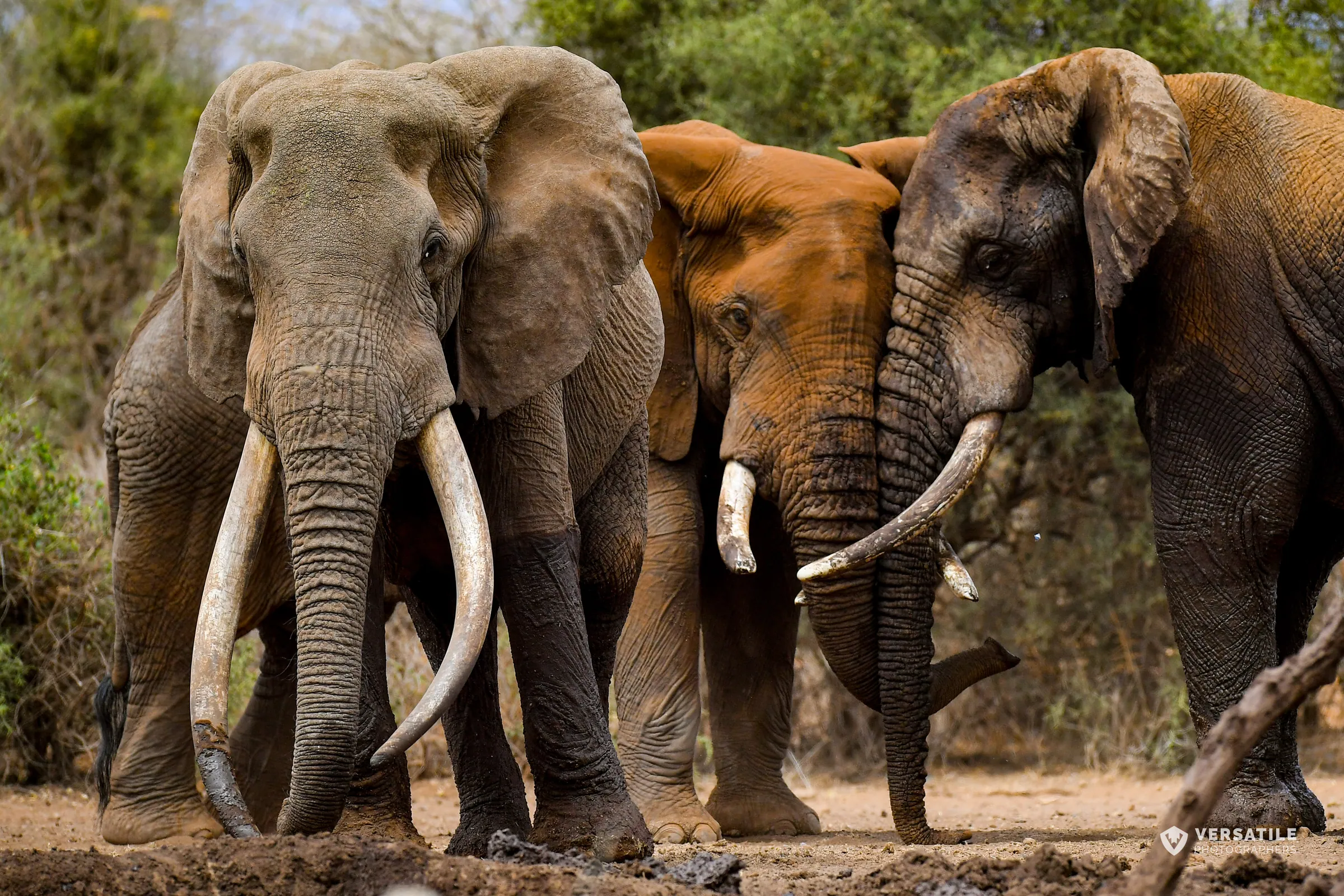
| Tembo, or ndovu | TEM-boh, n-DOH-voo | Elephant | Both are used in Kenya; pembe is a tusk or horn |
| Kifaru | kee-FAH-roo | Rhino | Often shortened to faru |
| Nyati, or mbogo | NYAH-tee, m-BOH-goh | Buffalo | You will hear both on game drives |
Other animals you will see
| Kiswahili | Say it | English | When you'll hear it |
|---|---|---|---|
| Duma | DOO-mah | Cheetah | On the open plains of the Mara |
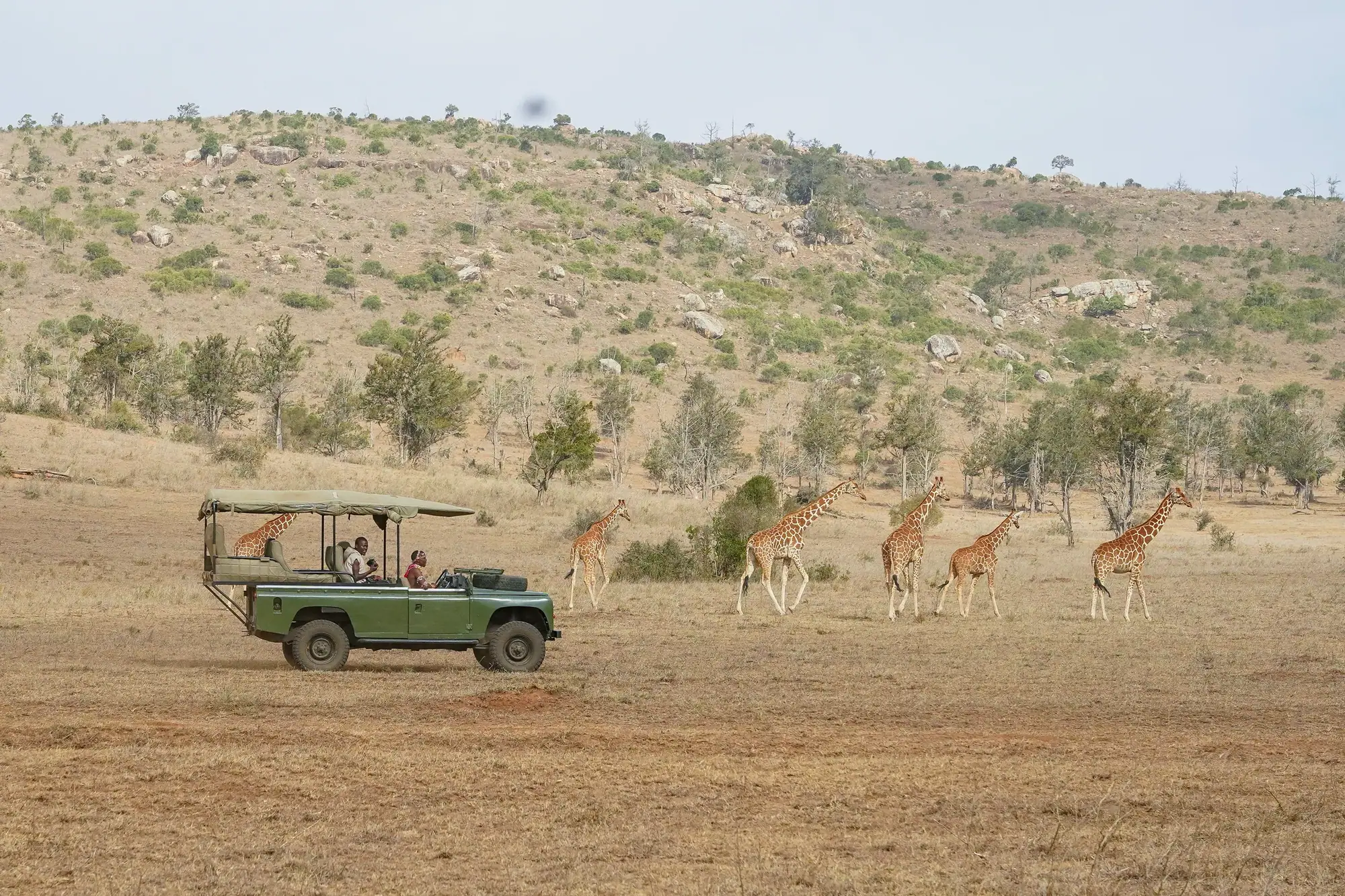
| Twiga | TWEE-gah | Giraffe | Everywhere from Nairobi National Park to Samburu |
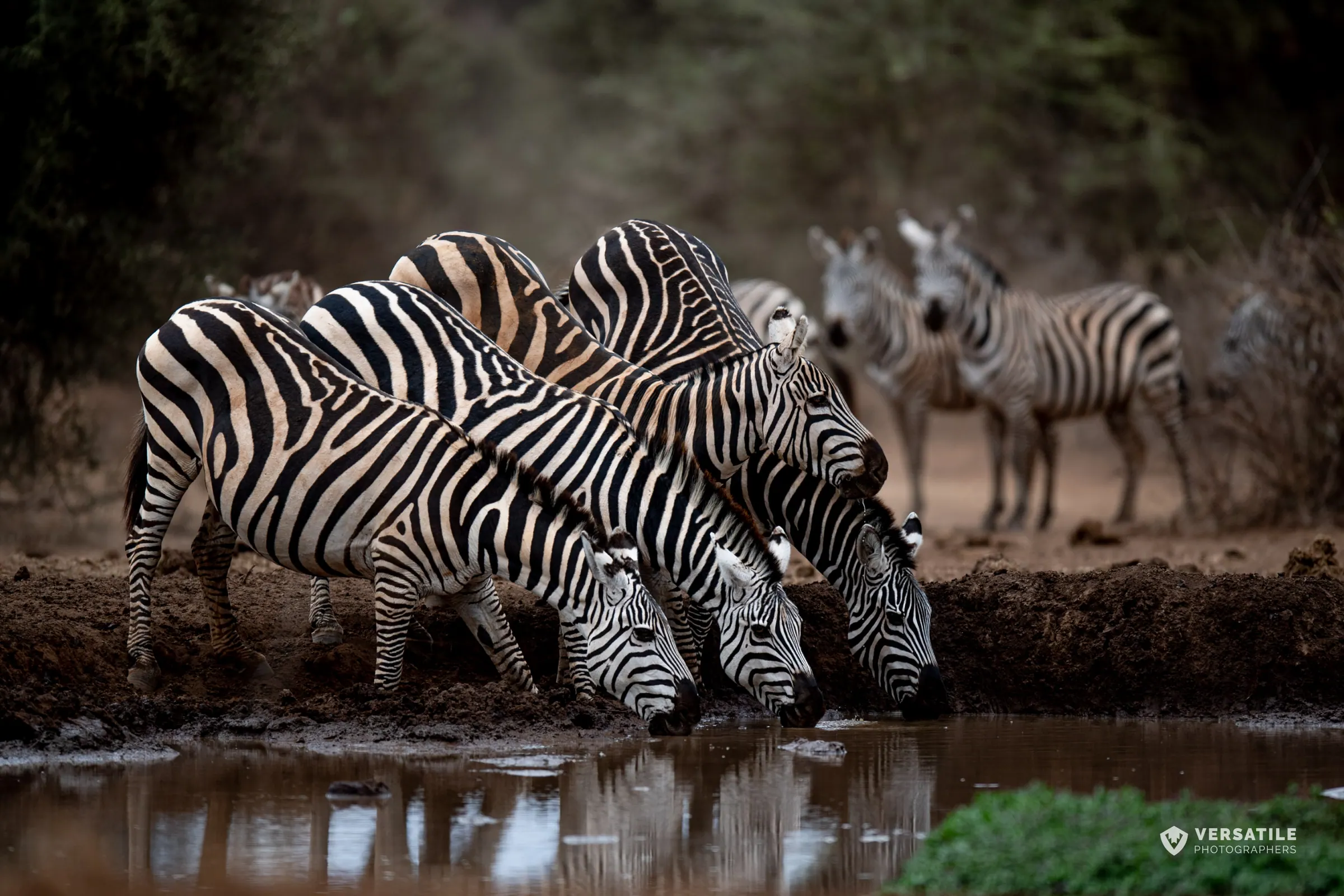
| Punda milia | POON-dah mee-LEE-ah | Zebra | Literally 'striped donkey' |
| Nyumbu | NYOOM-boo | Wildebeest | In the Mara from about July to October |
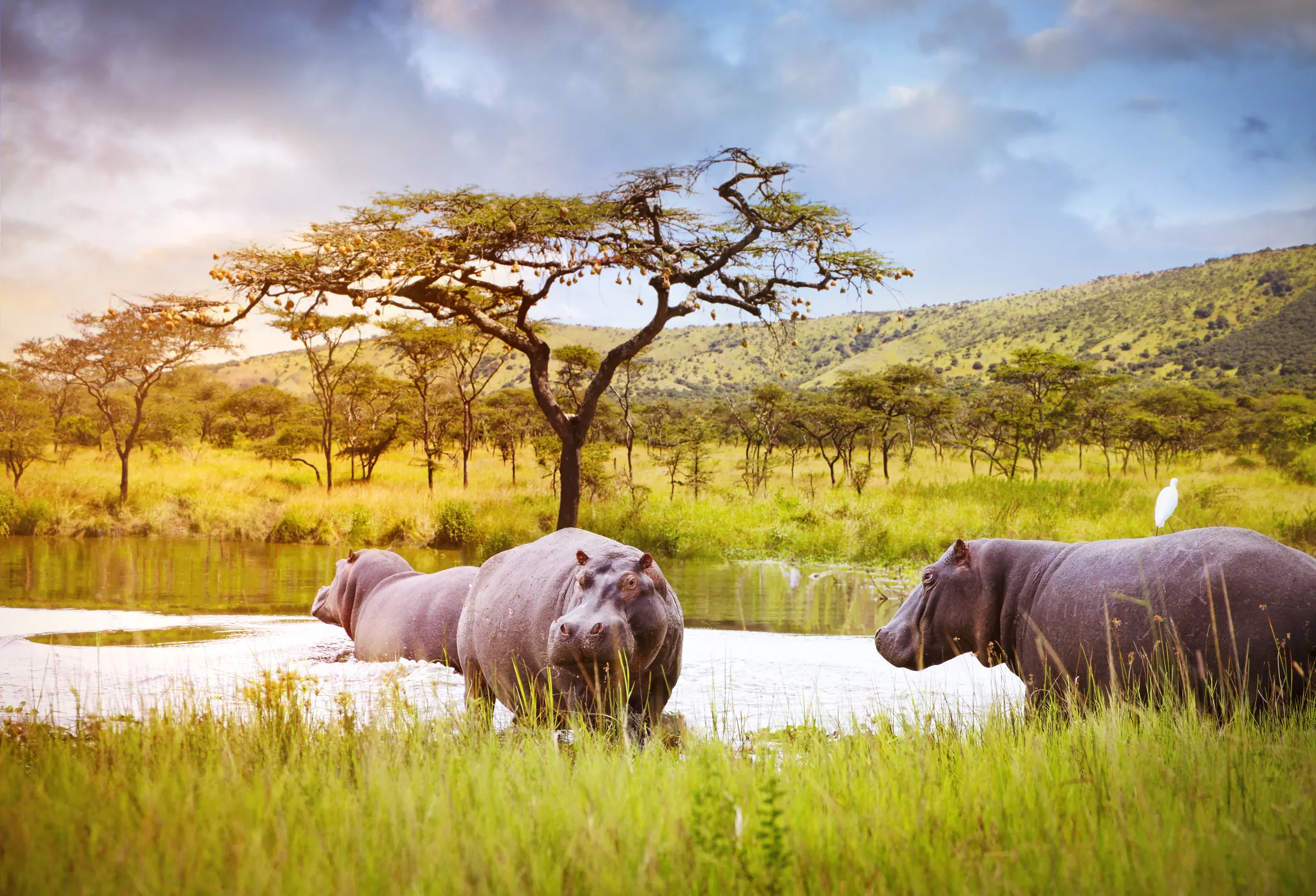
| Kiboko | kee-BOH-koh | Hippo | Rivers and lakes; kiboko is also a whip |
| Mamba | MAHM-bah | Crocodile | Not the snake: in Kiswahili a mamba is a crocodile |
| Fisi | FEE-see | Hyena | Whooping around camp at night |
| Swala | SWAH-lah | Gazelle, antelope | Swala tomi is Thomson's gazelle, swala granti Grant's |
| Swala pala | SWAH-lah PAH-lah | Impala | The commonest antelope on most drives |
| Kongoni | kohn-GOH-nee | Hartebeest | Common in the Mara and Nairobi National Park |
| Nyamera | nyah-MEH-rah | Topi | Often standing on a termite mound in the Mara |
| Pofu | POH-foo | Eland | The largest antelope |
| Kuro | KOO-roh | Waterbuck | Near water, with a white ring on the rump |
| Dikidiki | dee-kee-DEE-kee | Dik-dik | Tiny antelope in pairs, in Samburu and Tsavo |
| Choroa | choh-ROH-ah | Oryx | Samburu and Tsavo |
| Ngiri | n-GEE-ree | Warthog | Running with its tail straight up |
| Nyani | NYAH-nee | Baboon | Troops on the road; keep food out of sight |
| Tumbili | toom-BEE-lee | Vervet monkey | Around lodges and picnic sites |
| Mbega | m-BEH-gah | Colobus monkey | Black and white, in forests such as the Aberdares and Diani |
| Mbwa mwitu | m-BWAH MWEE-too | Wild dog | Literally 'forest dog'; rare, best looked for in Laikipia |
| Mbweha | m-BWEH-hah | Jackal | Black-backed jackals at dawn |
| Nungunungu | noon-goo-NOO-ngoo | Porcupine | On night drives in conservancies |
| Komba | KOHM-bah | Bushbaby | Calling in the trees after dark |
| Nyoka | NYOH-kah | Snake | Rarely seen; chatu is a python |
Birds
| Kiswahili | Say it | English |
|---|---|---|
| Ndege | n-DEH-geh | Bird (also an airplane) |
| Mbuni | m-BOO-nee | Ostrich |
| Tai | TAH-ee | Eagle |
| Heroe | heh-ROH-eh | Flamingo |
| Kanga | KAHN-gah | Guineafowl (also the printed cloth) |
| Bundi | BOON-dee | Owl |
| Korongo | koh-ROHN-goh | Crane or stork |
| Kunguru | koon-GOO-roo | Crow |
In the vehicle: words your guide uses
| Kiswahili | Say it | Meaning | When you'll hear it |
|---|---|---|---|
| Gari | GAH-ree | Vehicle, car | 'Gari iko wapi?' Where is the vehicle? |
| Barabara | bah-rah-BAH-rah | Road | The murram road into the reserve |
| Simama | see-MAH-mah | Stop | To the driver of another vehicle, or to you |
| Twende | TWEN-deh | Let's go | At the start of every drive |
| Polepole | poh-leh-POH-leh | Slowly | Approaching animals, and as a philosophy of life |
| Angalia | ahn-gah-LEE-ah | Look | 'Angalia pale!' Look over there! |
| Pale, kule | PAH-leh, KOO-leh | There, over there | With a pointing chin or a nod |
| Hapa | HAH-pah | Here | 'Simama hapa', stop here |
| Kushoto | koo-SHOH-toh | Left | Directions to a sighting |
| Kulia | koo-LEE-ah | Right | Also 'to cry'; context tells you which |
| Mbele, nyuma | m-BEH-leh, NYOO-mah | In front, behind | Where the animal is |
| Karibu, mbali | kah-REE-boo, m-BAH-lee | Near, far | Karibu also means welcome |
| Juu ya mti | JOO yah m-TEE | Up the tree | Where leopards rest by day |
| Chini ya mti | CHEE-nee yah m-TEE | Under the tree | Where lions shelter at midday |
| Kimya | KEEM-yah | Quiet | At a sighting |
| Kaa chini | KAH-ah CHEE-nee | Sit down | When a big animal is close to the vehicle |
| Usishuke | oo-see-SHOO-keh | Don't get out | Always, unless your guide says otherwise |
| Funga dirisha | FOON-gah dee-REE-shah | Close the window | When baboons or monkeys are about |
| Hatari | hah-TAH-ree | Danger | Rarely, and you will know why |
| Tumefika | too-meh-FEE-kah | We have arrived | Back at camp, or at a sighting |
What is happening: phrases from the front seat
| Kiswahili | Meaning |
|---|---|
| Kuna simba hapa | There is a lion here |
| Simba wawili | Two lions |
| Wako wapi? | Where are they? |
| Amelala | It is lying down, or asleep |
| Anawinda | It is hunting |
| Wanakula | They are eating |
| Ameua | It has made a kill |
| Mzoga | A carcass |
| Mama na watoto | A mother with young |
| Nimeona | I have seen it |
| Umeona? | Did you see it? |
| Bado | Not yet |
| Hakuna shida | No problem |
You will hear 'hakuna matata' from hotel staff, because visitors love it, and it is real Kiswahili for 'no worries'. Among themselves Kenyans more often say 'hakuna shida' or 'hakuna tatizo'. On the radio, guides sometimes switch to their own mother tongue or use their own shorthand so a sighting is not swamped by vehicles, so do not expect to follow every call.
In camp
| Kiswahili | Say it | Meaning | When you'll hear it |
|---|---|---|---|
| Hodi? | HOH-dee | May I come in? | Said at your tent instead of knocking; answer 'Karibu' |
| Chai ya asubuhi | CHAH-ee yah ah-soo-BOO-hee | Morning tea | Brought to your tent before the dawn drive |
| Saa kumi na moja | SAH-ah KOO-mee nah MOH-jah | Five o'clock | Swahili time counts from sunrise, so the eleventh hour is 5 am |
| Hema | HEH-mah | Tent | Your home in a tented camp |
| Kitanda | kee-TAHN-dah | Bed | With a hot water bottle in it on cold nights |
| Maji ya moto | MAH-jee yah MOH-toh | Hot water | For the bucket shower |
| Choo | CHOH-oh | Toilet | Ask 'Choo iko wapi?' Where is the toilet? |
| Moto | MOH-toh | Fire | The campfire before dinner |
| Askari | ahs-KAH-ree | Guard | The escort who walks you to your tent after dark |
| Tochi | TOH-chee | Flashlight | Many camps ask you to flash it to call an escort |
| Kifungua kinywa | kee-foon-GOO-ah KEE-nywah | Breakfast | Literally 'the mouth opener' |
| Chakula cha jioni | chah-KOO-lah chah JYOH-nee | Dinner | Called by a drum or a bell in some camps |
| Lala salama | LAH-lah sah-LAH-mah | Sleep well | As the askari leaves you at your tent |
| Usiku mwema | oo-SEE-koo MWEH-mah | Good night | As you leave the campfire for your tent |
Five phrases to say back
- Asante sana (ah-SAHN-teh SAH-nah): thank you very much. To your guide, every day.
- Nimefurahi sana (nee-meh-foo-RAH-hee SAH-nah): I am very happy. After a great sighting.
- Ni nzuri sana (nee n-ZOO-ree SAH-nah): it is very beautiful. At sunset, or at anything.
- Polepole, tafadhali (poh-leh-POH-leh, tah-fah-DHAH-lee): slowly, please. On a bumpy track.
- Tutaonana (too-tah-oh-NAH-nah): see you again. On the last morning.
For greetings, see how to say hello in Kenya. For numbers, prices and the market, see our Kiswahili numbers and money words, and for what you will eat in camp, Kiswahili food words. For how to behave on the drive itself, from distances to the shared vehicle, see game drive etiquette.