Kiswahili. Updated November 2026. 5 min read.
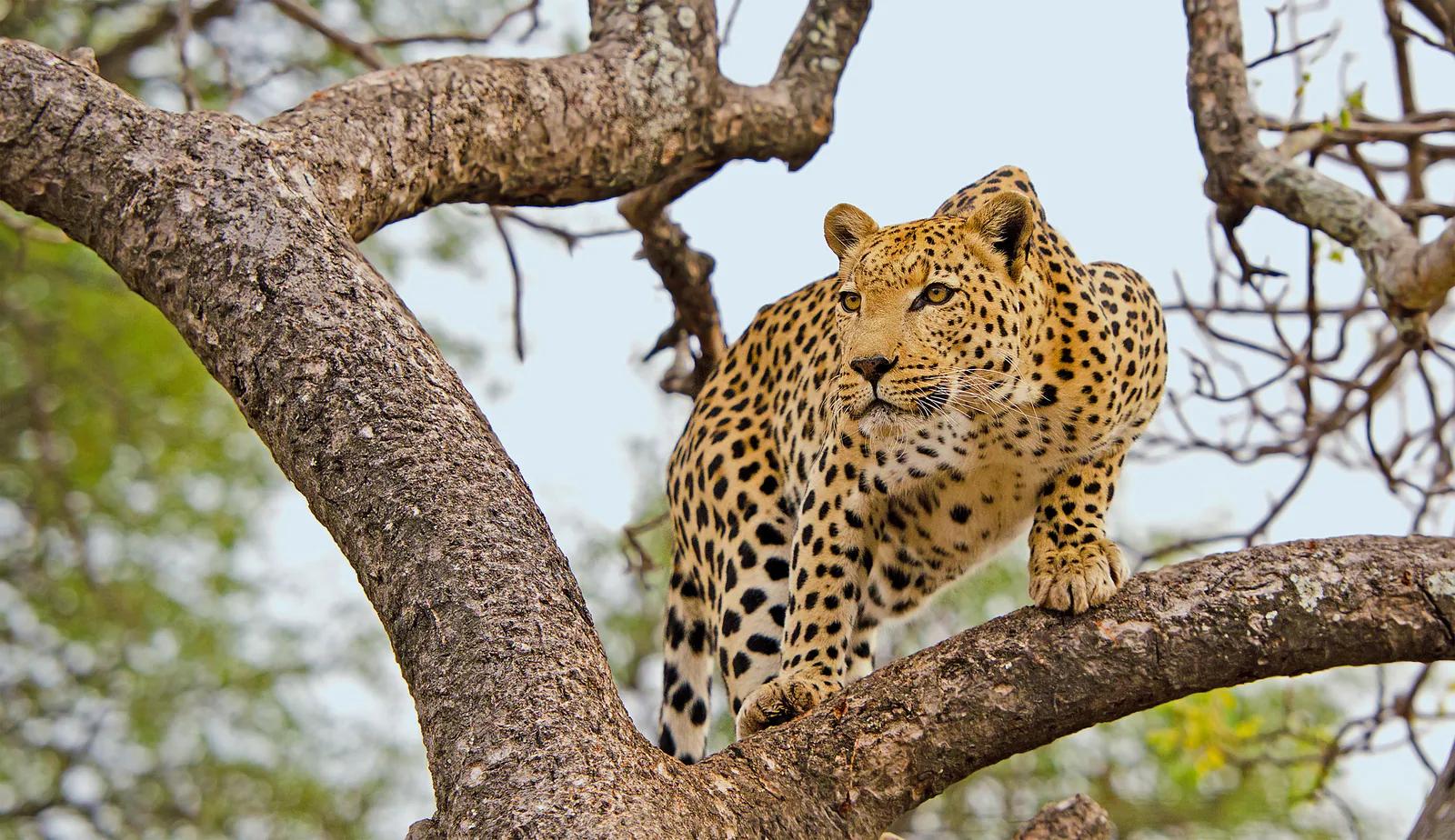
You already speak some safari Kiswahili. Safari itself means journey, from kusafiri, to travel. Simba is lion, rafiki is friend and hakuna matata really does mean no worries; literally, there are no troubles. This lesson turns those scattered words into sentences, so that when your guide whispers Chui, mtini you know to look up into the tree for the leopard.
You will learn the animal names with their plurals, how to count and describe animals, and one verb form, the perfect tense with -me-, which lets you say I have seen, we have seen and have you seen? The complete animal and game-drive glossary lives on our Kiswahili for safari page; this lesson teaches the grammar that makes the names useful.
What you will be able to do
- Name the animals you are most likely to see on safari, in the singular and plural
- Count animals and describe them as big, small or many
- Say what you have seen today, and ask your guide where the animals are
- Follow the guide's calls: look, over there, in the tree, quiet
The animals
| Kiswahili | Say it | Meaning | Plural |
|---|---|---|---|
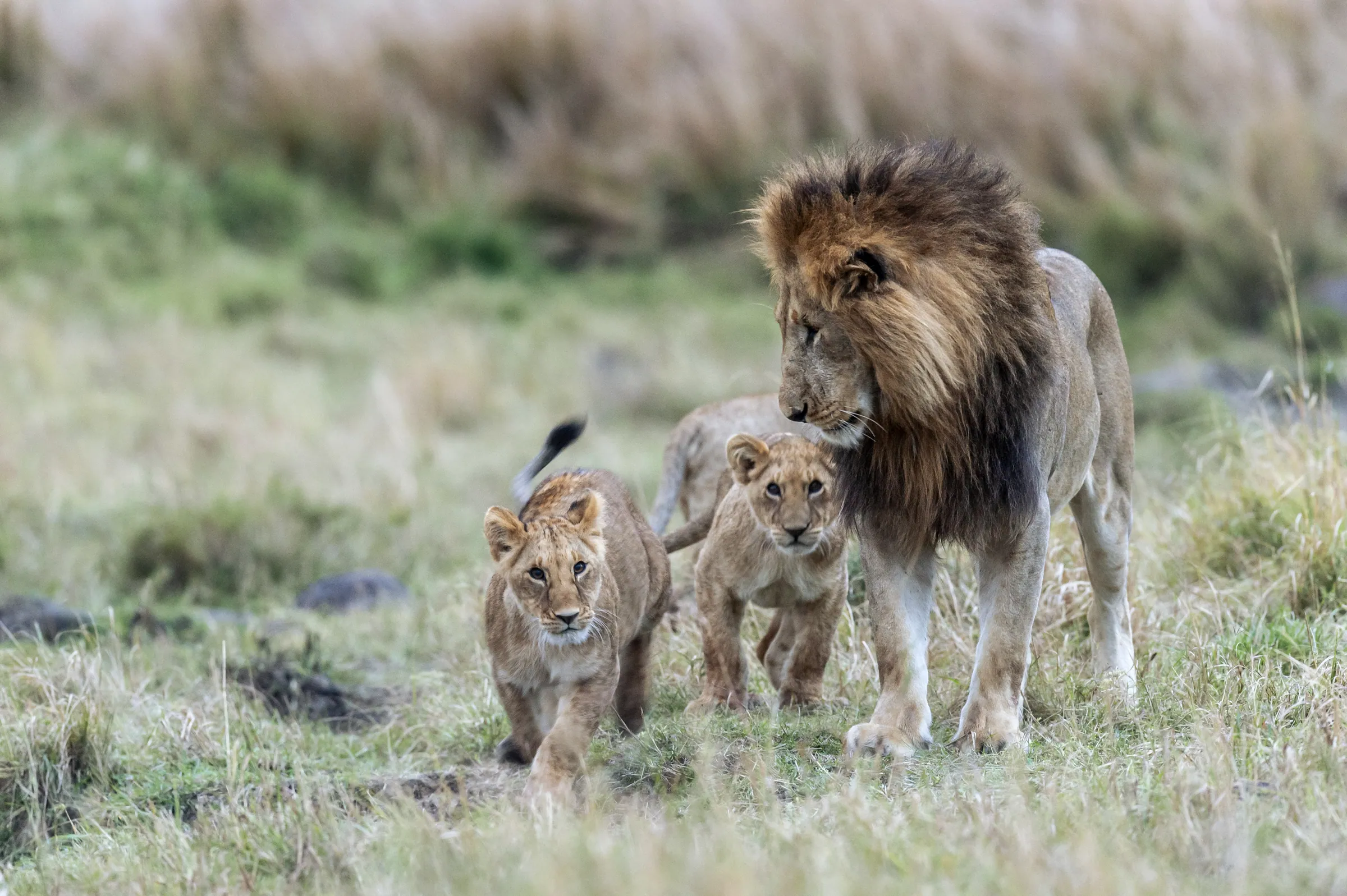
| simba | SIM-ba | lion | simba |
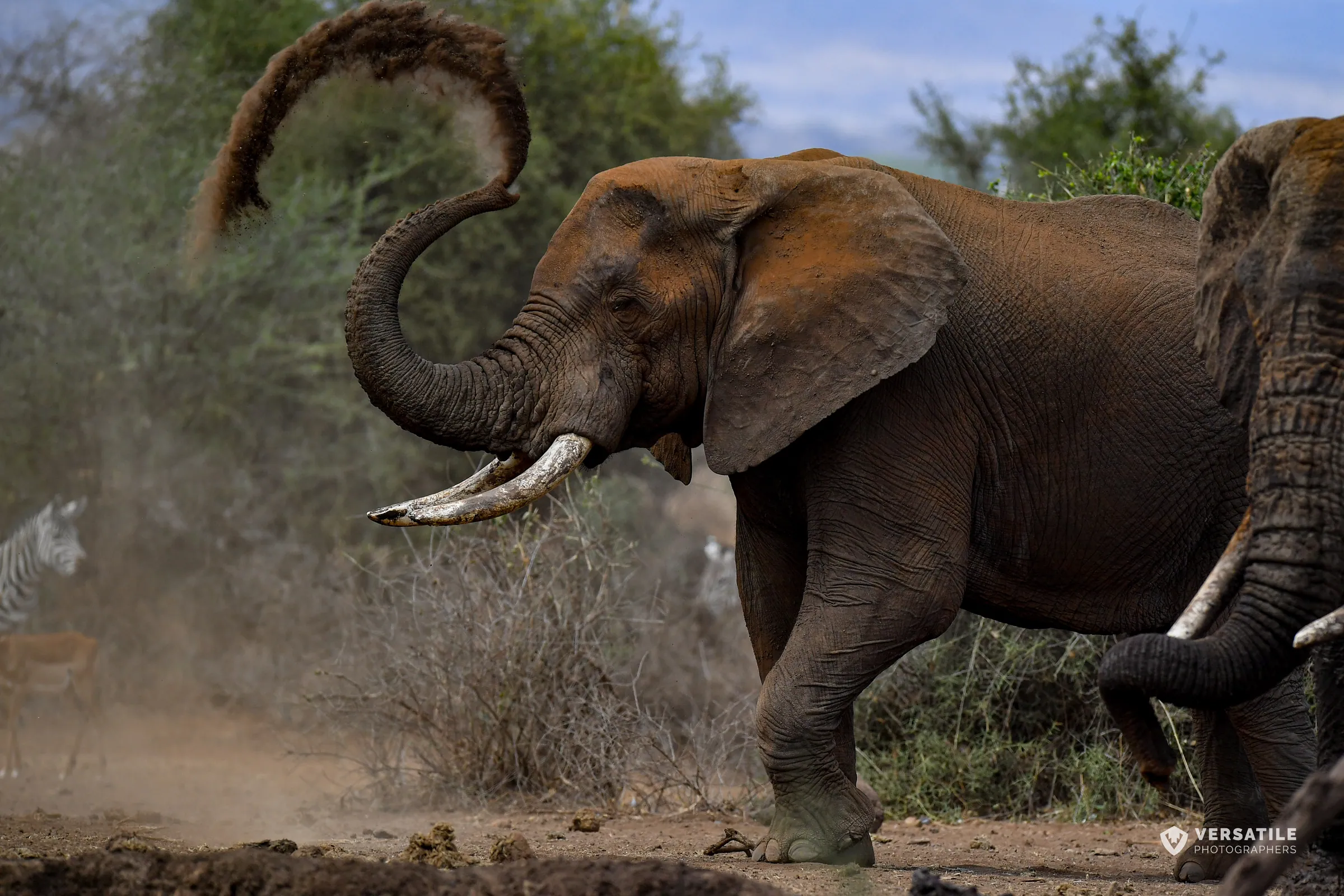
| tembo / ndovu | TEM-bo / n-DO-vu | elephant | tembo / ndovu |
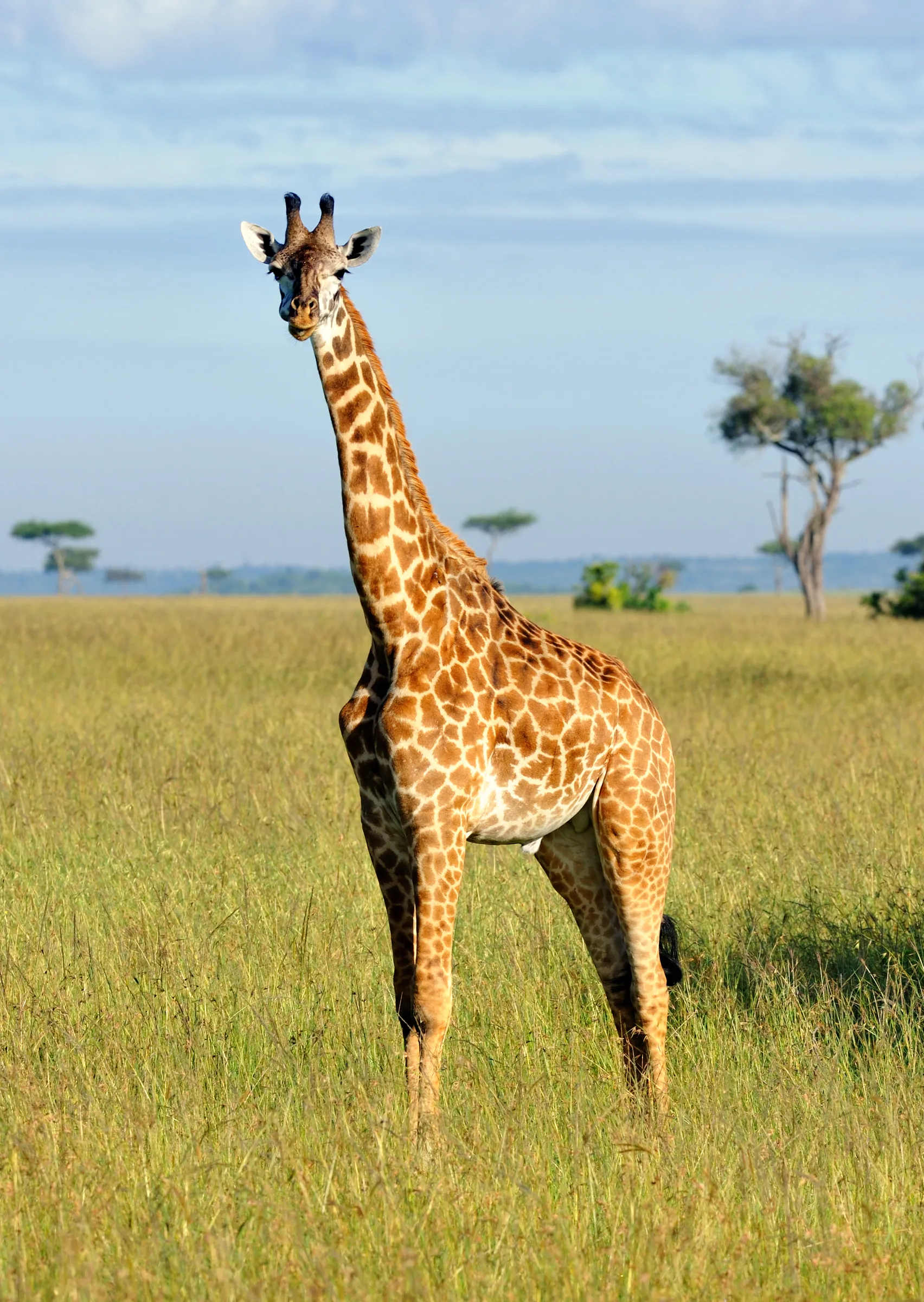
| twiga | TWI-ga | giraffe | twiga |
| chui | CHU-i | leopard | chui |
| duma | DU-ma | cheetah | duma |
| kifaru | ki-FA-ru | rhino | vifaru |
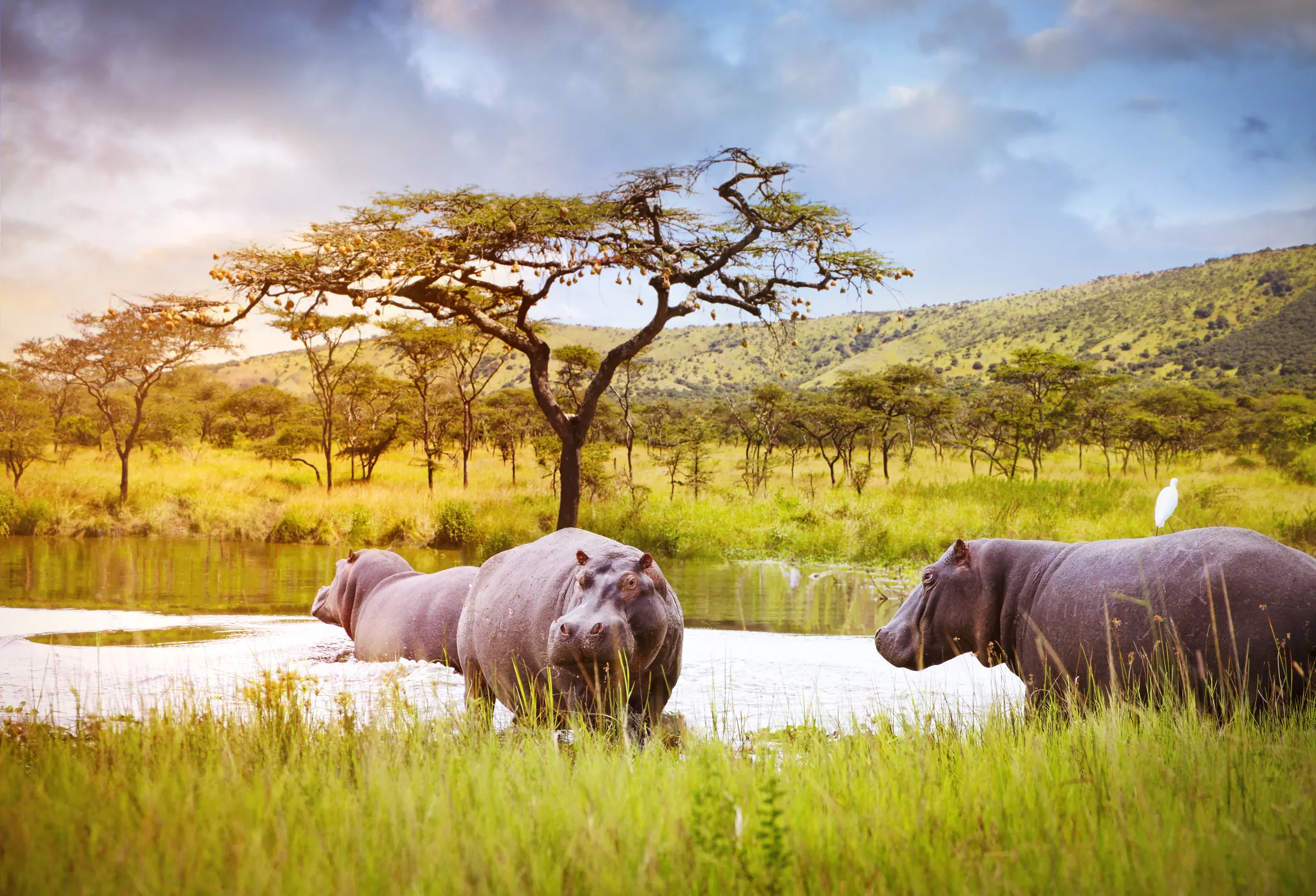
| kiboko | ki-BO-ko | hippo | viboko |
| nyati | NYA-ti | buffalo | nyati |
| punda milia | PU-nda mi-LI-a | zebra (striped donkey) | punda milia |
| nyumbu | NYU-mbu | wildebeest | nyumbu |
| fisi | FI-si | hyena | fisi |
| swala | SWA-la | gazelle, antelope | swala |
| nyani | NYA-ni | baboon | nyani |
| mamba | MAM-ba | crocodile | mamba |
| mbuni | m-BU-ni | ostrich | mbuni |
| ndege | n-DE-ge | bird (and plane) | ndege |
| mbwa | M-bwa | dog | mbwa |
| ng'ombe | NG'O-mbe | cow, cattle | ng'ombe |
| mnyama | m-NYA-ma | animal | wanyama |
| The guide's calls | Say it | Meaning |
|---|---|---|
| Angalia! | a-nga-LI-a | Look! |
| Kule! | KU-le | Over there! |
| mtini | m-TI-ni | in the tree (mti plus -ni) |
| Kimya | KI-mya | Quiet |
| Nimeona | ni-me-O-na | I have seen, I saw |
| Umeona? | u-me-O-na | Have you seen? |
| Wako wapi? | WA-ko WA-pi | Where are they? |
Grammar point: animals count like people
Most animal names belong to the n- class, so the plural looks the same as the singular: one simba, ten simba. Kifaru and kiboko look like ki-/vi- words and make their plurals that way: vifaru, viboko. But here is the rule that matters: when you count or describe animals, they all take the people agreement, the wa- forms from Lessons 3 and 6, because they are living beings. So it is simba wawili, two lions, and viboko wanne, four hippos, never vinne.
| English | Kiswahili |
|---|---|
| one leopard | chui mmoja |
| two lions | simba wawili |
| three elephants | tembo watatu |
| four hippos | viboko wanne |
| many giraffes | twiga wengi |
| a big elephant | tembo mkubwa |
| big elephants | tembo wakubwa |
| a young lion | simba mdogo |
| a baby elephant | mtoto wa tembo |
| How many elephants? | Tembo ni wangapi? |
Location works the same way. For one animal use yuko, for several use wako, the people forms from Lesson 5: Chui yuko mtini (the leopard is in the tree), Simba wako wapi? (where are the lions?), Wako kule (they are over there).
The second piece is -me-, the perfect tense. Put it between the person and the verb: ni-me-ona (I have seen), u-me-ona (you have seen), tu-me-ona (we have seen), wa-me-ona (they have seen). Kenyans use it for anything just done, where English often says I saw. It also describes a state: wamelala (they are lying down, asleep) and ameshiba (he has eaten his fill), the same tense as the nimeshiba you learned at the dinner table in Lesson 4.
Dialogue: on a game drive
- Dereva (guide): Angalia! Kule, kushoto.
- Wewe: Wapi? Sioni.
- Dereva: Pale, mtini. Ni chui.
- Wewe: Ndiyo! Nimemwona! Chui ni mzuri sana.
- Dereva: Kimya kidogo. Na pale chini, simba wawili wamelala.
- Wewe: Wamelala? Wameshiba?
- Dereva: Ndiyo, wameshiba. Jana usiku walikula nyati.
- Wewe: Leo tumeona wanyama wengi: tembo, twiga, viboko na chui!
- Dereva: Kesho tutatafuta kifaru.
Sioni means I can't see (it), the negative of ninaona. Nimemwona is I have seen him or her: the -mw- in the middle is the object, him or her. Pale chini is down there, jana usiku is last night, and walikula, they ate, uses -li-, the past tense. Tutatafuta kifaru is we will look for a rhino; the future -ta- is in Lesson 8.
Practice
- 1. What is the plural of kifaru? Answer: vifaru.
- 2. Say 'two lions'. Answer: simba wawili.
- 3. Say 'four hippos' (careful). Answer: viboko wanne.
- 4. Say 'I have seen a cheetah.' Answer: Nimeona duma.
- 5. Ask 'Where are the elephants?' Answer: Tembo wako wapi?
- 6. Say 'The leopard is in the tree.' Answer: Chui yuko mtini.
- 7. Which word means both bird and plane? Answer: ndege.
- 8. What does Simba wameshiba mean? Answer: The lions are full; they have eaten.
Cultural note: what the animals mean to Kenyans
Your guide will speak English with you, and on the radio to other guides he may switch to Kiswahili or his mother tongue, partly so that the location of a leopard stays between professionals. Listen for the animal names and you will often know what has been found before he tells you. Kenyans use the English phrase Big Five, but every Kenyan child knows simba, tembo, chui, kifaru and nyati.
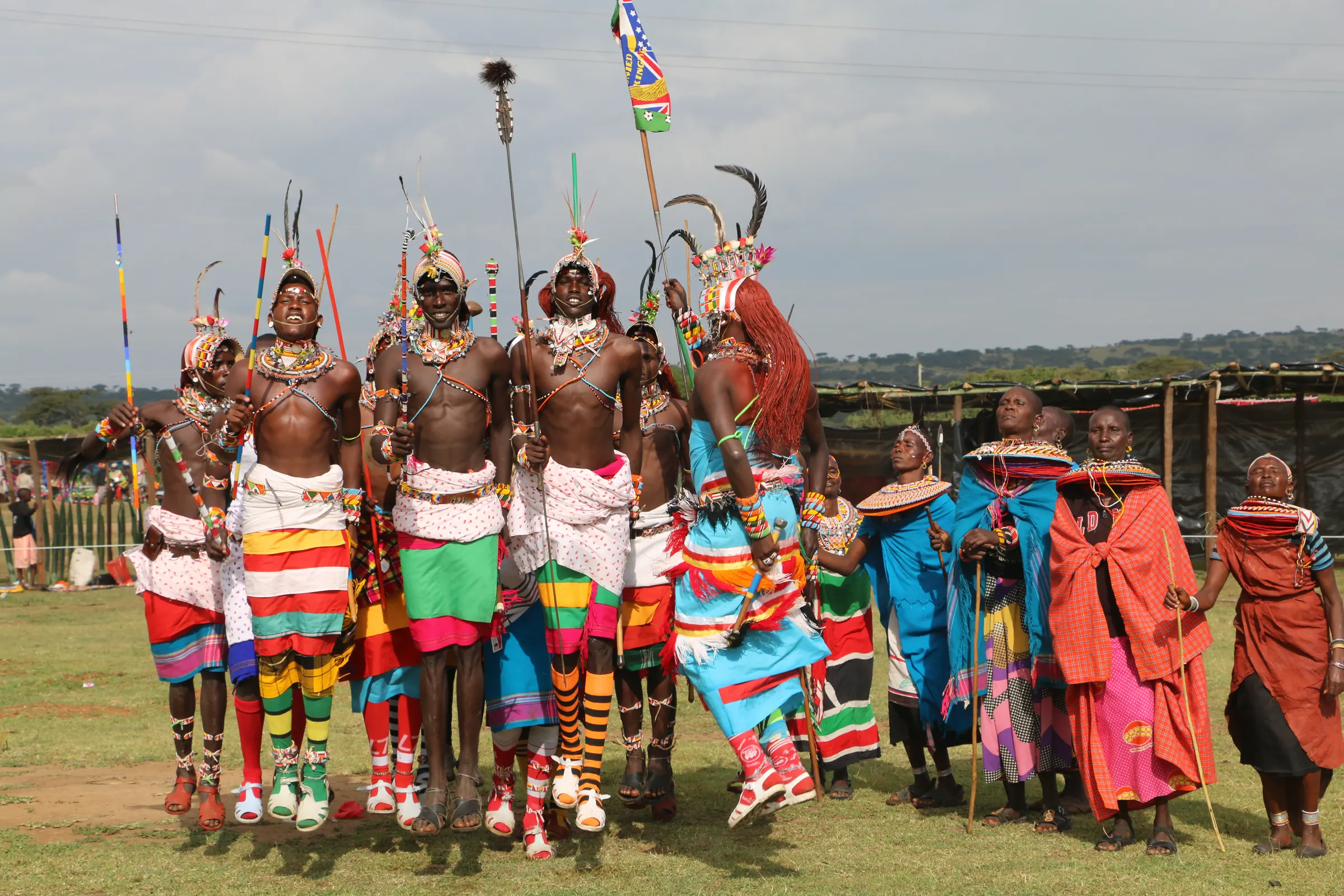
Many Kenyans grow up in towns and first see wild animals on a school trip, and for pastoral communities such as the Maasai and Samburu the most important animal is not on the safari list at all: ng'ombe, cattle, are wealth, bride price and identity. Ask about the cows when you visit a Maasai homestead and you will learn more Maa than Kiswahili. For children, the easiest way in is The Lion King, whose names are Kiswahili: Simba the lion, Rafiki the friend, and hakuna matata itself.
Say it on your trip
Keep your sightings list in Kiswahili and read it out at dinner: Leo tumeona simba watatu, tembo wengi na twiga mmoja. Use kimya on yourself when the vehicle stops near an animal; our game-drive etiquette guide explains why quiet gets you closer.
Next lesson
Lesson 8 is time, and why your guide's saa kumi na moja wake-up call means five in the morning.