Kiswahili. Updated November 2026. 5 min read.
If you are taking your American spouse and children home to meet the family, this is the lesson to do first. A grandmother who hears her grandchild say Shikamoo, bibi at the gate will talk about it for years. The words themselves are simple. The family system behind them is richer than English, with one word for your father's sister, another for your mother's brother, a younger and an older 'father', and a warm word for in-laws that your siblings will use for your spouse.
You need three things: the family words, the phrase huyu ni (this is) for introductions, and the possessives (my, your, our), which change with the noun. Our guide to taking children to Kenya and our page on bringing your spouse home cover the rest of the visit; this lesson covers what to say at the door.
What you will be able to do
- Name the members of your family, near and extended
- Introduce one person or several: this is, these are
- Say my, your and our correctly with family words
- Ask and answer: how many children do you have?
The words
| Kiswahili | Say it | Meaning |
|---|---|---|
| familia | fa-mi-LI-a | family |
| mama / baba | MA-ma / BA-ba | mother / father; also polite for any older woman or man |
| mtoto / watoto | m-TO-to / wa-TO-to | child / children |
| kaka | KA-ka | brother, strictly an older one |
| dada | DA-da | sister, strictly an older one |
| mdogo wangu | m-DO-go WA-ngu | my younger brother or sister |
| ndugu | n-DU-gu | sibling, relative |
| babu | BA-bu | grandfather |
| bibi / nyanya | BI-bi / NYA-nya | grandmother |
| mjukuu / wajukuu | m-ju-KU-u / wa-ju-KU-u | grandchild / grandchildren |
| mjomba | m-JO-mba | uncle on your mother's side |
| shangazi | sha-NGA-zi | aunt on your father's side |
| baba mdogo / baba mkubwa | BA-ba m-DO-go / BA-ba m-KU-bwa | father's younger / older brother |
| mama mdogo / mama mkubwa | MA-ma m-DO-go / MA-ma m-KU-bwa | mother's younger / older sister |
| binamu | bi-NA-mu | cousin |
| mume | MU-me | husband |
| mke | M-ke | wife |
| mkwe | M-kwe | parent-in-law, or son- or daughter-in-law |
| shemeji | she-ME-ji | brother- or sister-in-law |
| rafiki | ra-FI-ki | friend |
| Huyu ni... / Hawa ni... | HU-yu ni / HA-wa ni | This is... / These are... |
| Una watoto wangapi? | U-na wa-TO-to wa-NGA-pi | How many children do you have? |
| Nina... / Sina... | NI-na / SI-na | I have... / I don't have... |
Dialogue: at grandmother's gate
You arrive at your grandmother's home with your husband, David, and your children, Amani and Zawadi. Bibi has been waiting since morning.
- Wewe: Shikamoo, bibi!
- Bibi: Marahaba, mjukuu wangu! Karibu nyumbani!
- Wewe: Asante, bibi. Huyu ni mume wangu, David.
- David: Shikamoo, bibi. Nimefurahi kukutana nawe.
- Bibi: Marahaba! Karibu kwenye familia. Unatoka wapi?
- David: Ninatoka Marekani, Houston.
- Wewe: Na hawa ni watoto wetu, Amani na Zawadi.
- Amani na Zawadi: Shikamoo, bibi!
- Bibi: Marahaba, wajukuu wangu! Mmekua sana! Karibuni, karibuni. Chai iko tayari.
Karibu nyumbani is welcome home, karibu kwenye familia is welcome to the family, and mmekua sana is you have grown so much, which every Kenyan grandmother says to every grandchild. David has used Lessons 1 and 2 without noticing. Amani means peace and Zawadi means gift, two Kiswahili names many diaspora families choose.
Grammar point: my, your, our
The possessive endings are -angu (my), -ako (your, one person), -ake (his or her), -etu (our), -enu (your, several) and -ao (their). What goes in front depends on the noun. Family words like mama, baba, kaka, dada, bibi, babu and rafiki take y- for one person and z- for more than one: mama yangu (my mother), baba yako (your father), dada yake (her sister), rafiki zangu (my friends), kaka zetu (our brothers). People words that start with m- or mw- take w-: mtoto wangu (my child), mume wangu (my husband), mke wako (your wife), and watoto wetu (our children) in the plural.
| Noun | my | your (one person) | our |
|---|---|---|---|
| mama (mother) | mama yangu | mama yako | mama yetu |
| dada (sister) | dada yangu | dada yako | dada yetu |
| dada (sisters) | dada zangu | dada zako | dada zetu |
| mtoto (child) | mtoto wangu | mtoto wako | mtoto wetu |
| watoto (children) | watoto wangu | watoto wako | watoto wetu |
| mjomba (uncle) | mjomba wangu | mjomba wako | mjomba wetu |
You will hear contractions: babangu (my father), mamangu (my mother), mwanangu (my child), mkeo (your wife) and mumeo (your husband). Understand them; you do not need to use them. Una watoto wangapi? uses the number agreement from Lesson 3, so answer the same way: Nina watoto wawili (I have two children), Nina mtoto mmoja (I have one child) or Sina watoto (I have no children).
Practice
- 1. Introduce your wife. Answer: Huyu ni mke wangu.
- 2. Say 'These are our children.' Answer: Hawa ni watoto wetu.
- 3. Say 'my friends'. Answer: rafiki zangu.
- 4. Say 'your mother' to one person. Answer: mama yako.
- 5. Answer Una watoto wangapi? with three. Answer: Nina watoto watatu.
- 6. What do you call your mother's brother? Answer: mjomba.
- 7. What do you call your father's younger brother? Answer: baba mdogo.
- 8. Your sister calls your husband shemeji. What does it mean? Answer: brother-in-law.
Cultural note: everyone is family
In Kenya the family words stretch. Your mother's sisters are mothers too (mama mdogo, mama mkubwa), your father's brothers are fathers (baba mdogo, baba mkubwa), and cousins are often introduced simply as brothers and sisters. Children call any grown woman mama or aunty and older men mzee or uncle. When a relative says Huyu ni kaka yako (this is your brother) about someone you have never heard of, he may be a cousin or a neighbour's son, and he is still your brother.
Parents are often called by the name of their first child: Mama Amani, Baba Amani. If your relatives start calling you Mama Zawadi, it is affection, and a sign you have been absorbed. Grandmothers are bibi or nyanya in Kiswahili, and in many homes they go by the mother-tongue word, such as cucu in Kikuyu families; ask what your family uses and teach your children that. Our page on Kenyan names explains how many communities name children after grandparents and the time of birth, a question your children's cousins may well ask them.
Prepare your spouse for the order of things: elders are greeted first, tea comes before conversation, and a visit upcountry can mean meeting dozens of relatives in an afternoon. Our pages on bringing your spouse home and visiting family upcountry cover the gifts, the speeches and the long goodbyes.
Say it on your trip
Teach your children three sentences before you fly: Shikamoo, bibi; Jina langu ni...; and Asante sana. Practise them over a video call with the grandparents in the weeks before the trip, so the first meeting at the gate is a reunion, not an introduction.
Next lesson
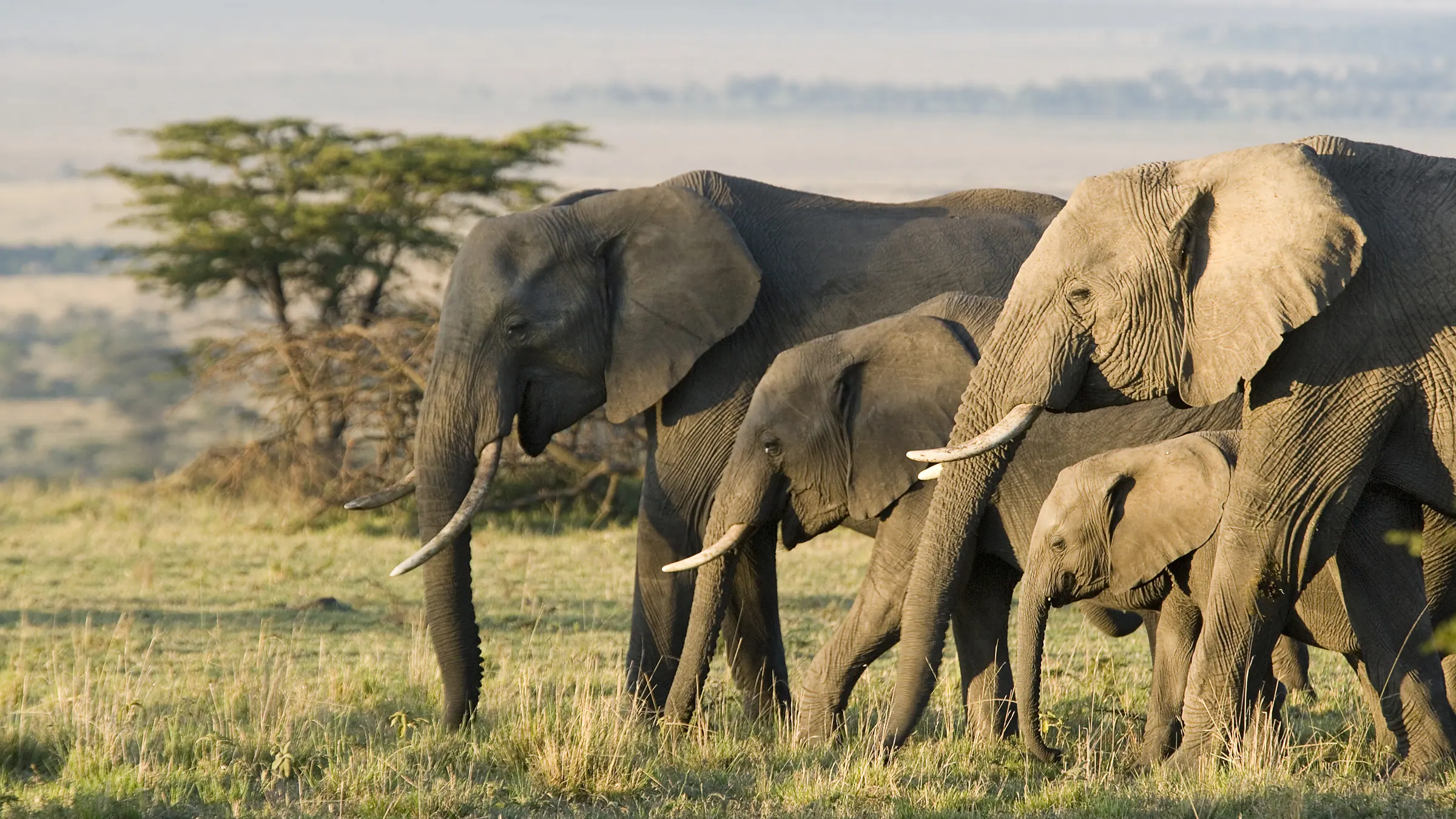
Lesson 7 is animals: the safari names you half know already, how to count them and how to say what you saw.