Study in Kenya. Updated November 2026. 5 min read.
Kenya gives an architecture class two traditions that rarely share a syllabus. On the coast, Swahili builders worked for centuries in coral stone, lime and mangrove poles, shaping narrow streets, courtyard houses and carved doors that keep a town cool without machines. In Nairobi, a young nation built itself in concrete after 1963, most famously the Kenyatta International Convention Centre, and today the city is a laboratory for housing, informal settlement upgrading and green building.
In short: an architecture and heritage program runs 12 to 14 days, splitting time between Nairobi and the coast, with measured drawing at Fort Jesus and in Mombasa's Old Town and a site survey at the ruined stone town of Gede near Watamu. Lamu, the best-preserved Swahili town, adds a three-day extension by air at the end. We design the program with your faculty, approach the hosts and run the logistics and safety.
Who it is for
- Architecture and landscape architecture schools running a travel studio
- Historic preservation and heritage conservation programs
- Urban planning and urban design programs
- Art history and African studies courses on the built environment
What students learn
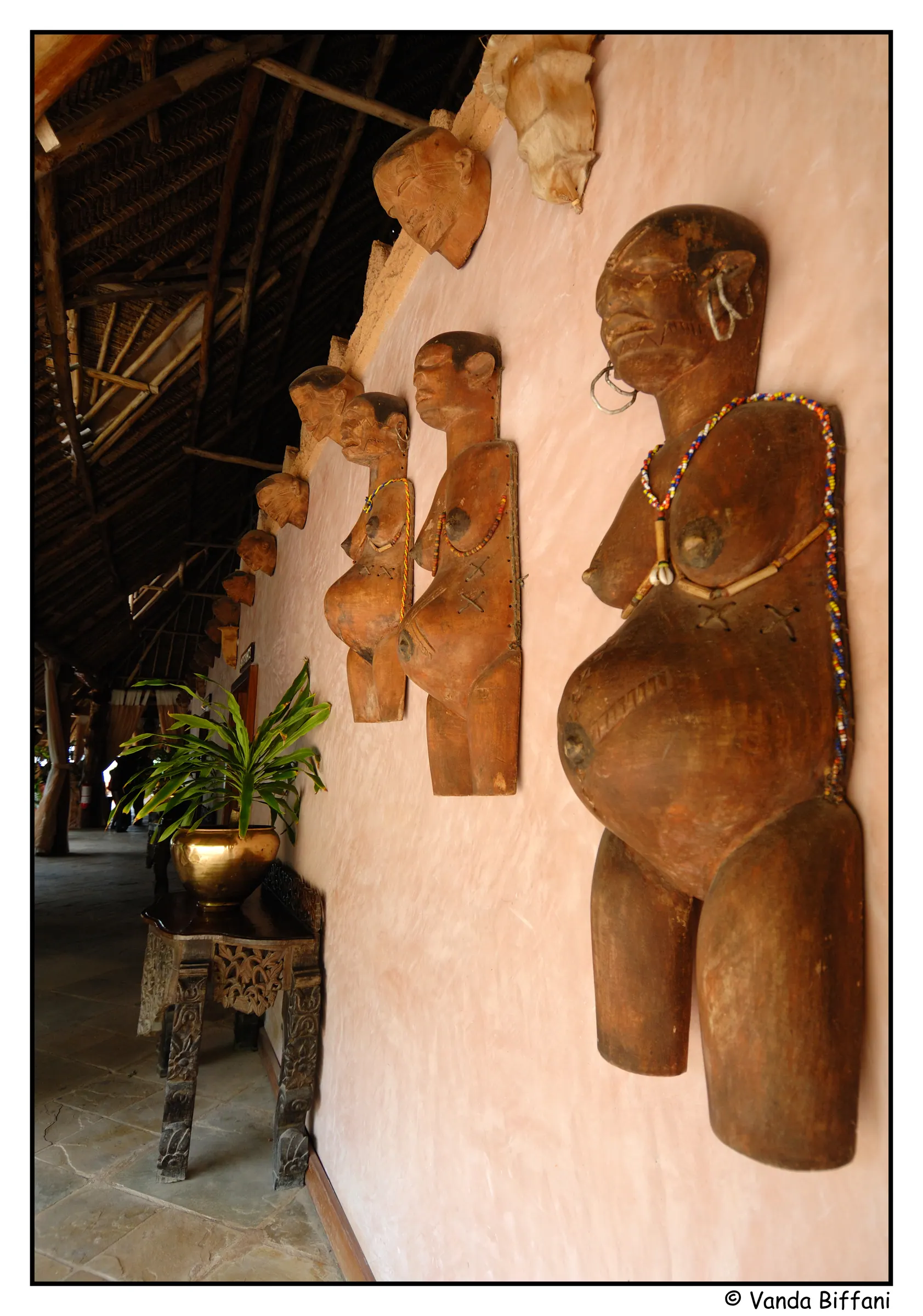
- The Swahili building tradition: coral rag and lime, mangrove pole roofs, makuti thatch, carved doors, wall niches and the courtyard house
- Climate-responsive design: thick walls, narrow shaded streets, roof terraces and cross-ventilation, and what contemporary green building borrows from them
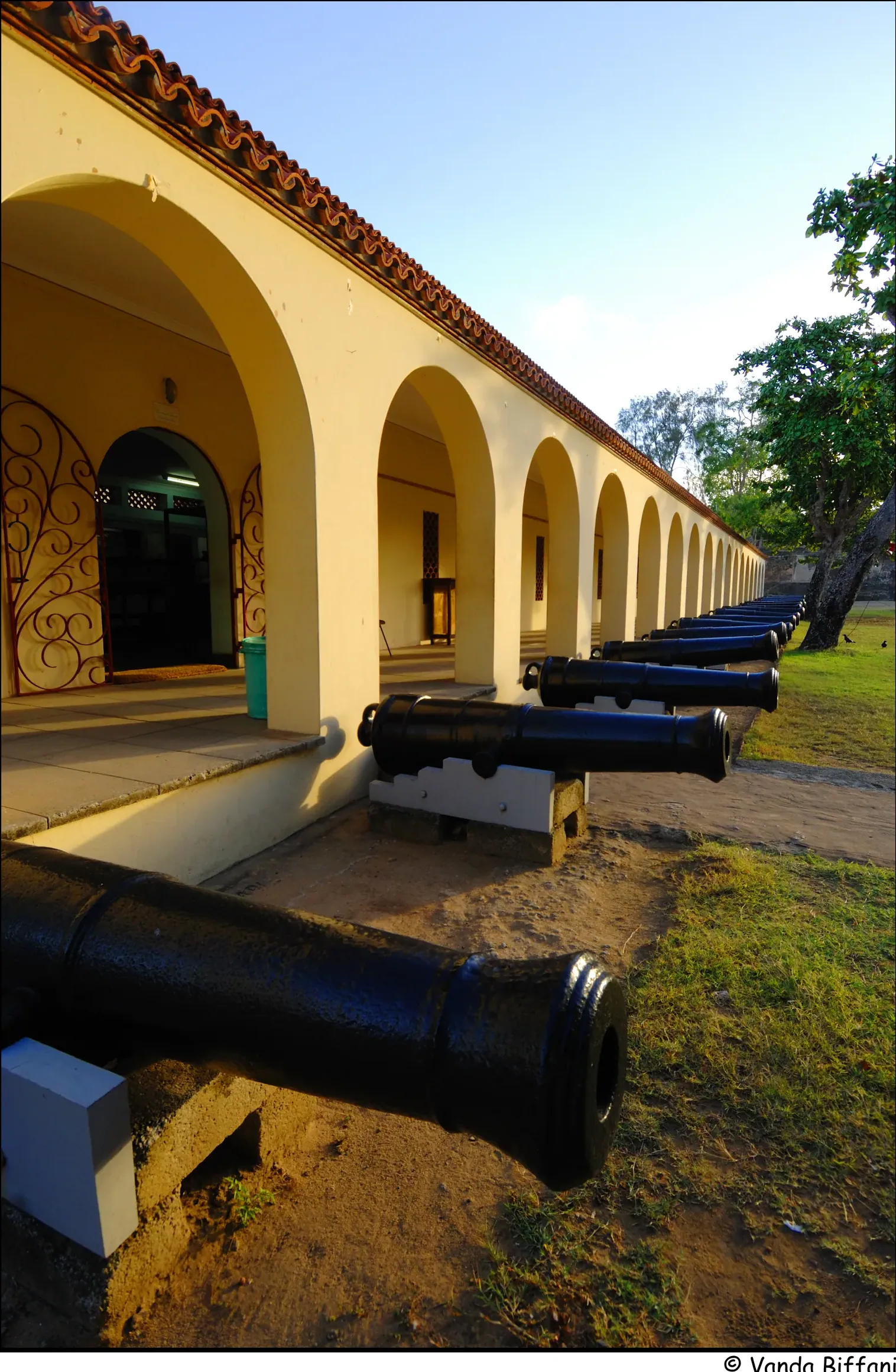
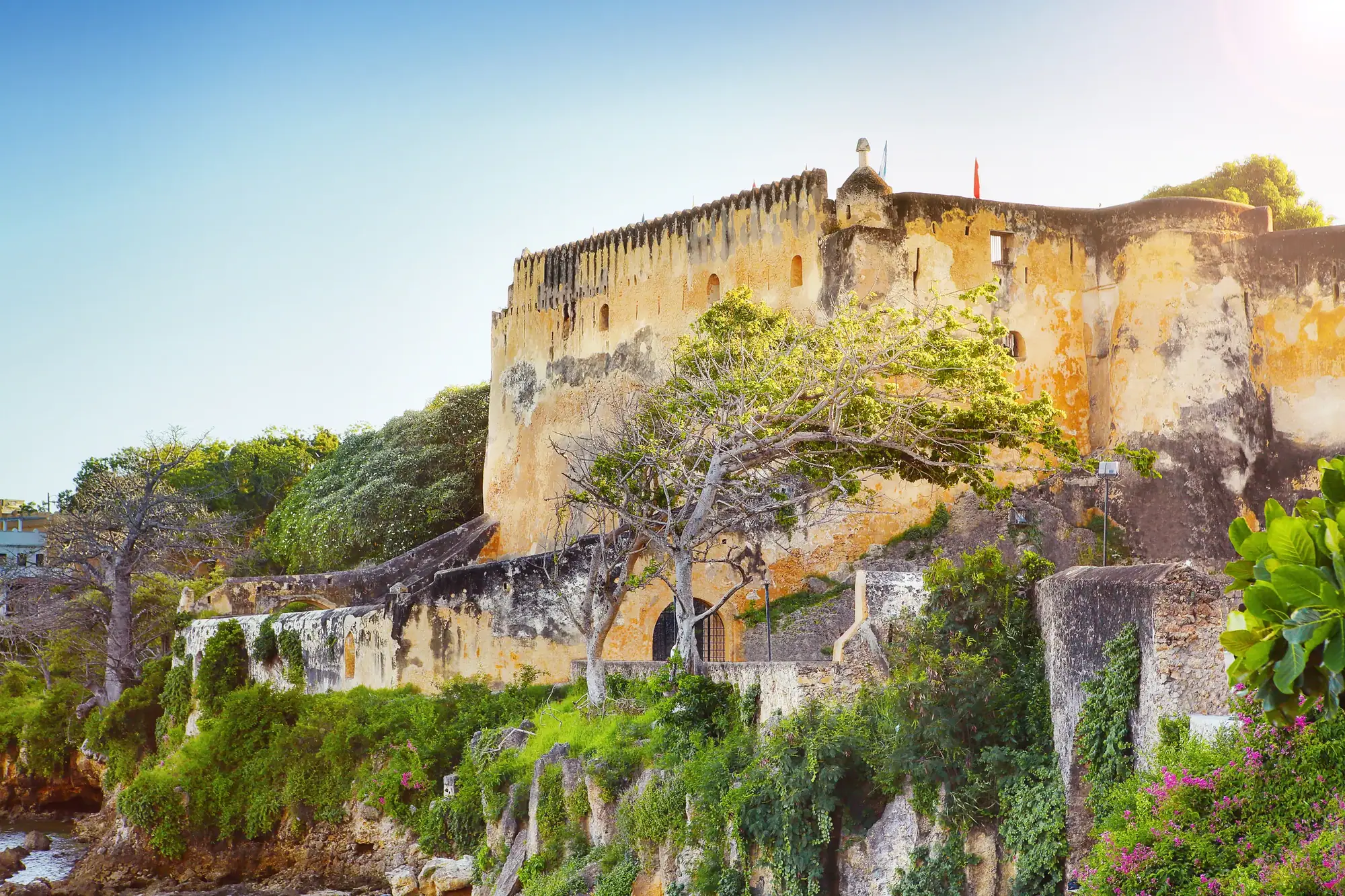
- Layers of power in stone: Portuguese, Omani and British building at Fort Jesus and in the old towns
- Post-independence architecture and national identity in Nairobi, from the KICC to university campuses
- Housing and informal settlements: upgrading programs, the national affordable housing program and the politics of land
- Heritage practice: World Heritage status, conservation rules in old towns and who decides what is kept
Sites and hosts, by type
Named bodies are examples of who does this work, not partners of ours. We approach hosts for each program and confirm every session in writing.
| Type | Examples | What students do |
|---|---|---|
| Swahili towns | Mombasa Old Town; Lamu Old Town and Shela | Street sections, door studies, conservation rules, talks with residents |
| Ruined stone towns | Gede near Watamu; Jumba la Mtwana near Mtwapa | Site survey, plan reading and coral stone construction |
| Forts and colonial heritage | Fort Jesus, a World Heritage Site; Nairobi's old center | Military architecture and the layers of each period |
| Nairobi modernism | The KICC, Parliament Buildings, university campuses | Post-independence architecture and its symbolism |
| Housing | Upgrading projects and affordable housing sites, through university and NGO hosts | Lectures and site visits where hosts agree |
| Conservation bodies | National Museums of Kenya and its conservation teams | Heritage law and practice, where hosts agree |
| Schools of architecture | University architecture schools in Nairobi | Joint studio reviews with Kenyan students |
A sample two-week outline
| Day | Where | Learning |
|---|---|---|
| 1 | Nairobi | Arrive at JKIA, transfer, welcome dinner |
| 2 | Nairobi | Orientation and safety; a walking study of the old center; the view from the KICC |
| 3 | Nairobi | Parliament and university modernism; the Nairobi National Museum |
| 4 | Nairobi | Housing day: an affordable housing site and an upgrading lecture with a university host |
| 5 | Nairobi | A joint studio review with Kenyan architecture students |
| 6 | Nairobi to Mombasa | The Madaraka Express, about 5 to 6 hours, and the new railway terminals as architecture |
| 7 | Mombasa | Measured drawing at Fort Jesus |
| 8 | Mombasa | Old Town streets, doors and balconies; a session on conservation rules |
| 9 | Mtwapa to Watamu | Jumba la Mtwana on the way; drive about 2 hours north |
| 10 | Gede | A site survey of the ruined town and its houses, mosques and palace |
| 11 | Watamu | Contemporary coastal building: lime, makuti and the craftspeople who still use them |
| 12 | Watamu | A design charrette on climate-responsive housing |
| 13 | Mombasa | Return to Mombasa; final presentations |
| 14 | Mombasa | Fly home, usually via Nairobi |
Adding Lamu
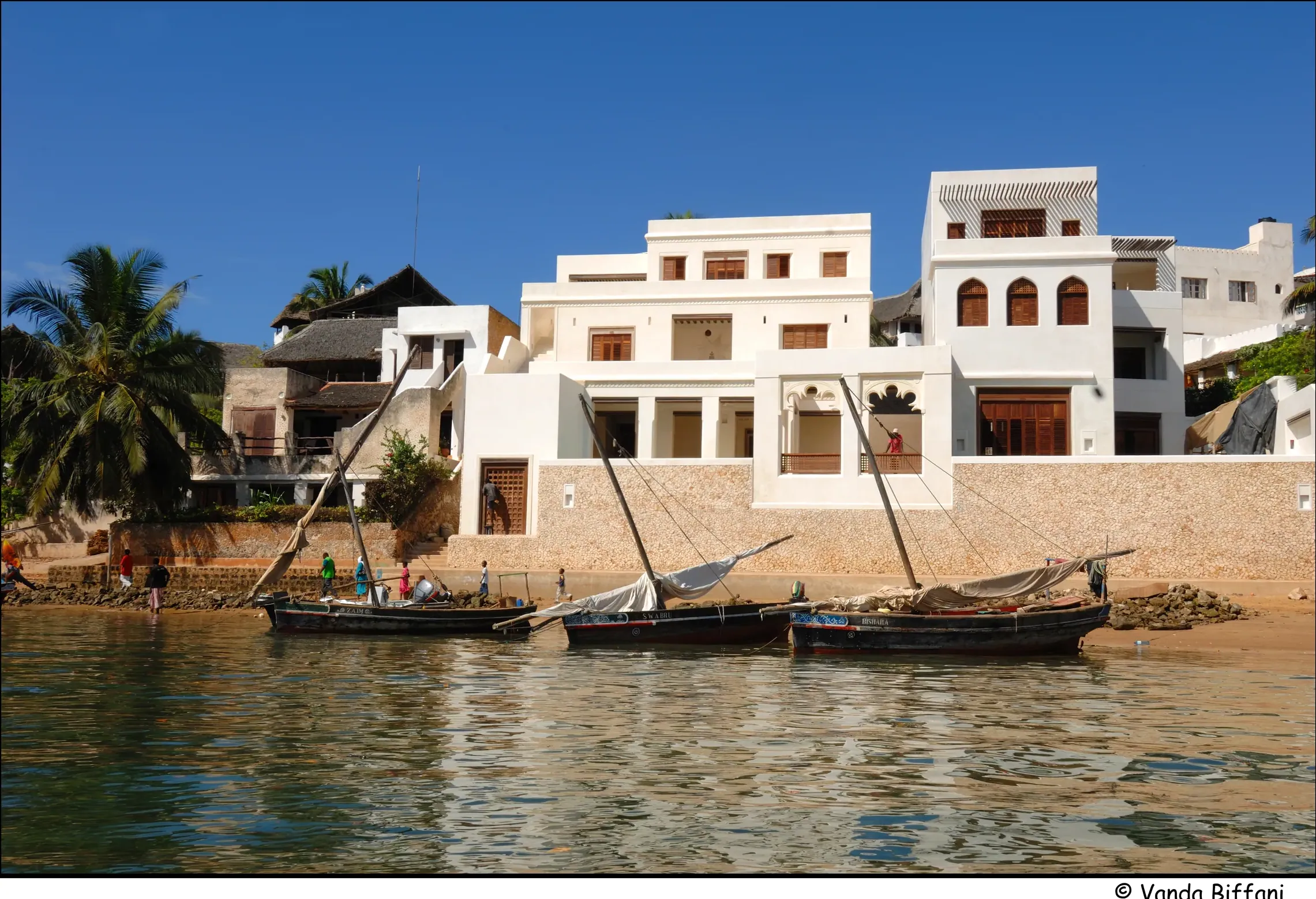
Lamu Old Town is where the Swahili building tradition survives most completely: a living town of coral stone houses, narrow lanes, roof terraces and carved doors, with donkeys and handcarts still doing most of the hauling, and a World Heritage Site since 2001. A three-day extension flies north from the coast to the airstrip on Manda Island, crosses to Lamu by boat, and gives students two full days of street sections, door studies and measured drawing, with a session on the town's conservation rules and, where owners agree, visits to restored houses. Shela, a short boat ride or a walk along the shore, shows the same tradition at village scale, and the contrast between the two is a good studio question in itself.
Ethics and permits
Old towns are neighborhoods, not museums. Students dress modestly in Mombasa's Old Town, ask before photographing people or homes, enter private houses only by invitation and visit mosques only with permission and never at prayer times. We do not run slum tours: any visit to an informal settlement such as Kibera is hosted by a resident-led or university partner, small, and on the residents' terms. Measured drawing and survey at monuments need the site manager's permission, which we arrange; drone photography needs prior authorization. Research such as resident interviews for a thesis needs a NACOSTI licence, from $300 for foreign undergraduates since October 1, 2026; see our research permits page.
Safety on site
Students travel in our vehicles with our drivers, and Old Town walks run in small groups with a local guide. Before you book, check the current U.S. State Department advisory for Kenya and confirm your travel insurance covers your route, including any Lamu extension; universities often need their own approval for international travel. The coast is hot and humid, so site days start early and finish by midday, and malaria prevention is essential. Our school trip safety page sets out supervision and the emergency plan.
What it costs
Faculty-led programs commonly run about $3,500 to $6,500 per student for two to four weeks on the ground, excluding international airfare. Taking the train to the coast and staying in Mombasa and Watamu guesthouses keeps this route toward the middle of that range; hotel standard is the main variable.
| Item | Guide figure | Notes |
|---|---|---|
| Ground program, 2 to 4 weeks | About $3,500 to $6,500 per student | Lodging, meals, transport, site fees and staff |
| Nairobi to Mombasa | Train in the ground price | The Madaraka Express, about 5 to 6 hours |
| International flight | About $900 to $1,600 round trip | From New York; flying home from Mombasa can cost more |
| NACOSTI research licence | From $300 | Only for research data |
| Kenya eTA and inbound health insurance | $30 plus $44 | Per traveler, before departure |
Next step
Send us your studio brief, dates and numbers. We reply with a draft program, the sites and hosts we would approach, drawing permissions and an itemized budget. Students can pay in full or monthly, with no deposit.