Study in Kenya. Updated November 2026. 5 min read.
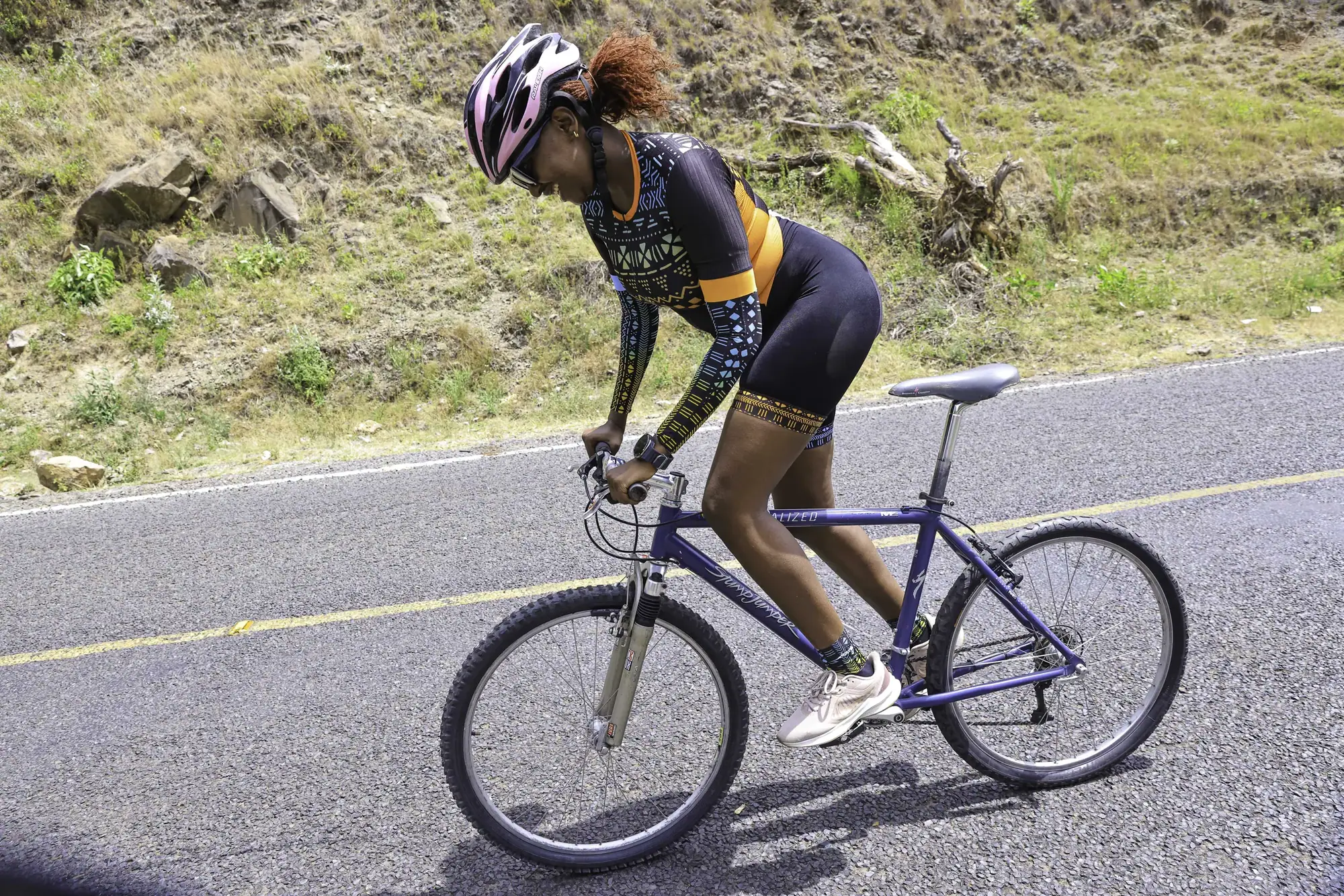
Iten is a small town on the edge of the Kerio Valley escarpment, about 2,400 meters up, with a sign over the road that calls it the Home of Champions. At six in the morning the red dirt roads fill with runners in groups of fifty, and an exercise science student can watch, in one week, most of what the textbooks say about altitude, training volume and the culture that turns talent into results. This page is for the department or club that wants to study that, not just run in it.
In short: a sports science program in Iten runs 10 to 14 days, with a short flight from Nairobi to Eldoret and a base in Iten. Students observe group training, run easy miles themselves, hear from coaches and athletes, take part in structured field testing and study the social side of Kenyan running. If you want a training camp for a club without the academic program, our Iten running camps page covers that; this page is the course.
Who it is for
- Kinesiology, exercise physiology and sports science departments
- Athletic training, coaching and sports management programs
- University and masters running clubs that want a structured, educational camp
- Sports anthropology and sociology courses
What students learn
- Altitude physiology: lower oxygen pressure, faster breathing and heart rate in the first days, changes in red cell mass and plasma volume over weeks, sleep and hydration
- Acclimatization in practice: why the first days feel hard, how to dose training, and why live-high strategies take weeks to pay off
- Training methods: high-volume easy running in groups, fartlek, long runs and track sessions, and how pace and rest are managed
- The Kalenjin running story: environment, childhood activity, diet, economic incentive and culture, and why single-cause explanations such as genes fail
- Nutrition: ugali, greens, milk and mursik, and the gap between the myth and the reality of the runners' diet
- Integrity and economics: anti-doping in Kenya, prize money, managers, and what a career means for a family
Sites and hosts, by type
These are the settings a program in Iten uses. We do not have standing partners here; we approach camps, coaches and universities for each program and confirm every session in writing.
| Type | Examples | What students do |
|---|---|---|
| Training camps | Group camps in and around Iten that host visiting runners | Observe key sessions, join easy runs, interview coaches |
| Tracks and trails | The dirt track at Kamariny Stadium; the red roads and the escarpment trails | Field testing and session observation |
| Universities | Universities in Eldoret, about 35 km away | Guest lectures and joint sessions, where hosts agree |
| Schools | Secondary schools with strong athletics programs | A school visit and a run with students, with consent |
| Integrity and governance | The Anti-Doping Agency of Kenya and athletics clubs | A session on testing, education and integrity |
| Community | Kalenjin farming families around Iten | A home visit, mursik and the farm behind an athlete's career |
A sample two-week outline
| Day | Where | Learning |
|---|---|---|
| 1 | Nairobi | Arrive at JKIA, transfer, rest |
| 2 | Iten | Fly about an hour to Eldoret, drive about 45 minutes to Iten; an easy shakeout; baseline resting heart rate, oxygen saturation and body mass |
| 3 | Iten | Observe a morning group session; a lecture on altitude physiology |
| 4 | Iten | Structured field testing at the track, with equipment your team brings |
| 5 | Iten | Long-run morning; coach interviews; a nutrition session with mursik |
| 6 | Eldoret | A university session on sport science and athletics |
| 7 | Iten | A school visit; rest afternoon; first data review |
| 8 | Kerio Valley | Escarpment trails and the drop to the valley floor |
| 9 | Iten | Anti-doping, athlete economics and the business of running |
| 10 | Iten | Repeat testing and student presentations; the 10-day version flies home from Eldoret |
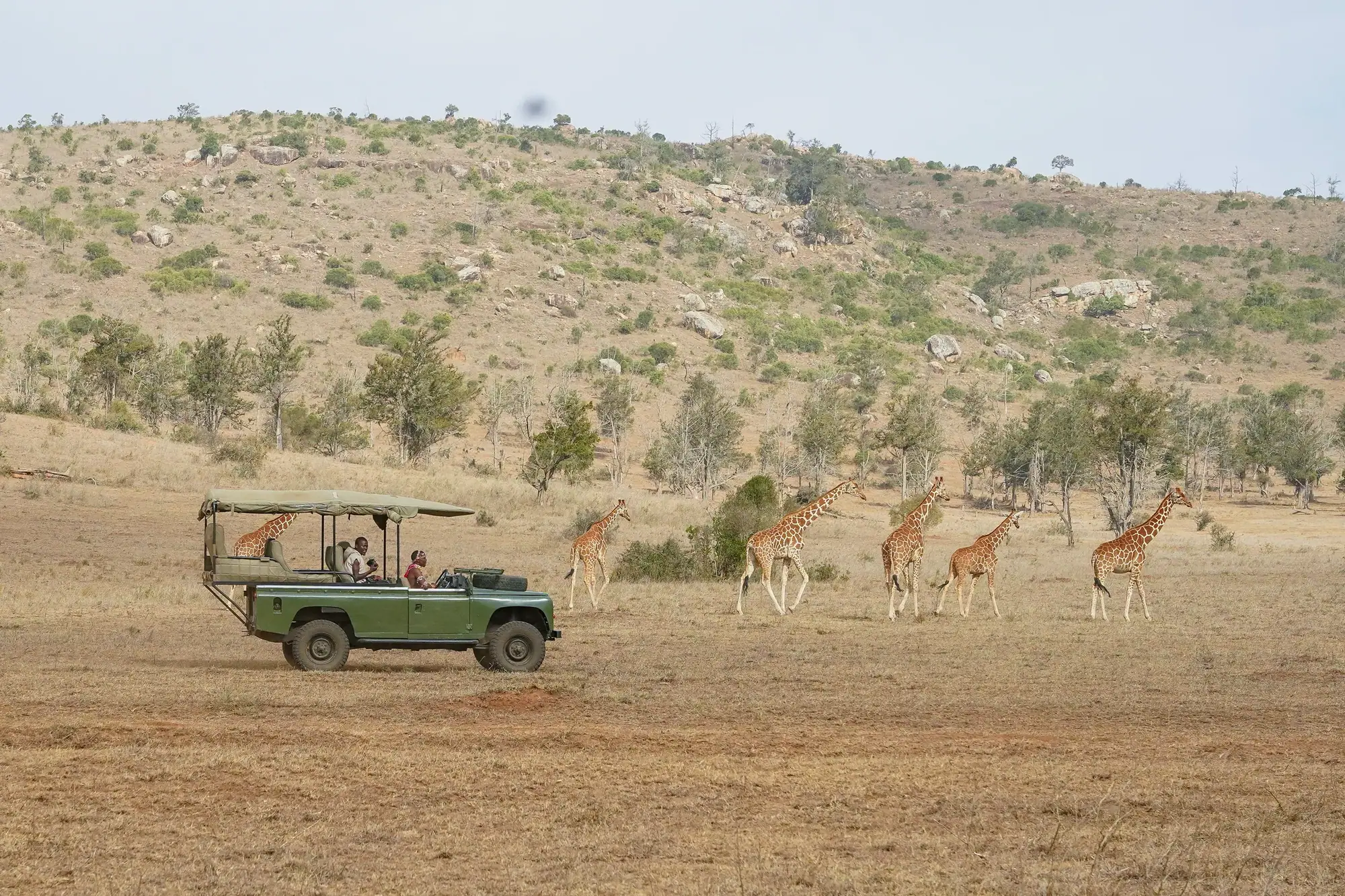
| 11 | Lake Nakuru | Drive about 3 to 4 hours; afternoon game drive |
| 12 | Naivasha | Hell's Gate on foot or by bike with a guide |
| 13 | Nairobi | Synthesis and final presentations |
| 14 | Nairobi | Departure |
Research, ethics and permits
Testing your own students as a teaching exercise needs your home institution's approval. Collecting data on Kenyan athletes, students or communities is research: it needs approval from your institutional review board and a Kenyan ethics committee, and a NACOSTI research licence, which costs $300 for foreign undergraduates and $500 for doctoral students since October 1, 2026. Our research permits page explains the process and timeline. Kenyan athletes who give their time are compensated, consent is in writing and in a language they choose, and minors are never tested. No one gives Kenyan athletes supplements or medicines of any kind, and visiting teams check every product they bring against the prohibited list.
There is also an ethical point about framing. Kenyan runners are not specimens, and students should be ready to discuss the long history of crude explanations of African athletic success, and why the evidence points to many causes at once.
Safety and altitude
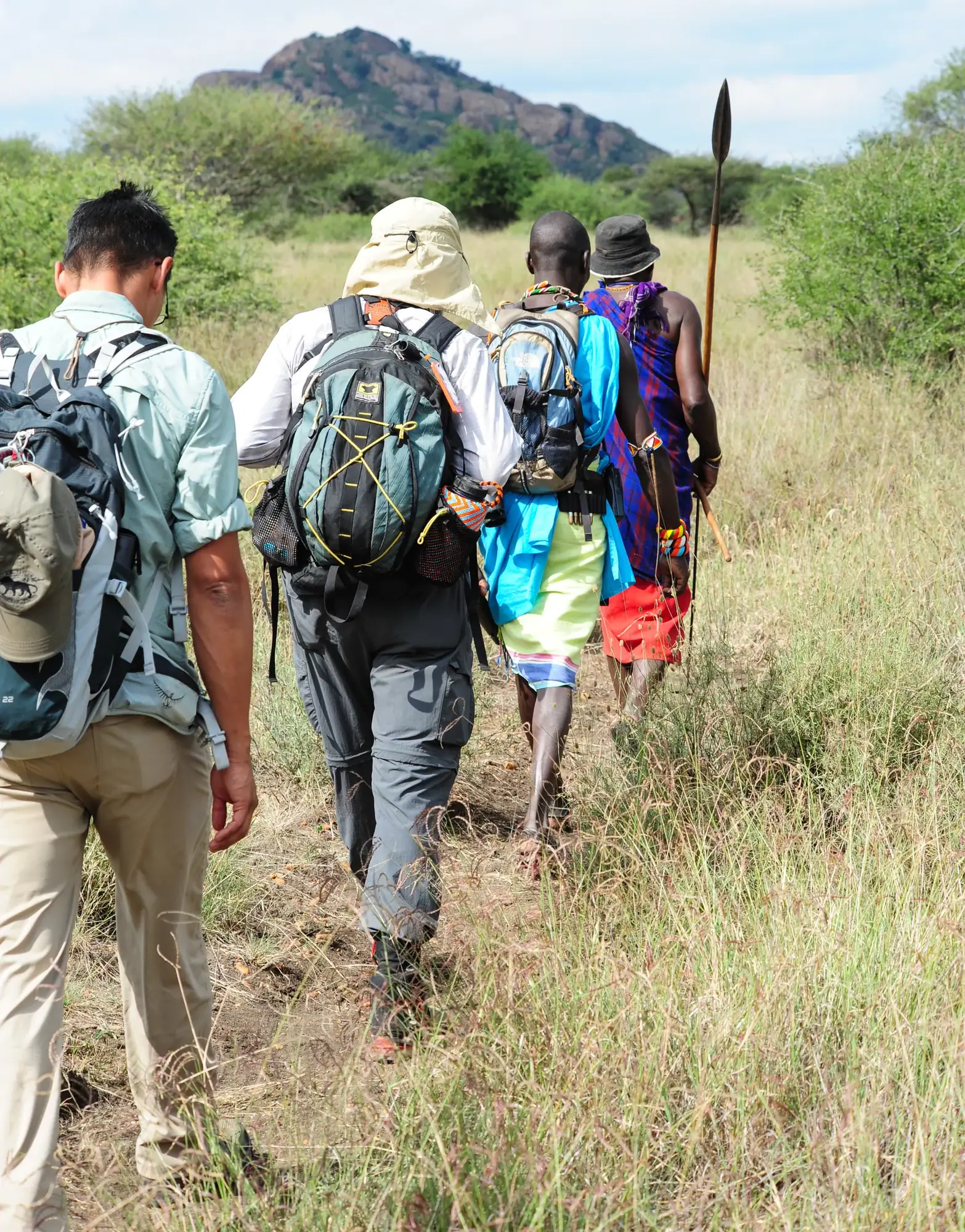
At 2,400 meters most visitors feel the altitude for a few days: breathlessness, headache and poor sleep are common, so the first days are easy and hydration matters. Serious altitude illness is unlikely at this height, but anyone with heart or lung conditions should see a doctor first. On the roads, runners share space with motorbike taxis, trucks and dogs, so students run in groups with local pacers, wear bright colors and stay off the roads after dark. Before you book, check the current U.S. State Department advisory for Kenya and confirm your travel insurance covers your route. Our school trip safety page covers supervision and medical cover.
What it costs
Faculty-led programs commonly run about $3,500 to $6,500 per student for two to four weeks on the ground, excluding international airfare. Lodging in Iten is simple and good value, so a 10-day program without a safari sits toward the lower part of that range; the Eldoret flights and the safari extension are the main extras.
| Item | Guide figure | Notes |
|---|---|---|
| Ground program, 2 to 4 weeks | About $3,500 to $6,500 per student | Lodging, meals, transport, host fees and staff |
| Nairobi to Eldoret flights | In the ground price | About an hour each way |
| International flight | About $900 to $1,600 round trip | From New York; more in peak months |
| NACOSTI research licence | From $300 | Only if data is collected on Kenyan participants |
| Kenya eTA and inbound health insurance | $30 plus $44 | Per traveler, before departure |
How this page fits with our other guides
Our Iten running camps page is for clubs and amateurs who want to train; the Eldoret and Iten destination guide covers the towns, getting there and where to stay. This page adds the academic layer: learning outcomes, testing, ethics and permits.
Next step
Send us your course goals, testing plans, dates and numbers. We reply with a draft program, the hosts we would approach, a permit plan and an itemized budget. Students can pay in full or monthly, with no deposit.