Culture. Updated November 2026. 5 min read.
Ask a Kenyan their name and you may learn the hour they were born, the season, which grandmother they are named for, or what their parents hoped for them. Many Kenyans carry three names that tell three stories: an English or Arabic first name from church or mosque, a name from their community, and a family name, often their father's. Learning what the middle one means is one of the easiest ways to make a friend in Kenya.
The rules differ by community. Luo names often record the time of day or the circumstances of birth; Kikuyu children are named after their grandparents in a set order; Kalenjin names begin with Kip for boys and Che or Jep for girls; Luhya names often mark the season; and Swahili names come from Arabic or from Kiswahili words. Below is a guide by community, a lookup table, and notes for diaspora families naming a child abroad. Our peoples pages cover each community's history in full.
Luo: the hour and the circumstance
Luo names are the easiest to read once you know the code. Boys' names usually begin with O and girls' with A, and the root often tells you when or how the child was born. An Otieno or Atieno was born at night; an Okinyi or Akinyi in the morning; an Ochieng or Achieng when the sun was high; an Odhiambo or Adhiambo in the evening. Other names record the weather or the birth itself: Okoth or Akoth for a child born in the rain, Opiyo or Apiyo for the first of twins and Odongo or Adongo for the second, and Okello or Akello for the child born after twins. That is why a Kenyan meeting an American called Obama knows at once that the name is Luo.
Kikuyu: grandparents first
Kikuyu families traditionally name children after relatives in a fixed order. The first son is named after his father's father and the second after his mother's father; the first daughter is named after her father's mother and the second after her mother's mother. Later children are named after the parents' brothers and sisters. The result is that names circle back every generation, and a grandmother may greet her namesake granddaughter as a version of herself. Many common girls' names, such as Wanjiru, Wambui, Wanjiku, Wairimu and Wangari, echo the clans that, in the Kikuyu origin story, descend from the daughters of Gikuyu and Mumbi. Wanjiku has a second life too: Kenyans use it the way Americans say the average Joe, for the ordinary citizen.
Kalenjin: Kip and Che
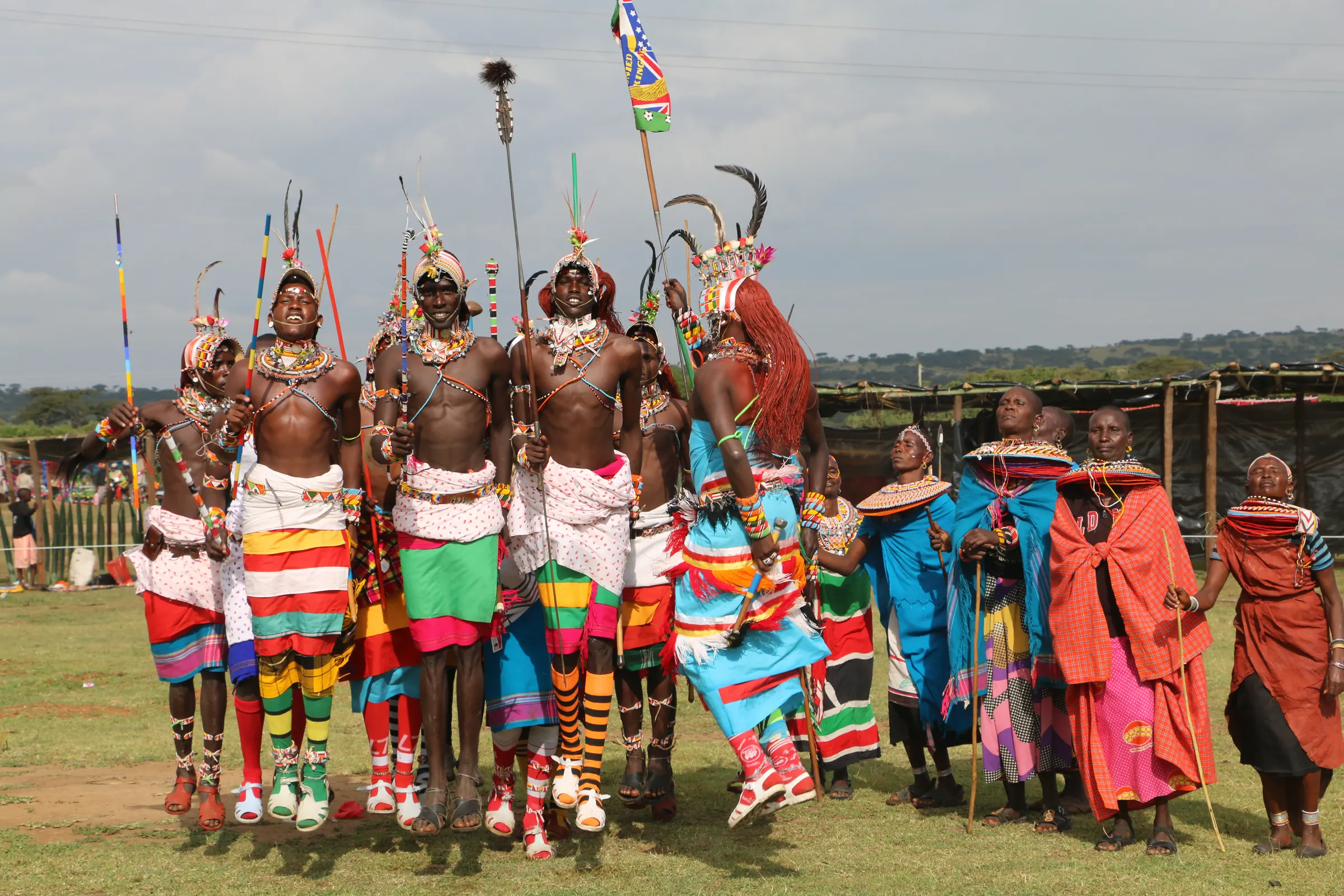
Kalenjin names, familiar to anyone who follows distance running, start with Kip for a boy and Che or Jep for a girl, followed by a root that often describes the circumstances of birth. Kipchoge is associated with being born near the grain store; Kibet and Chebet with being born during the day; Kiprotich and Cherotich with being born as the cattle came home in the evening. Look at a list of Kenyan Olympic medalists and you are reading a Kalenjin naming dictionary.
Luhya, Kamba and others
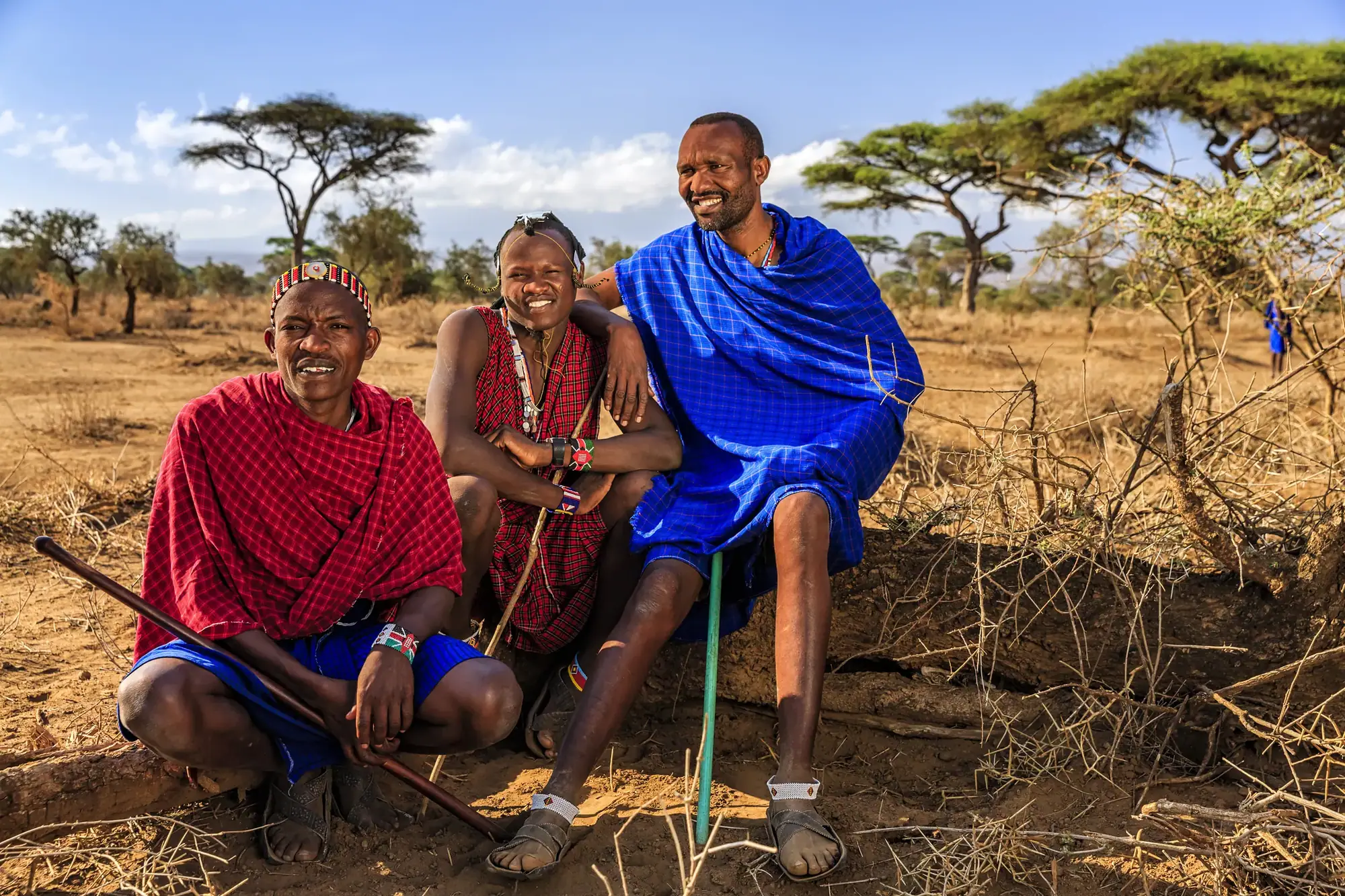
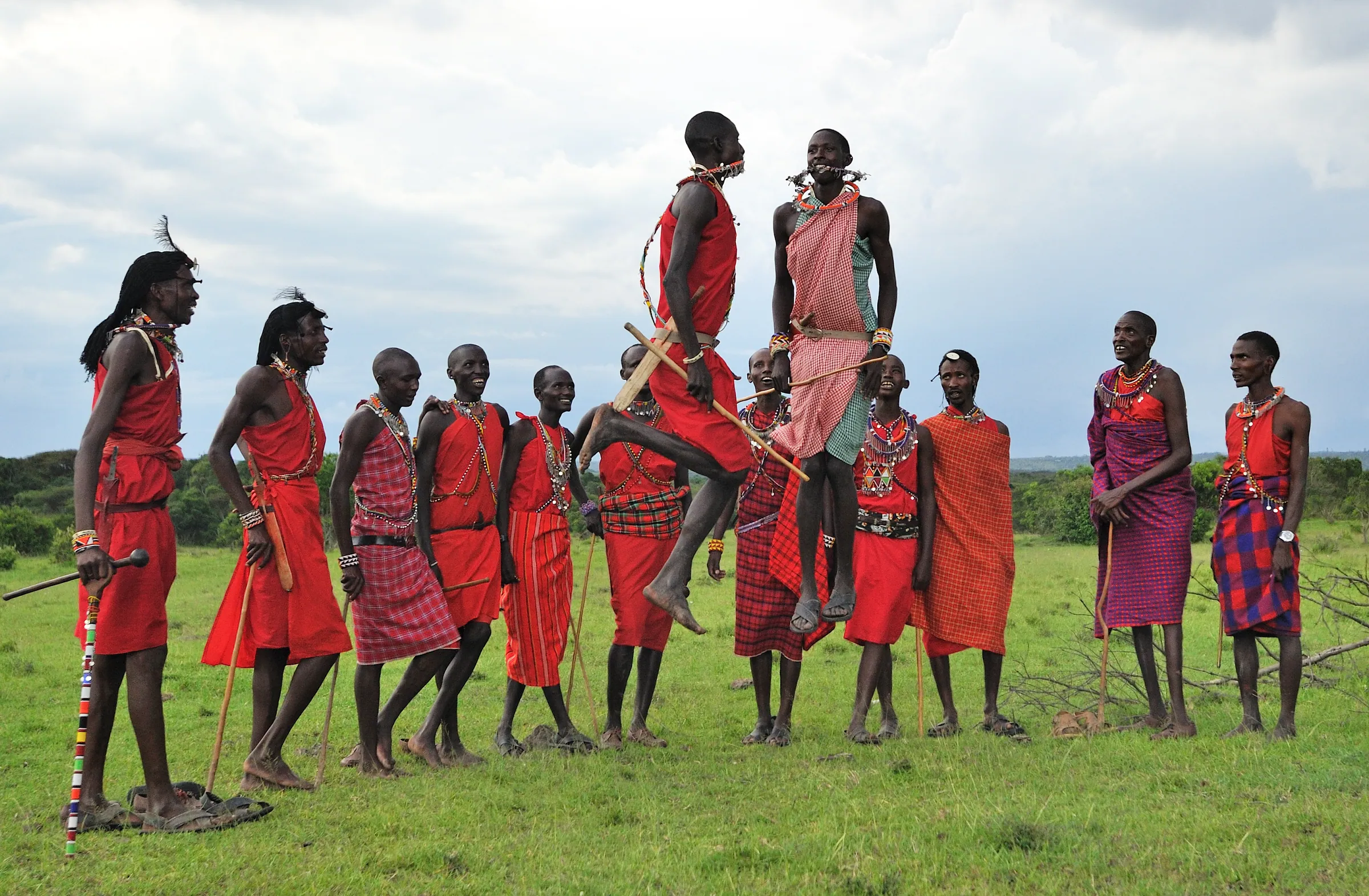
Many Luhya names mark the season or the state of the harvest, with Wa for boys and Na for girls: Wafula and Nafula for a child born in the rainy season, Wekesa and Nekesa at harvest, Wanjala and Nanjala in a time of hunger, Simiyu and Nasimiyu in the dry season. Kamba names work in a similar spirit: Mumbua for a girl born in the rain, Wayua in a time of famine, Kioko for a boy born in the morning, and Mwende for a beloved child. Somali Kenyans use a chain of names, a given name followed by the father's and the grandfather's, so a surname is not shared by a whole family. Among the Maasai, men often use ole, son of, before their father's name, and many girls' names begin with Na, such as Naserian, which is often translated as the peaceful one.
The Swahili coast
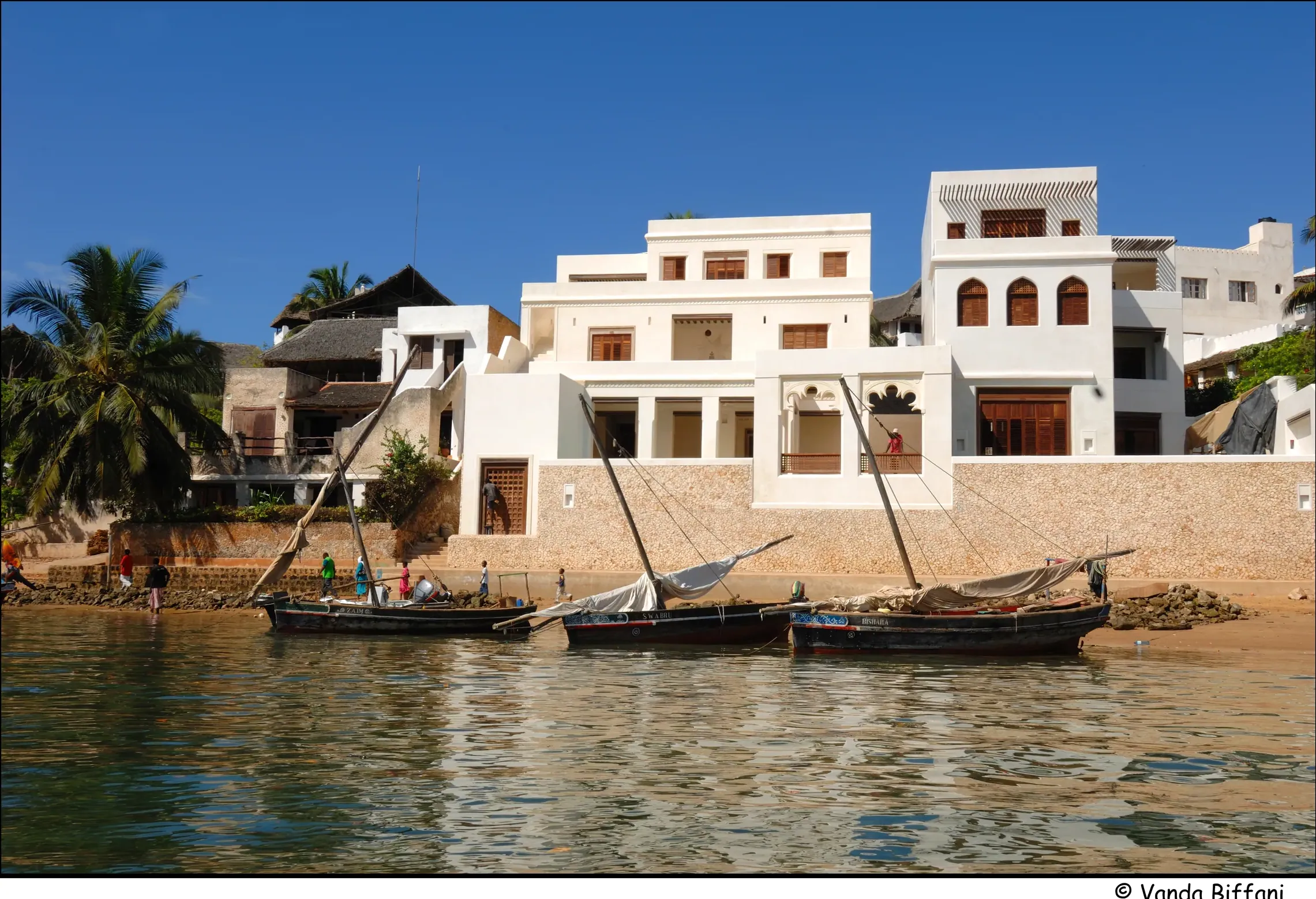
On the coast, most names come from Islam and Arabic, such as Mohamed, Ali, Fatma and Amina, with bin, son of, and binti, daughter of, linking a person to their father. Mwana, child, begins many women's names. Kiswahili also gives names that are simply words, popular across Kenya and with African American families: Baraka (blessing), Imani (faith), Zawadi (gift), Neema (grace), Amani (peace), Furaha (joy), Upendo (love) and Rehema (mercy).
| Name | Community | Usual meaning |
|---|---|---|
| Atieno, Otieno | Luo | Born at night |
| Akinyi, Okinyi | Luo | Born in the morning |
| Achieng, Ochieng | Luo | Born when the sun was high |
| Adhiambo, Odhiambo | Luo | Born in the evening |
| Akoth, Okoth | Luo | Born in the rain |
| Apiyo, Opiyo; Adongo, Odongo | Luo | First and second of twins |
| Wanjiru, Wambui, Wanjiku | Kikuyu | Linked to the clans of the daughters of Gikuyu and Mumbi |
| Kipchoge | Kalenjin | Born near the grain store |
| Kibet, Chebet | Kalenjin | Born during the day |
| Wafula, Nafula | Luhya | Born in the rainy season |
| Wekesa, Nekesa | Luhya | Born at harvest |
| Mumbua | Kamba | Born in the rain |
| Baraka | Swahili | Blessing |
| Zawadi | Swahili | Gift |
Mama Akinyi and other names you will hear
Kenyan parents are often called by the name of their first child: a woman whose eldest is Akinyi becomes Mama Akinyi to the neighbors, and her husband Baba Akinyi. Shopkeepers and drivers will call you mama, mzee (elder, for an older man), dada (sister) or kaka (brother) as a sign of respect, not familiarity. English first names arrived with mission schools and baptism; some Kenyans of the independence generation dropped theirs, and Ngugi wa Thiong'o, who first published as James Ngugi, is the famous example. Today many parents choose African names first.
Saying names right
- Vowels are pure and every one is spoken: A as in father, E as in bed, I as in machine, O as in more, U as in rule
- Stress usually falls on the second-to-last syllable: o-DHIAM-bo, wan-JI-ru
- Ng' (with the apostrophe) is the ng of singer at the start of a word, as in Ng'ang'a
- Dh in Luo names is a soft th, as in this: Odhiambo
- When in doubt, ask; Kenyans would much rather teach you than hear you mumble
For diaspora families
Many Kenyan Americans want to know what their own name means, or want to give a child born in the United States a name that ties them to home. Ask the grandparents first: in Kikuyu and other communities, the naming order matters to the family, and a grandmother will notice whether a grandchild carries her name. Children born abroad to a Kenyan parent can usually be registered as Kenyan citizens; check the current process with the Kenyan embassy in Washington or your nearest consulate. A heritage trip home is a good time to learn the family story behind a name, from the people who remember it.