Culture. Updated November 2026. 4 min read.
A Kenyan wedding is not a day. It is a season: a first visit to the bride's family, a dowry negotiation that can take several meetings, months of weekly committee meetings, a church or mosque ceremony, and a reception with hundreds of guests that runs long after the program says it will end. If you are invited to any part of it, go. It is the best way to see how Kenyan families work.
Most Kenyan marriages run on two tracks. The traditional track is the dowry, or bride price, agreed between the two families in a series of visits and ceremonies whose names and customs differ by community. The second track is the wedding most Americans would recognize, in a church, a mosque, a temple or a registrar's office. This page explains both, so you know what you are watching and how to be a good guest. If you are planning your own wedding in Kenya, our diaspora weddings page covers venues, the legal process and planning from the United States.
What dowry really means
Outsiders often hear bride price as buying a wife. Kenyans describe it differently: it is how two families recognize each other, thank the bride's parents for raising her and bind the families together. Payment was traditionally in cattle and goats; today it is often livestock, cash or a mix, with gifts of food and drink for the bride's family. The negotiation is a performance with rules, spokesmen and a lot of humor, and it can take several visits. In many families, the couple are married in the eyes of the community once the dowry ceremony is done, even before any church wedding.
Traditions by community
| Community | Ceremony | What happens |
|---|---|---|
| Kikuyu | Ruracio | The groom's family visits to negotiate dowry, counted traditionally in goats; often a playful test in which the groom must find his bride among women hidden under cloths |
| Luo | Ayie and dowry | The bride's family formally accepts the groom; dowry traditionally paid in cattle, with visits between the two homes |
| Kalenjin | Koito | The engagement ceremony where the families agree the marriage and the bride price |
| Kamba | Ntheo | The ceremony that seals the marriage once dowry has been agreed |
| Luhya and Gusii | Bride-price visits | Negotiations, traditionally over cattle, with feasting and speeches from both families |
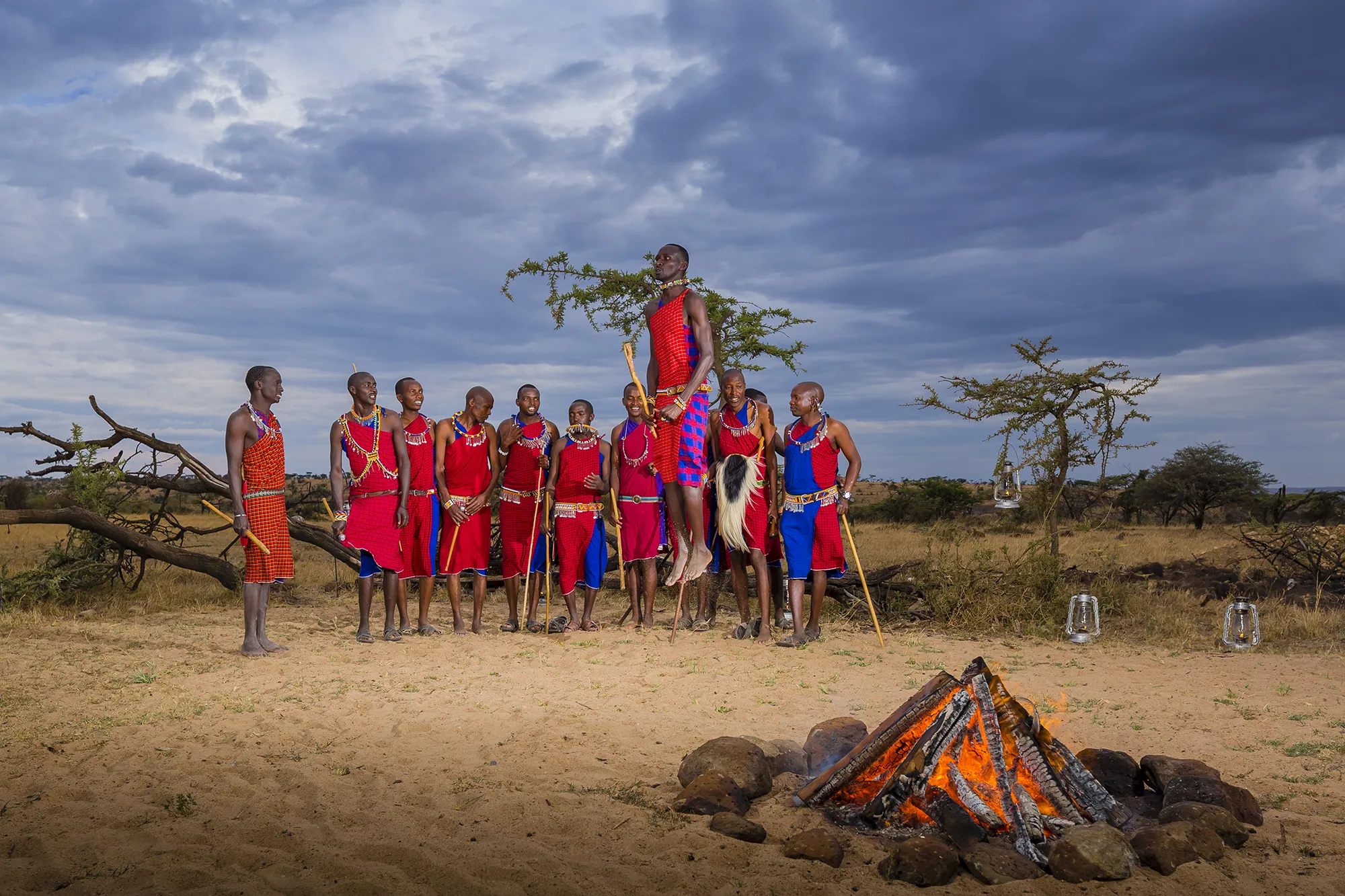
| Maasai | Enkiama | A marriage agreed between families and sealed with cattle, with blessings from the elders as the bride leaves home |
| Swahili | Nikah and kupamba | The Islamic marriage contract with mahari, a gift to the bride, then women's celebrations with henna and the bride's display |
The Swahili wedding
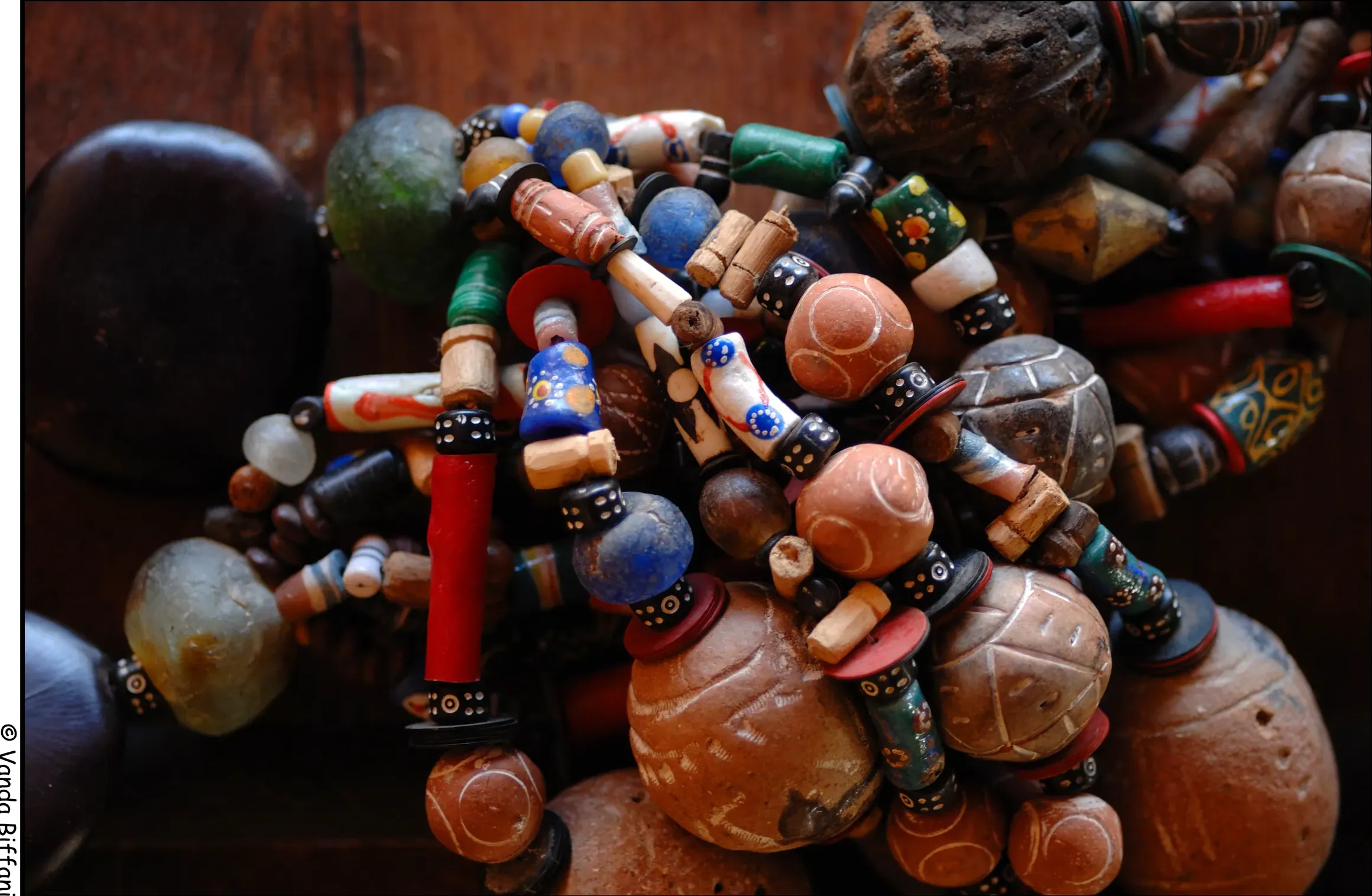
On the coast, a Muslim wedding centers on the nikah, the marriage contract, made before an imam with the bride's guardian, witnesses and the mahari, a gift from the groom to the bride that is hers to keep. Men and women often celebrate separately. The women's events are the heart of it: a henna night, when the bride's hands and feet are painted in intricate designs, and the kupamba, when the bride, dressed and adorned, is presented to the women guests to music, often taarab. If you are invited as a woman, it is a rare privilege; dress modestly, and expect no men and few cameras.
The modern big day
Upcountry and in Nairobi, the white wedding is a production. Months before, the couple form a committee of friends and relatives that meets weekly, plans every detail and raises much of the budget through pledges and contributions, often sent by M-Pesa, in the spirit of harambee, pulling together. On the day, a church service is followed by a photo session in a garden, then a convoy of decorated cars, hooting all the way, to the reception.
- The MC runs everything: introductions of both families, long speeches from elders, jokes and the program
- The cake is cut and the couple feed each other and then their parents
- Gift presentation: guests dance in a line to the front, carrying wrapped gifts or envelopes
- Food is buffet: pilau, chapati, beef or goat stew, chicken and salads, with soda for most
- Start times are optimistic; a wedding called for 10 am may reach the reception by late afternoon
- In many families the traditional ceremony is held on a separate day, sometimes months earlier
How to be a good guest
- Accept warmly and confirm; you may be invited to a committee meeting, which is an honor
- Give cash in an envelope, a contribution to the committee or a household gift; ask the person who invited you what the couple prefer
- Wear kitenge if you have it, or smart clothes; women in dresses or skirts below the knee for church, covered arms and legs for a mosque or Swahili wedding
- Do not wear all white, and check whether there is a color theme for guests
- Ask before photographing the ceremony and the families, and keep phones down during prayers
- At a dowry ceremony, follow your host; visitors usually sit with the side that invited them and say little in the negotiations
The legal side
Kenya's Marriage Act of 2014 recognizes five kinds of marriage: Christian, Islamic, Hindu, civil and customary, and requires them to be registered. A dowry ceremony on its own is a customary step, and couples who need a marriage certificate for U.S. immigration or other paperwork should make sure the marriage is registered. Requirements for foreign nationals change, so check the official guidance; our diaspora weddings page walks through it.
Other ceremonies you may meet
Weddings are not the only big gatherings. Funerals, especially in western Kenya, draw hundreds of mourners, last several days and are a central duty for families, at home and in the diaspora. Coming-of-age ceremonies continue in many communities: the Bukusu imbalu circumcision season, held in August in even-numbered years, fills western Kenya with song and dancing, and Maasai and Samburu age-set ceremonies mark the passage from warrior to elder. Visitors attend only by invitation, through people the community trusts.