Culture. Updated November 2026. 5 min read.
The kanga comes with a proverb printed on it, the kikoi is the beach towel that became a fashion item, and the kitenge is the printed cloth Kenyans wear to weddings. Most visitors buy one of the three without knowing which, and many end up with a factory copy from a hotel shop. This page tells you how to tell them apart, what they mean to the people who wear them, and where to buy the real thing at a fair price.
In one line each: a kanga is a light printed cotton rectangle, sold in pairs, with a Swahili saying; a kikoi is a woven, striped cotton wrap with fringed ends; a kitenge is a heavier printed cloth sold by the length and sewn into clothes. Add the Maasai shuka, the checked blanket, and beadwork, and you have the fabrics you will see from Nairobi to Diani. For what to pack and wear on each part of the trip, see our what-to-wear guide; this page is about the cloth itself.
The kanga: a fabric that talks
The kanga grew up on the Swahili coast in the 1800s and is still sold in pairs, called a doti: one to wrap around the waist, one for the shoulders or head. Each piece has a border, a central design and a saying printed in Kiswahili, sometimes called the jina, its name. The saying is the point. A woman might wear one that says a jealous neighbor's words cannot hurt her, or give one to a new bride that wishes her patience in marriage. Kenyans read each other's kangas, and choosing one is a small act of communication.
Kangas do everything: baby sling, apron, headwrap, cover-up over a swimsuit, picnic blanket, gift. They are cheap, light and dry fast, which makes them the most useful thing you can buy on the coast. Ask the seller to read and translate the saying before you pay, and choose it on purpose; a saying about a cheating husband makes an awkward present. Our Kiswahili proverbs lesson will help you read them.
The kikoi: woven on the coast
The kikoi is woven, not printed: cotton in stripes of color, with knotted fringes at each end. Swahili men on the coast have long worn it as a wrap around the waist, and many still wear one at home. Visitors use it as the best beach towel ever made, since it is light, dries quickly and does not hold sand, and it is now sold as scarves, sarongs, bags and shirts. A thicker, toweling-backed version is sold for the beach. On the coast, the Mombasa and Lamu weaving tradition is the original, and coast markets and Old Town shops are the place to buy.
The kitenge: the cloth for big days
Kitenge (plural vitenge) is the bold printed cloth you will see at every Kenyan wedding, church service and graduation. The style has West African roots and a Dutch industrial history, with wax-print makers such as Vlisco, but East Africa made it its own, and Kenyan, Tanzanian and Ugandan designs now fill the shops. Kenyans buy it by the length and take it to a tailor: a shirt for a man, a dress or two-piece for a woman, often matching fabric for a whole family or wedding committee. Wearing kitenge to a Kenyan wedding or function, if you are invited, is a compliment your hosts will notice.
| Fabric | How it is made | How it is worn | Where to buy | Tip |
|---|---|---|---|---|
| Kanga | Printed cotton, sold in pairs | Wrap, sling, headwrap, cover-up, gift | Biashara Street, Nairobi and Mombasa; coast markets | Ask for the saying to be translated before you buy |
| Kikoi | Woven striped cotton, fringed ends | Men's wrap, beach towel, scarf | Mombasa Old Town, Diani and coast shops | Feel the weave: real kikoi is woven, not printed stripes |
| Kitenge | Printed cloth, sold by the length | Tailored dresses and shirts for functions | Fabric shops in Nairobi and Mombasa | Buy enough for the style; your tailor will tell you how much |
| Shuka | Checked woven blanket | Maasai wrap; visitors use it as a throw or game-drive blanket | Maasai Market, curio shops, Maasai hosts | Buying from Maasai hosts on a hosted visit puts money where it belongs |
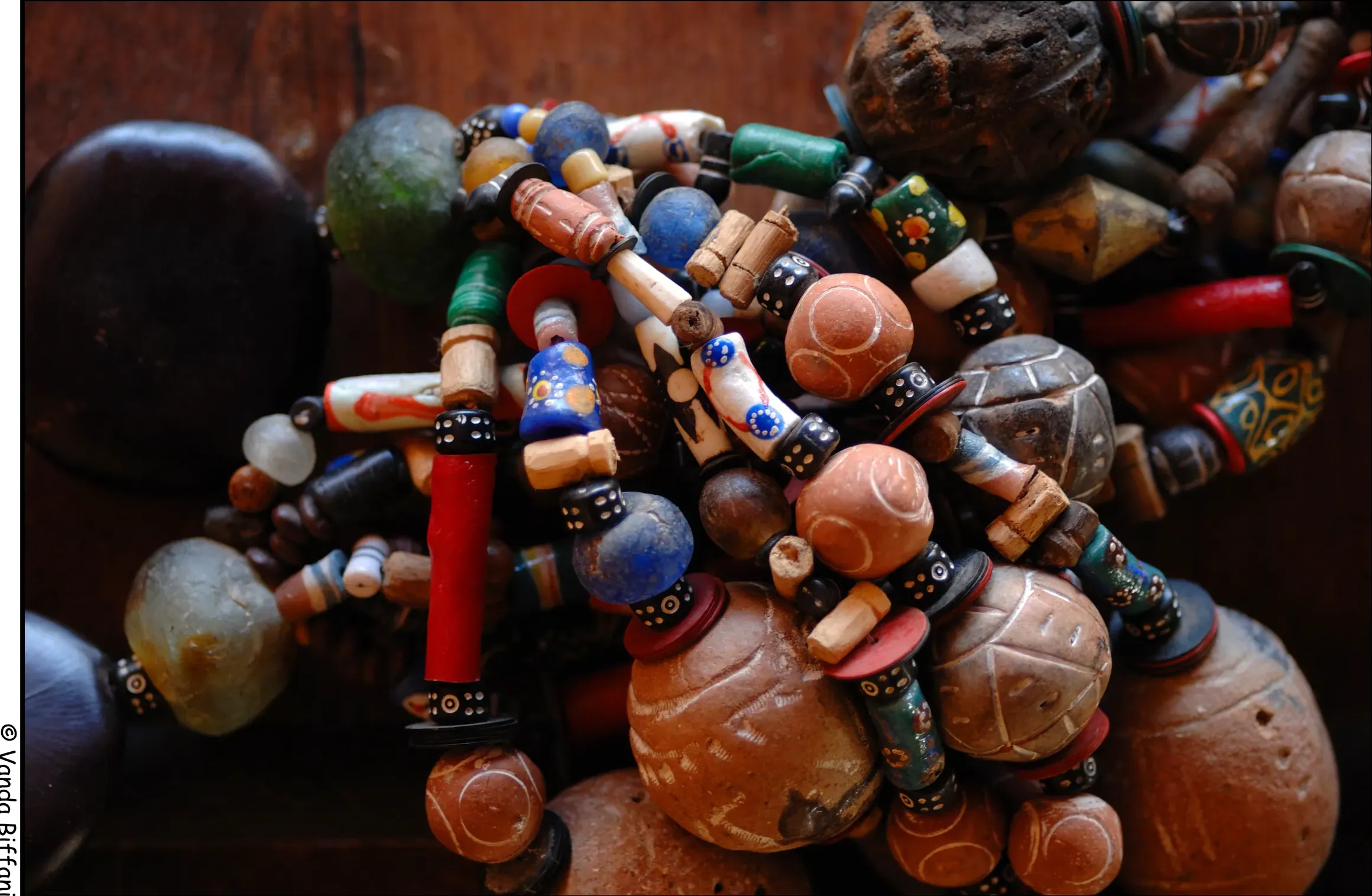
| Beadwork | Glass beads on wire or leather | Collars, bracelets, belts, sandals | Women's cooperatives, Maasai Market | Colors carry meaning; ask what they say |

The shuka and the beads
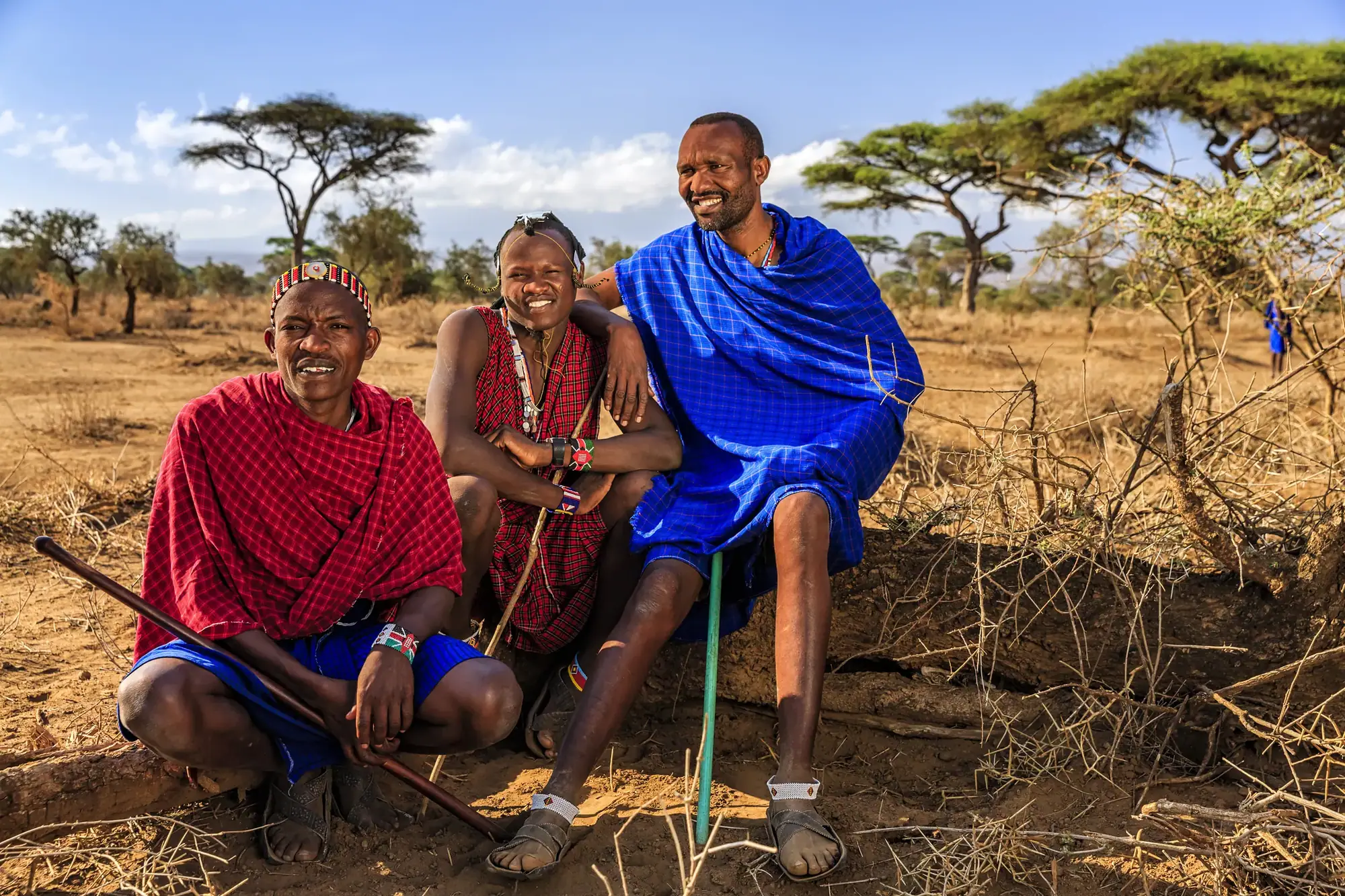
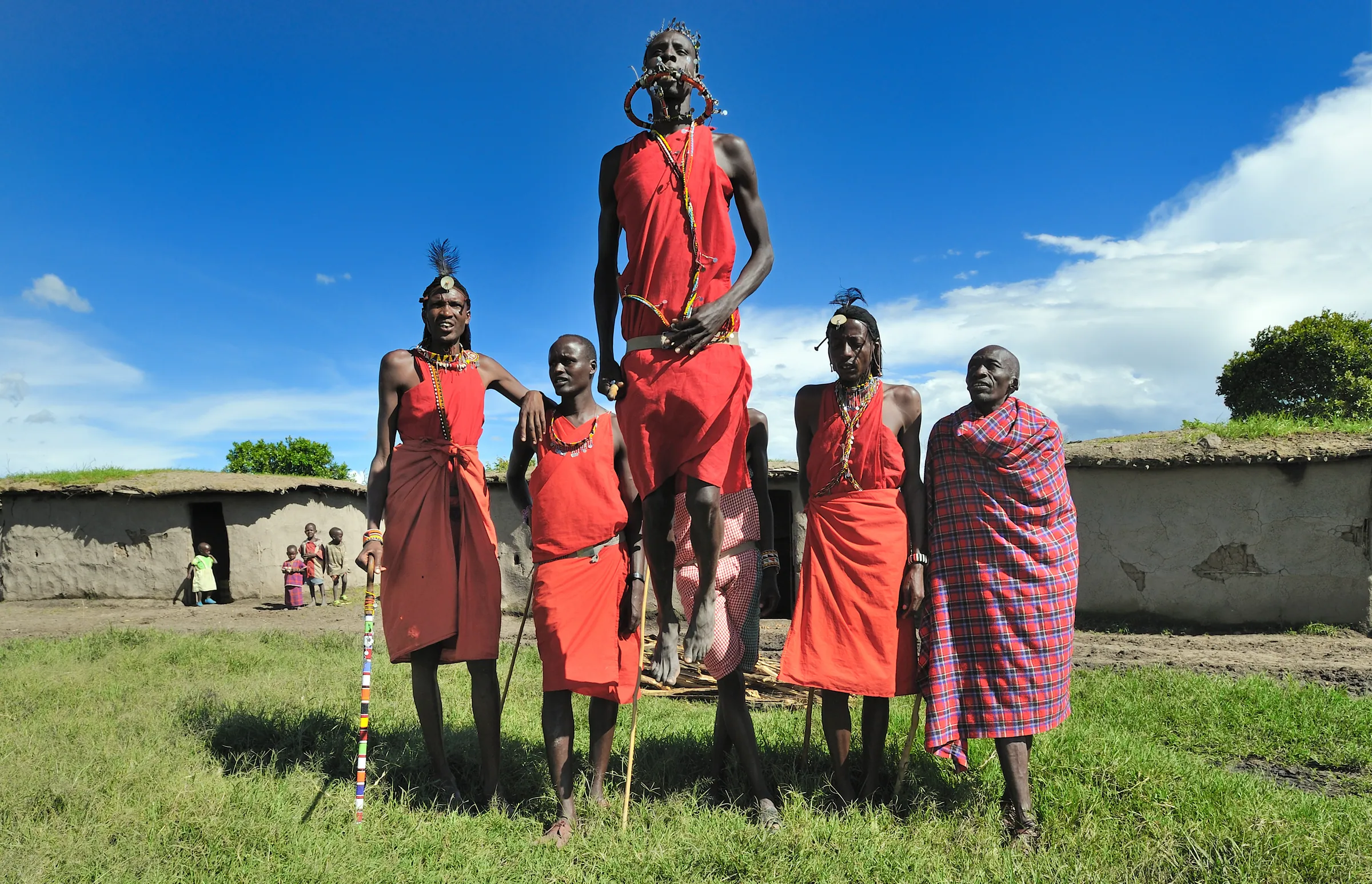
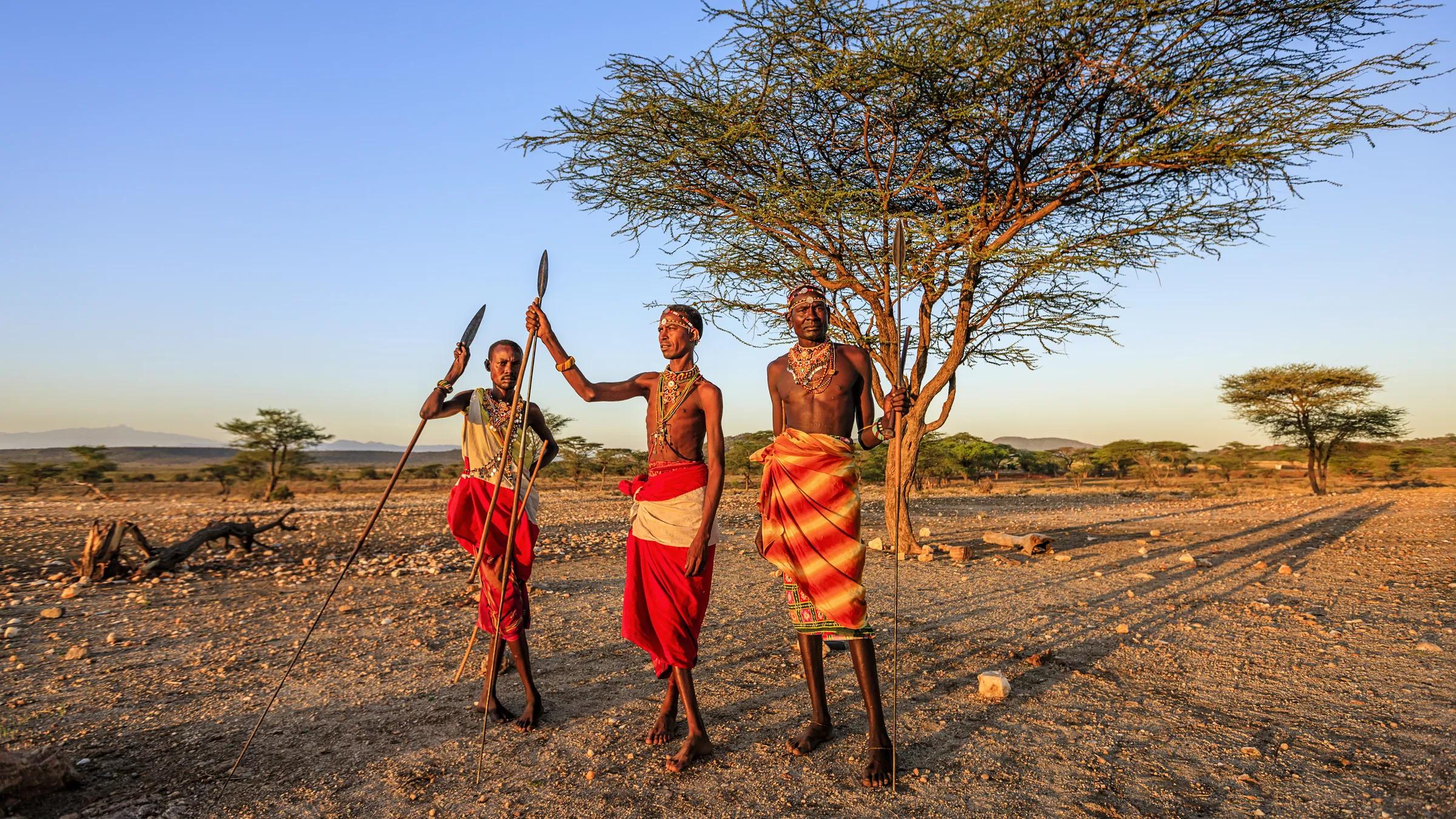
The red checked shuka is the most photographed piece of cloth in Kenya. Maasai and Samburu men and women wear it wrapped and knotted, often in red, which many say is meant to be seen across the plains, though blue, purple and other checks are common too. It replaced leather garments over the past century and is now made in mills far from the Mara. Beadwork is the other half of the look: collars, earrings and bracelets whose colors and patterns show age, status and community. Our Samburu beadwork workshop and the Maasai people page go deeper. Buy beadwork from the women who make it, on a hosted visit or through a cooperative.
Nairobi designers and the mitumba story
Nairobi has a real fashion scene. KikoRomeo, the label founded by Ann McCreath, has worked with East African cloth and makers for years, and Vivo Activewear has dressed a generation of Kenyan women in locally made clothes. Young designers sell through pop-up markets, Instagram and concept stores in Westlands and Kilimani, often mixing kitenge, kikoi and beadwork into modern cuts. There is a hard economic backdrop: much of what Kenyans wear is mitumba, second-hand clothing imported in bales, a lot of it from the United States, sold at huge markets such as Gikomba. It is cheap and popular, and it makes life difficult for local textile makers, which is one more reason to buy Kenyan-made.
Where to buy and how to have something made
- Biashara Street, central Nairobi: shop after shop of kangas, kitenge and fabric; go in daylight with a guide and keep your phone in a zipped bag
- Mombasa Old Town and Mombasa's Biashara Street: the coast's kanga and kikoi heartland
- The Maasai Market: moves between sites in Nairobi on different days; good for shukas, beadwork and kikoi, and a place to practice bargaining
- Kazuri in Karen: ceramic beads and jewelry made by a women's workshop, sold at fixed prices
- Diani and other coast resort areas: kikoi and kanga shops, usually at higher prices than town
- A tailor: your guide or hotel can recommend one; bring a photo of the style you want and allow a few days, plus a fitting
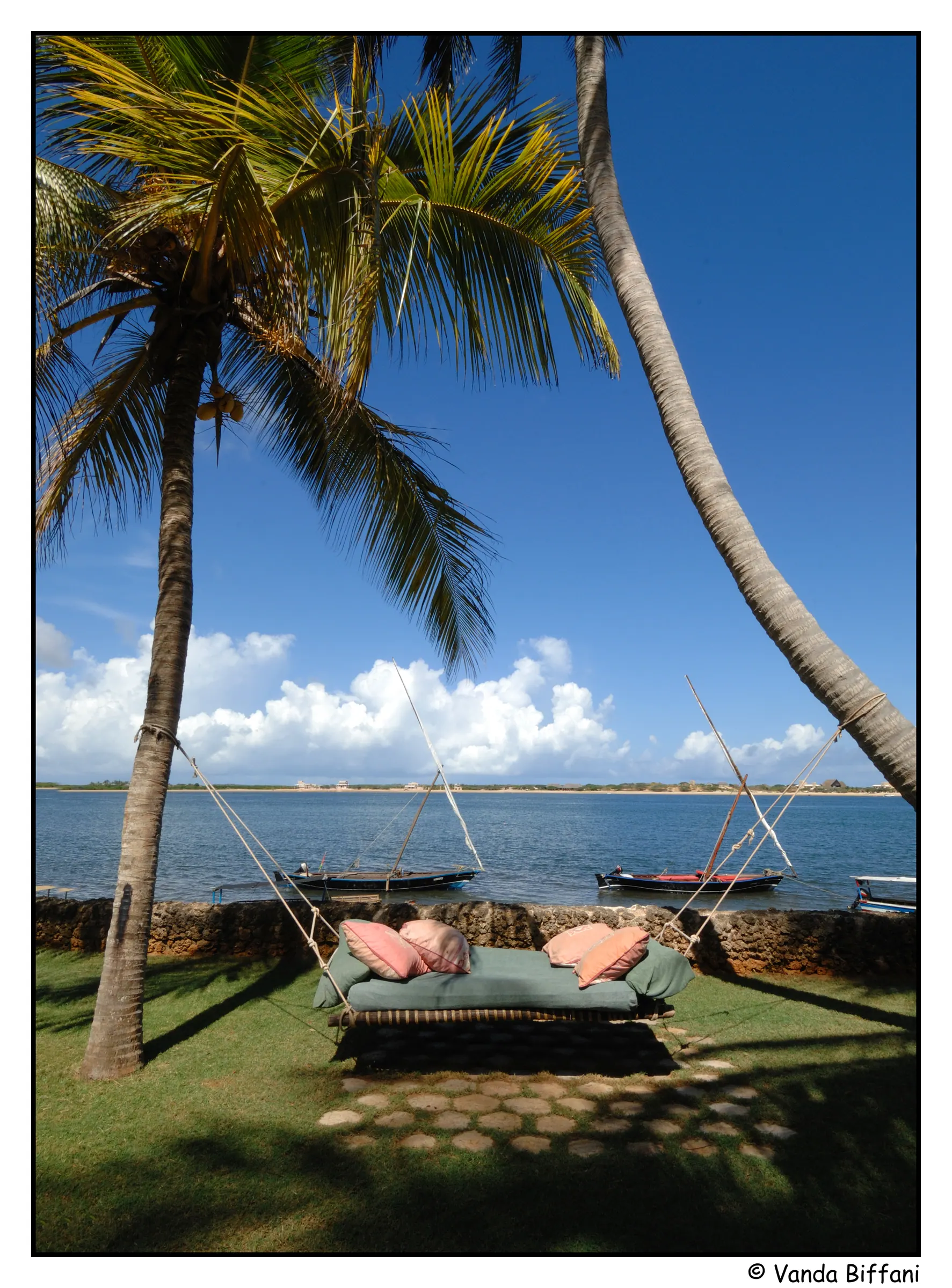
Expect to bargain at markets and street stalls but not in fixed-price shops; our bargaining guide explains how. Kangas and kikois are light, so they pack well and make the best gifts to bring home. Lamu is the other great kikoi town: the shops and tailors in the Old Town lanes and in Shela sell kikois, kangas and made-to-measure clothes, so it is worth leaving space in your bag if your trip ends there.