Culture. Updated November 2026. 5 min read.
Most Americans arrive in Kenya having read one book about it, and that book was usually written by a Danish baroness in the 1930s. There is a better way to spend ten hours on a plane. Kenyan writers have been telling their country's story in English, Kiswahili and their own languages for more than sixty years, and their books will change what you notice on the drive from the airport.
If you read only one, make it Ngugi wa Thiong'o's A Grain of Wheat, a short novel set in the days before independence in 1963. If you read two, add Binyavanga Wainaina's memoir One Day I Will Write About This Place, which is funny, sharp and about growing up in modern Kenya. Below is the longer list, a word on the outsiders' classics, and what to read for the trip you are taking.
The founders
Ngugi wa Thiong'o (1938 to 2025) is the giant. His Weep Not, Child (1964) was the first novel in English by an East African writer to be published. A Grain of Wheat (1967) tells the Mau Mau war and independence through one village and its secrets, and it is the best way in. Petals of Blood (1977) turned on the new elite; after his Gikuyu-language play with the Kamiriithu community theater, he was detained without trial in 1977 and 1978, and wrote Devil on the Cross in prison, on toilet paper, in Gikuyu. His essay collection Decolonising the Mind (1986) explains why he stopped writing fiction in English, and Wrestling with the Devil (2018) is his prison memoir. He spent his later years teaching in the United States.
Grace Ogot was one of the first Kenyan women to publish fiction in English, with The Promised Land (1966), about a Luo couple who leave home for Tanzania; she was also an MP and assistant minister. Meja Mwangi's Going Down River Road (1976) is the great Nairobi novel of the 1970s: construction workers, bars and survival on the edge of the city. Marjorie Oludhe Macgoye's Coming to Birth (1986) follows a young Luo woman from 1950s Nairobi into the independence years, and Margaret Ogola's The River and the Source (1994), a family saga across four generations of women, has been read by generations of Kenyan students.
The new generation
In 2002 Binyavanga Wainaina won the Caine Prize for African Writing and used the moment to found Kwani?, a Nairobi literary journal that published a generation of new Kenyan voices. His satirical essay How to Write About Africa (Granta, 2005) is a ten-minute read that every visitor should do before posting a sunset photo. His memoir One Day I Will Write About This Place (2011) is the best single book about growing up Kenyan.
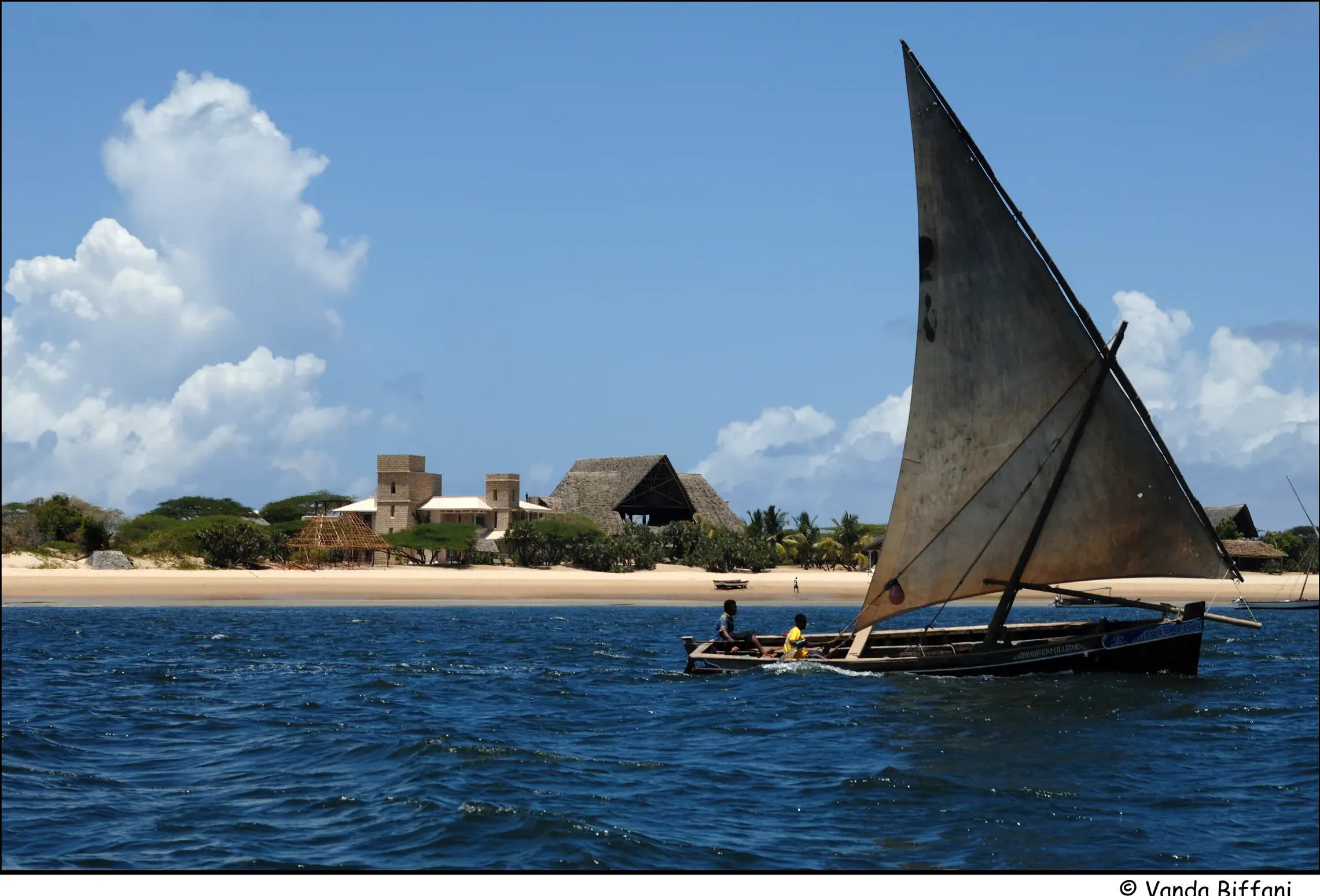
Yvonne Adhiambo Owuor, also a Caine Prize winner, wrote Dust (2014), a novel of family and buried history set between Nairobi and the dry north, and The Dragonfly Sea (2019), about a girl from Pate Island in the Lamu archipelago whose life spans the Indian Ocean to China and Turkey. Peter Kimani's Dance of the Jakaranda (2017) tells the building of the Uganda Railway through the people it brought together, and pairs perfectly with a ride on the Madaraka Express. Okwiri Oduor won the Caine Prize in 2014; her novel Things They Lost (2022) is strange, tender and set in a dreamlike Kenyan town.
Memoir and history
- Wangari Maathai, Unbowed (2006): the memoir of the Green Belt Movement founder and Africa's first woman Nobel Peace laureate, from the slopes of Mount Kenya to the Nobel stage
- Ngugi wa Thiong'o, Dreams in a Time of War (2010): his childhood memoir, the gentlest way into his world
- Caroline Elkins, Imperial Reckoning (2005): the Pulitzer Prize-winning history of the British detention camps during the Mau Mau emergency
- David Anderson, Histories of the Hanged (2005): the Mau Mau war told through the trial records
- Barack Obama, Dreams from My Father (1995): the Kenyan chapters, about his first visit to his father's family, are why many Americans first heard of Kogelo
The outsiders' Kenya, read with care
Karen Blixen's Out of Africa (1937), Beryl Markham's West with the Night (1942) and Elspeth Huxley's The Flame Trees of Thika (1959) are beautifully written, and they are why many people come to Kenya. They are also accounts of colonial settler life, in which Kenyans appear mainly as servants and scenery, and the land the settlers farmed had been taken from Kikuyu and Maasai communities. Read them, then read A Grain of Wheat, and you will see both sides of the same hills. Our Karen Blixen page covers the museum and the history.
A reading list by trip
| Your trip | Read | Why |
|---|---|---|
| First safari | Unbowed; One Day I Will Write About This Place | Land, conservation and modern Kenya from Kenyans |
| Nairobi days | Going Down River Road; How to Write About Africa | The city from the street up, and how not to write about it |
| Mount Kenya and the highlands | A Grain of Wheat; Weep Not, Child | The Mau Mau war in the hills you are driving through |
| Western Kenya and Lake Victoria | The Promised Land; Coming to Birth; Dreams from My Father | Luo life, migration and Kogelo |
| The coast | The Dragonfly Sea | The Swahili Indian Ocean world |
| The railway or the Madaraka Express | Dance of the Jakaranda | The railway that made Nairobi |
| Heritage and diaspora trips | Dreams in a Time of War; Imperial Reckoning; Unbowed | Independence, the colonial record and the generation that came to the U.S. |
| Students and faculty | Decolonising the Mind; Histories of the Hanged | Language, power and the archive |
Buying books in Kenya
Kenyan publishers such as East African Educational Publishers keep the classics in print at local prices, and Nairobi's larger bookshops, including Text Book Centre, carry Kenyan fiction you may not find in the United States, including Kiswahili titles. Buying a book in Nairobi and having your guide recommend another is the easiest literary souvenir there is. Book clubs and school groups: tell us your reading list and we will build visits around it.