Culture. Updated November 2026. 5 min read.
On a Sunday morning in Kenya the roads fill with families in their best clothes, the sound of choirs drifts out of tin-roofed churches and tents, and nothing much else happens until lunch. On the coast, the day starts with the call to prayer from a dozen mosques, and on Friday afternoon the old towns pause. Kenya is a deeply religious country, and visitors who understand a little about it find the welcome even warmer.
The numbers first: in the 2019 census, about 85 percent of Kenyans identified as Christian and about 11 percent as Muslim, with small Hindu, Sikh, Jain and Baha'i communities and a minority who follow traditional religion or none. Christianity dominates upcountry and Islam on the coast and in the north-east, and many Kenyans hold traditional beliefs about ancestors and sacred places alongside their faith. What follows is what you will see, how to join in respectfully, and one honest paragraph on religion and politics.
| Group | Share of Kenyans | Where you notice it |
|---|---|---|
| Protestant churches (Anglican, Presbyterian, Methodist, Africa Inland Church and others) | About one third | Everywhere upcountry; Sunday services in English, Kiswahili and local languages |
| Catholic | About one fifth | Every town; schools, hospitals and cathedrals |
| Evangelical and Pentecostal | About one fifth | Nairobi megachurches, crusades, gospel radio |
| African instituted churches | About 7 percent | Akorino in white turbans, Legio Maria in western Kenya |
| Muslim | About 11 percent | The coast, parts of Nairobi, the north-east |
| Hindu, Sikh, Jain, Baha'i, traditional, none | Small shares | Temples in Nairobi and Mombasa, sacred forests and mountains |
Christian Kenya
Missionaries arrived on the coast in the 1840s and inland with the railway, and mission schools educated most of the independence generation, which is why so many Kenyans have English first names. Today the Catholic Church and the big Protestant churches, including the Anglican Church of Kenya, the Presbyterian Church of East Africa and the Africa Inland Church, sit beside fast-growing Pentecostal congregations and churches founded by Kenyans themselves. The Akorino, a Kikuyu-founded church, are easy to spot: men and women wear white robes and turbans. Legio Maria, founded in Luo country in the 1960s, is an African-led church that grew out of the Catholic Church. Gospel music is the country's soundtrack, and every bus, shop and matatu seems to have it on.
Going to church as a visitor
- Services usually run two to three hours, with a long time of singing; arrive on time and stay to the end
- Visitors are often asked to stand and introduce themselves, and sometimes to say a few words; a short greeting and thanks is perfect
- Dress up: men in trousers and a collared shirt, women in a skirt or dress below the knee, or smart trousers in town churches
- An offering is collected, sometimes twice, sometimes by walking forward; a modest contribution is welcome, never required
- Ask before taking photos, and never film during prayer
- Expect tea and a long conversation afterwards; this is where friendships start
Groups who want to worship with a Kenyan congregation, rather than just visit, should read our pages on faith travel and partner churches.
Muslim Kenya
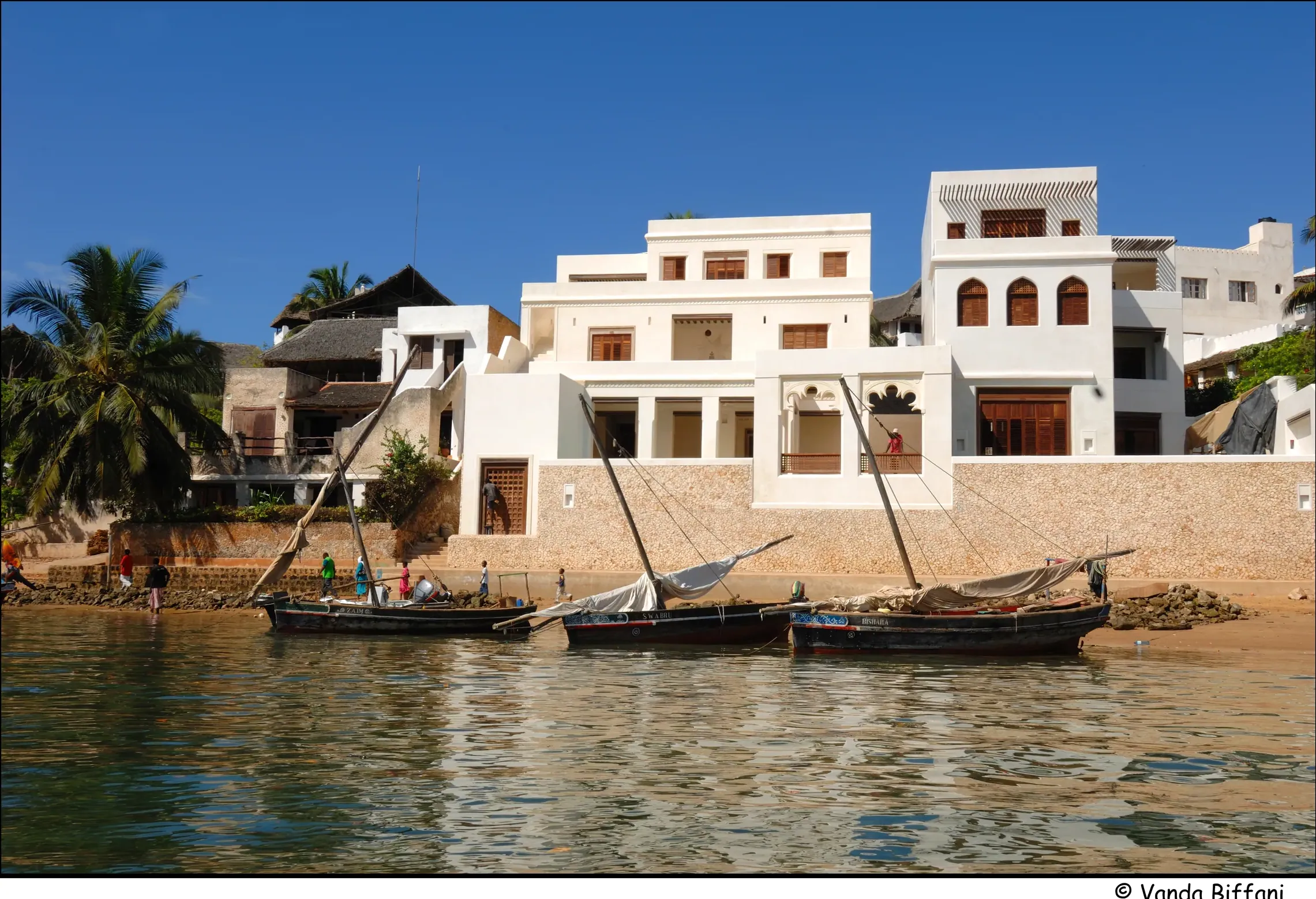
Islam came to the Kenyan coast through Indian Ocean trade more than a thousand years ago, and it shaped the Swahili towns, their architecture, their food and the language itself. In Mombasa Old Town you will hear the call to prayer five times a day; the Mandhry Mosque, dating from 1570, is one of the oldest in use on the coast. Nairobi's Jamia Mosque, in the city center, is the landmark of the capital's Muslim community. In the north-east and among Kenyan Somalis, Islam shapes daily life completely.
- Visit a mosque only with permission, outside prayer times and ideally with a guide; some do not admit non-Muslims
- Remove your shoes; women cover hair, arms and legs; men wear long trousers
- In the coast's old towns, cover shoulders and knees whatever the season
- During Ramadan, avoid eating, drinking and smoking in public in old towns during daylight; hotels serve guests as normal
- Idd ul-Fitr, which ends Ramadan, is a public holiday and a joyful time to be on the coast
- Use your right hand to give and receive, and do not offer alcohol or pork to Muslim hosts
Hindu, Sikh, Jain and traditional faith
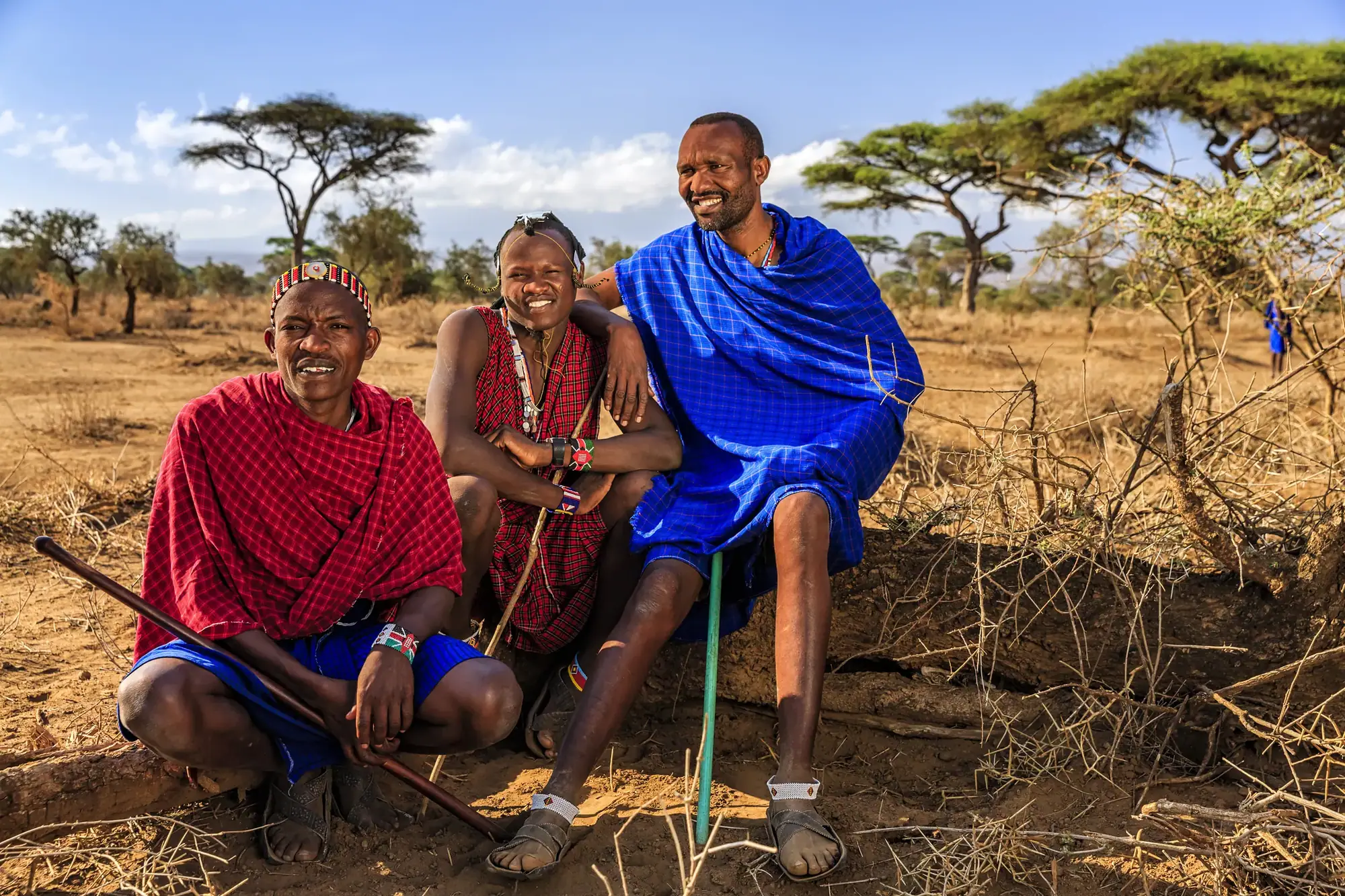
Kenya's South Asian communities, many descended from railway workers and traders who came over a century ago, built temples that are among the country's most beautiful buildings: Hindu temples in Nairobi and Mombasa, Jain temples in both cities, and Sikh gurdwaras, including the one at Makindu on the Nairobi to Mombasa road, known for offering meals to travelers. Traditional beliefs remain strong in sacred places: many Kikuyu traditionally pray facing Mount Kenya, Kirinyaga, as the home of Ngai; the Mijikenda's kaya forests on the coast are sacred groves protected as a UNESCO World Heritage Site; and Kit Mikayi, a rock formation near Kisumu, is a place of prayer. Treat these places as you would a church: go with a local guide, ask before photographing and follow the custodians' rules.
Religion and politics, honestly
Religion and public life are closely tied in Kenya. Church leaders and the National Council of Churches of Kenya were among the loudest voices for multi-party democracy in the late 1980s and 1990s, and clergy still speak out at election time. Politicians, in turn, are fixtures at Sunday services and church fundraisers, and in recent years some churches have begun refusing large cash gifts from politicians. The country was shaken in 2023 when more than 400 bodies were found in the Shakahola forest in Kilifi County, the followers of a preacher who had told them to starve; the tragedy led to inquiries and an ongoing debate on how to regulate churches. Most Kenyans talk about faith openly and happily; follow their lead, and keep your own debates for home.
Religious holidays and your trip
Good Friday, Easter Monday and Christmas are public holidays, and Christmas sees Nairobi empty as families travel upcountry; see our pages on Christmas and Easter in Kenya. Idd ul-Fitr is also a public holiday; its date moves with the Islamic calendar, so check the year's gazetted holidays before you book. On the coast, Ramadan is a quiet time by day and a lively one after sunset, when the old towns fill with food stalls.