Who travels. Updated November 2026. 6 min read.
Faith is part of everyday life in Kenya in a way many American visitors find moving. Church choirs rehearse on weekday evenings, matatus carry Bible verses on their windscreens, the call to prayer rises over Mombasa's Old Town five times a day, and on Sunday morning half of Nairobi is in its best clothes. With a church group or on your own, worship is one of the easiest ways to meet Kenyans as they really are.
In the 2019 census, about 85 percent of Kenyans identified as Christian, Protestant, Catholic, evangelical and African-instituted churches together, and about 11 percent as Muslim, concentrated on the coast and in the north-east. Hindu, Sikh and Jain communities, many of them descendants of migrants from India who came from the late nineteenth century on, have temples in Nairobi, Mombasa and Kisumu, and traditional beliefs live on in sacred forests, hills and ceremonies. This page is about visiting: where to worship, which sites to see and how to do it respectfully. For the history and the beliefs themselves, read our page on religion in Kenya.
Sunday worship as a visitor
You will be welcome at almost any church in Kenya, and very likely introduced. Visitors are often asked to stand and say where they are from, and sometimes invited to greet the congregation, so have a sentence ready. Services commonly last two to three hours, with long periods of singing, a sermon that may switch between English and Kiswahili, and an offering, sometimes more than one. Dress smartly and modestly: Kenyans dress up for church, and visitors in shorts stand out.
- Nairobi's landmark churches: the Holy Family Minor Basilica, the Catholic cathedral in the city center, and All Saints' Cathedral, the Anglican cathedral near Uhuru Park
- Mombasa: the Holy Ghost Cathedral, close to the city center
- Pentecostal and evangelical churches: large, loud and joyful, with bands and choirs; many Nairobi congregations hold several services each Sunday
- Village and county churches: the most memorable, if you are visiting a partner church, a family's home county or a school
Church groups often want more than a visitor's seat: a shared service, a choir exchange, time with a partner congregation. Our partner-church visits and our church group trips guide explain how we arrange them.
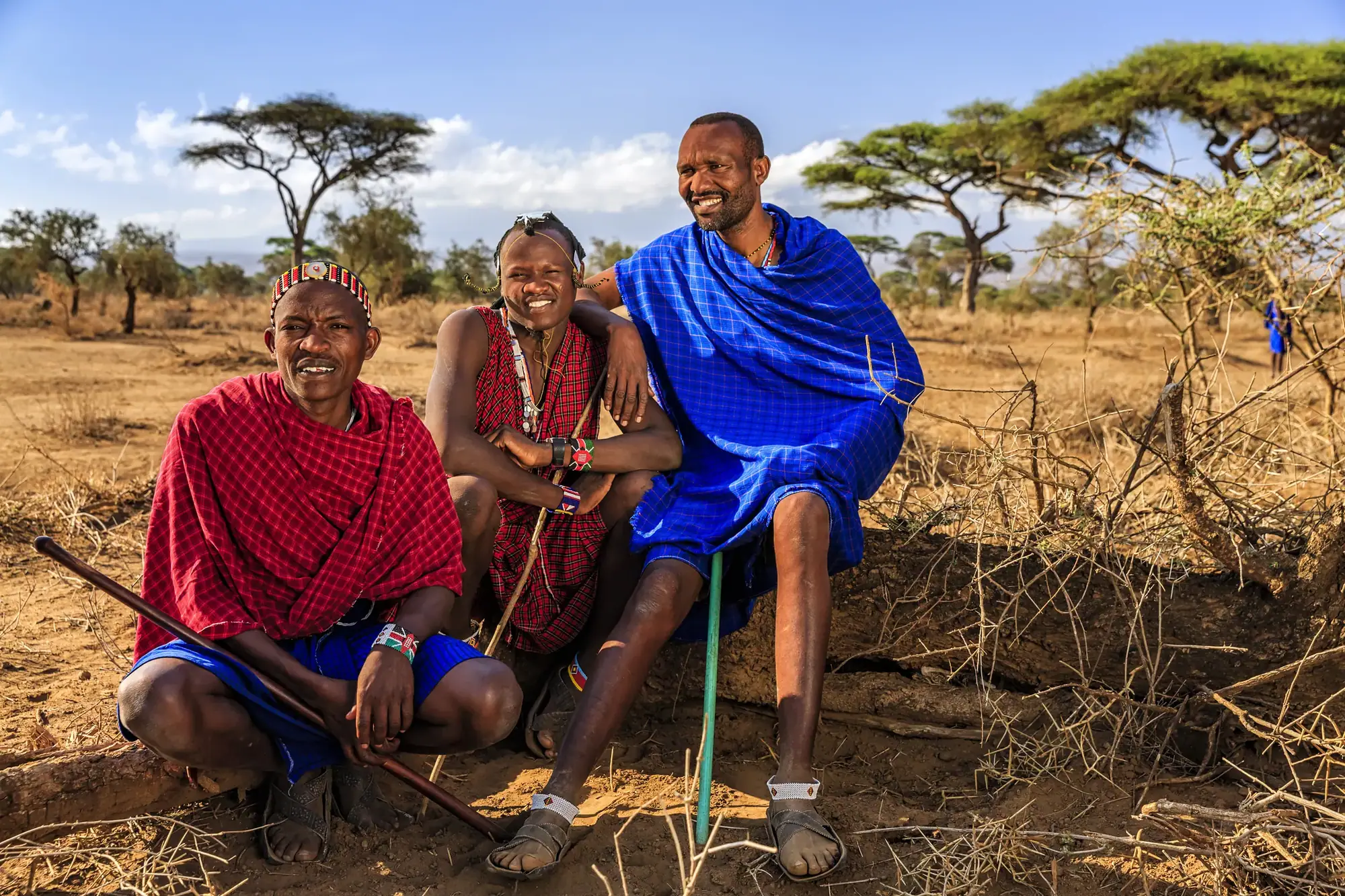
Christian pilgrimage and heritage
- Our Lady of Subukia National Shrine, in Nakuru County above the Rift Valley, is Kenya's best-known Catholic pilgrimage site, with large pilgrimages on major feasts; ask the shrine or your diocese for the dates
- The Anglican and Catholic missions of the nineteenth century: Rabai, inland from Mombasa, is where the missionary Johann Ludwig Krapf founded the first Anglican mission in East Africa in 1846; a small museum there tells the story
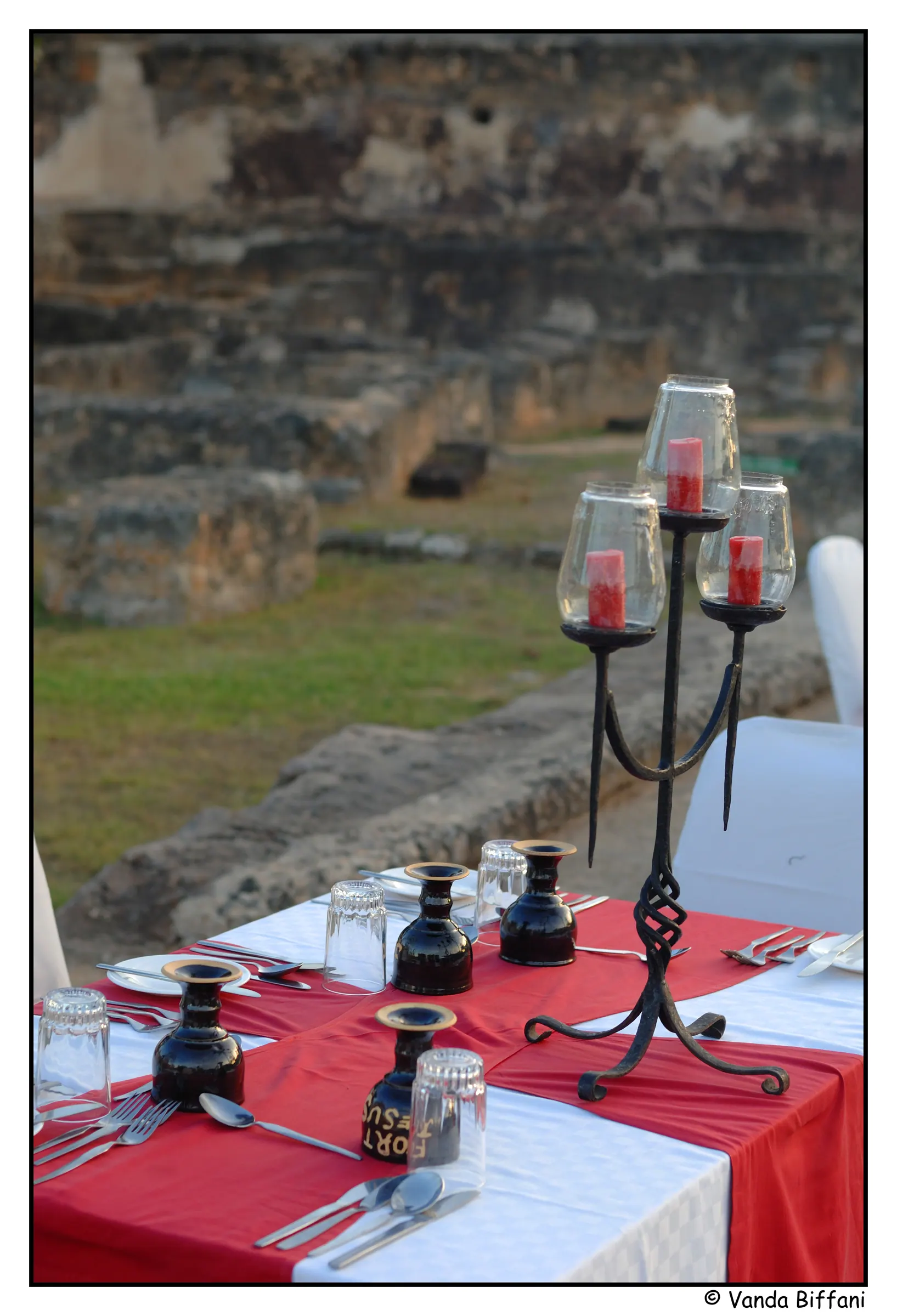
- Mombasa's Fort Jesus, built by the Portuguese from 1593, tells the story of the Christian and Muslim powers who fought over the coast
- Kenya's African-instituted churches, with their own hymns, robes and ways of worship, are best visited with an invitation through a member
Islam on the coast
Islam has been on the Kenyan coast for more than a thousand years, and it shapes the Swahili towns: their architecture, their food, their dress and the rhythm of the day. In Mombasa's Old Town, the Mandhry Mosque, with its white minaret, dates from the sixteenth century, and narrow streets lead past many more. In Nairobi, the Jamia Mosque, with its silver domes, stands in the heart of the city center.
Non-Muslims can visit some mosques outside prayer times, with permission, and many cannot be entered by visitors at all. Ask first, at the door or through your guide. Cover your arms and legs, women should cover their hair, and everyone removes their shoes. Friday midday prayers are the busiest time of the week, so plan visits for another day.
Lamu, with its Riyadha Mosque and the Maulidi festival that draws pilgrims from across East Africa, is one of the great centers of Swahili Islam. Its Old Town, a UNESCO World Heritage Site, is a maze of lanes, carved doors and mosques where the call to prayer still sets the rhythm of the day, and Maulidi week is the most memorable time to visit if you book well ahead. Our Lamu page explains how to get there and where to stay.
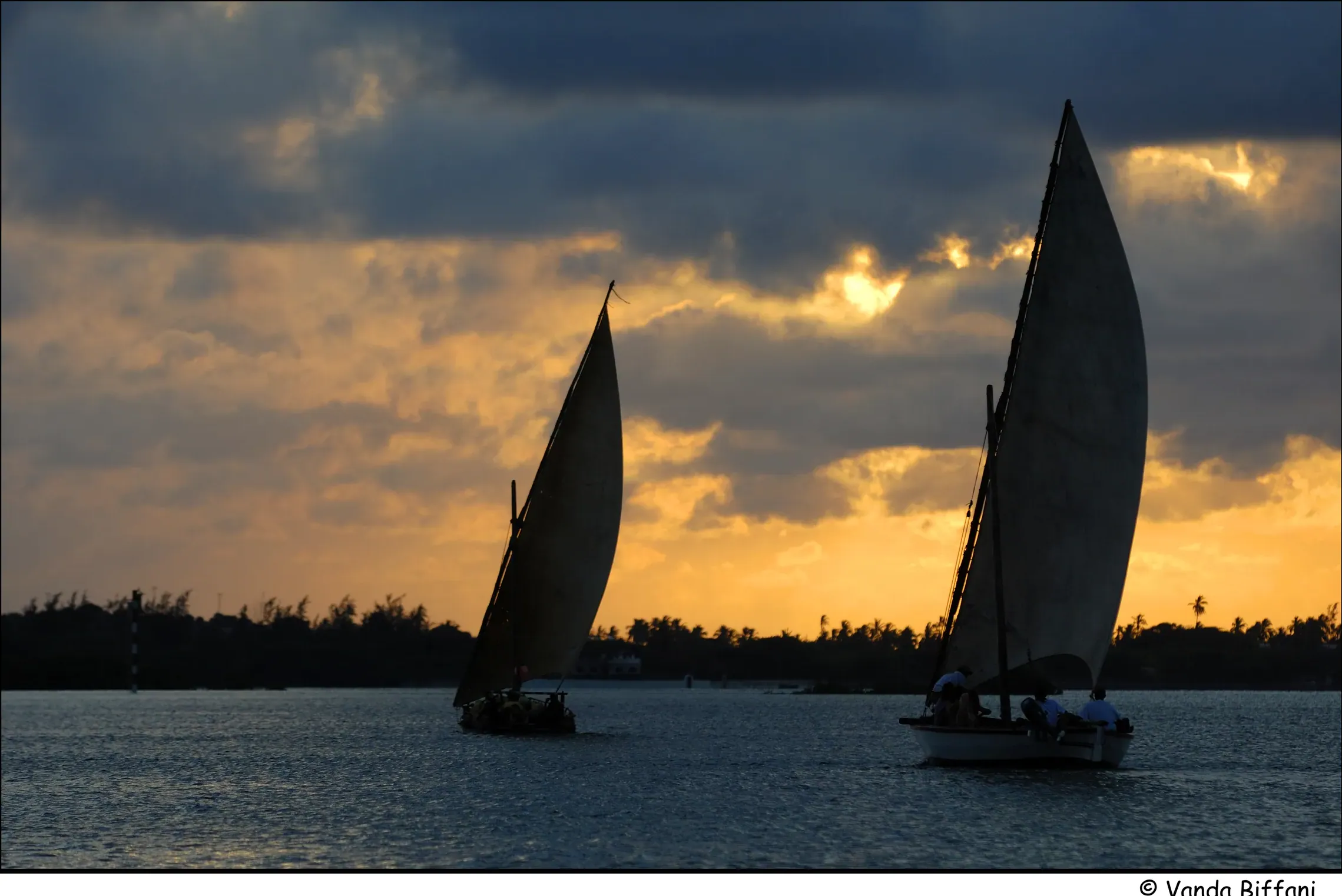
Ramadan and Eid
During Ramadan, the coast changes pace. Old Town streets are quiet in the heat of the day and come alive after sunset, when families break the fast and food stalls sell samosas, mahamri and sweet tea. Visitors are not expected to fast, but eat, drink and smoke discreetly in public in Muslim areas during daylight, and dress more conservatively than usual. Eid al-Fitr, at the end of the month, is a public holiday in Kenya, as is Eid al-Adha. Ramadan moves about eleven days earlier each year; in 2027 it is expected to begin around February 8, with Eid al-Fitr around March 10, depending on the sighting of the moon.
Hindu, Sikh and Jain temples
Kenya's South Asian communities have built some of the most beautiful religious buildings in the country. Nairobi and Mombasa both have Swaminarayan temples, Mombasa has an ornate Jain temple, and the Sikh gurdwaras of Nairobi, Kisumu and Makindu are open to visitors. The Makindu gurdwara, on the Nairobi to Mombasa road, has long offered free meals to travelers of every faith, and stopping there is a tradition for many families driving to the coast. Remove your shoes, cover your head in a gurdwara, dress modestly, and be aware that Jain temples may ask you to leave leather items outside.
Sacred forests and traditional beliefs
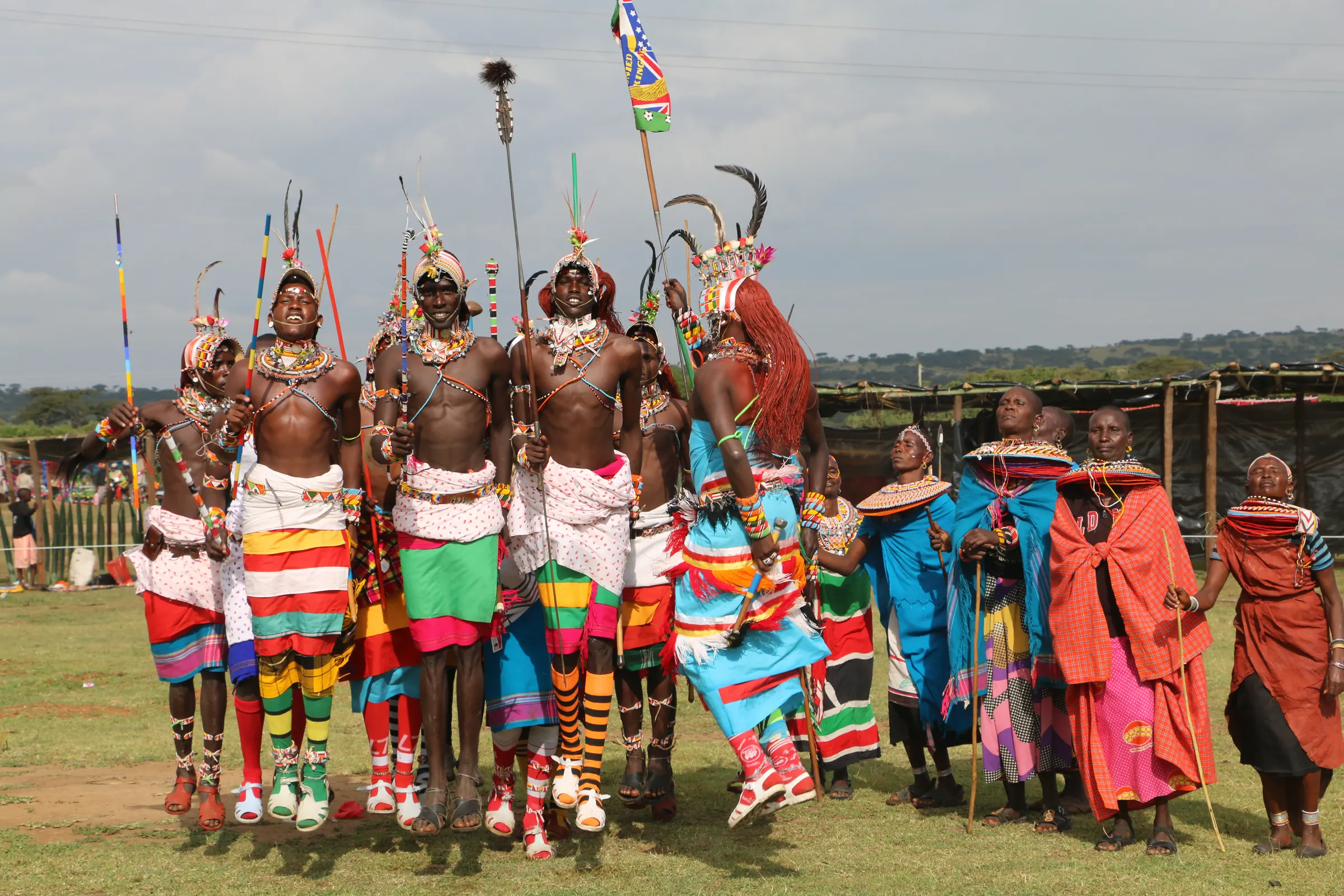
Along the coast, the Mijikenda peoples keep the Kaya forests, the fortified villages of their ancestors and today sacred groves protected by councils of elders. Several were inscribed together by UNESCO in 2008 as the Sacred Mijikenda Kaya Forests. Kaya Kinondo, near Diani, welcomes visitors on guided walks led by the community, with rules set by the elders, which your guide explains at the entrance: follow them exactly, and do not take anything from the forest. Inland, Mount Kenya is sacred to the Kikuyu, and rocks, hills and trees across the country hold meaning for the communities around them. Ask before you photograph a shrine or a ceremony, and accept a no.
Mission and service trips
Many Americans first come to Kenya with a church. If your trip includes service, choose work that a Kenyan partner leads and has asked for, such as building with a local congregation, supporting a school or sharing professional skills. We do not arrange orphanage visits or place visitors in unskilled roles with children, in line with international child-protection guidance. Our group trips guide covers fundraising, paying monthly per member and planning with a church committee.

How to visit with respect
- Dress modestly at every religious site: shoulders and knees covered, and a scarf in your bag
- Ask before you enter, and before you photograph people at prayer
- Bring a small offering for church in shillings; at a gurdwara, a donation is welcome but never required
- Greet elders first, and let your host lead you through any ceremony
- Avoid planning drives and visits in Muslim areas around Friday midday prayers
- Remember that a Sunday service is a community's own worship, not a performance; sit, sing and stay to the end if you can
Plan a faith trip with us
GCK Travel, one of the two U.S. companies behind Kenya Experience, plans travel for churches and faith groups, and Roundtrip Safaris runs the trips on the ground with Kenyan guides. We can build a trip around worship with a partner church, a pilgrimage, a service project and a safari, with each member paying their own way monthly with no deposit. Tell us about your group, and a specialist replies within two business days.