Culture. Updated November 2026. 5 min read.
In the last week before Christmas, Nairobi does something strange: it empties. The buses at the country bus stations are full for days, fares climb, the highways west and north are bumper to bumper, and the city's estates go quiet. Upcountry, in villages from Nyeri to Kisumu to Kitui, houses that stood half empty all year are full of children, grandparents, cousins and the relatives who flew in from Houston and Minneapolis.
That is Christmas in Kenya: first and last a homecoming. Most families spend it at the rural home, which Kenyans call ushago or shags, with church, a big shared meal and a lot of visiting. Families who do not go upcountry go to the coast, so Mombasa and Diani are packed until New Year. Our December guide covers short safaris to add to a trip home, and our Christmas itinerary is a full holiday route; this page explains the season itself: how Kenyans celebrate, and what that means if you are traveling then.
The great December homecoming
Kenyan schools close for the long end-of-year holiday by late November, Jamhuri Day on December 12 opens the season, and the movement upcountry peaks from about December 20 to 24. Long-distance bus and matatu fares commonly rise sharply in that week, and seats sell out. The roads are at their busiest and most dangerous of the year, and the police mount checks along the main highways. If you are driving yourself, avoid traveling at night and leave early in the morning.
For the diaspora, December is the peak travel month. Kenyans in the U.S. come home for Christmas more than for any other reason, often with children seeing their grandparents' home for the first time. Flights from the U.S. are at their most expensive from about December 20 to January 3, and the best fares go early; book by August.
Church: midnight and morning
More than eight in ten Kenyans are Christian, according to the 2019 census, and Christmas is above all a church day. Catholic parishes hold midnight Mass on Christmas Eve, and many Protestant and Pentecostal churches hold an all-night vigil, a mkesha, of prayer, preaching and singing. On Christmas morning the churches fill again for services with choirs, new hymns rehearsed for weeks and children in their best clothes. In Nairobi, the Holy Family Minor Basilica and All Saints' Cathedral are the big city services; upcountry, it is the village church, and everyone goes.
Visitors are welcome. Dress smartly, arrive early for a seat, expect a long service with a lot of music, and bring a small offering. If you are a guest of a family, go with them; it is the best way to meet the whole village at once.
The food
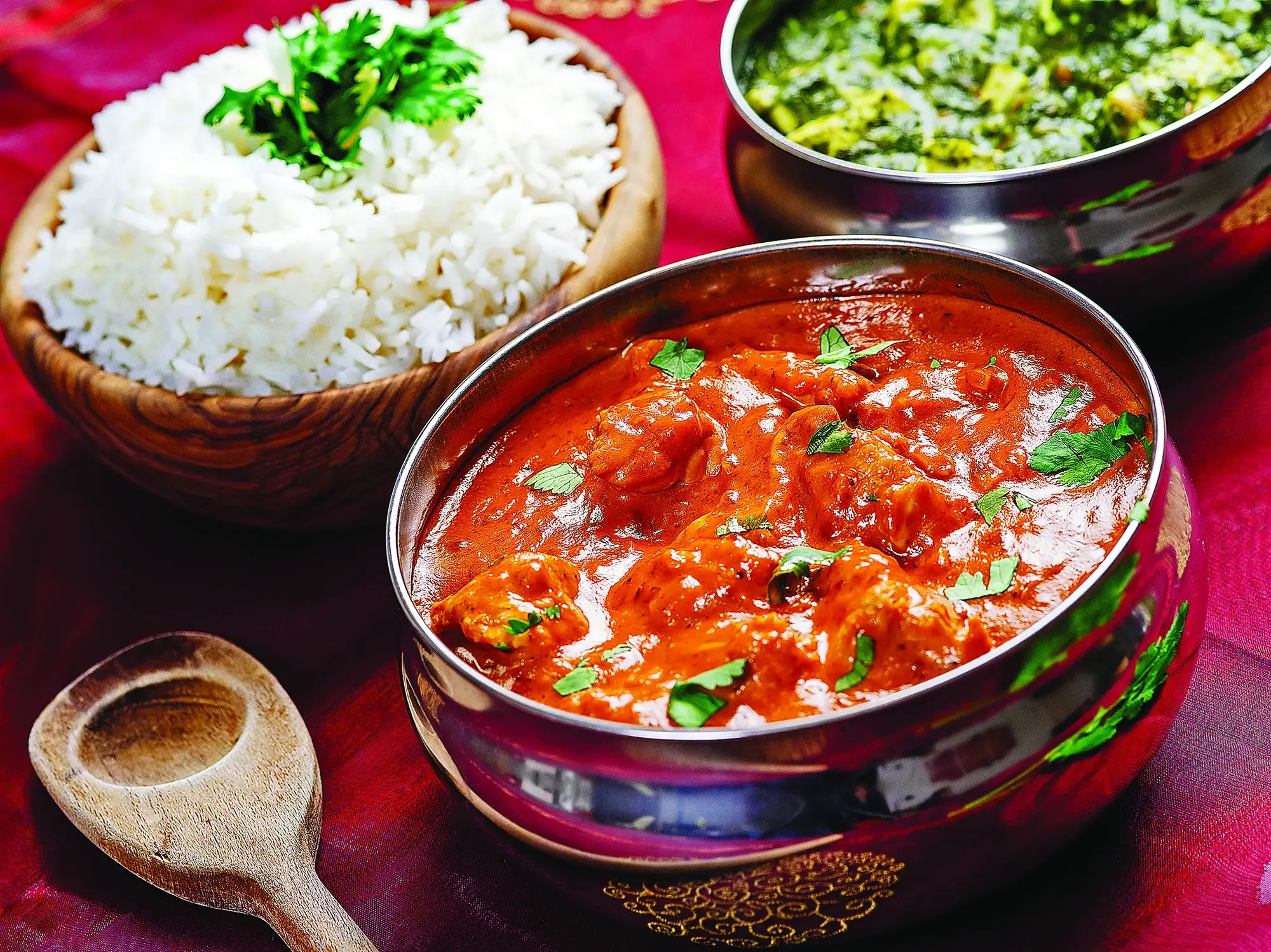
The Christmas meal is about plenty and sharing. A goat is often bought for the family, slaughtered at home and grilled as nyama choma, with the men of the family taking charge of the fire. Chapati, an everyday treat, is made by the stack, with women and girls rolling and frying dough for hours. Pilau, the spiced rice of the coast, is the Christmas dish in many homes, with chicken, often a free-range kienyeji bird, stewed beef, mukimo in central Kenya, and crates of soda for the children. Cake appears in the afternoon. Our pages on nyama choma and chapati explain the two stars of the table.
New clothes, visits and other traditions
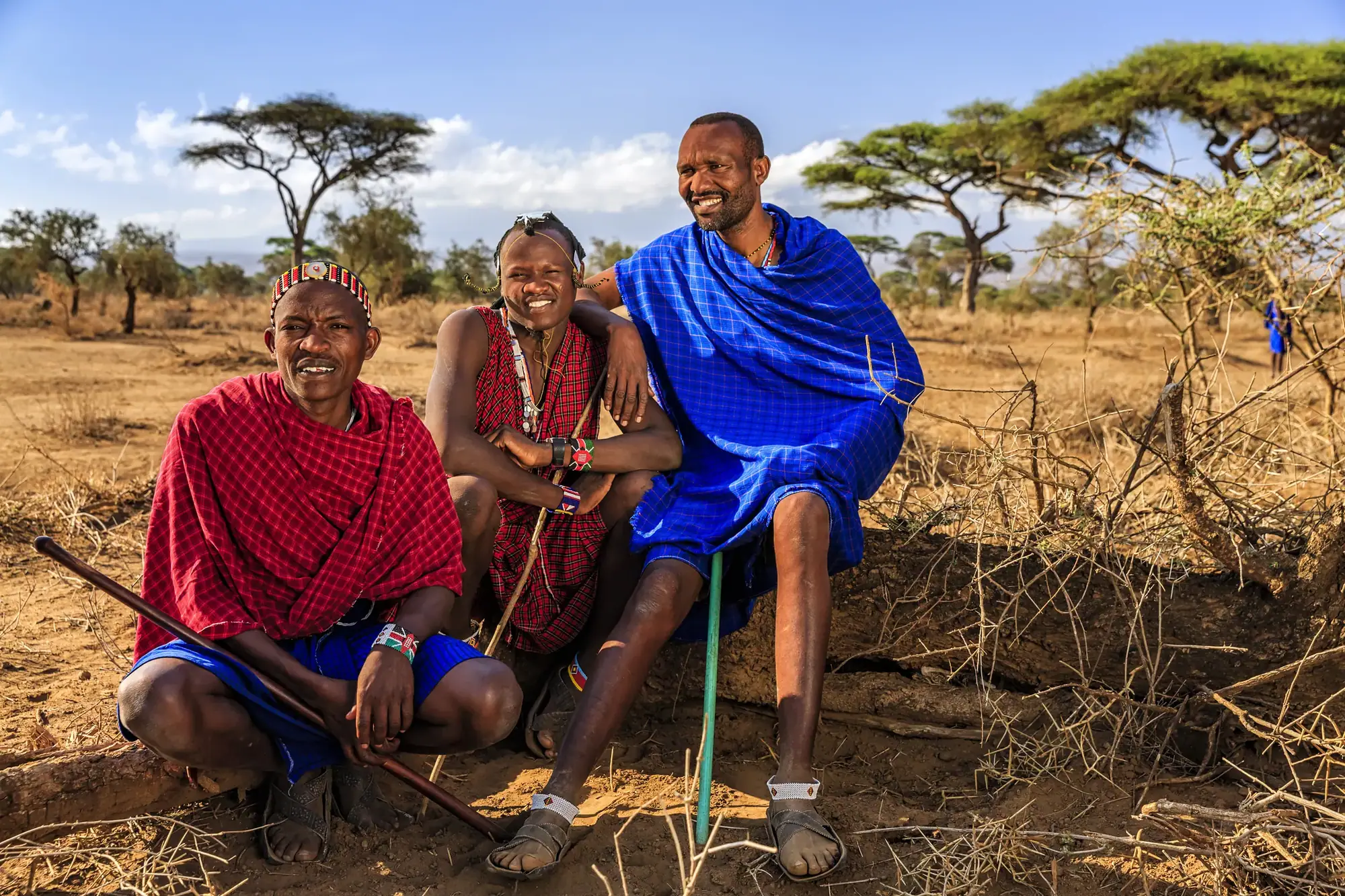
- New clothes: many parents buy children new outfits for Christmas Day, worn first to church
- Visiting: the 25th and 26th are spent going from house to house, greeting relatives and neighbors
- Family photographs: the day the whole family is in one place, so the camera comes out
- Decorations: malls and hotels in Nairobi put up trees and lights; village homes are simpler, and the celebration is about people
- Boxing Day, December 26: a second holiday, for more visiting, outings and the cultural festivals in Busia and Vihiga
- Between Christmas and New Year: weddings, family meetings and harambee fundraisers, timed for when everyone is home
What the season means for your trip
| Dates | What happens | What it means for you |
|---|---|---|
| December 1 to 11 | Schools are out; the city is still working | Quieter and cheaper; a good window for safaris |
| December 12 | Jamhuri Day, a public holiday | Banks and offices close; a festive day in Nairobi |
| December 13 to 19 | Office parties, shopping, the first departures | Prices rise; book coast rooms well ahead |
| December 20 to 24 | The exodus upcountry and to the coast | Roads and buses at their busiest; fly or take the train |
| December 25 and 26 | Public holidays; church and family | Many small shops close; hotels and lodges are open |
| December 27 to 31 | Coast and parks at their fullest; New Year's Eve parties | Peak rates; minimum stays at many hotels |
| January 1 to 5 | New Year's Day, then the return to Nairobi | Heavy traffic back to the city |
What is open on Christmas Day
Hotels, lodges, restaurants in hotels, national parks and safaris run as normal over Christmas, and they are busy. Banks and government offices close on the 25th and 26th. Supermarkets often open on shorter hours, and many small shops and kiosks close. Matatus run fewer trips and charge more. Flights and the Madaraka Express run, but both sell out; buy train tickets as soon as they open. Mobile money and cards work throughout, and hospitals are open.
Christmas at the coast
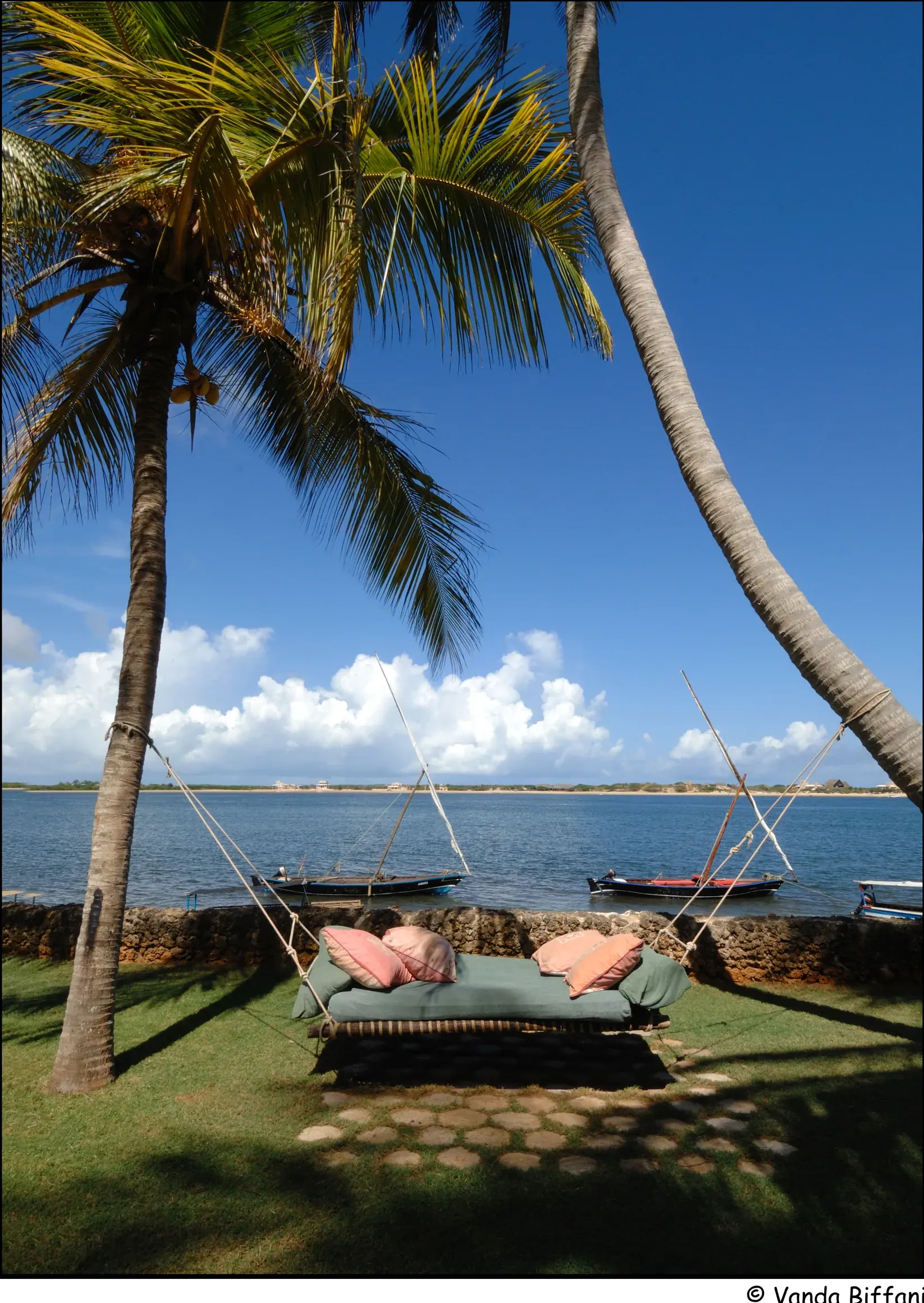
For Nairobi families who are not going upcountry, Christmas means the coast. Diani, Mombasa's north coast beaches, Watamu and Malindi are at their fullest from about December 20, Boxing Day brings the biggest beach crowds of the year, and New Year's Eve is a party from Mombasa to Watamu. Hotels set minimum stays and their highest rates, and the best rooms go by September. If you want a quieter beach in December, go before the 20th or choose a smaller place.

If you are invited home for Christmas
- Bring something for the household: sugar, tea leaves, cooking oil, bread or a crate of soda are welcome gifts in a rural home
- Greet elders first, and take the time to greet everyone; it matters more than anything you bring
- Eat what is offered, at least a little, and accept a second cup of tea
- Expect speeches, prayers and a lot of introductions; you may be asked to say a few words
- If there is a harambee, a small contribution is a generous gesture, not an obligation
- Learn a few words of Kiswahili: Heri ya Krismasi means Merry Christmas
Kenya Experience plans Decembers for diaspora families and their guests: the flights, a short safari, the coast, and open days for the family. Trips can be paid in full or monthly, with no deposit.