Kenyans in the U.S.. Updated November 2026. 7 min read.
Thirty cousins, three continents, one grandmother's compound. A family reunion in Kenya is the best trip you will ever organize and the hardest. Half the family flies from Dallas, Minneapolis and Atlanta, a branch comes from London, the Nairobi cousins drive up on the Friday, and the elders have been waiting a year. Somebody has to hold the list, the money and the program. If that somebody is you, this page is for you.
Here is the short answer. Fix the dates nine months out, especially for December, when fares climb and every hotel near JKIA fills. Give everyone one Nairobi base, then move the whole group upcountry together for three or four days built around one big home event. Add two or three nights of safari for the overseas branch, and agree early, in writing, who pays for what. The trip works when the logistics are boring and the family time is not.
Start with the list, not the itinerary
Before you price anything, make one shared sheet: every name, where they are flying from, passports held, ages, mobility and diet. Mark the elders who cannot sit in a vehicle for six hours, the babies who need car seats, the cousins on Kenyan IDs who pay citizen park fees and the in-laws who have never been to Africa. That one sheet decides the vehicles, the rooms, the safari and the budget. It also shows you, early, who is truly coming and who is still 'seeing how work goes'.
- Set a date to commit, with a first payment, about six months out; late joiners fit in where there is space
- Name one coordinator per household, so you are not chasing thirty people on one WhatsApp group
- Collect passport details and arrival times in the sheet, not in messages
- Ask about health early: an elder's dialysis, a cousin's pregnancy or a child's allergy changes the plan
Dates and flights: plan December in March
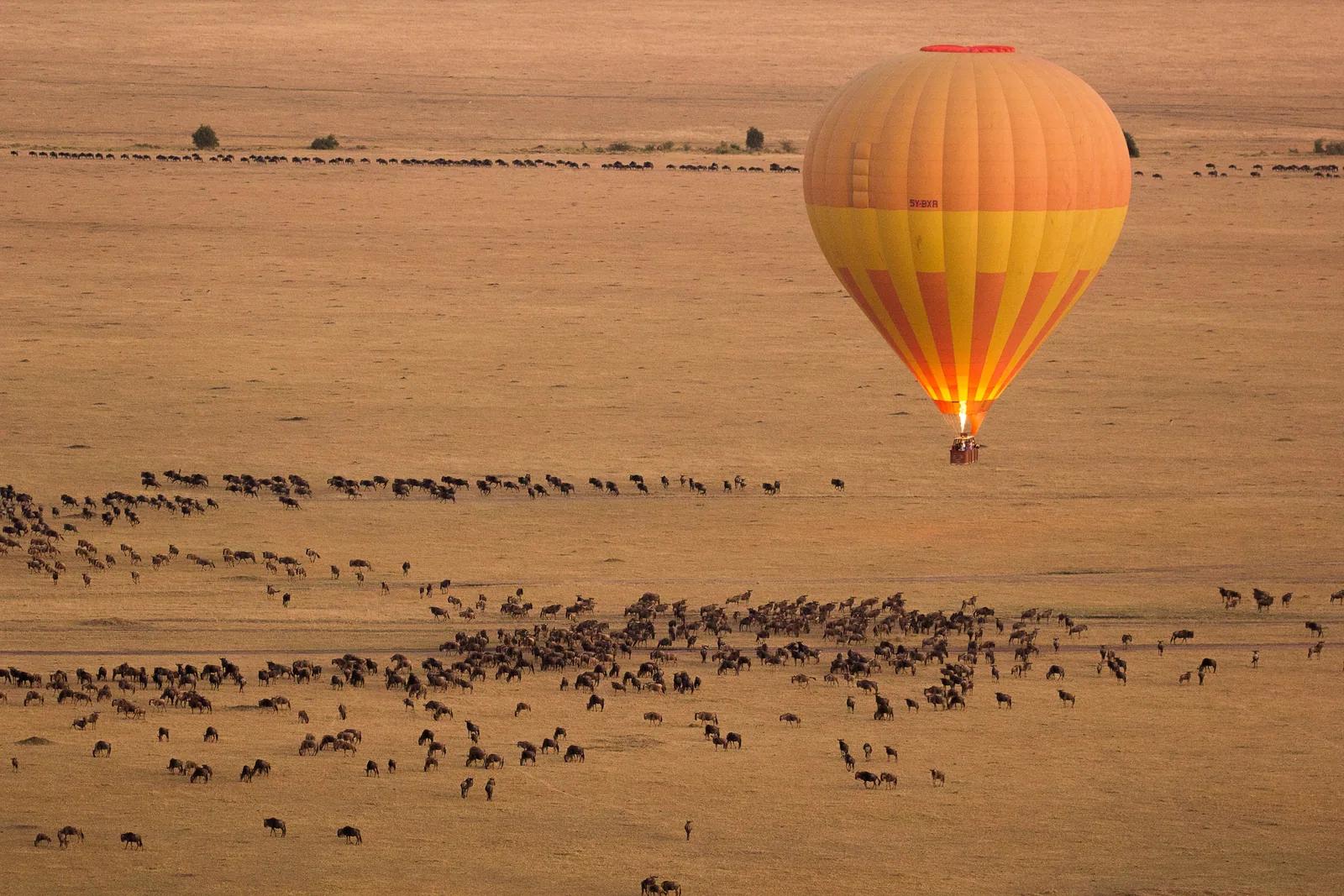
December is when the diaspora goes home, which is why December reunions are the hardest to book. Round-trip fares from the U.S. to Nairobi usually run about $900 to $1,600 in the peak months, and we use $1,200 as a planning figure; December dates booked late can go well above that. Our flights guide and the city pages explain the best routes from your airport. If your family can do late June to August instead, you get U.S. school holidays, dry weather and the migration in the Maasai Mara, with a little less pressure on flights.
Everyone books their own flights but aims for the same arrival window, ideally a two-day window, so that airport pickups, the Nairobi base and the first family dinner all happen together. Send the coordinator's sheet to us with flight numbers and we meet every arrival, at any hour, with a name board and a vehicle sized for the bags.
Moving thirty people around Kenya
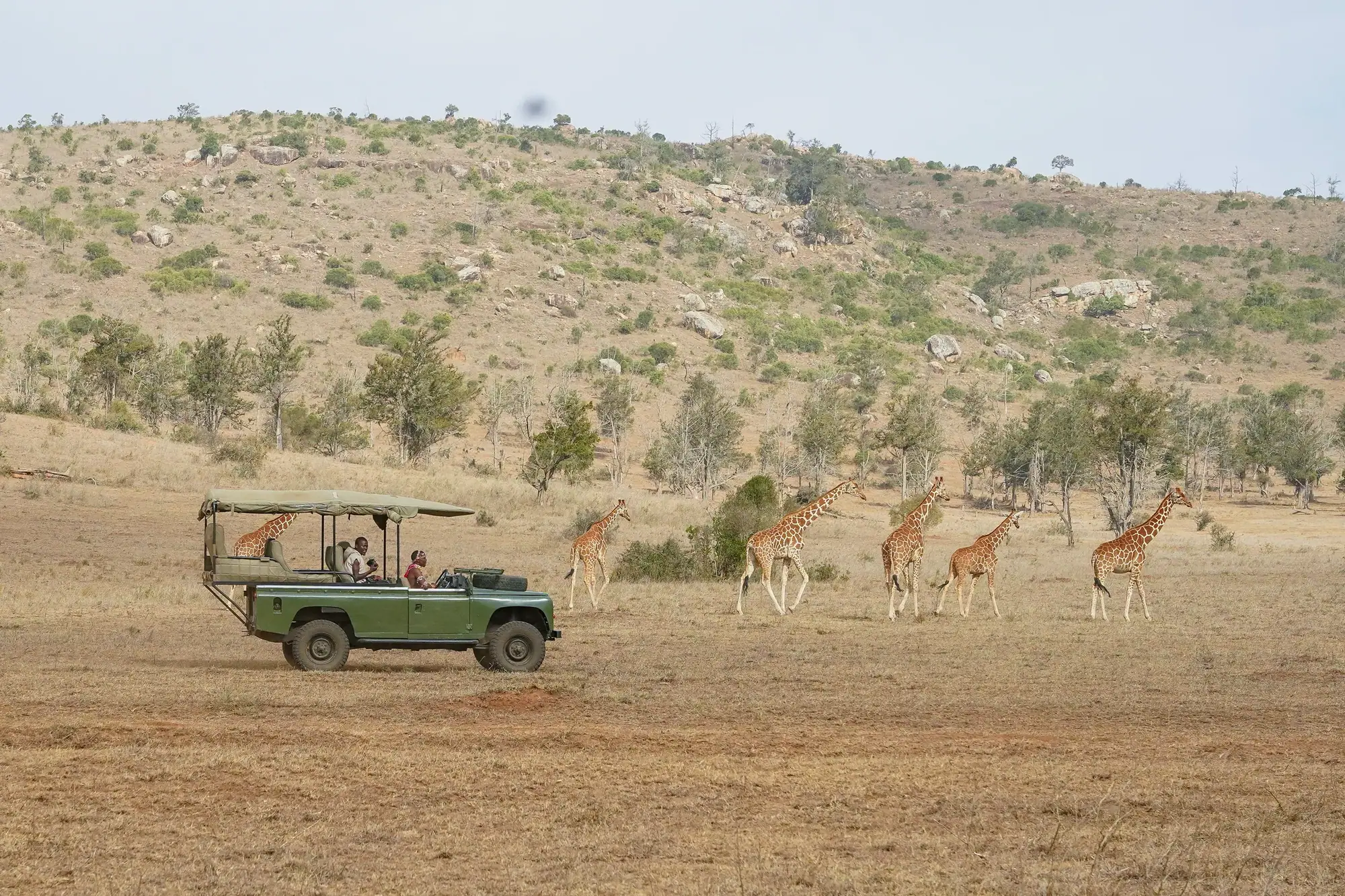
A group of this size is a transport problem first. In and around Nairobi, a mix of vans and minibuses works. For the upcountry leg, one bus keeps the family together, keeps costs down and means nobody spends the visit behind the wheel. On safari, the group splits into vehicles of six or seven so everyone has a window seat.
| Group size | Nairobi and airport | Upcountry leg | On safari |
|---|---|---|---|
| Up to 7 | One van | The same van | One safari vehicle |
| 8 to 14 | Two vans | Two vans or one minibus | Two safari vehicles |
| 15 to 30 | Minibuses for arrivals | One bus with a luggage van | Two to five safari vehicles |
| 30 plus | Staggered pickups | A full-size bus, plus a car for the elders | Several vehicles or a fly-in group |

One Nairobi base
Put everyone in one hotel, or a cluster of serviced apartments in the same neighborhood, for the first two or three nights. Kilimani and Karen work well for families: quick to the airport and the bypasses, with space to gather in the evening. One base means one pickup point for every outing, one place for the welcome dinner and one place where the cousins who live in Nairobi can drop in after work. Our Nairobi stay guide compares the areas.
The home event
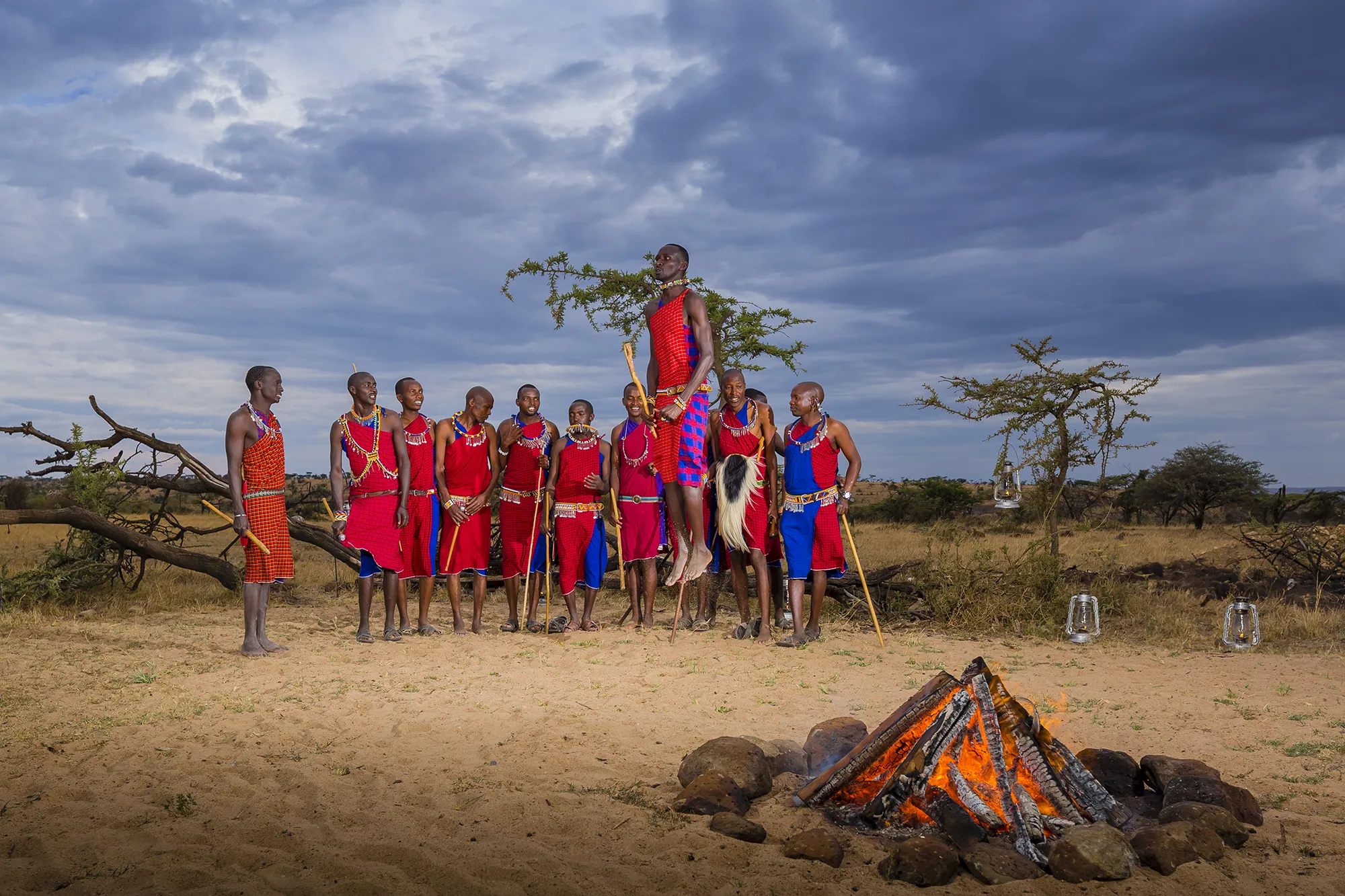
This is the day the reunion is for. In most families it happens at the grandparents' compound: tents and chairs hired from the nearest town, a program with an emcee, prayers, the elders speaking first, the family tree read out, and food for many more people than were invited, because the neighbors will come. The tradition at many Kenyan reunions is goat and chapati: the uncles handle the goats, the aunties start the chapati before dawn, and there is pilau, nyama choma, greens and tea until evening.
- Book tents, chairs, a generator and a sound system from the nearest town two or three weeks ahead; December bookings go early
- Hire mobile toilets if more than about fifty people are coming; the compound's facilities will not cope
- Decide between caterers and family cooks; caterers free the aunties to enjoy the day, and many families now mix both
- Plan drinking water in bulk and a place for the elders out of the sun
- Agree the program in advance: who speaks, who prays, who reads the family history, when the photos happen
- Give the American-born children a job: handing out gifts, the welcome song, or the family tree they drew at home
Who pays: the reunion economics
Every family does this differently, and every family argues about it a little. The pattern that works: each household pays its own flights, rooms and safari, and the home event is paid from one family fund. Many families run it the Kenyan way, as a harambee: a contribution meeting, in person or on a video call, with a named treasurer, a target and a public record of who has given. Relatives in Kenya often contribute in kind, with the goats, the cooking and the venue, and that counts.
The thing to avoid is the quiet assumption that the overseas branch pays for everything. Talk about it early, keep the accounts in a shared sheet and send receipts. A simple rule helps: the fund pays for the event, not for individual requests. Requests will still come; our guide to visiting upcountry covers how to answer them kindly.
The safari for the overseas branch
For in-laws, American-born children and friends on their first visit, a reunion without a safari feels incomplete. Two or three nights in the Maasai Mara or Amboseli fits neatly after the home event, while some of the family stays behind with the elders. Kenyans with a Kenyan ID or passport pay citizen rates at Kenya Wildlife Service parks; our citizen park fees guide explains which document to carry. In the Mara, at the time of writing, non-resident adults pay $100 a day from January to June and $200 from July to December, children aged 9 to 17 pay $50, and younger children enter free.

A sample 12-day reunion
| Days | Where | What happens |
|---|---|---|
| 1 to 2 | Nairobi | Arrivals and pickups at any hour, rest, the welcome dinner at the base |
| 3 | Nairobi | The Nairobi cousins' day: the Giraffe Centre, the elephant orphans, a family lunch |
| 4 | On the road | The bus upcountry, with a stop on the way at a viewpoint or a county sight |
| 5 to 7 | Home | Settling in, the home event on day 6, church on Sunday, time with the elders |
| 8 to 10 | Maasai Mara or Amboseli | Safari for those who want it; others stay home a little longer |
| 11 | Nairobi | Shopping, packing and a farewell dinner |
| 12 | Fly home | Late-night departures, with transfers timed for the group |
For a longer trip, add the coast at the end: three nights in Diani or Watamu turn the reunion into a holiday. Our 14-day itinerary has a diaspora version with the same rhythm of Nairobi, home, safari and beach.
What it costs
Family days at home cost little beyond transport and your share of the event. The safari and the Nairobi base are where the money goes. As a guide, land costs in Kenya run from about $150 to $300 a person per day on a budget, and about $300 to $600 at mid-range, before international flights. A 12-day reunion with a few days at home and a short safari sits well below the price of a full 12-day safari. Not included: flights, the eTA ($30) and Kenya's inbound travel insurance (about $44 plus fees), drinks, tips and your contribution to the home event.
With us, each traveler books through one group link and pays their own way, in full or in monthly payments with no deposit. The organizer sees who has paid and nobody holds anybody else's money. That alone ends half the arguments.
Small things that make it work
- Print the program and the family tree, and bring copies for the elders
- Bring a portable speaker and a playlist for the bus; the old songs will start on their own
- Hire a photographer for the home event, or appoint a cousin, so everyone is in the pictures
- Leave one free day; reunions run late and nobody wants a 6 a.m. start after the big day
- Plan the goodbye: the morning you leave the village is often the most emotional part of the trip