Food and drink. Updated November 2026. 5 min read.
Somali-Kenyan food is some of the most generous cooking in the country: a platter of spiced rice heaped with goat or camel, a banana laid on the side to eat with it, a basket of sour, spongy anjera, and a glass of tea fragrant with cardamom and cinnamon. It is the food of the Kenyan Somali community of the north-east, of Garissa, Wajir and Mandera, and of the large Somali communities in Nairobi, Mombasa and Isiolo.
The easiest place for a visitor to taste it is Nairobi's Eastleigh, the district most Kenyans think of first for Somali food, with its restaurants, tea shops and crowded markets. This page covers the dishes, the words, where to eat and a recipe to cook at home. For the community's history, clans, xeer law and poetry, read our Kenyan Somali people page.
The dishes that define the table
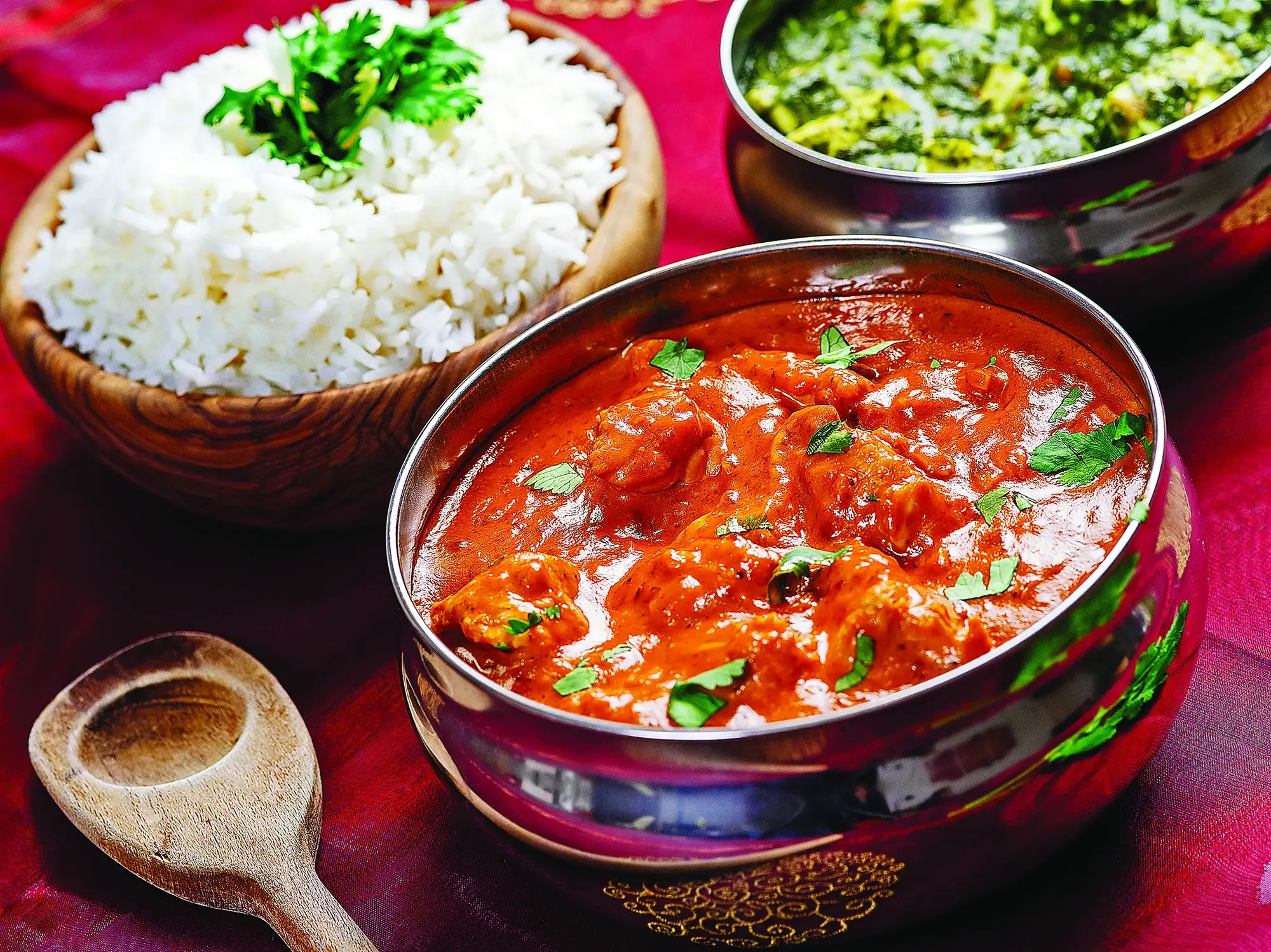
Bariis iskukaris is the centerpiece: long-grain rice cooked in stock with onion, garlic, cumin, cardamom, cinnamon and cloves, often with raisins and carrots, and served under a mound of meat. A whole banana eaten alongside the rice, bite for bite, is the Somali habit that surprises newcomers and then wins them over. Hilib ari (goat) and hilib geel (camel) are the meats, slow-cooked or roasted; suqaar is small cubes of meat fried quickly with onion, peppers and spice, eaten with anjera or rice.
Anjera, in Somali canjeero, is a thin, spongy flatbread made from a fermented batter and cooked on one side, rather like a smaller, lighter cousin of Ethiopian injera. It is the breakfast bread, eaten with sugar and tea, with butter and honey, or with stewed meat or liver. Muufo is a thicker flatbread, and sambusa, the Somali samosa, is fried in mountains during Ramadan.
The ingredient: camel
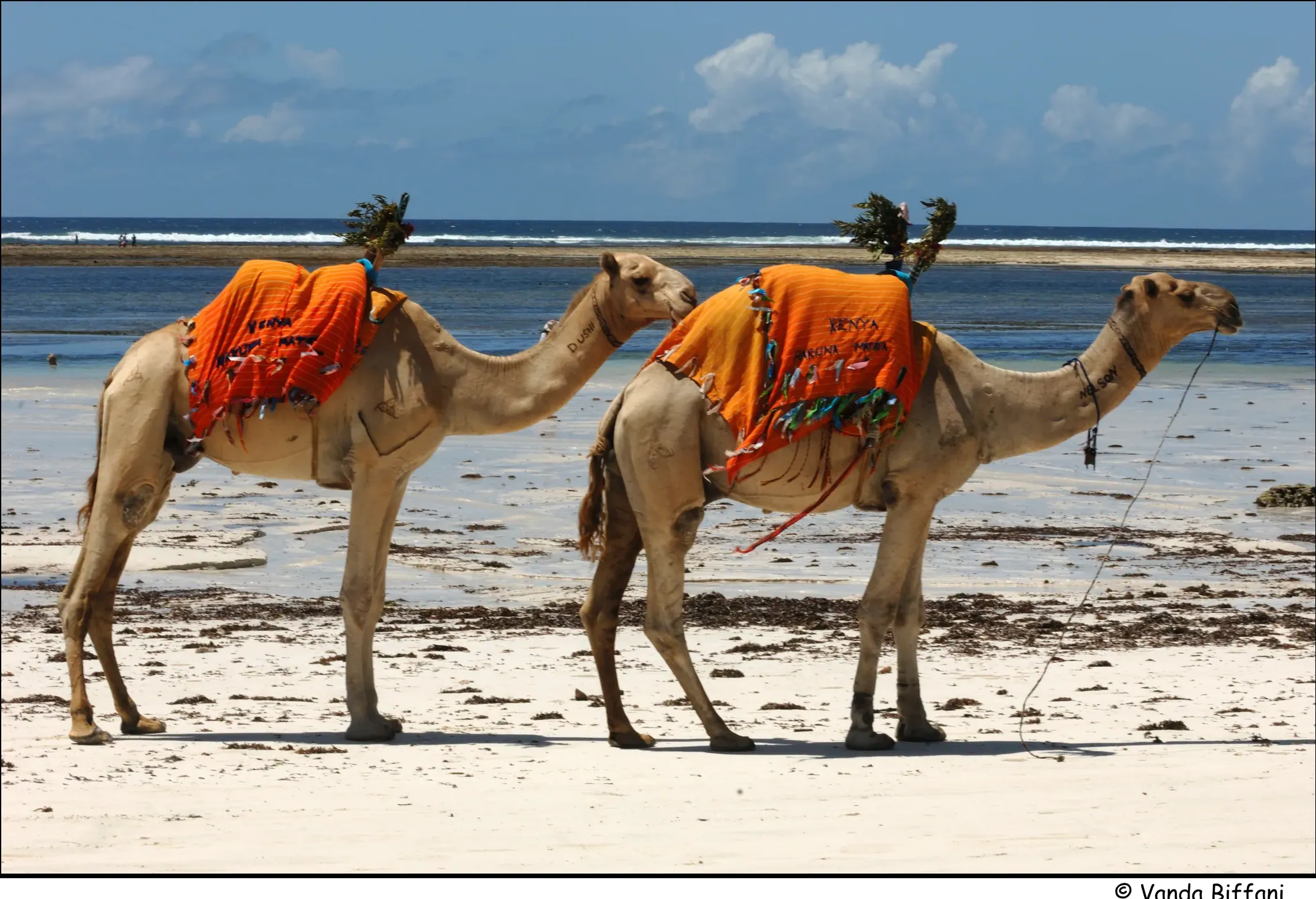
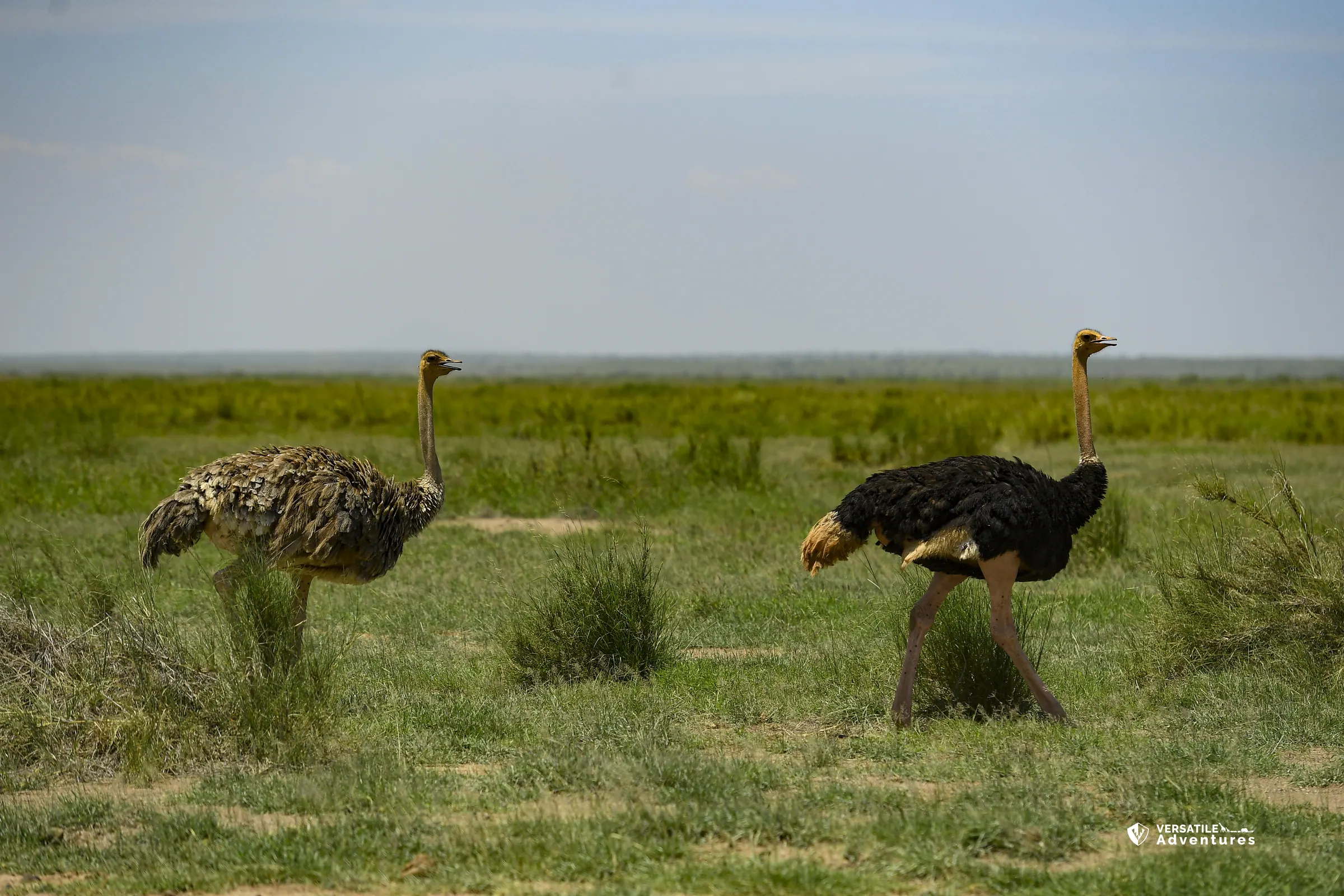
Camel herding is the cultural ideal of the Somali north-east, and camels give milk through droughts that kill cattle. Caano geel, camel milk, is drunk fresh, slightly salty and rich, or fermented into suusac. It travels from the herds around Isiolo, Garissa and Wajir to Nairobi by road every day, and it is now sold pasteurized and bottled in Kenyan supermarkets, often with a health claim on the label. Camel meat is leaner than beef and darker; try it as suqaar or roasted with rice.
Tea, sweets and ceremony
- Shaah: black tea boiled with cardamom, cinnamon, cloves and sometimes ginger, served with milk and sugar or black. It is offered to every guest
- Halwo: a dense, glossy sweet of sugar, starch, ghee and cardamom, cut into diamonds at weddings and on Eid
- Ramadan: the fast is broken at sunset with dates, water and tea, then sambusa, soup and the main meal. Restaurants in Somali areas come alive after dark
- Eid al-Fitr and Eid al-Adha: goats and camels slaughtered and shared with family, neighbors and the poor
- Weddings: platters of rice and meat for hundreds, halwo and tea

Words for the table
| English | Kiswahili | Somali |
|---|---|---|
| Rice | Wali | Bariis |
| Meat | Nyama | Hilib |
| Camel | Ngamia | Geel |
| Milk | Maziwa | Caano |
| Tea | Chai | Shaah |
| Water | Maji | Biyo |
| Thank you | Asante | Mahadsanid |
Where to eat Somali-Kenyan food
Start in Eastleigh, east of the city center, the heart of Somali life in Nairobi. Its main streets are lined with restaurants serving bariis with goat or camel, suqaar, anjera and sambusa, tea shops pouring shaah all day, and malls packed with traders selling fabrics, scarves, perfume, gold and household goods at wholesale prices. Go at lunchtime for a rice platter, or in the evening during Ramadan, when the streets fill after sunset for the breaking of the fast. A local guide makes the visit easier: Eastleigh is crowded, the traffic is slow, and a guide knows which kitchen is best this month and can help you bargain in the markets. Keep your phone and wallet out of sight in the crowds, as you would in any busy Nairobi market. Before you book, check the current U.S. State Department advisory for Kenya and confirm your travel insurance covers your plans.
Somali-run restaurants have also spread across the city. South C, near Wilson Airport, has a cluster of them, and Westlands and Kilimani have Somali and wider Muslim restaurants serving the same dishes, handy if you are staying on that side of town. Ask your hotel or driver for the current favorite, or ask us: names change, and we keep a list. Restaurants are halal and do not serve alcohol; many have a family section.
Outside Nairobi, Isiolo, the gateway town to Samburu and the north, has a large Somali community, camel milk sellers in the market and simple restaurants that serve camel meat and rice; it is an easy lunch stop on a northern safari. Mombasa's Muslim neighborhoods have Somali cafes too. Further north-east, Garissa town on the Tana River is the region's busiest trading hub, and its restaurants and livestock market show the food at its source.
Good manners
- Dress modestly: shoulders and knees covered for everyone, and women may want a scarf in more conservative places
- Eat with your right hand, and use the right hand to pass food
- Do not ask for alcohol, and during Ramadan avoid eating in public in daylight in Muslim areas
- Accept tea when it is offered; it is the welcome
A home recipe: bariis iskukaris
- 2 cups basmati rice, rinsed and soaked 20 minutes
- 1 onion, sliced; 2 cloves garlic; 1 tomato, chopped; 1 carrot, grated
- Spices: 1 teaspoon cumin, half a teaspoon each of cardamom and cinnamon, 4 cloves, 1 teaspoon salt
- 3 tablespoons oil or ghee and 3.5 cups stock, ideally from the goat or chicken you serve with it
- A handful of raisins, and bananas to serve
- Fry the onion in the oil until golden, then add the garlic, spices and tomato and cook 3 minutes
- Add the drained rice and stir until every grain is coated
- Pour in the hot stock, add the carrot and raisins, bring to a boil, then cover and cook on the lowest heat for 15 to 18 minutes
- Rest 5 minutes off the heat, fluff with a fork, and serve under slow-cooked goat or chicken, with a banana on each plate