Towns and places. Updated November 2026. 3 min read.
Lake Jipe is the quiet end of Tsavo West: a long, shallow lake of open water and reed beds on the Tanzanian border, with the Pare mountains rising across it, Kilimanjaro to the north-west on a clear morning and almost nobody else around. Birders come for the water birds, and everyone else comes for the silence.
Be clear about geography before you go. The border runs down the lake. The Kenyan shore lies inside Tsavo West National Park, and that is the side you visit, with a Tsavo West ticket. The far shore and the Pare mountains are in Tanzania, and there is no crossing at the lake: a boat trip on Jipe stays on the Kenyan side of the water, and your boatman knows where the line runs.
What you see
- Great white and pink-backed pelicans on the open water
- African jacanas walking on the lily pads, and lesser jacanas for the patient
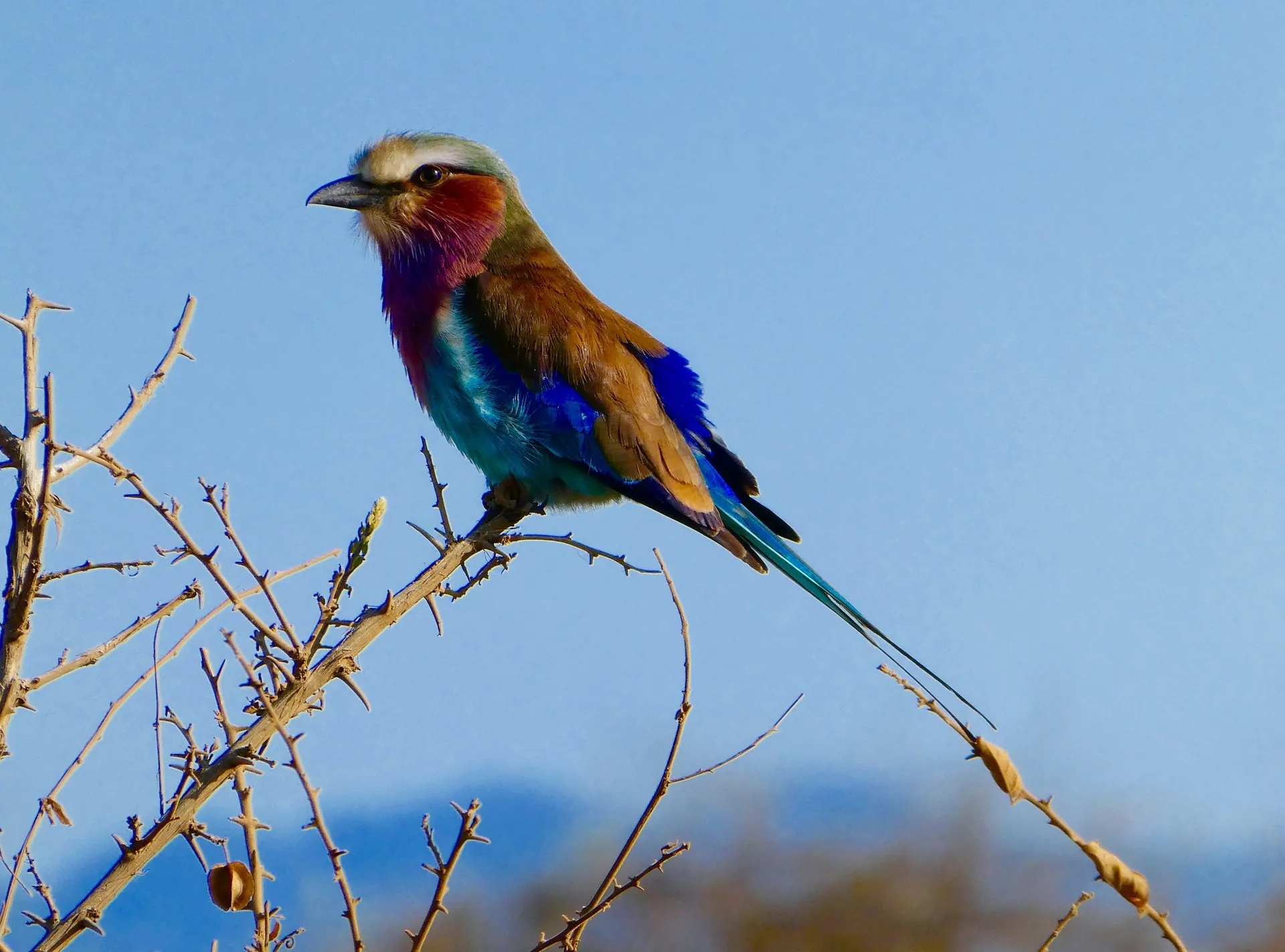
- Herons, egrets, African darters and cormorants in the reeds; pied and malachite kingfishers along the edges
- African fish eagles calling from the dead trees at the shore
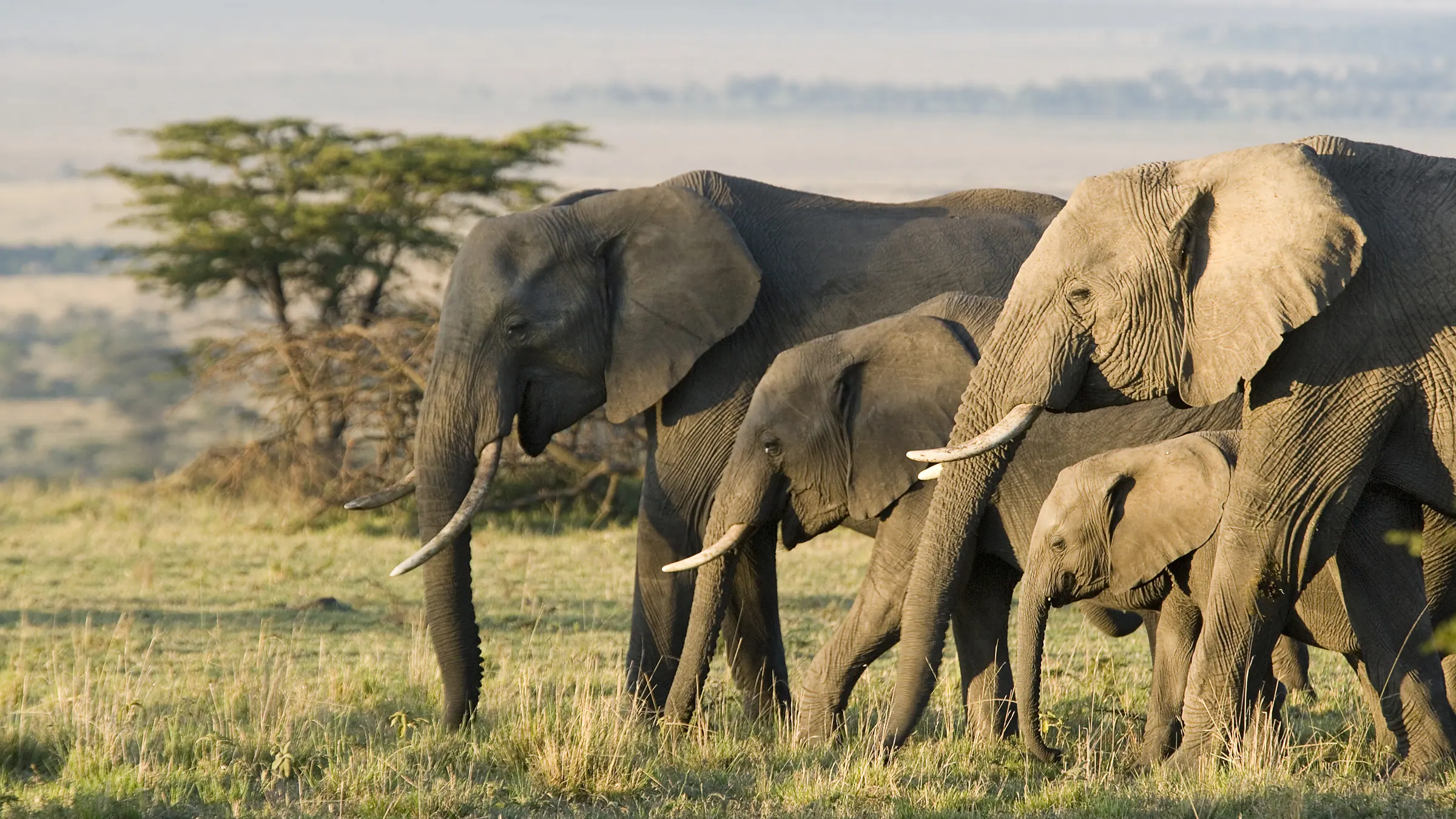
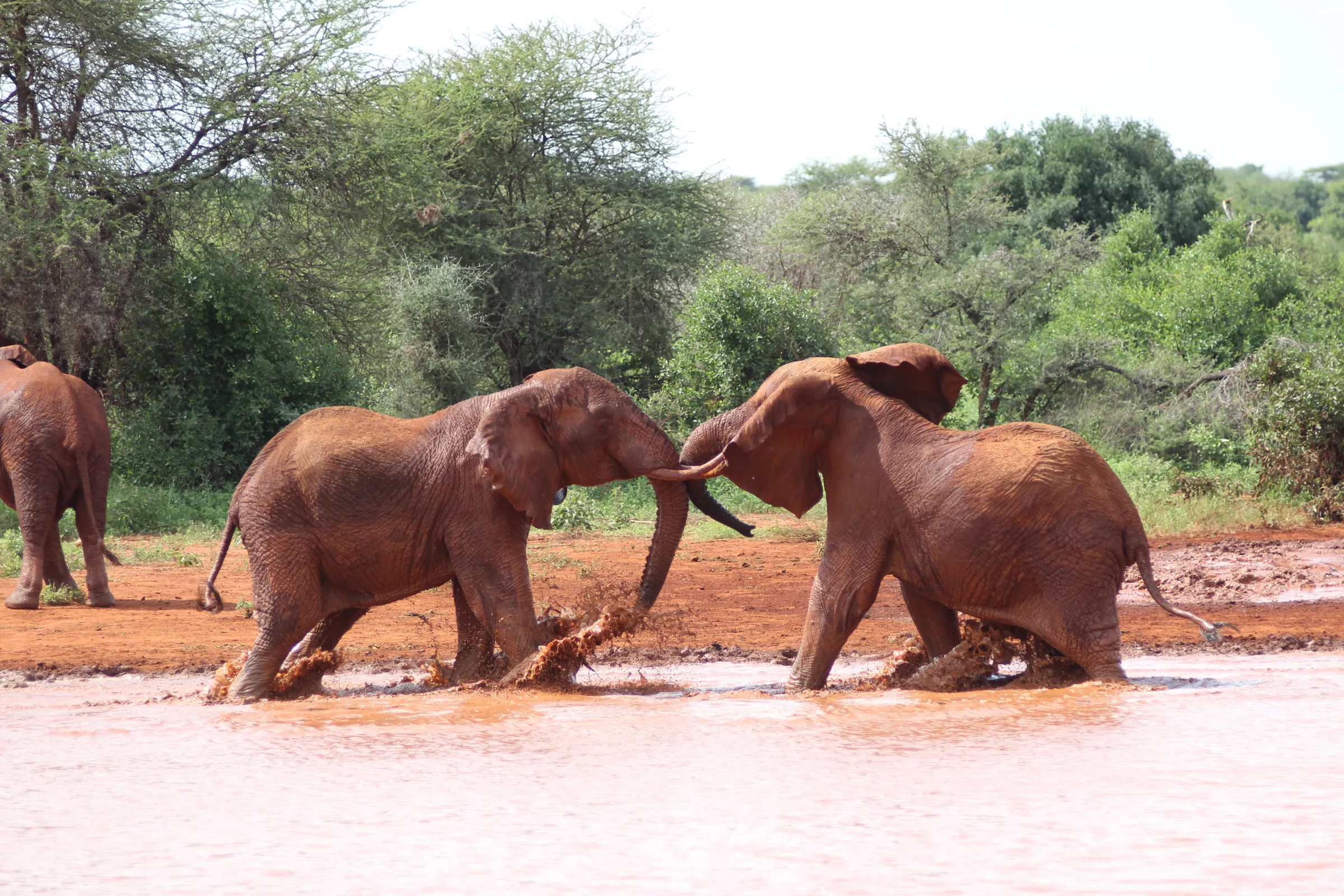
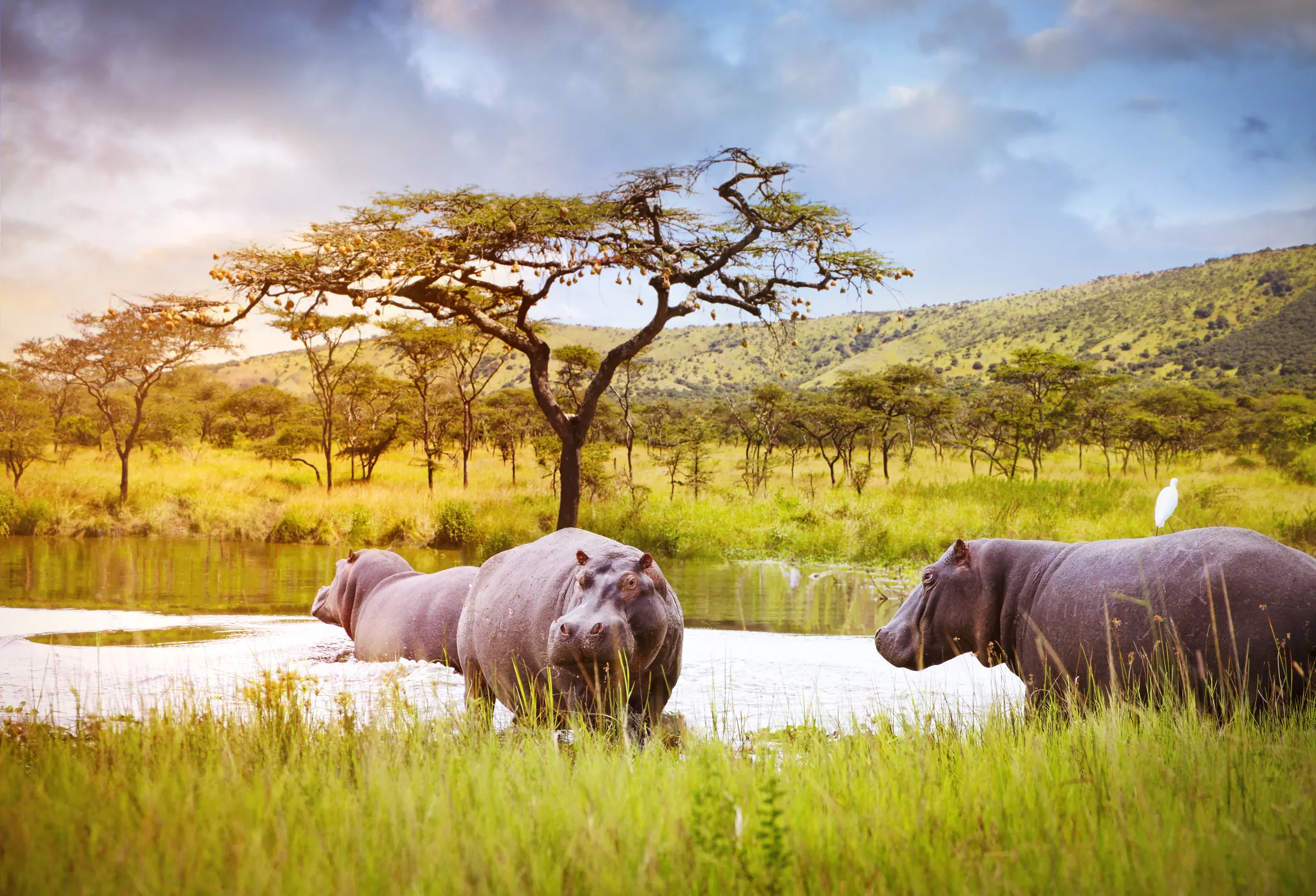
- Hippos and crocodiles in the lake; elephants, buffalo and zebra coming down to drink, especially in the dry months
The lake is also home to the Jipe tilapia, a fish found almost nowhere else and now endangered. Jipe is fed by the Lumi River from Kilimanjaro and drains south into Tanzania. Spreading reeds and silt from the farms upstream have shrunk the open water over the years, and conservation groups on both sides of the border are working on it. Your boat fee and park fee are part of what keeps the lake protected.
Boat trips and the bandas
Kenya Wildlife Service runs simple bandas and a campsite at the lake, and local boatmen take visitors out on the water from there, usually in a wooden boat for an hour or two. Go early in the morning or late in the afternoon, when the birds are active and the light is soft. Agree the price and the time before you set off, check for life jackets, and keep hands out of the water: the crocodiles are real. Facilities are basic and self-catering, so most of our travelers stay in a Tsavo West lodge and come to Jipe for the day.
The history around the lake
The country between Taveta and Jipe saw fighting in the First World War, when the border between British East Africa and German East Africa ran here, and the war cemeteries at Taveta are worth a stop. On a hill near the lake stands Grogan's Castle, the hilltop house built by the colonial settler Ewart Grogan, now a landmark you can see from the road. The Taveta people, whose farms fill the green land around the town, have lived from the springs and rivers off Kilimanjaro for generations.
Getting there
| From | Route | Roughly |
|---|---|---|
| Taveta | Dirt road south-east to the lake | About an hour |
| Tsavo West lodges in the north of the park | Park tracks south, with game viewing on the way | Most of a day; go with a guide |
| Voi | Tarmac to Taveta, then dirt to the lake | About 3 to 3.5 hours |
| Lake Chala | Back through Taveta | About 1.5 hours |
Jipe pairs best with Lake Chala: the crater lake in the morning, Jipe for birds and sunset. It also suits a slower Tsavo West trip of three nights or more, where one day goes south to the lake. Malaria risk is real here, and mosquitoes are busy at dusk, so use repellent and long sleeves. The dry months, June to October and January to February, give the firmest tracks into the lake and the easiest game viewing on the way.
Fees and what to bring
Jipe is inside Tsavo West, so you pay the Tsavo West fee: about $80 per non-resident adult per day and about $40 per child at the time of writing, through the KWS portal on eCitizen. Our park fees page has the full table. Boat trips and banda nights are paid separately to KWS or the boatmen.
- Binoculars and a bird book, or the eBird or Merlin app with an East Africa pack downloaded
- A long lens: the birds keep their distance from the boat
- Water, food and fuel: there are no shops at the lake
- Repellent, a hat and long sleeves for the evening