Towns and places. Updated November 2026. 3 min read.
The Chyulu Hills are a chain of young volcanic cones, about 100 km long, that rise out of the plains between Amboseli and Tsavo West. In the rains they turn the brilliant green that gave a hunting book its name: they are often linked to Ernest Hemingway's Green Hills of Africa (1935), though much of that book is set across the border in what was then Tanganyika. What everyone agrees on is the view: from the ridges, Kilimanjaro fills the western sky, closer and wider than from almost anywhere in Kenya.
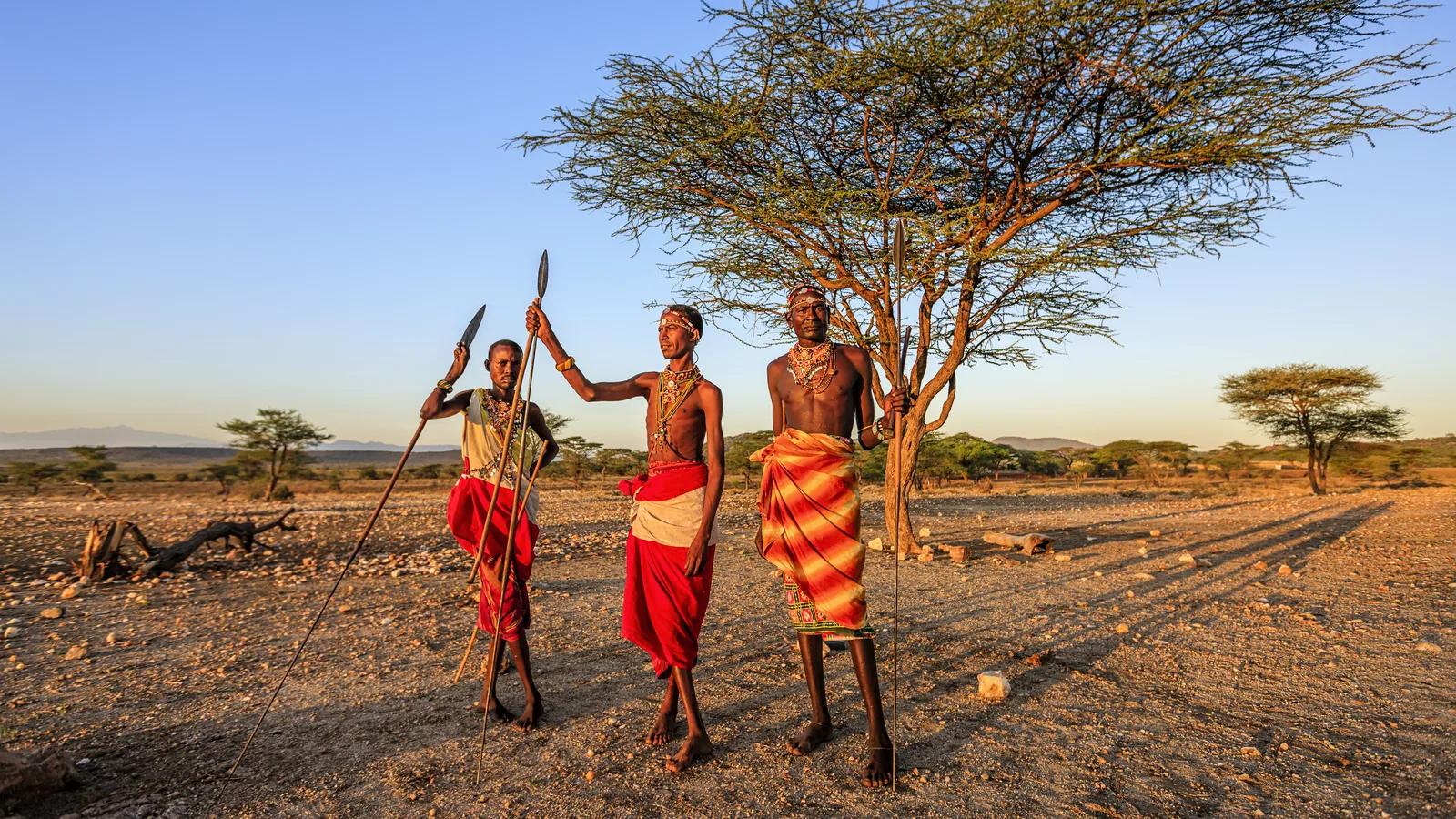
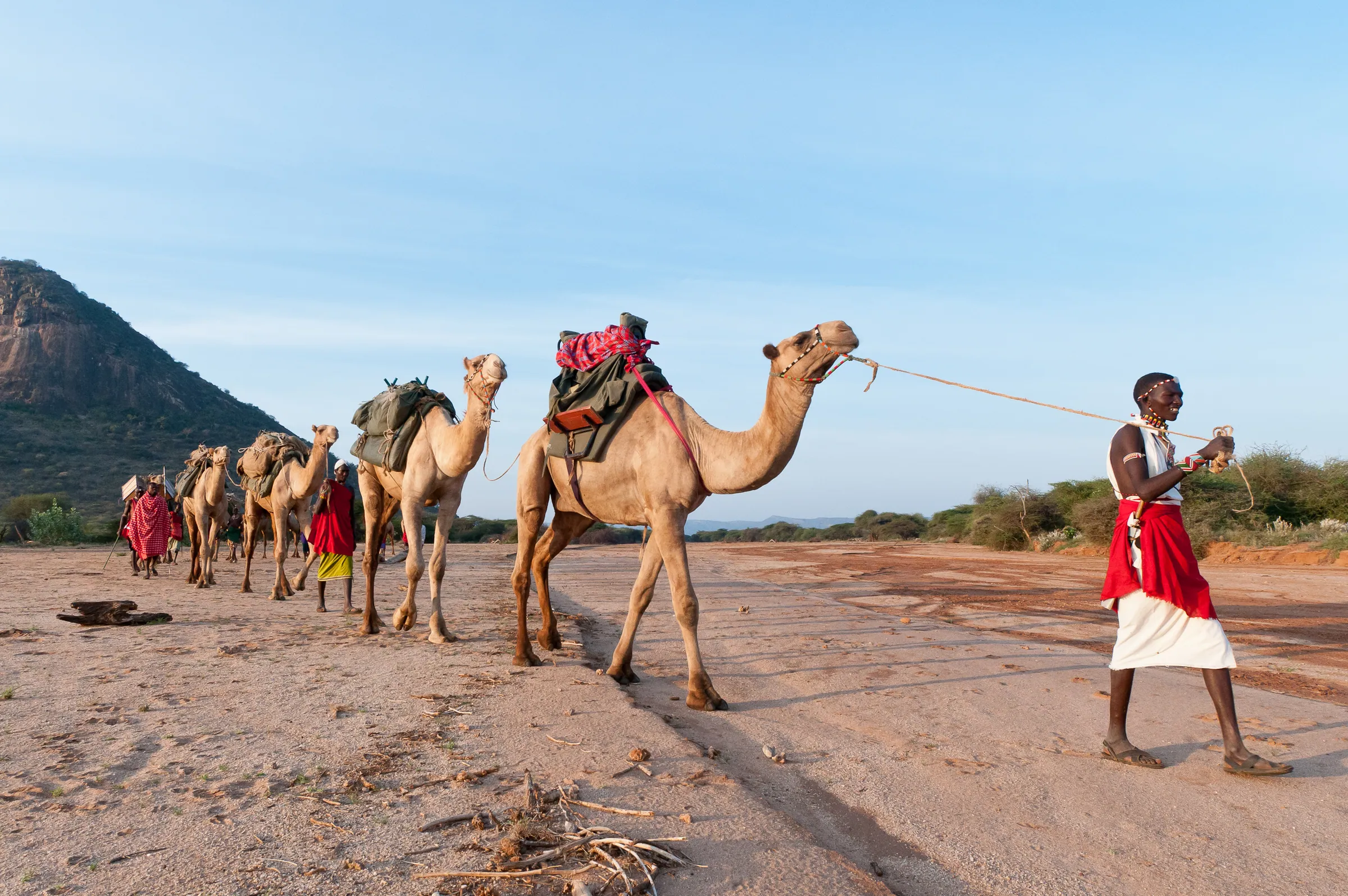
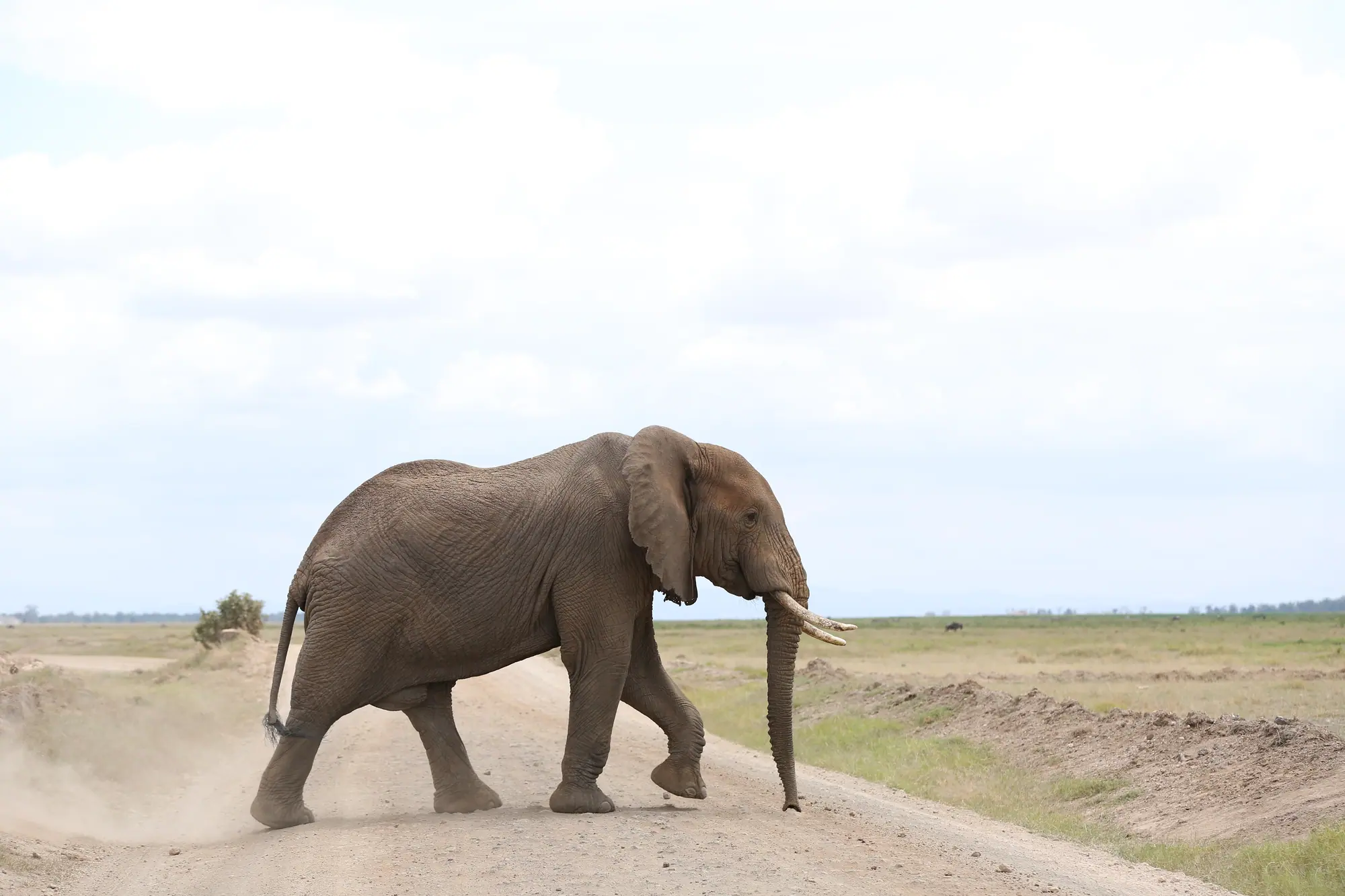
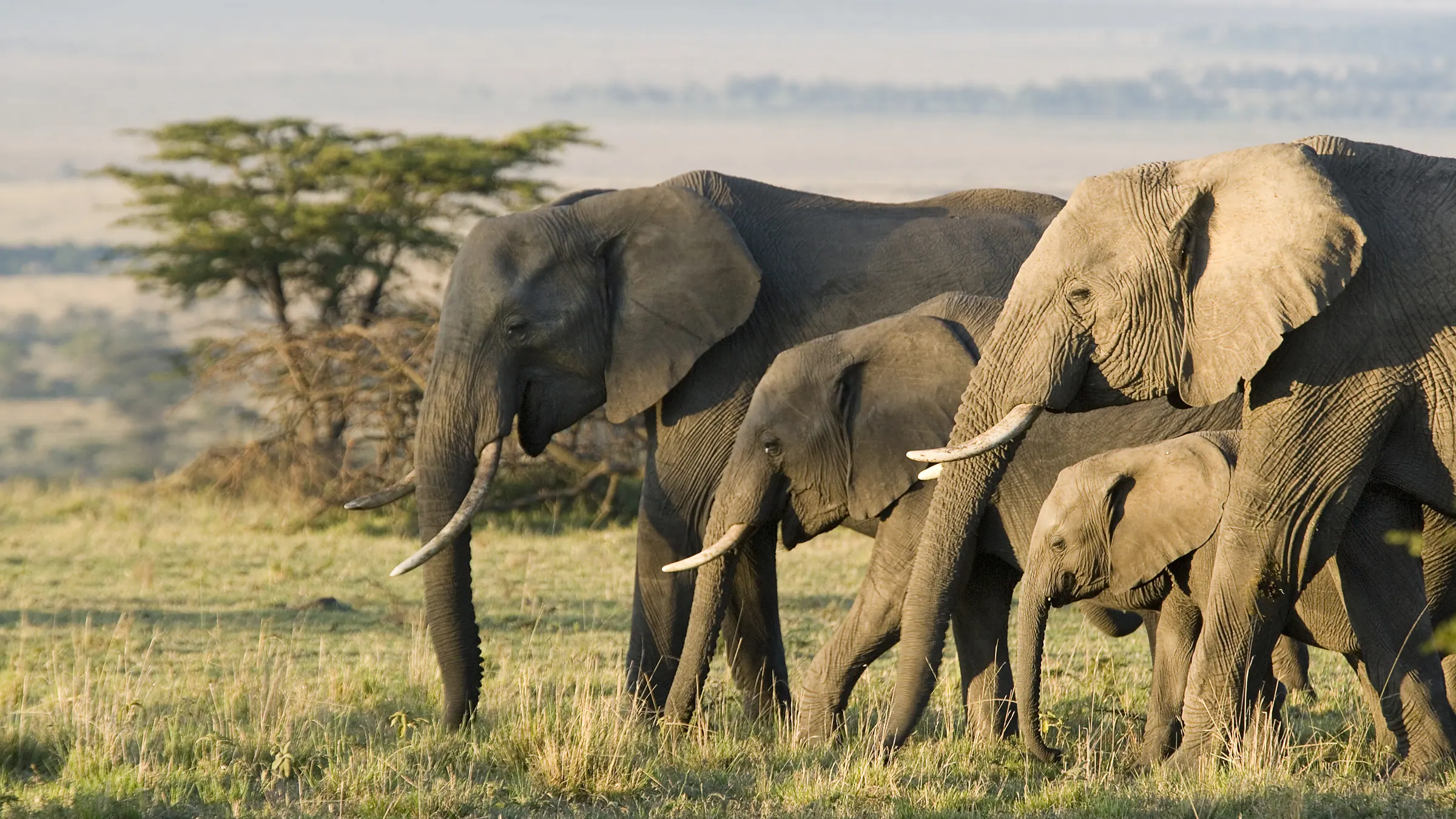
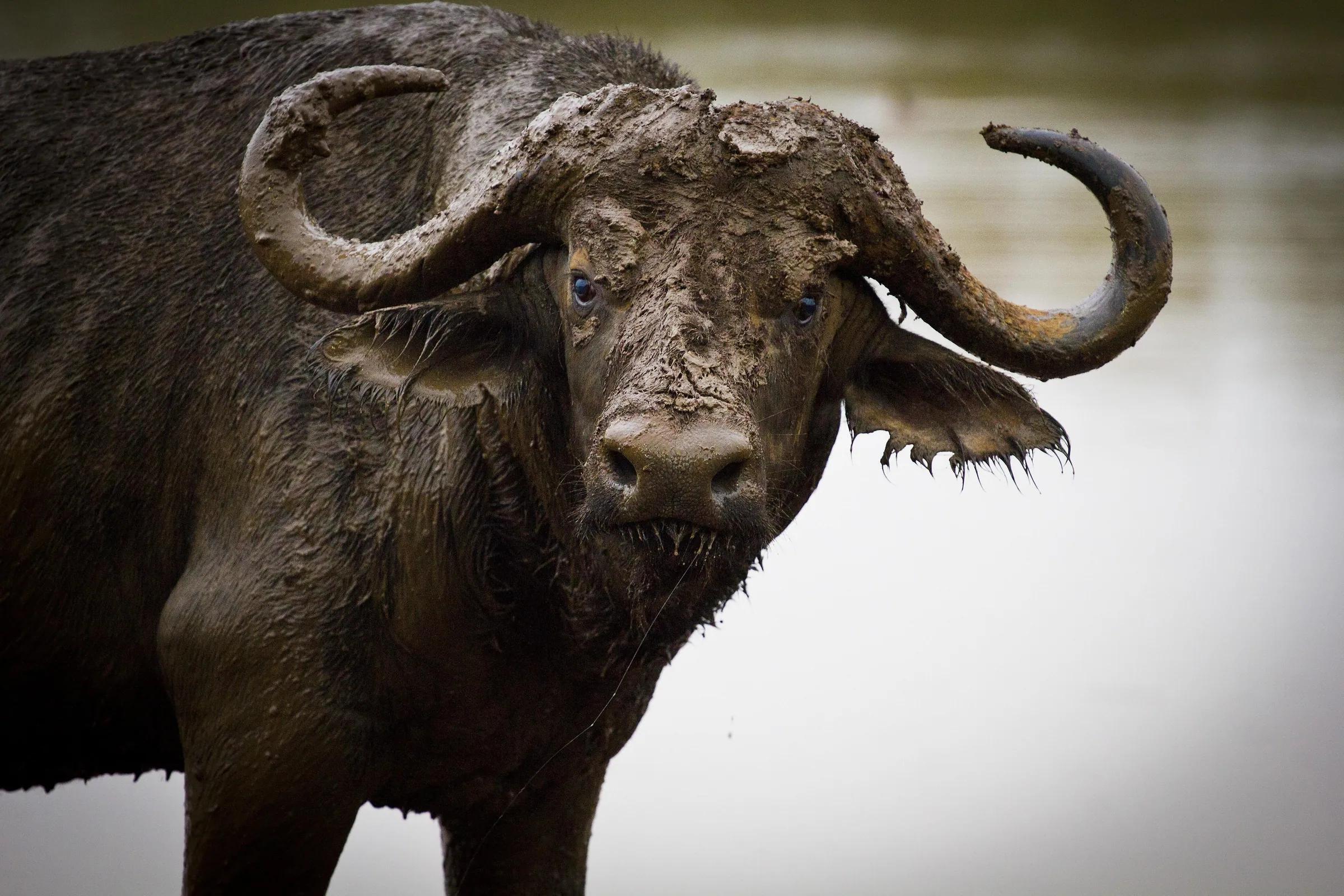
Come to the Chyulus for space, walking, riding and the mountain, not for dense game. Wildlife is here, elephants, buffalo, giraffe, eland, lions on the ranch plains below, but more scattered than in Amboseli. Most travelers stay two or three nights at one of the ranch lodges on the Maasai land at the foot of the hills, as a separate stay after or before Amboseli rather than a base for daily park drives.
A volcanic range, very young
Geologically, the Chyulus are babies. The range is a field of hundreds of small cones and lava flows, and its most recent eruptions happened about two centuries ago; the Shetani lava flow, a black river of rock you can walk beside on the Tsavo West side, is commonly dated to around the 1850s. The rock is so porous that almost no rivers run off the hills. Instead, rainfall soaks in and flows underground to emerge as springs, including Mzima Springs in Tsavo West, which also supply part of Mombasa's water.
Under the surface lie lava tubes, tunnels left where molten rock drained away. Leviathan Cave, at around 11 km, is among the longest lava tubes known anywhere, and Kisula Cave is another of the range's large caves. These are wild caves, unlit and unmapped for casual visitors; go only with a KWS ranger or an experienced guide, with helmets and proper lights, and never alone.
What to do
- Ride: horseback safaris on the ranch plains and up into the hills are the signature activity at the lodges
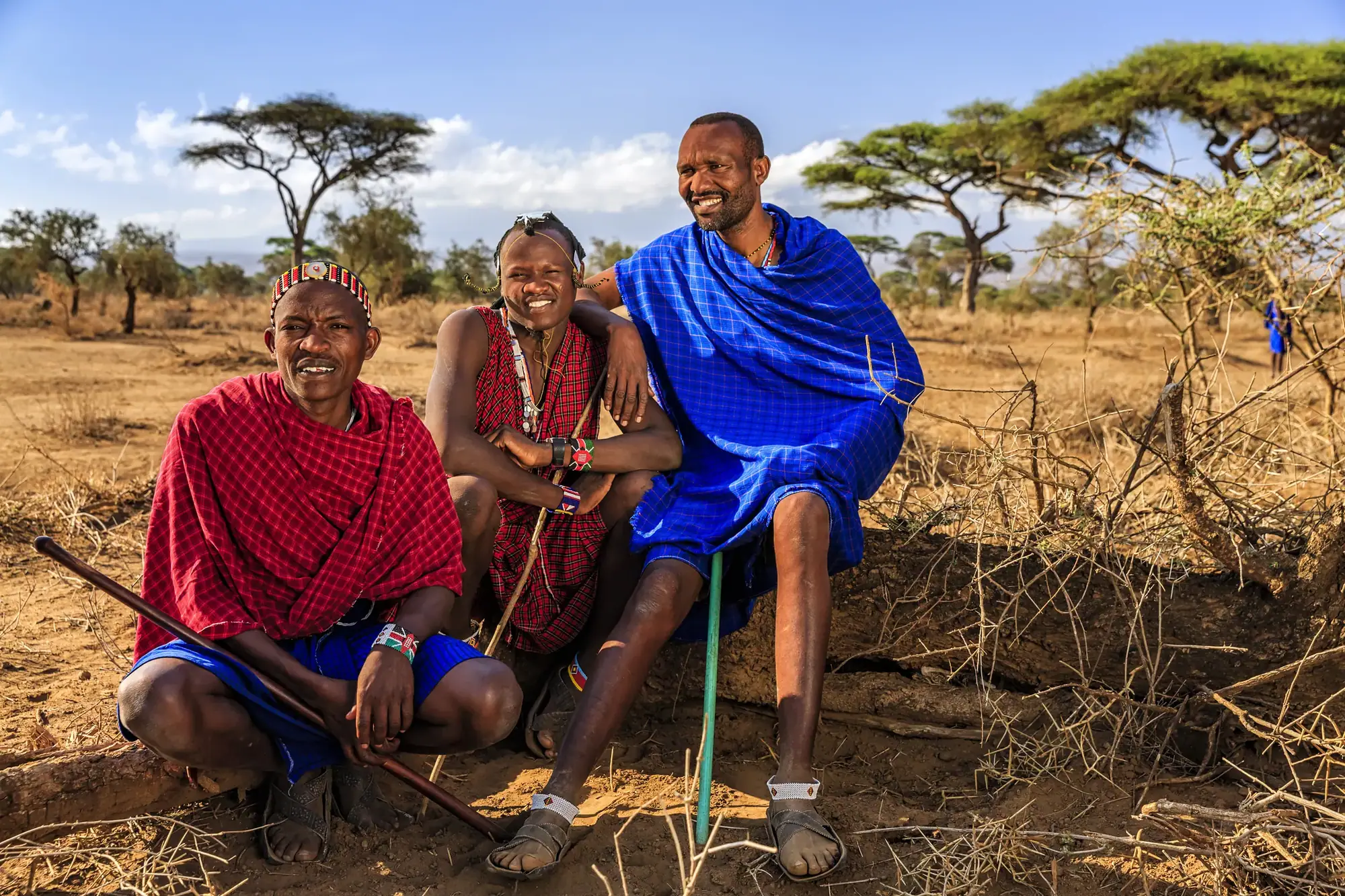
- Walk the grassy ridges with a Maasai guide, with Kilimanjaro on one side and the Tsavo plains on the other
- Sleep out on a star bed or sit in a hide at a waterhole as elephants come in to drink
- Drive to the cloud forest on the ridge tops, home to forest birds and butterflies
- Walk the Shetani lava flow on the Tsavo West side
- Visit the rangers and community projects that protect the area
Where to stay
Two established lodges sit on Maasai group ranches at the foot of the hills. Ol Donyo Lodge, on the Mbirikani group ranch, is known for horse riding, star beds and a waterhole hide. Campi ya Kanzi, on the Kuku group ranch, works with the Maasai Wilderness Conservation Trust on community conservation. Both are at the top end and include activities in their rates. Our where-to-stay in Amboseli guide compares them with the lodges around Amboseli, so we will not repeat it here.
Conservation on the ranches
The Chyulus are the link in a wildlife corridor between Amboseli and Tsavo, and most of that corridor is Maasai land. The Big Life Foundation employs community rangers across the ecosystem to stop poaching and to help herders and wildlife live side by side, including compensation schemes for livestock lost to predators. Your lodge rate pays conservation and lease fees to the group ranches, which is a large part of why the land stays open. It is a model close to the Mara conservancies; our conservancy guide explains how it works.
Fees, getting there and timing
| Question | Answer |
|---|---|
| Park fee | A KWS fee applies in Chyulu Hills National Park, lower than Amboseli's; check the current KWS schedule. Ranch lodges include conservancy fees in their rates. |
| From Amboseli | About 1.5 hours by road via Kimana |
| From Tsavo West | The Chyulu road from Tsavo West's northern side, about 1.5 to 2 hours depending on the lodge |
| From Nairobi | About 5 hours by road, or a light aircraft to a ranch airstrip |
| Best time | June to October and January to February for clear views; green and dramatic after the rains |
The classic route is Amboseli for two nights, then the Chyulus for two, then Tsavo West or the coast. Our Amboseli versus Tsavo guide helps you shape that loop, and our Kilimanjaro views page explains why the Chyulus give the widest view of the mountain. The Chyulus are part of our standard routes.