Wildlife. Updated November 2026. 5 min read.
Sit on a jetty at Lake Naivasha at dawn and you will hear it before you see it: a ringing, yelping call, weee-ah, kyow-kyow-kyow, thrown across the water from the top of a dead acacia and answered by a second bird farther along the shore. That call, made with the head thrown right back, is the sound many Kenyans connect with the lakes. It belongs to the African fish eagle, furukombe in Kiswahili.
You can see fish eagles on almost any lake or big river in Kenya, in any month. The easiest places are Lake Naivasha and Lake Baringo, where a short boat trip usually brings you close to several pairs, and Lake Nakuru and Lake Bogoria, where they hunt among the flamingos. The Mara River, the Tana, Lake Victoria, Lake Turkana and the coastal creeks have them too.
How to recognize it
- Adults: white head, chest and tail, chestnut belly and shoulders, black wings, and a yellow face and feet.
- Size: females are the larger sex, at about 3 to 3.5 kilograms; males weigh roughly 2 to 2.5 kilograms. The wingspan is around 2 to 2.4 meters.
- Young birds: mottled brown and white for their first few years, which confuses many first-time birders.
- Diet: mostly fish, but also waterbirds, including flamingos, and some carrion.
Where to see fish eagles in Kenya
| Place | What to expect | How |
|---|---|---|
| Lake Naivasha | Pairs spaced along the shore, perched in yellow fever trees | Boat trip from the lodges or to Crescent Island; Crater Lake nearby |
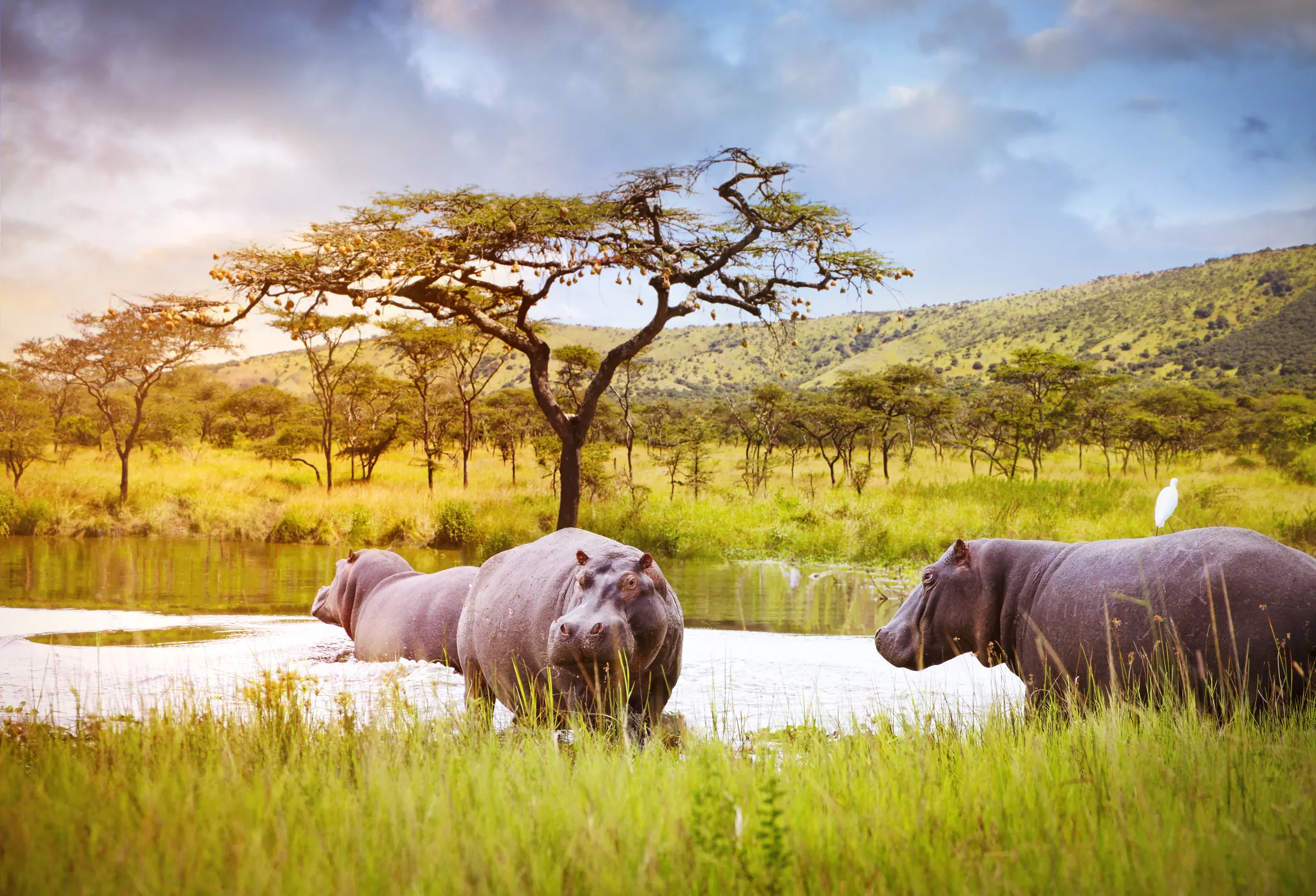
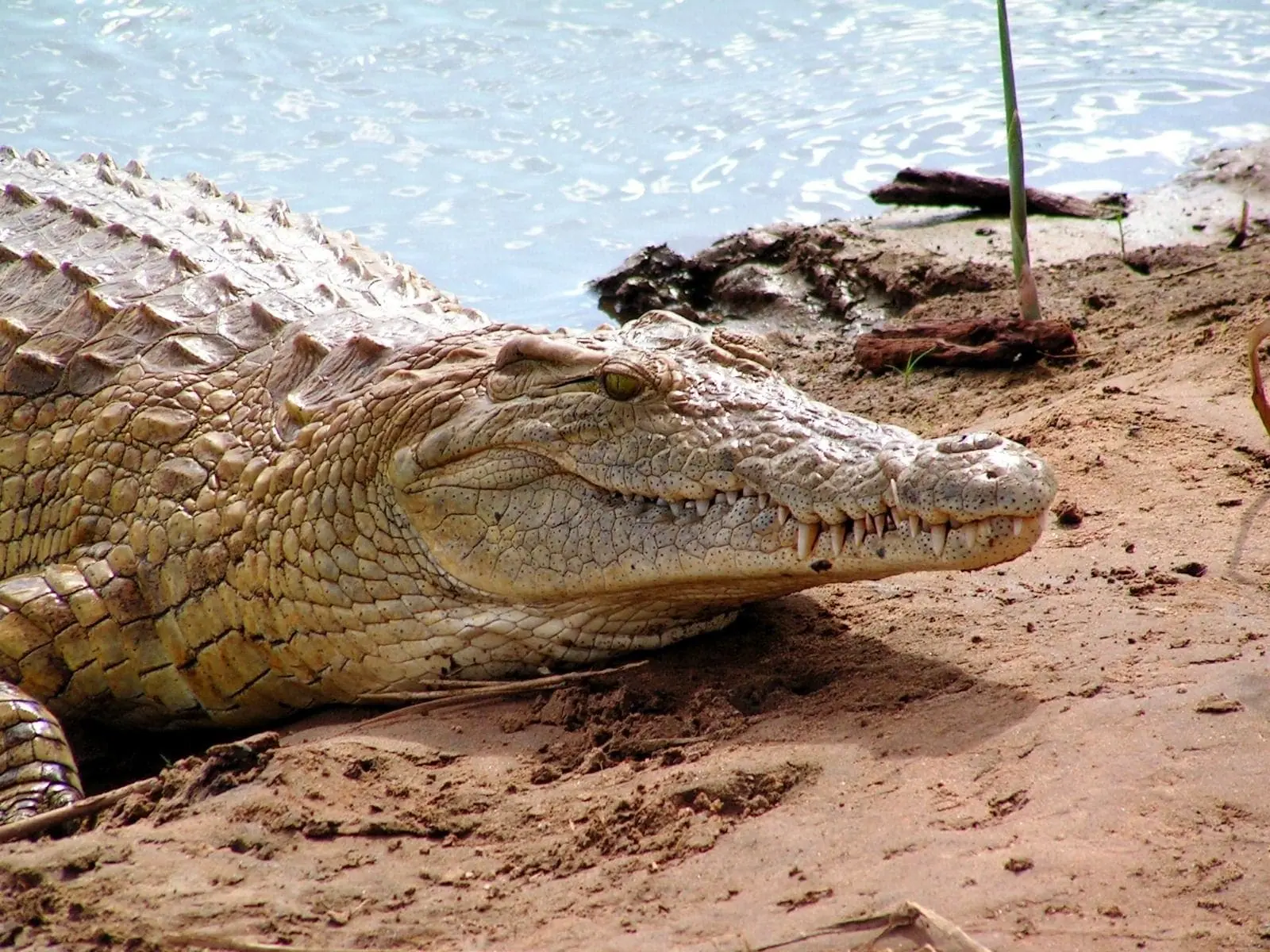
| Lake Baringo | Close views from local boats out of Kampi ya Samaki, with skilled bird guides | Early morning boat, often with hippos and crocodiles |
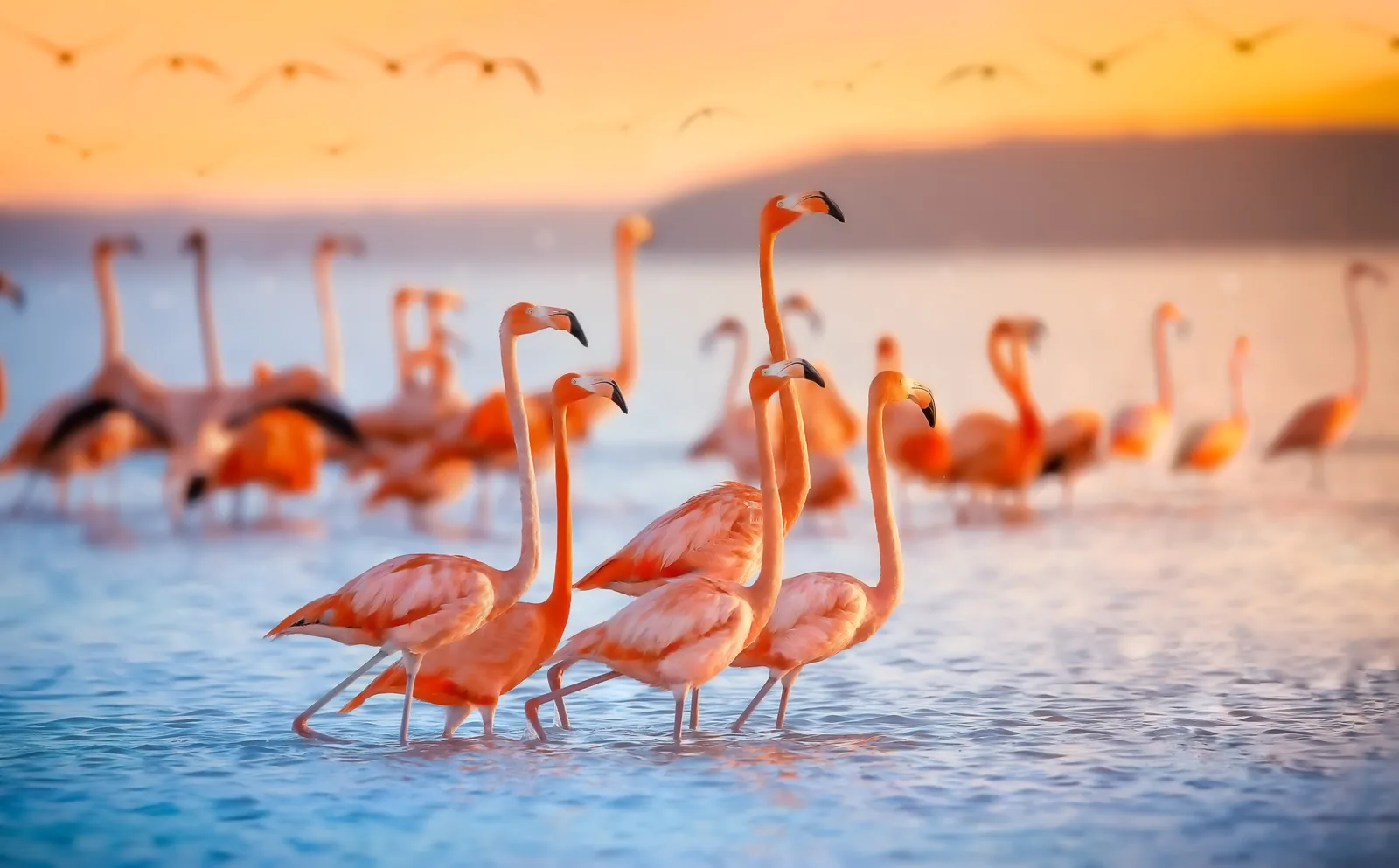
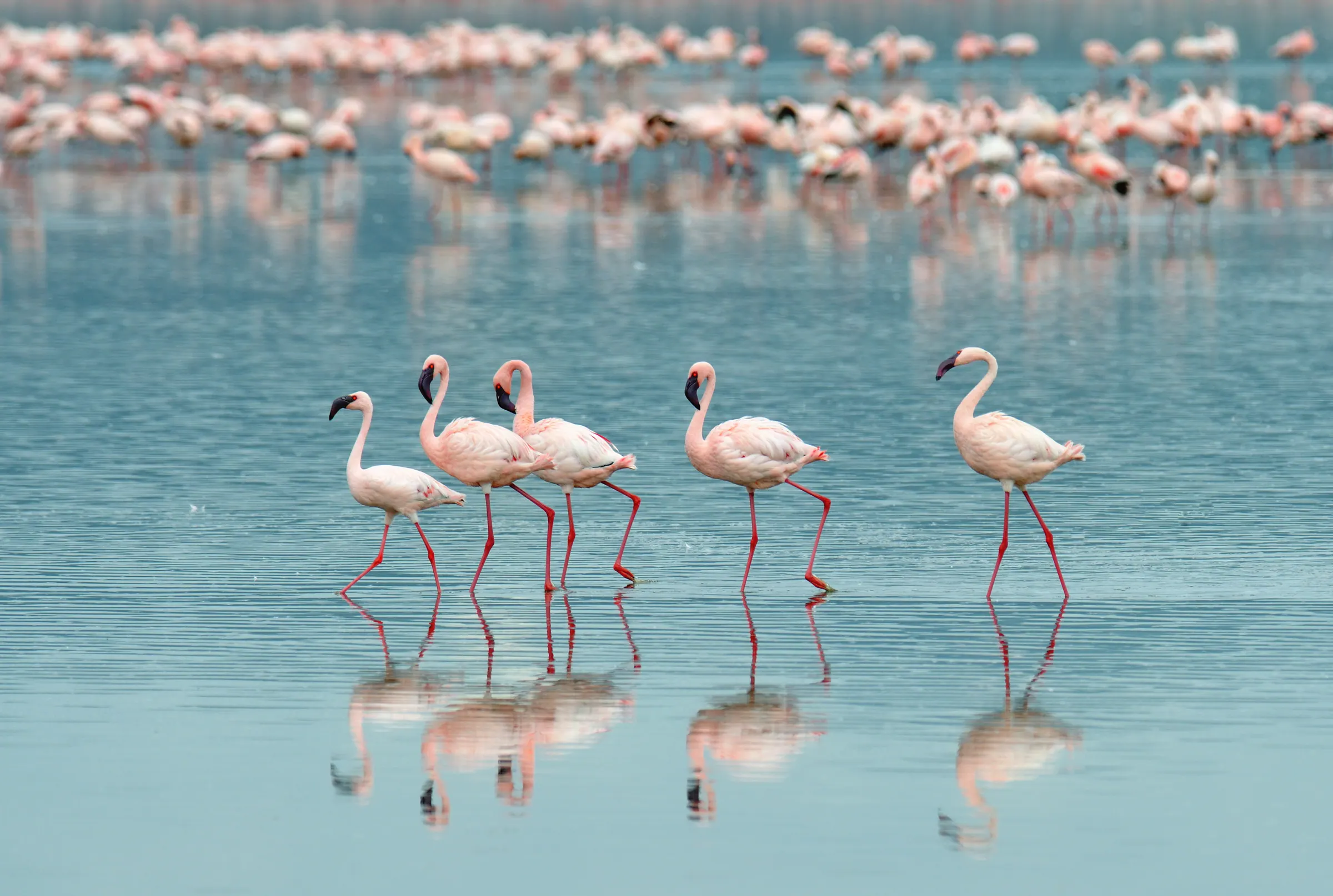
| Lake Nakuru and Lake Bogoria | Fish eagles hunting and harassing flamingos | Game drive along the shore |
| Lake Elementaita | Fish eagles with pelicans and flamingos | A short drive between Naivasha and Nakuru |
| Maasai Mara | Pairs along the Mara and Talek rivers | Look up into tall riverside trees on game drives |
| Mida Creek and the Tana | Fish eagles over mangroves and river forest | Tide-timed boat trip or walk near Watamu |
How a fish eagle hunts
A fish eagle spends most of the day perched, often for hours, and hunts in short bursts. It drops from a perch in a long glide, swings its feet forward at the last moment and snatches a fish from just below the surface, then labors back to a tree to eat. Rough pads on its feet, called spicules, grip slippery fish. It cannot plunge deep like an osprey, so it takes fish near the surface, and tilapia and catfish make up much of its diet. Fish eagles also steal from other birds, chasing herons, pelicans and other eagles until they drop their catch. An eagle that grabs a fish too heavy to lift will sometimes row itself to shore with its wings, a sight your boatman may have seen and you probably will not.
Pairs, territory and the call
Fish eagles live in pairs that hold the same stretch of shore for many years, often for life. They call to each other and to their neighbors to mark their territory, and you will often hear a duet, the male's voice higher than the female's. They build big stick nests in tall trees near the water and reuse them, adding material each season. One or two chicks usually hatch, and the young stay mottled brown for several years before they grow the white head. Lake Naivasha's fish eagles have been studied for decades, which is part of why they are among the best known eagles in Africa.
The fish throw: what we think
On some boat trips on Naivasha and Baringo, the boatman whistles, an eagle answers, and he throws a fish, often with a piece of reed or wood tucked inside so that it floats, for the eagle to swoop on. It makes a great photograph, and the birds have learned the routine well. It also changes their behavior. Eagles fed by boats come to depend on them, gather in unnatural numbers and may spend less time defending territories and nests, and the fish thrown can be the wrong size or poor quality. Our view: we prefer boat operators who show you eagles hunting on their own. If your boatman does throw a fish, do not ask for more, and never pay extra for repeat throws. With patience at dawn, you will get better pictures of real hunting anyway.
Three things most people do not know
First, the fish eagle is the national bird of Zambia, Zimbabwe and Namibia, it flies on the flag of Zambia, and it sits on South Sudan's coat of arms. Second, its call is so tied to the sound of Africa that wildlife films use it as shorthand for the whole continent. Third, fish eagles eat flamingos: at Lake Bogoria and Lake Nakuru they take adult birds, so you may watch a whole flock lift off the water as an eagle passes over.
How to photograph a fish eagle
From a boat, ask the boatman to approach slowly with the light behind you and to cut the engine. Perched birds give you portraits. For the strike, use continuous focus, a shutter of 1/2500 second or faster and a burst, and start shooting the moment the eagle leaves its branch. A 100 to 400 mm zoom is ideal. Early mornings on Naivasha are calm and golden, and the reflections are a bonus. Keep the camera strap around your neck: boats rock.
Conservation status
The African fish eagle is listed as Least Concern at the time of writing and is common on Kenya's lakes. It is still a good measure of lake health. Overfishing, pollution from farms and towns, pesticide residues and changing water levels all affect it. The Rift Valley lakes have risen sharply over the past decade, drowning shoreline trees that eagles used for perches and nests, and on Naivasha the demands of farms, fishing and towns make clean water a constant fight. Hiring local boat guides and paying the lake fees keeps money with the communities who look after the shore.
Trips where you will see one
A night or two at Lake Naivasha on the way to or from the Mara is the easiest way, and our five-day itinerary includes it. Birders should add Lake Baringo, where the boat trips are some of the best in Kenya. Our birdwatching guide covers the wider lake list, and our page on pelicans and storks covers the other big birds you will see from the same boat.