Parks and reserves. Updated November 2026. 4 min read.
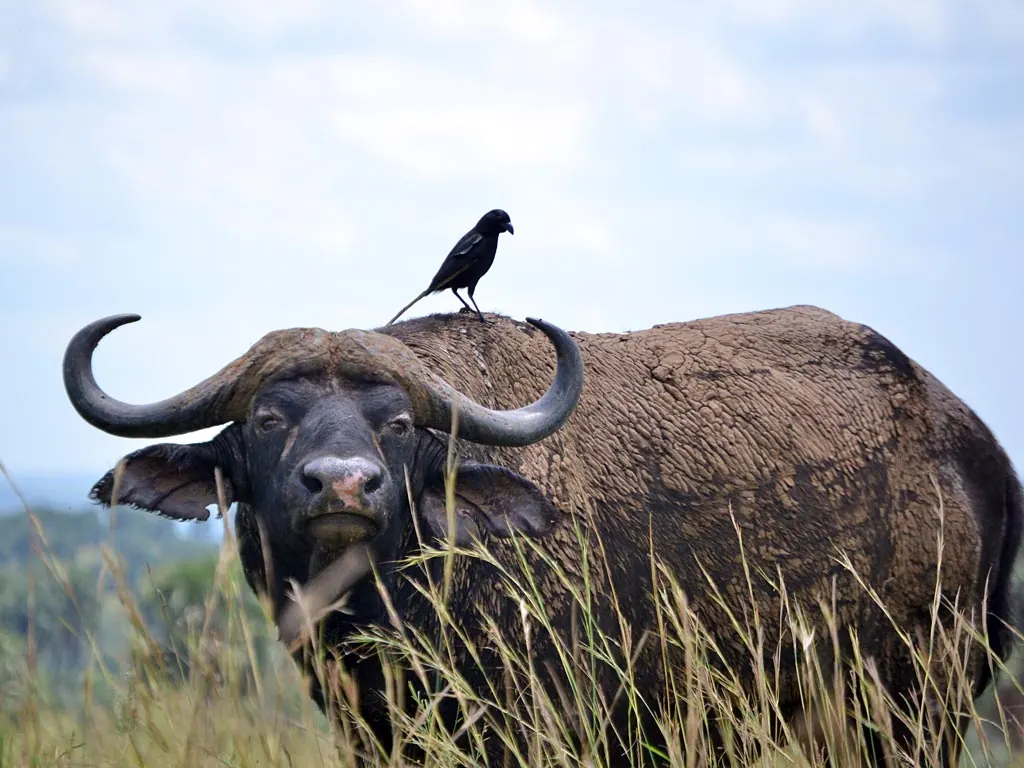
From the Thika road, Ol Donyo Sabuk looks like a green whale stranded on the dry Athi plains. Drive up its single road and the acacia country gives way to thick montane forest, black-and-white colobus monkeys leap between the trees, and the buffalo that gave the mountain its Kikuyu name, Kilima Mbogo, the buffalo mountain, stand in the clearings watching you pass.
Ol Donyo Sabuk National Park protects that mountain: a small Kenya Wildlife Service park of about 20 square kilometers, rising to 2,145 m about 65 km northeast of Nairobi, beyond Thika. It is a half-day or day trip rather than a safari park. Come for the forest, the buffalo and monkeys, the summit views and an unexpected piece of American history, and pair it with Fourteen Falls on the Athi River at the foot of the mountain.
What it is and who runs it
The Maa name Ol Donyo Sabuk means big mountain, and from the plains it is exactly that: a lone hill standing hundreds of meters above everything around it. The park was gazetted in 1967 and is run by KWS. Most of it is forest, kept green by the cloud and rain the mountain catches, with grassy glades near the top. One dirt road climbs from the gate to the summit; there are no loops of game-drive tracks like a savanna park.
Wildlife: what you will and will not see
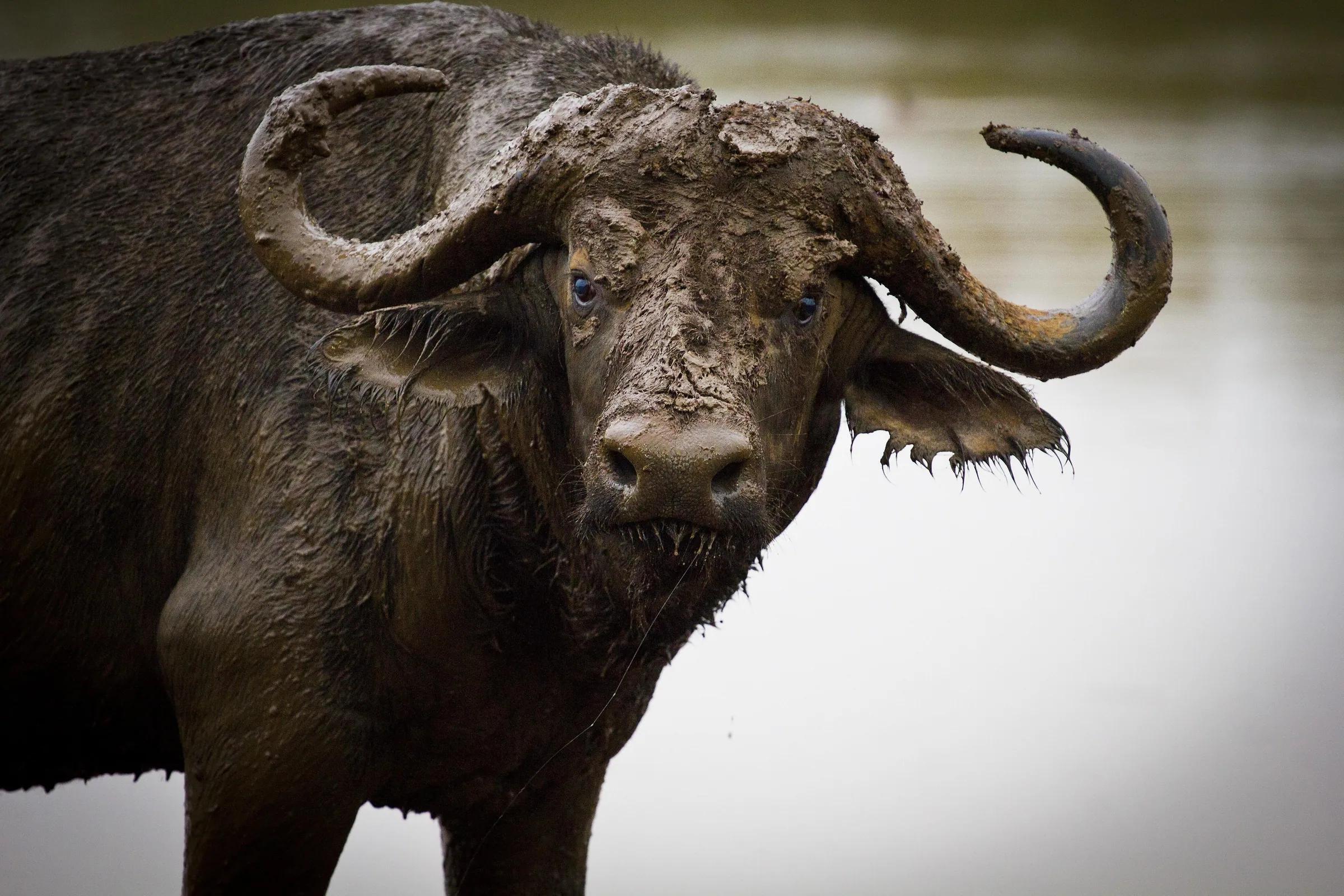
- Buffalo: the park's signature animal, often grazing beside the road and in the clearings
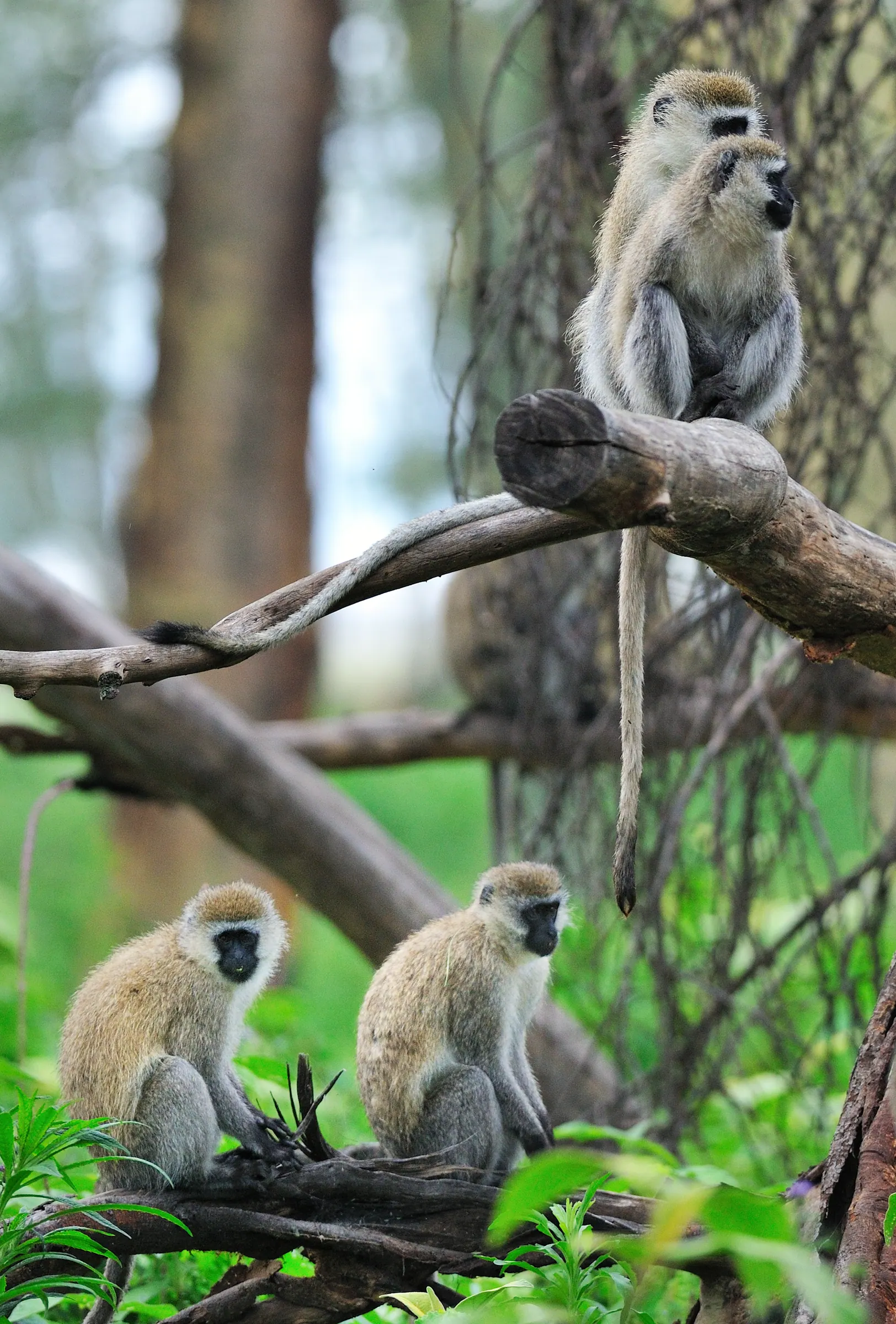
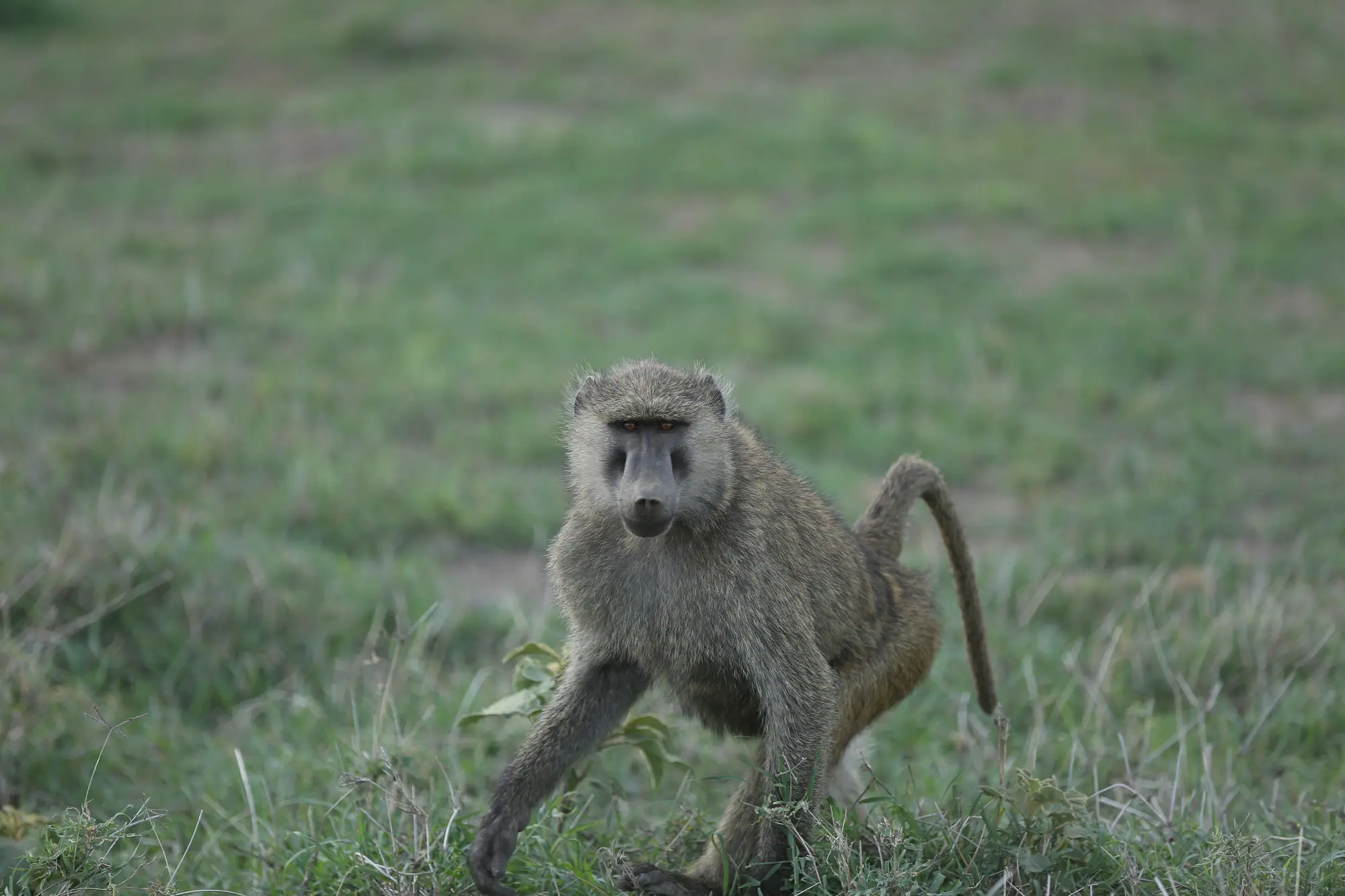
- Black-and-white colobus and Sykes' monkeys in the forest canopy, with olive baboons on the lower slopes
- Bushbuck, duikers and rock hyrax, seen by quiet, patient visitors
- Forest birds, from turacos to hornbills, best in the early morning
- Leopards live here but are very rarely seen; there are no elephants, lions or rhinos
Treat the buffalo with respect. They look placid, but a buffalo surprised on foot is one of the most dangerous animals in Africa. If you want to walk any part of the road, do it with a KWS ranger, and in a vehicle, give them room.
The McMillan graves
Near the top of the mountain lie the graves of Sir William Northrup McMillan, an American from St. Louis, Missouri, who settled in Kenya in the early 1900s, his wife Lucie, and Louise Decker, who worked for the family for many years. McMillan's farm at Juja, below the mountain, hosted Theodore Roosevelt during his 1909 safari, and McMillan was knighted for his service in the First World War. The story often told at the gate is that he asked to be buried on the summit and the vehicle carrying his coffin could not make the last climb, so he was laid to rest where it stopped. After his death, Lucie funded the McMillan Memorial Library in central Nairobi, which still stands. For American visitors, it is a quiet, surprising stop.
Driving and walking the summit road
The summit road is steep, rutted dirt that can turn slippery after rain, so a four-wheel-drive vehicle is the right choice, and in the wet months parts of it may be closed. On a clear morning the top gives long views over Thika, the pineapple and coffee country, and the Athi plains; in the clearest weather, people report seeing Mount Kenya. Walking the road up or down with a ranger is a good half-day hike in its own right. KWS has campsites and picnic spots in the park; ask us about current facilities before planning an overnight.
Fourteen Falls, at the foot of the mountain
Fourteen Falls is a wide horseshoe of cascades on the Athi River, a short drive from the park gate. It is at its most dramatic after the rains, roughly March to May and November, when the river is full. Local guides lead visitors over the rocks, and some young men dive from the falls for tips: please do not copy them. The river carries runoff from Nairobi upstream, so the water is not clean enough to swim in. Our Fourteen Falls hiking page has the details.
A day trip from Nairobi
| Time | Plan |
|---|---|
| 7:00am | Leave Nairobi on the Thika Superhighway |
| 8:30am | Enter Ol Donyo Sabuk; drive up through the forest looking for buffalo and colobus |
| 10:00am | Summit views and the McMillan graves; walk a section of the road with a ranger |
| 12:30pm | Picnic lunch, then down to Fourteen Falls |
| 2:30pm | Optional stop in Thika, or back to Nairobi by late afternoon |
Fees and when to go
Ol Donyo Sabuk is a KWS park, paid through the KWS eCitizen portal. Its fee is in KWS's lower bands, well below the big safari parks, but KWS revised all of its fees from October 2025, so check the current schedule before you travel. Fourteen Falls charges a small separate local fee. The dry months, January to March and June to October, give the best roads and views; mornings are clearest in every season.
This is a good day for travelers with a spare day in Nairobi, families who want something green and easy, and anyone curious about the Americans who shaped early colonial Kenya. We run it as a private day with a vehicle and Kenyan guide, and you can pay in full or monthly with no deposit.