Hiking. Updated November 2026. 4 min read.
Fourteen Falls is what happens when a wide, slow river meets a step of rock. The Athi River, flowing east from the Nairobi area, spreads across a broad ledge east of Thika and pours over it in a horseshoe of separate cascades, fourteen of them when the water is high. In April or November, after the rains, the sound reaches you before the view. In a long dry season, it can shrink to a handful of streams.
In short: Fourteen Falls is an easy, low-key half day from Nairobi, best after the rains and best combined with the short climb or drive up Ol Donyo Sabuk, the mountain next door. Local guides lead you across the rocks for the best views. Do not swim, and think twice before you pay anyone to dive: the currents are strong and the water carries pollution from upstream.
When to go
| Months | The falls | Good to know |
|---|---|---|
| April to May | Full and loud, often brown with silt | The long rains: roads muddy, keep well back from the edge |
| June to July | Still strong | A good balance of flow and dry paths |
| August to October | Lower, fewer separate cascades | Easiest for rock-hopping, least dramatic |
| November to December | Full again after the short rains | Green countryside, afternoon storms |
| January to March | Low in a dry year | Hot; go early in the day |
The guides and the rocks
At the falls, young local guides meet visitors and lead them out across the rocks above and below the cascades, to the angles you would never find alone. In the dry months you can hop across a good part of the river with them; when the water is high, the rocks are wet, the current is strong and you should stay on the bank and enjoy the view. Agree the guide's fee before you start, and tip if they have looked after you well.
Swimming and diving: our honest advice
You will see local divers jump from the rocks into the pool below the falls, and some will offer to do it for a tip. It is part of the place, but it is risky, and people have drowned in the Athi. For visitors, the answer is simple: do not swim or wade near the falls. The current is strong and changes with the flow, the rocks are slippery and there may be submerged hazards you cannot see.
There is a second reason. The Athi drains much of the Nairobi area, and the Nairobi River, which joins it upstream, carries untreated sewage and industrial waste. On some days you may see foam on the water or notice the smell. Keep the water away from your mouth and any cuts, wash your hands before you eat, and keep children on the bank. The falls are still worth seeing; this is simply a river to look at, not to swim in.
Ol Donyo Sabuk: the mountain next door
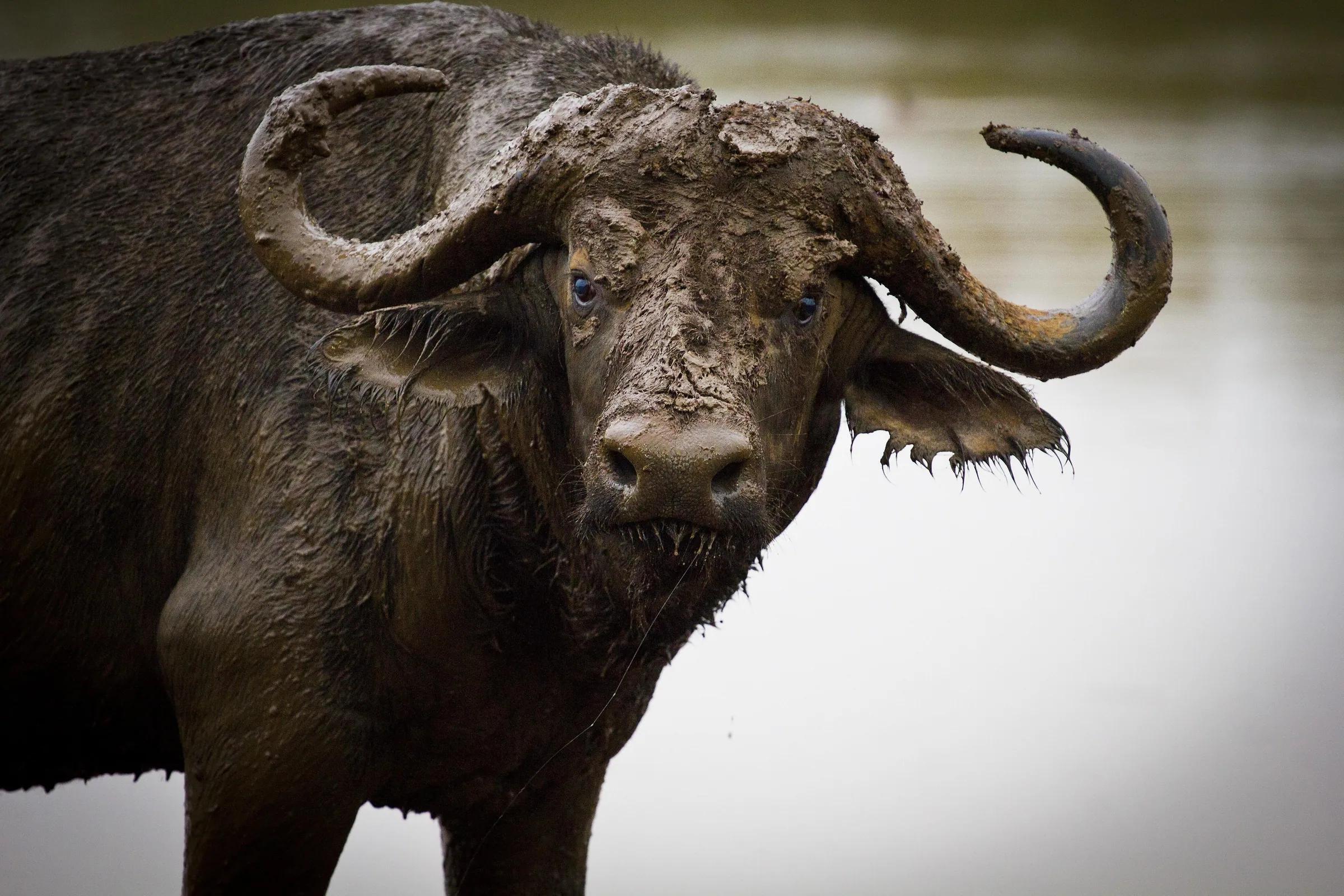
Ol Donyo Sabuk, known in Kikuyu as Kilimambogo, the mountain of the buffalo, rises just to the south of the falls. It is a small national park run by Kenya Wildlife Service, with a single road that climbs through forest to a summit of about 2,145 meters and views across the plains toward Nairobi and, on clear days, Mount Kenya and Kilimanjaro. You can drive up or, with a ranger, walk the road, which takes about four to five hours up and down. Near the top lie the graves of Sir William Northrup McMillan, an American-born settler, his wife Lucie and their servant Louise Decker. Buffalo live in the forest, which is why a ranger escort matters if you walk. Our Ol Donyo Sabuk page has the park fee and details.
A day trip from Nairobi
- Leave Nairobi by 7am on the Thika Superhighway to beat the traffic.
- Stop in Thika for Chania Falls and Thika Falls, two smaller falls in town, near the old Blue Posts Hotel.
- Drive east toward the falls, about half an hour from Thika, and spend an hour or two with a guide on the rocks.
- Lunch, then Ol Donyo Sabuk in the afternoon: a drive or ranger-escorted walk to the summit.
- Back in Nairobi by early evening, or carry on north toward Mount Kenya.
Thika is coffee and pineapple country, so the drive passes plantations and smallholder farms. If you want a fuller agricultural day, we can add a coffee farm visit on the way. Our Thika page covers the town, and our day trips from Nairobi guide compares this with other options.

Who it suits
Fourteen Falls is a relaxed outing rather than a hike. It suits families, photographers and anyone with a spare day in Nairobi who wants to see the countryside beyond the city. The walk from the car park is short, and the rock-hopping is optional. It is a good choice for groups who want an easy day between bigger excursions, and for diaspora visitors showing visiting relatives a day out close to the city. If you want a proper walk, add the Ol Donyo Sabuk summit road with a ranger. If you want a dramatic waterfall in any season, Thomson's Falls or the Aberdare falls are a better bet, because Fourteen Falls depends so much on recent rain.
Fees and practical details
Entry to the falls is managed locally, and at the time of writing visitors pay a small fee in shillings at the entrance, with guides paid separately. Ol Donyo Sabuk has a KWS park fee, paid through eCitizen; see our park fees page for the current schedule. Bring water, a hat and sunscreen, shoes with grip and small notes for fees and tips. Facilities at the falls are basic.