Parks and reserves. Updated November 2026. 4 min read.
Before the Mara had a ring of conservancies, it had Ol Kinyei. In 2005 a group of Maasai landowners east of the reserve agreed to set land aside for wildlife and lease it to a safari camp, instead of fencing it for cattle and wheat. Today it is one of the smallest conservancies in the Mara, and one of the quietest, because only two small camps use it.
Ol Kinyei covers 7,544 hectares (about 29 square miles), owned by 240 families. It is often described as the first of the Mara's conservancies, the place where the lease model that now covers far more land than the reserve itself was first tried. It is used exclusively by two camps, Porini Mara Camp and Porini Cheetah Camp, run by Gamewatchers Safaris, so the number of vehicles is tiny. If you have done the Mara before, hate crowds, or simply want a private feel at a mid-range price, Ol Kinyei is worth a look. For how conservancies work and what they cost, see our Mara conservancies explainer.
How Ol Kinyei started the model
The idea was simple and new at the time. Landowners would be paid a regular lease for keeping their land open to wildlife, and the camp would pay a fee for each guest night. In exchange, the camp would get exclusive use and the right to cap the number of guests, so wildlife viewing stayed calm and the land was not overrun. It worked, and the same arrangement spread to Mara North in 2009, to Olare Motorogi and Naboisho, and to the newer eastern conservancies. When you read about the Mara conservancy model, this is where it was proven at small scale.
Exclusive use: what it means for you
- Only the two Porini camps' vehicles game drive here, so most sightings are yours alone
- No day visitors from the reserve or the gate towns
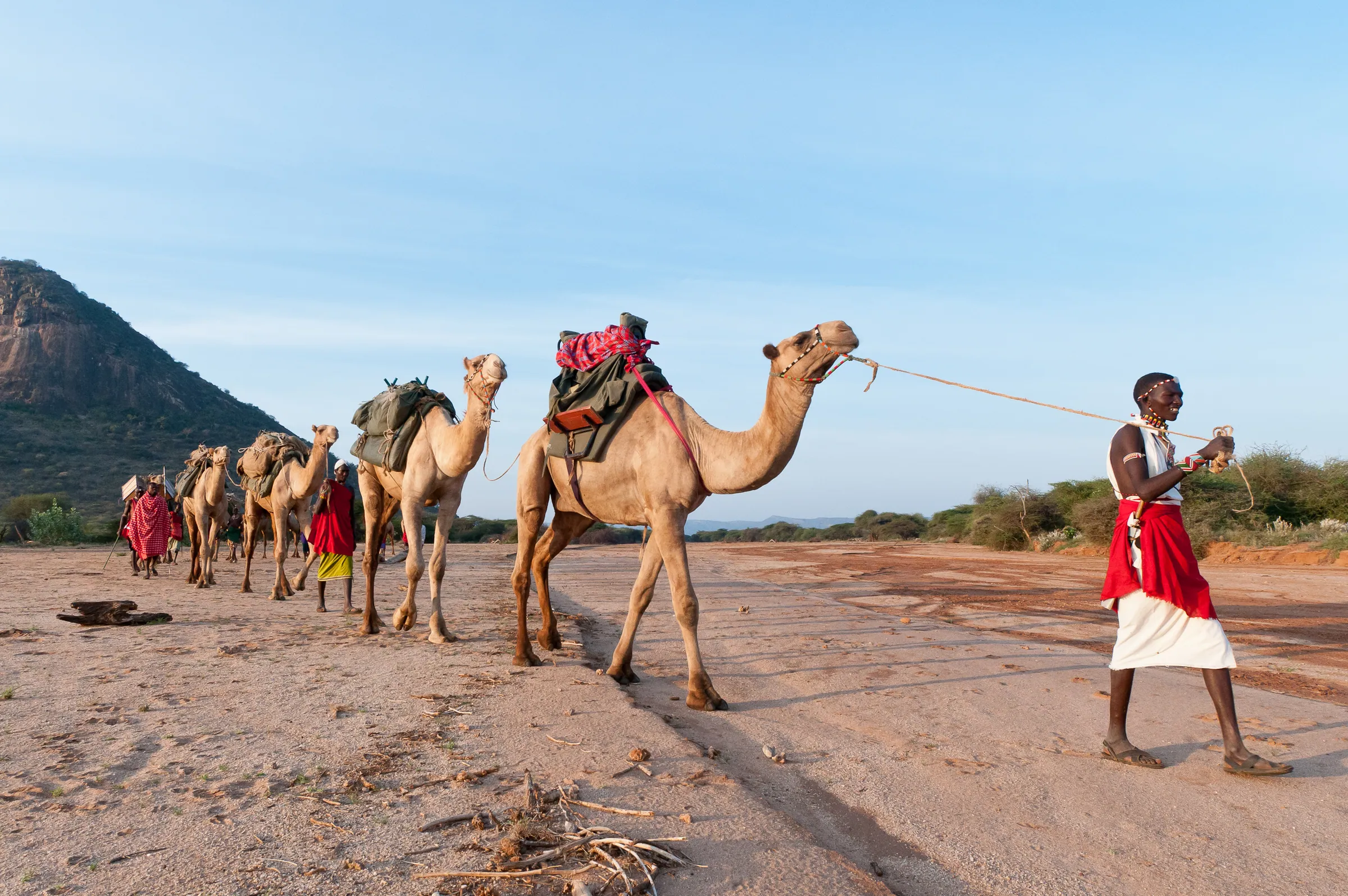
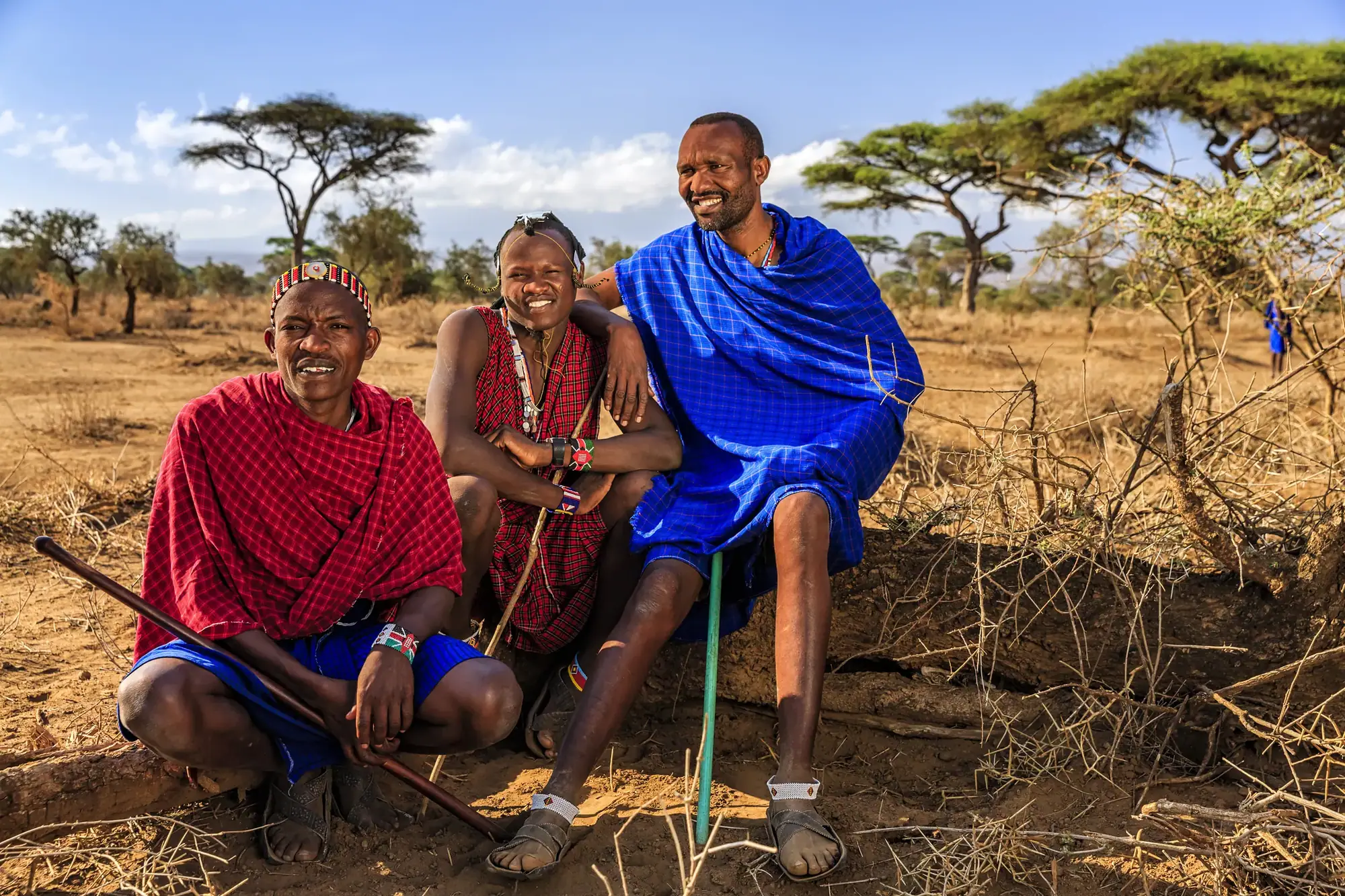
- Walks with Maasai guides, night drives with a red-filtered light, and off-road approaches under the conservancy's rules
- Meals in the bush and sundowners on the plains, with nobody else in view
- A slower pace: guides can wait with a cheetah for an hour without another vehicle arriving
What you see
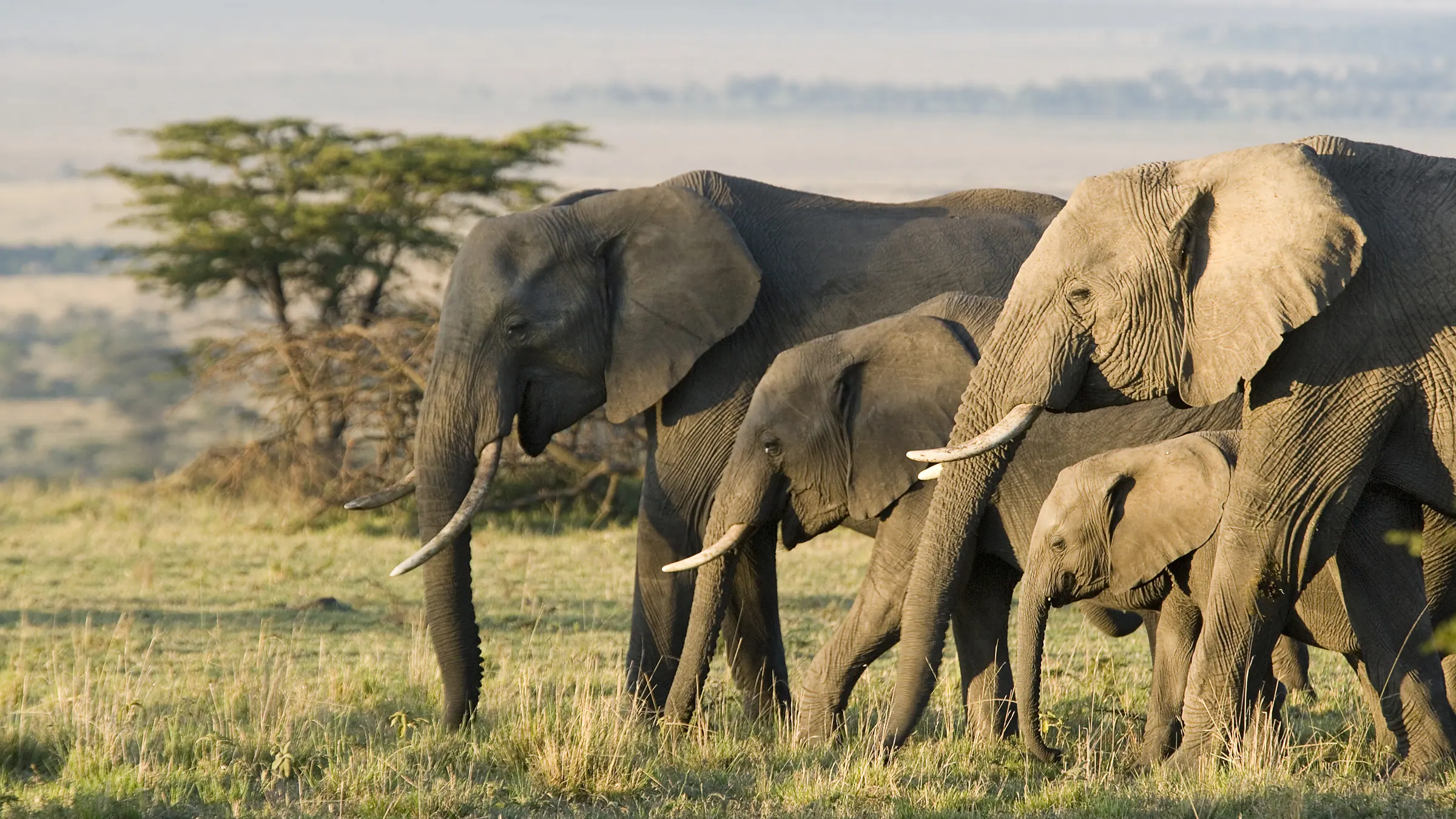
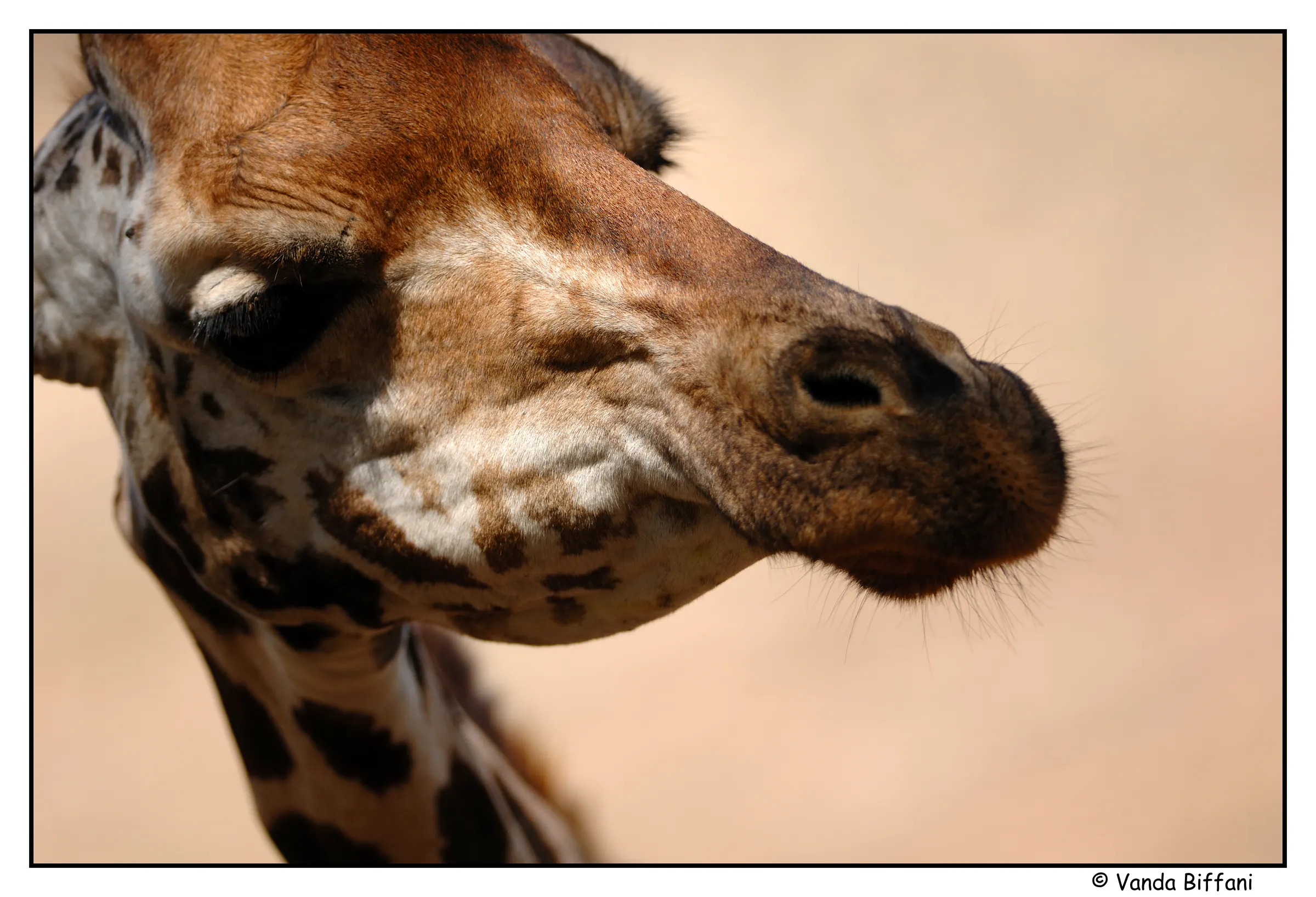
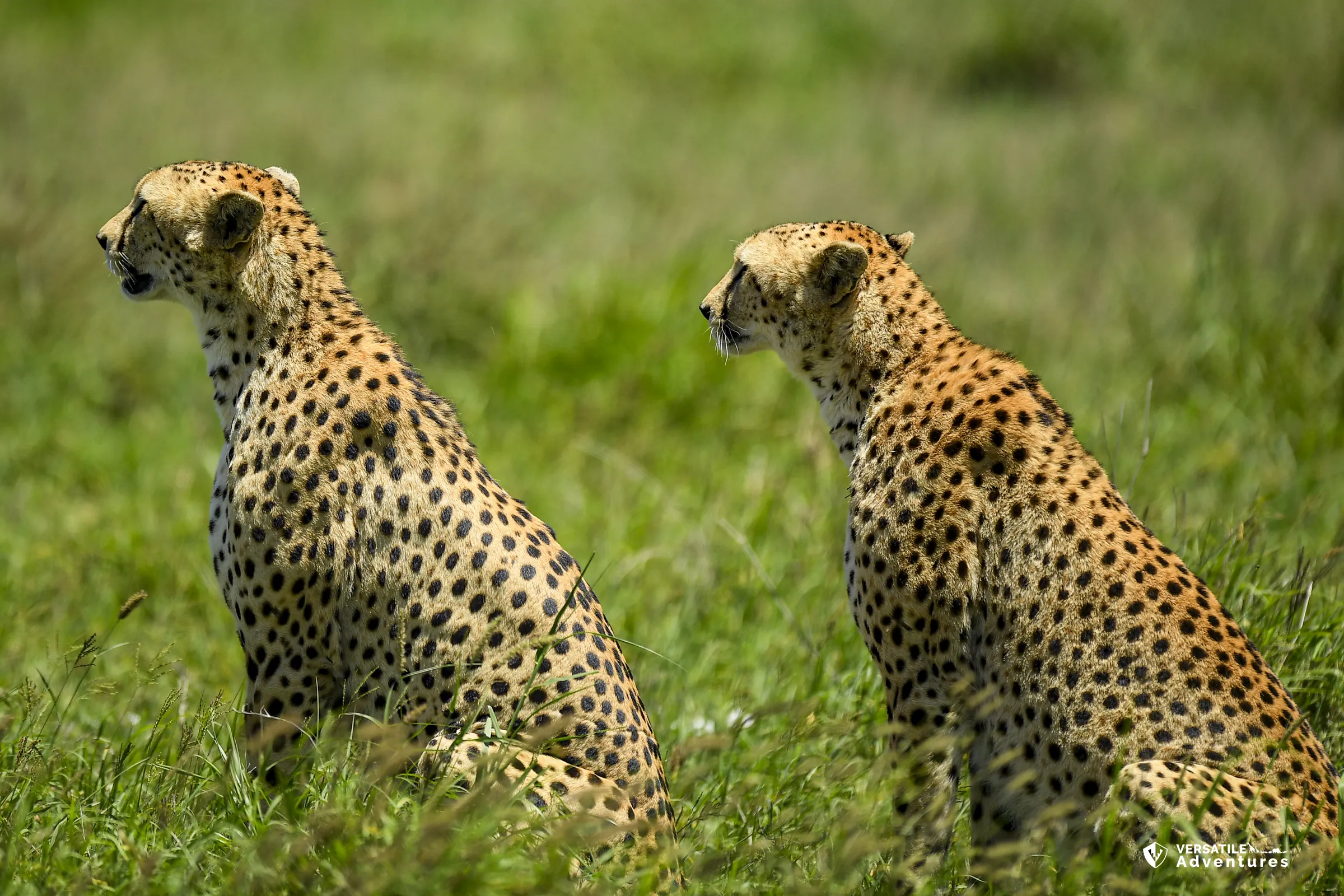
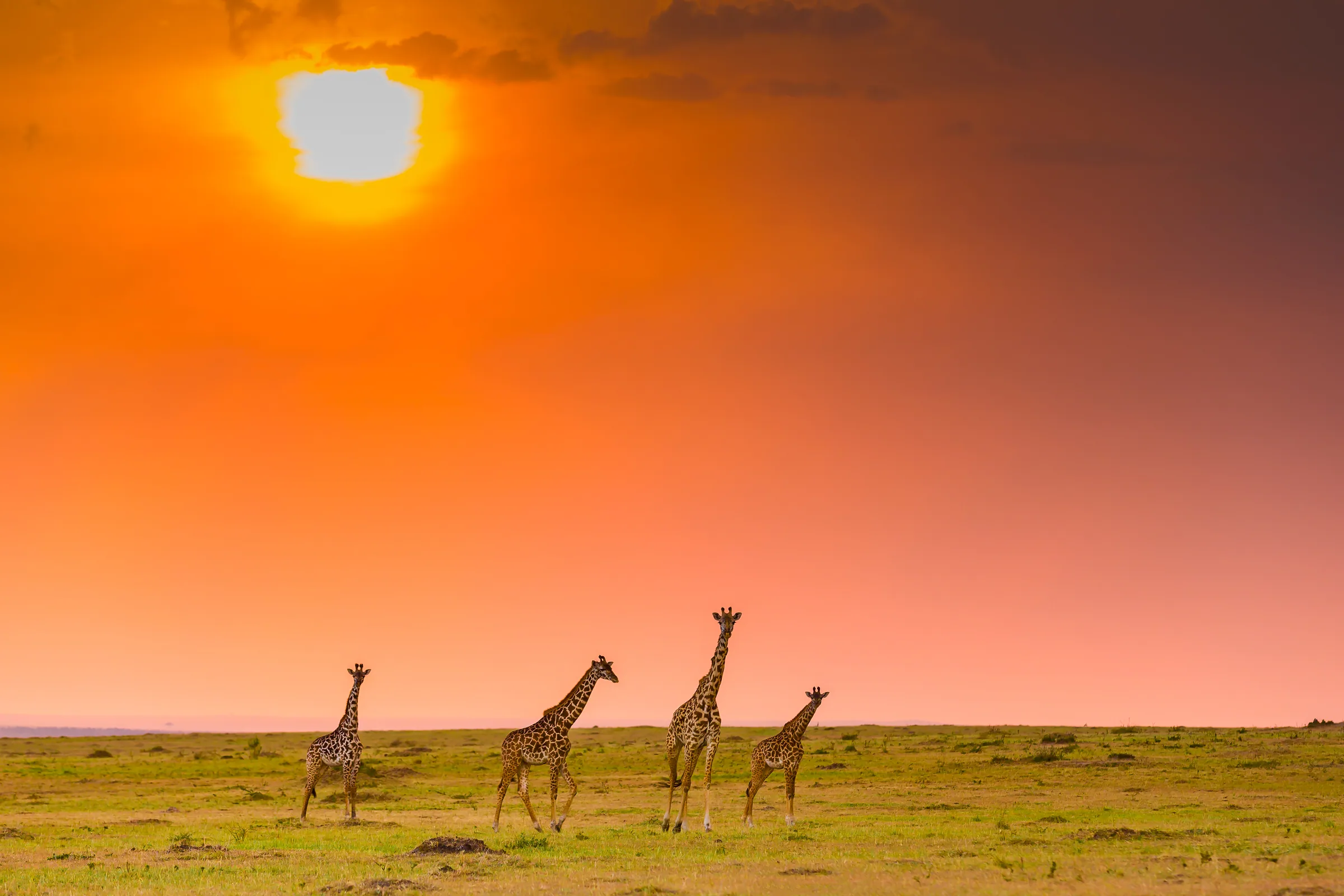
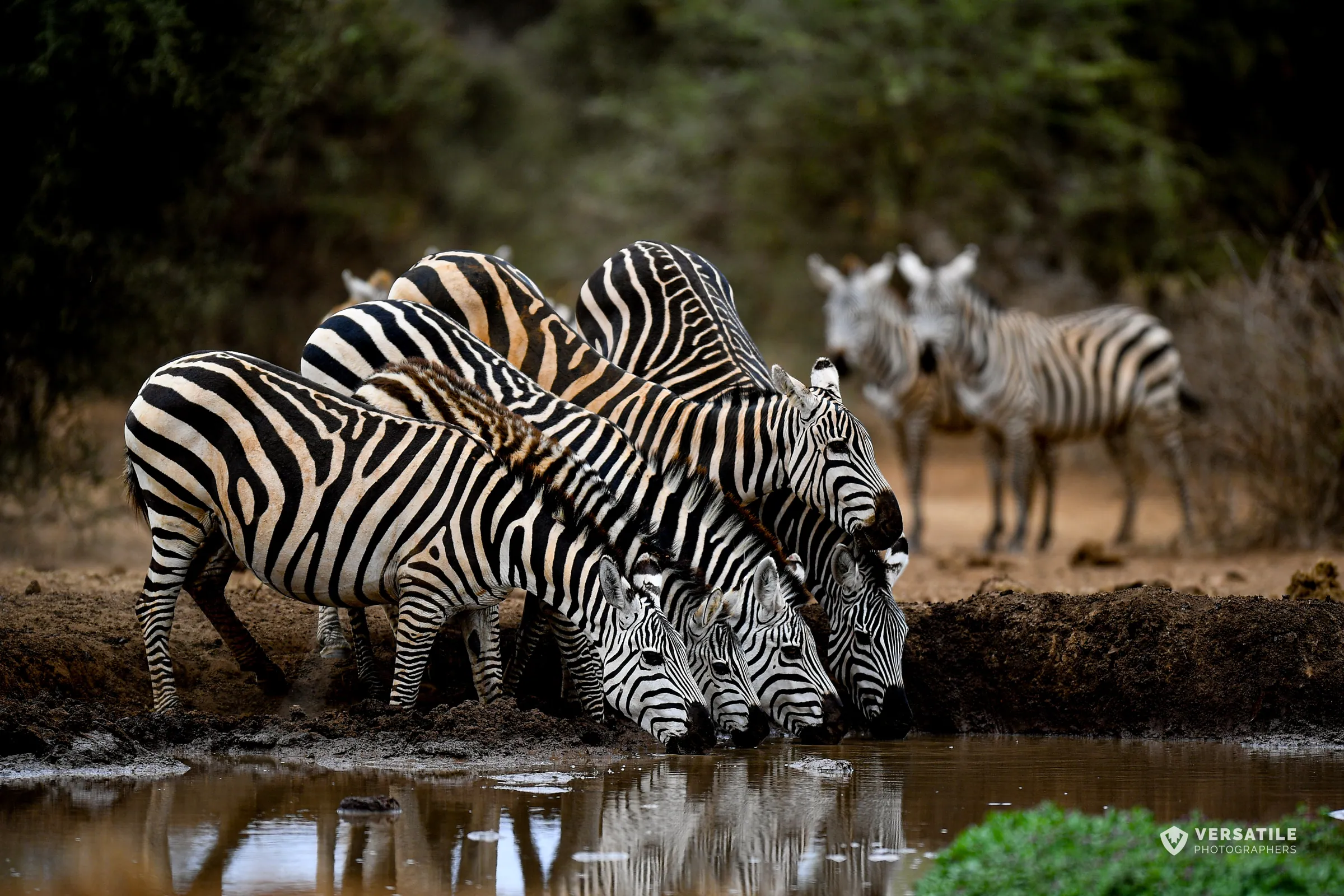
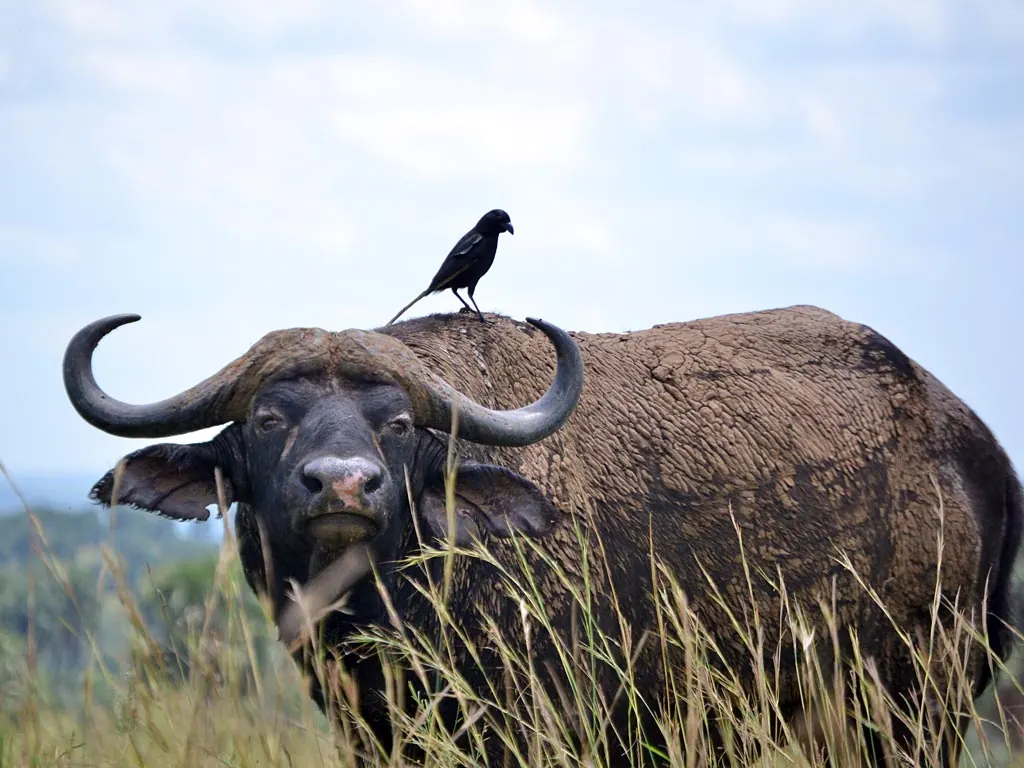
Ol Kinyei is open grass plains, low hills and stream lines with acacia, good country for cheetahs, which is why one of its camps carries the name. Lions, hyenas, elephants, buffalo, giraffe, zebra, eland and topi live here, leopards are seen along the wooded streams, and the Loita wildebeest move through the eastern conservancies. Wildlife moves freely between Ol Kinyei, its neighbors and the reserve, since there are no fences.
The four Mara conservancies compared
| Conservancy | Size | Landowners | Character | Best for |
|---|---|---|---|---|
| Mara North | 28,487 ha | 767 | Largest, near the river, about 12 partners | Migration season, riding |
| Naboisho | 22,500 ha | 694 | Big lion prides, walking and fly camping | Walkers and lion lovers |
| Olare Motorogi | 15,200 ha | 297 | Five small camps, close to the reserve | Big cats, photographers |
| Ol Kinyei | 7,544 ha | 240 | Two camps only, the original | Privacy, repeat visitors |
The eco-rating
Ecotourism Kenya, a Kenyan non-profit, rates tourism businesses for their environmental and community practice at bronze, silver or gold. Ol Kinyei's camps were rated silver at the time of writing; ratings are reviewed, so check the current level on Ecotourism Kenya's site. We use the rating as one input among several when we choose camps, together with what landowners and guides tell us.
When to go
Ol Kinyei is good all year for resident wildlife. The dry months, roughly July to October and January to February, are the most comfortable, and the long rains of April and May bring muddy tracks and lower rates. In migration season, plan a full day in the reserve for the river: Ol Kinyei is further from the main crossing points than the northern conservancies.
Getting there and fees
Fly from Wilson Airport to the Mara in 40 to 75 minutes (the camp tells you which strip and meets you there), or drive 5 to 6 hours from Nairobi through Narok. The conservancy fee, about $80 to $120 per adult per night across the Mara, is built into the camp rate. Reserve days carry the reserve fee, at the time of writing $100 per adult per day from January to June and $200 from July to December.
Who it suits
Repeat visitors, couples, and families who want calm, guided time with wildlife at a mid-range price; the Porini camps sit in the mid-range band in our where to stay guide. Less ideal for travelers who want the river crossings every day. Two nights in Ol Kinyei followed by two in the reserve or the Triangle is a good split in season. Pay in full or monthly with no deposit.