Food and drink. Updated November 2026. 4 min read.
The first surprise of a safari is how much you eat. Someone brings you coffee at dawn, breakfast appears in the bush, lunch is three courses, cake arrives at 4, a gin and tonic is poured at sunset, and dinner is by lantern light. You will be out in the vehicle for six hours a day and still go home a few pounds heavier.
The short answer: almost all Kenya safari lodges and camps sell full-board rates, meaning breakfast, lunch and dinner are included, plus tea and coffee. The menus are international, with good bread, salads, grilled meat and fish, and at least one Kenyan dish on most nights. What varies is the drinks, the setting and the budget tier. If you have a special diet, our dietary needs page covers it in detail; this page is what a normal safari day of eating looks like.
The rhythm of a safari day
| Time | What happens | What you eat |
|---|---|---|
| About 5:30 to 6 a.m. | Wake-up call at your tent or room | Tea or coffee and biscuits or muffins, by the fire or at your tent |
| 6 to 9:30 a.m. | Morning game drive | Water and snacks in the vehicle |
| 9 to 10 a.m. | Back at camp, or out on the plains | Full breakfast at camp, or a bush breakfast |
| 1 to 2 p.m. | Lunch, then rest in the heat of the day | Buffet or plated: salads, quiche, grills, pasta, fresh bread, fruit |
| 3:30 to 4 p.m. | Afternoon tea before the evening drive | Cake, cookies, samosas, sandwiches, tea and coffee |
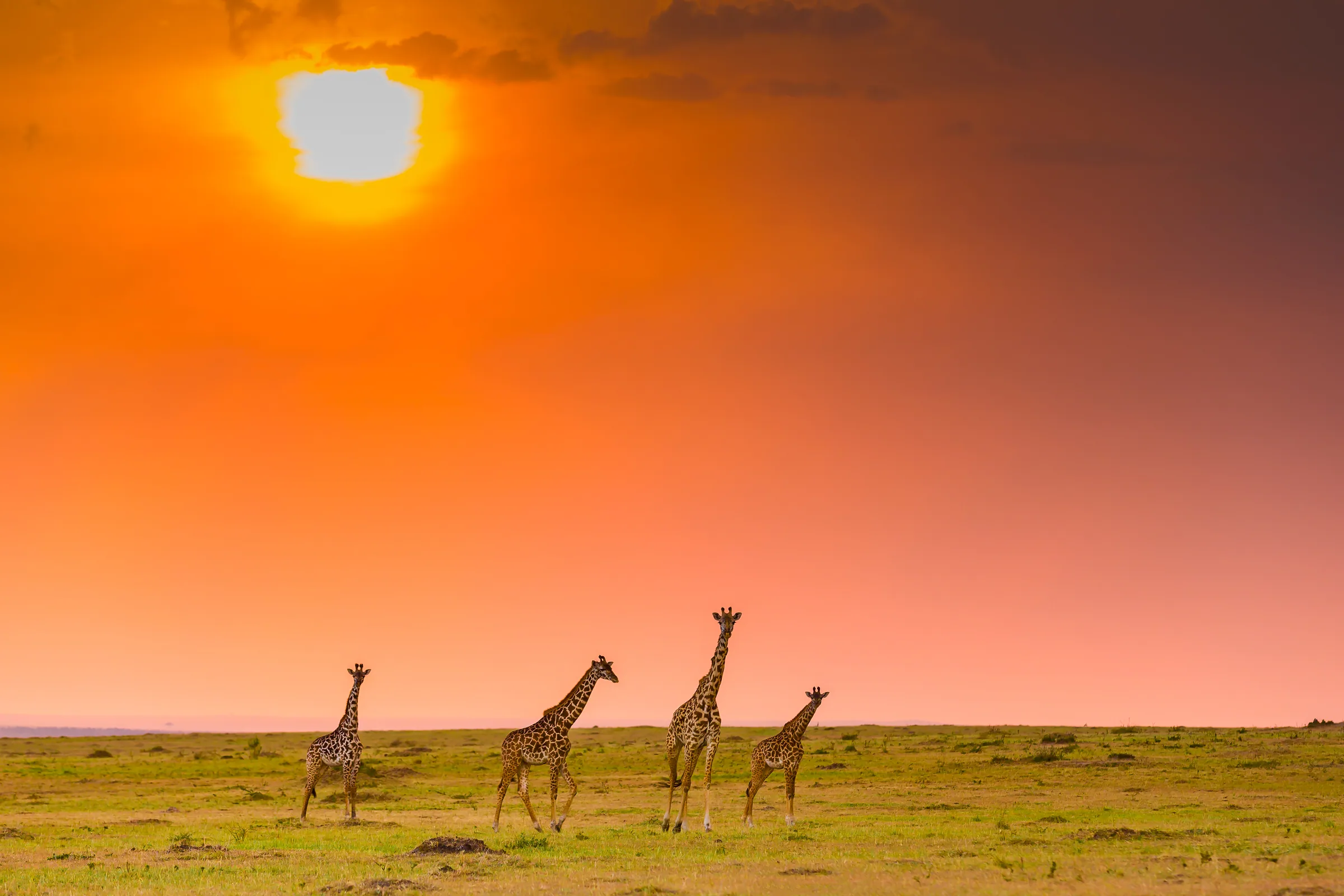
| About 6:15 to 6:45 p.m. | Sundowner stop on the drive | A drink and snacks at a viewpoint as the sun sets |
| 7:30 to 8:30 p.m. | Dinner | Three courses: soup or starter, main, dessert |
What the menus look like
Most camp kitchens cook what a good hotel would cook, with remarkable results given that every ingredient comes in by road or air. Breakfast is eggs to order, fruit, yogurt, porridge, toast and pastries. Lunch is often lighter and outdoors: salads, a hot dish of grilled fish or chicken, a vegetarian main, fresh bread and fruit. Dinner is a set three-course menu at small camps, or a buffet at large lodges, with soups, roasts, curries, pasta and desserts.
Kenyan food appears too. Many camps cook a Kenyan night with nyama choma, ugali, sukuma wiki, pilau and chapati, and most will cook Kenyan dishes on any night if you ask. If you want to eat what the staff eat, say so; the cooks are usually delighted. Our pages on nyama choma, ugali and sukuma, chapati and pilau tell you what you are eating.
Bush breakfasts, bush dinners and sundowners
- Bush breakfast: on full-day drives, especially in the Mara in migration season, breakfast is packed in the vehicle or set up under a tree by the camp team
- Sundowners: your guide stops at a viewpoint before dark, sets out drinks and snacks on a table or the vehicle's bonnet, and you watch the light go. Ask for your drink of choice in the morning
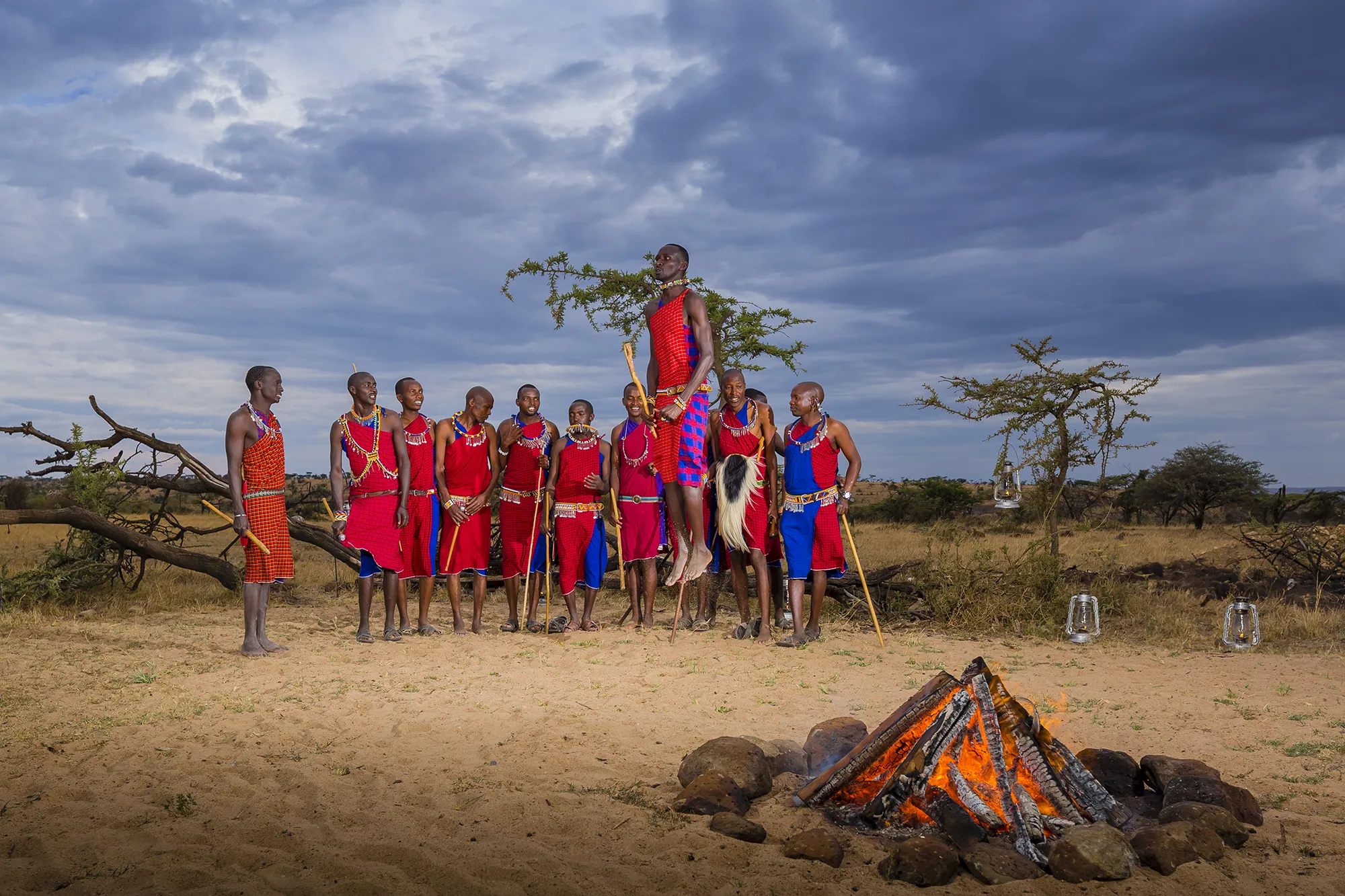
- Bush dinner: many camps set a table in the open on one night, with lanterns, a fire, a cook at the grill and Maasai or Samburu staff keeping watch. Ask whether it is included or charged
- Picnic lunch: on travel days or long drives, a packed lunch box or a hot picnic at a scenic spot
Drinks: included or not
This is the line that most often surprises people at checkout. At many lodges and mid-range camps, full board covers meals, tea, coffee and drinking water, and alcohol, sodas and bottled juices are extra, paid at the end of the stay by card or cash. Many smaller camps, especially in the private conservancies, are all-inclusive: house wine, local beer, spirits and soft drinks are included, with premium wines and champagne extra. Sundowner drinks may or may not be included. Ask us, and we will tell you the policy at every camp on your trip.
Water and food safety
Camps provide filtered or bottled drinking water, and many now give you a refillable bottle, since single-use plastic bottles are banned in Kenya's protected areas. Kitchens at good camps wash salads and make ice with treated water, and food at reputable lodges is generally safe to eat. On road days, be more careful with salads and cut fruit at roadside stops. Our health page has the full advice, and Kenya's rules on plastics are on our Kenya rules page.
What the budget tier serves
On a budget road safari you stay at larger lodges or permanent tented camps, where meals are buffets with plenty of choice, or on a camping safari, where a camp cook travels with you and makes simple, hearty food: stews, rice, pasta, ugali, vegetables, fruit, and eggs and toast at breakfast. It is good, filling food, less varied than at a small luxury camp. Packed lunches on transfer days are the weakest meal at any level; we ask for hot lunch stops where the route allows.
Special diets, children and early dinners
Vegetarian, vegan, halal, gluten-free and allergy diets are handled well by good camps when they know in advance; tell us when you book, and we pass written notes to every property. Our dietary needs page has the detail. Families can ask for early children's dinners, plainer food and snacks for the vehicle; our pages on safaris with toddlers and children cover it.
Tipping the kitchen
Most camps have a communal tip box at reception, shared among all the staff, kitchen included. Put your camp tip there at the end of your stay rather than handing cash to individual waiters, and tip your driver-guide separately. Our tipping guide has the amounts.
Kiswahili at the table
| Kiswahili | English |
|---|---|
| Mlo | Meal |
| Chakula cha jioni | Dinner |
| Maji ya kunywa | Drinking water |
| Baridi | Cold (for a drink) |
| Asante, mpishi | Thank you, cook |