Comparisons. Updated November 2026. 6 min read.
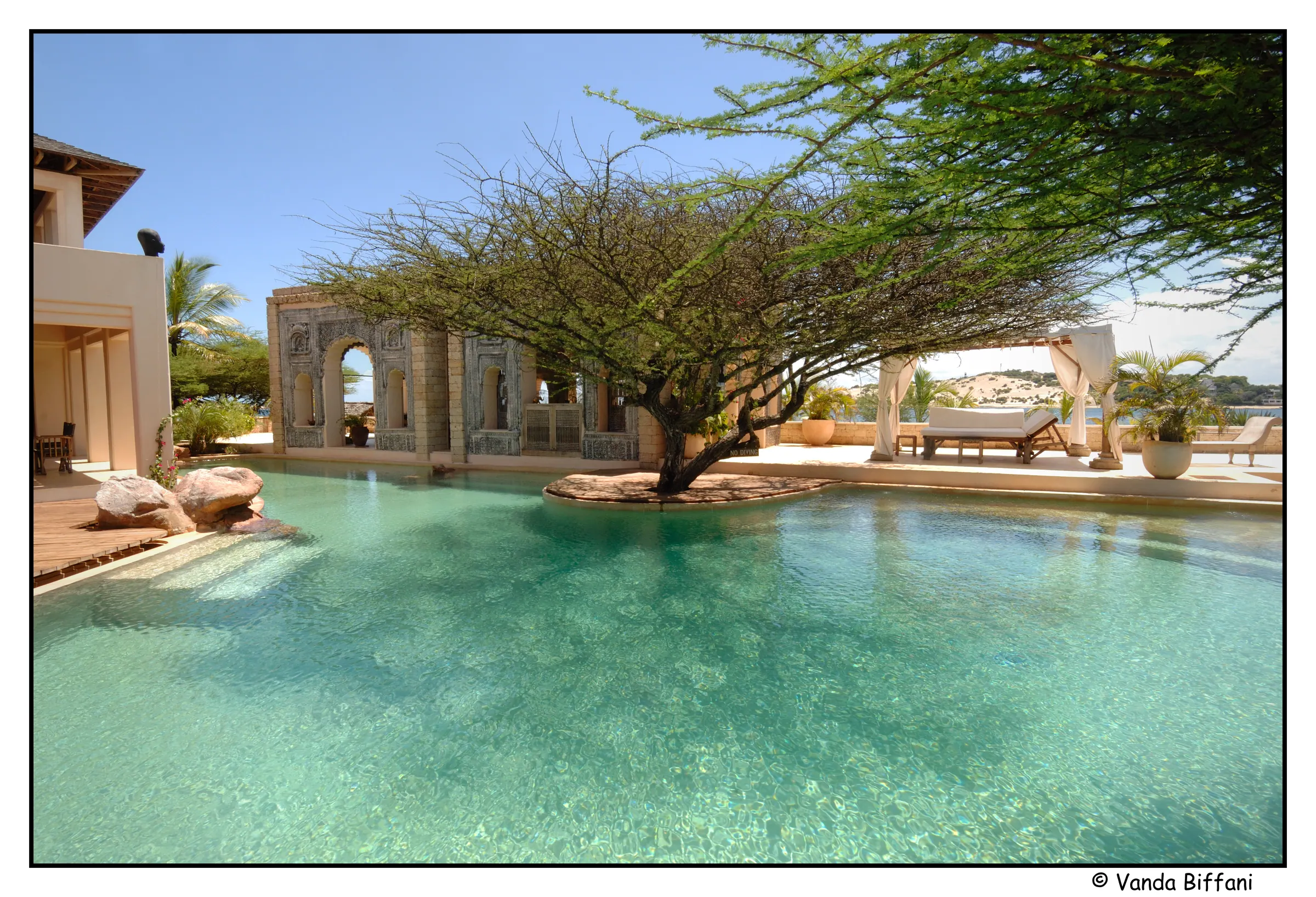
In Kenya, a tent does not mean a sleeping bag on the ground. A safari tent is a canvas room on a raised platform with a proper bed, electric light, a flush toilet and a hot shower, and at the top end it can be more luxurious than any lodge, with a private deck and a plunge pool. What canvas gives you is the bush itself: you hear hyenas, lions and hippos through the walls. A lodge gives you solid walls, more rooms, a pool and usually wifi, and suits families with small children, light sleepers and travelers with mobility needs. Our short answer: couples and photographers usually love tented camps; families with toddlers and nervous sleepers usually do better in a lodge.
Price is not the dividing line. Both come at every level, from about $110 per person per night for a simple tented camp in Tsavo to well over $1,000 at the most exclusive camps and lodges. The choice is about how you want to sleep.
Tented camp and lodge side by side
| Factor | Tented camp | Lodge |
|---|---|---|
| Walls | Canvas, with zip doors and mesh windows, on a wooden or stone platform | Stone, brick or timber, with lockable doors and glass windows |
| Bed and bathroom | A real bed; en-suite flush toilet and shower, often hot water by solar or a boiler | A real bed; en-suite bathroom, often with a bath |
| Size | Usually small, from a handful of tents to a couple of dozen | Often larger, with dozens of rooms |
| Noise at night | You hear everything: lions, hyenas, hippos, rain | Quieter; the bush is outside |
| Temperature | Cool at dawn, warm at midday; blankets and hot-water bottles are common | More even; some rooms have fans or air conditioning |
| Power and wifi | Often solar, sometimes limited at night; wifi in the main area if at all | Usually steady power, and wifi in rooms or the lounge |
| Pools and space | Some have a small pool; space for children to run is limited | Usually a pool and more room for children |
| Children | Many set minimum ages or ask for family tents | Usually welcome at all ages, with family rooms |
| Mobility | Paths, steps and uneven ground are common | Easier: paved paths, ramps at some, rooms near the main building |
| Feel | Intimate, close to nature, often a shared dinner table | Hotel-like, with a buffet or restaurant |
What a safari tent really is
A permanent tented camp is built to stay. The tent is heavy canvas, stretched over a frame on a raised platform, often under a thatched roof that keeps it cool and dry. Inside: a bed with good linen, bedside lamps, a wardrobe or luggage rack, and a bathroom at the back with a flush toilet, a sink and a shower. In the best camps the bathroom is open to the sky, the deck faces a river or the plains, and there is an outdoor bath or plunge pool. Mosquito nets, zipped mesh and a whistle or radio by the bed are standard.
Mobile camps are different. They move with the seasons, are set up for weeks rather than years, and are simpler: smaller tents, bucket showers filled with hot water on request, and eco-toilets. They put you close to the action, but they are rarer in Kenya than in Tanzania. At the budget end, fixed tents in camps just outside the park gates and public campsites inside the parks, with their own fees, keep a safari affordable; our Kenya on a budget guide explains how.
What a lodge is
Many of Kenya's classic safari lodges were built inside the parks in the 1970s and 1980s, with stone walls, a big lounge and dining room, a pool and dozens of rooms. Ol Tukai Lodge and Amboseli Serena in Amboseli, Mara Serena on its hilltop in the Mara Triangle and Ashnil Aruba in Tsavo East are well-known examples. Newer lodges, such as Angama Mara on the Triangle's escarpment and the family-run lodges of Laikipia, are small and luxurious. The advantages are walls, space, steady power and wifi, and food that suits fussy eaters. The drawbacks are more vehicles leaving at the same time in the morning and less of the bush at night.
Night in camp: the sounds and the rules
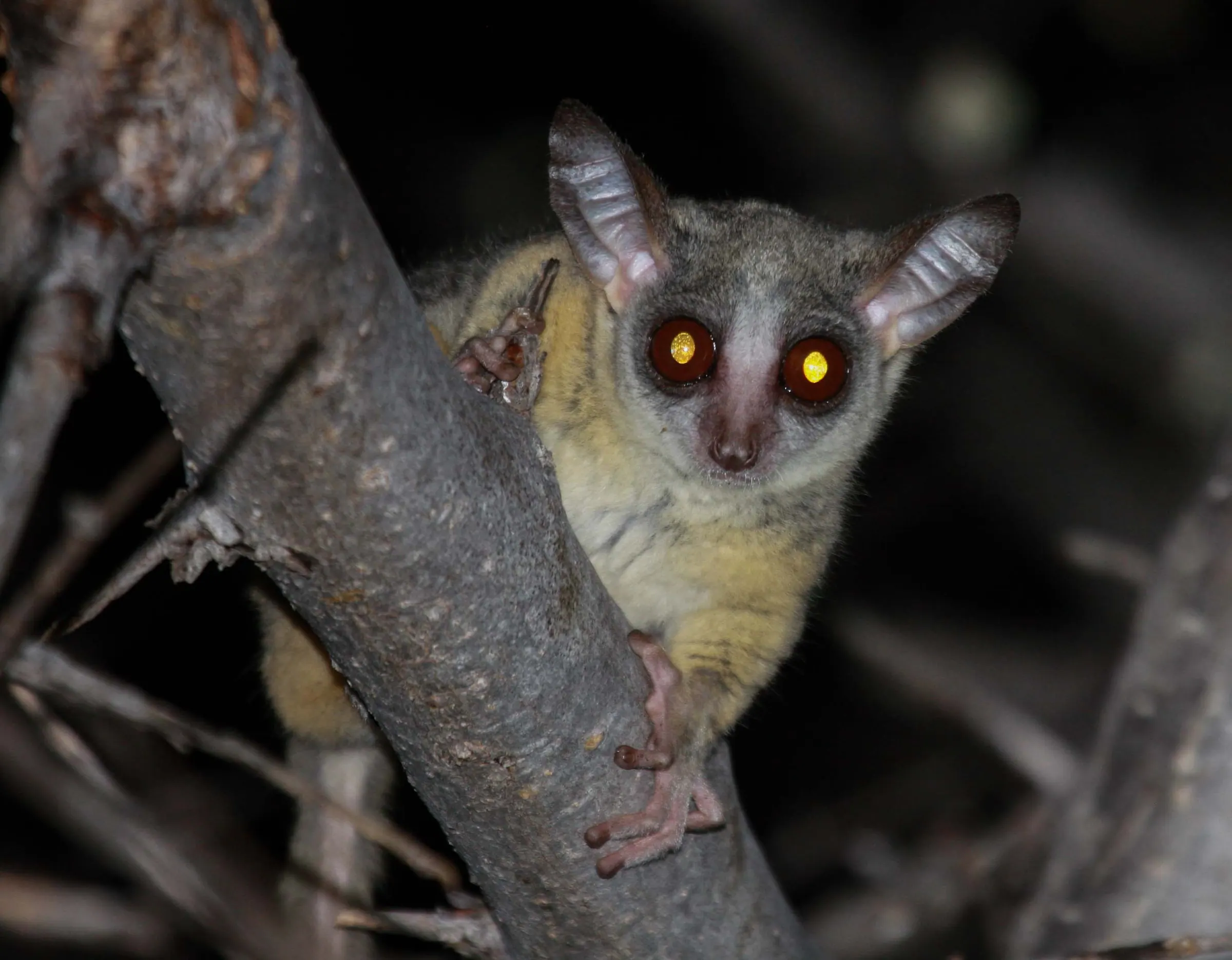
Most Kenyan camps are unfenced, so animals walk through. You may hear hyenas whooping, a lion roaring a mile away that sounds like it is outside your tent, hippos grazing on the lawn by the river, and in some camps, such as Elephant Bedroom Camp in Samburu, elephants feeding next to your deck. For many guests this is the best part of the trip. For a few, it means a sleepless first night. The rules are simple and every camp follows them:
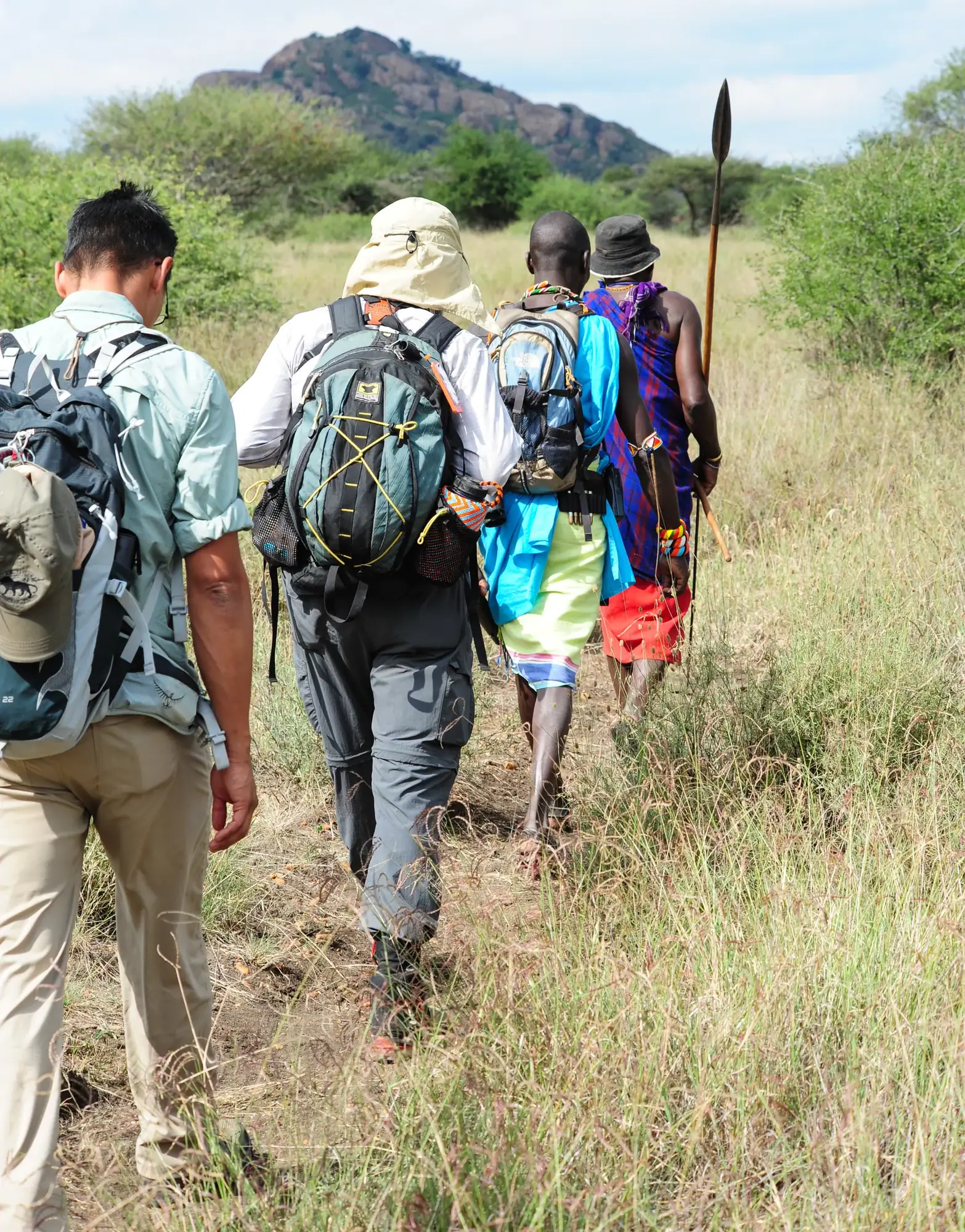
- After dark, a guard, often a Maasai or Samburu askari with a torch, walks you between your tent and the main area; never walk alone at night
- Keep your tent zipped, day and night, to keep out insects and monkeys
- Do not keep food in the tent
- Use the whistle, radio or horn by your bed if you need help, and stay inside until someone comes
- If an animal is near your tent, stay inside and stay quiet; it will move on
What each costs
| Example | Type | From about, per person per night |
|---|---|---|
| Manyatta Camp, Tsavo East | Tented camp | $110 |
| Voyager Ziwani, Tsavo West | Tented camp with a kids' club | $170 |
| Severin Safari Camp, Tsavo West | Tented camp | $210 |
| Ashnil Aruba, Tsavo East | Lodge | $280 |
| Samburu Intrepids, Samburu | Tented camp | $290 |
| Satao Camp, Tsavo East | Tented camp on a waterhole | $470 |
| Saruni Samburu, Kalama | Hilltop lodge | $690 |
| Elephant Bedroom Camp, Samburu | Tented camp | $770 |
| Sasaab, Westgate | Lodge | $1,300 |
Who should choose which
- Choose a lodge if: you are traveling with toddlers or young children who need space and a pool; you are a light or nervous sleeper; you or someone in your group has mobility needs; you need steady wifi for work
- Choose a tented camp if: you are a couple or honeymooners; you are a photographer who wants to be close to the action; you want the sounds of the bush; you like small camps where the guides know your name
- Mix them: many of our trips put a family in a lodge with a pool in Amboseli or Tsavo, then a family tent in a Mara conservancy for the big nights
Our picks, park by park
| Park | A lodge we like | A tented camp we like |
|---|---|---|
| Maasai Mara | Mara Serena (mid-range), Angama Mara (top end) | Rekero or Entim on the river; Kicheche or Porini in the conservancies |
| Amboseli | Ol Tukai Lodge or Amboseli Serena, inside the park | Kibo Safari Camp (value), Elerai, Tortilis Camp (top end) |
| Samburu | Saruni Samburu, Sasaab | Samburu Intrepids, Elephant Bedroom Camp |
| Tsavo | Ashnil Aruba | Satao Camp, Severin Safari Camp, Voyager Ziwani |
| Laikipia | Lewa Wilderness, Borana Lodge | Sweetwaters Serena, Porini Rhino, Ol Pejeta Bush Camp |
Not sure? Try a tented camp for one or two nights in the middle of the trip, after a first night in a Nairobi hotel. Most people who worry about canvas before they go are telling stories about the lion outside their tent by the end of the week.
Why plan with us: Kenya Experience is Kenyan-led, with two U.S. companies behind it, GCK Travel and Roundtrip Safaris, and Kenyan guides on the ground. You can pay in full or monthly with no deposit, and a specialist replies within two business days.