Planning a safari. Updated November 2026. 5 min read.
A real Kenya safari for under $150 a day exists. It involves a minivan with a pop-up roof, a tent with a proper bed, the Madaraka Express to the coast, plates of ugali and sukuma, and knowing which months the Maasai Mara fee halves. It does not involve skipping the things that keep you safe.
Budget land costs in Kenya run about $150 to $300 per person per day in 2026, covering where you sleep, your meals on safari, transport and park fees. This guide is about living at the bottom of that range: the dates, the trade-offs and a seven-day plan. If you want the full cost of a trip at every level, with flights and line-by-line totals, read our Kenya safari cost guide first; this page assumes you have, and shows you how to spend less.
The biggest saving is the calendar
Two numbers decide a budget trip. The Maasai Mara National Reserve charges non-resident adults $100 a day from January to June and $200 from July to December, so three days in the Mara cost $300 in fees in March and $600 in August. And in the green season, the rainy months of April, May and November, many camps cut their rates by 30 to 50 percent. January to March is the sweet spot: dry, green, the lower Mara fee and short-rains babies on the plains. Our seasons pages explain the weather month by month.
The catch with the rains is mud and closed tracks in some areas, and a few camps close in April and May. The Mara, Nairobi National Park, Lake Nakuru and Amboseli all stay open, and the afternoon storms usually leave the mornings clear.
A seven-day plan at about $150 a day
Here is the shape we would give a student or a young traveler with a week and a tight budget, traveling in the green season or between January and March. The fixed fees are real at the time of writing; the rest depends on the camp, the season and how many share the vehicle, so treat the total as a target, not a quote.
| Day | The plan | Fixed fees at the time of writing | Where you sleep |
|---|---|---|---|
| 1 | Land in Nairobi; afternoon at the Giraffe Centre or the National Museum | Small entry fees in shillings | Hostel or budget guesthouse in Kilimani or Westlands |
| 2 | Half-day safari in Nairobi National Park at dawn, then free afternoon | Park fee $80 per adult, plus vehicle | Same |
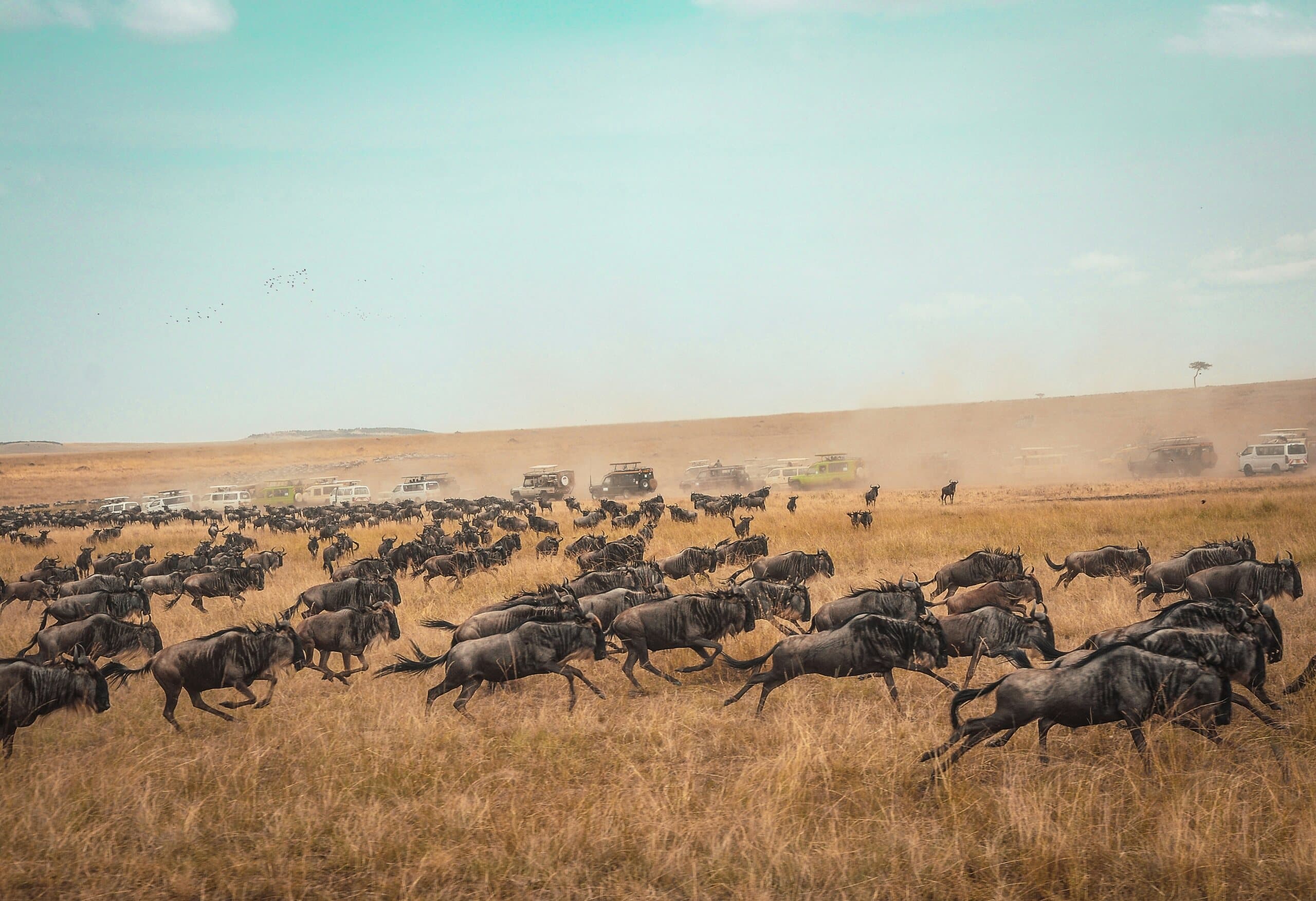
| 3 to 5 | Three days, two nights in the Maasai Mara on a shared minivan safari, budget camp outside the reserve | Mara fee $100 a day, January to June | Permanent tents with beds, outside the gate |
| 5 | Back to Nairobi in the late afternoon | Included in the safari | Nairobi |
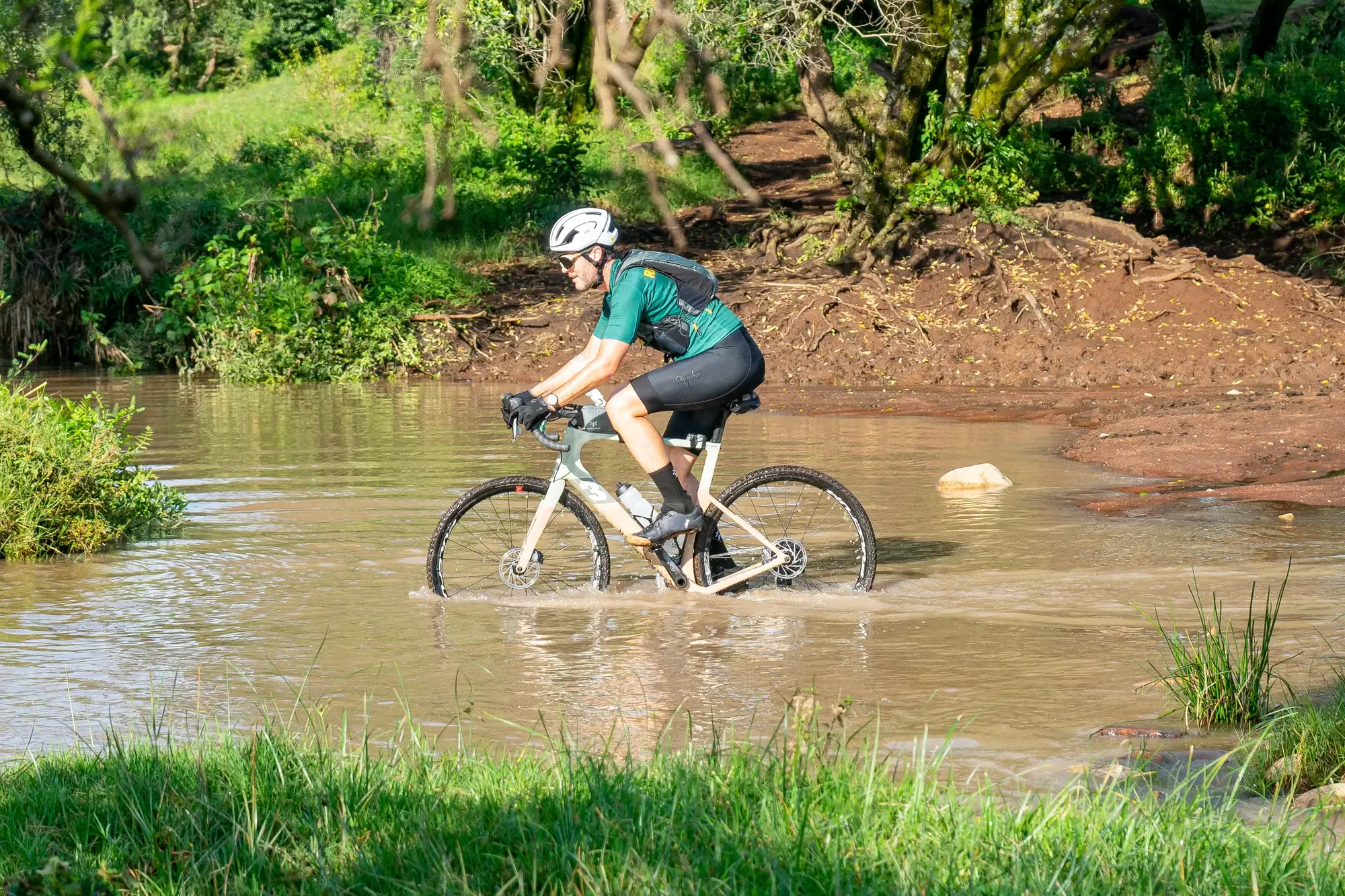
| 6 | Hell's Gate by bicycle, then a boat on Lake Naivasha | Park fee $50 per adult; bike hire paid locally | Budget camp on the lakeshore |
| 7 | Back to Nairobi and the Madaraka Express to Mombasa, or fly home | Economy train about KSh 1,000 | Coast backpackers or your flight home |
Add a few days at the coast and the budget still holds: Diani has backpacker hostels and simple guesthouses a short walk from one of the best beaches in East Africa, and the coast is cheap to eat in if you eat where Kenyans do. Our Kenya by train itinerary links Nairobi, Tsavo and the coast by rail.
Where the savings come from
- Shared safaris. Buying a seat rather than a whole vehicle is the single biggest cut on the ground. You share the pop-up roof with strangers and the itinerary is fixed; our private versus shared guide does the math
- Budget camps outside the gate. Permanent tents with real beds and bathrooms, just outside the Mara reserve, cost a fraction of the camps inside, and you drive in for the day
- KWS public campsites. Inside or beside many national parks, the Kenya Wildlife Service runs basic campsites with a per-person fee on top of park entry. You need your own tent or an operator who brings one
- Road over air. A Wilson Airport flight to the Mara costs about $200 to $250 each way. The road takes five to six hours but costs a fraction of that
- The Madaraka Express. Nairobi to Mombasa in about 5 to 6 hours, economy at about KSh 1,000 and first class about KSh 3,000 at the time of writing, booked on Kenya Railways' official site
- Eating local. A plate of ugali, sukuma wiki and beans, or githeri, at a local kibanda costs a dollar or two; a chapati and chai is breakfast for less
- M-Pesa. Register a Safaricom SIM with your passport and pay small sums by mobile money rather than a U.S. card that adds a foreign transaction fee
- Free Nairobi. Karura Forest's walking trails, the city's markets and its galleries cost little or nothing; our free things to do in Nairobi guide lists them
Students: the rates and the letter
Student groups can ask for student rates in the Maasai Mara with about two weeks' notice and a letter from their institution. Individual students traveling on their own should not count on a discount, and KWS park fees for non-residents are the same for students and adults unless you are on an approved program. If you are coming with a university or school, our education pages explain how group programs are priced.
Where not to cut
- Travel insurance with medical evacuation. Kenya's mandatory inbound health insurance, about $44 plus fees, is an entry requirement, not travel cover: it will not fly you home. Buy a real policy too
- A licensed operator. The cheapest safari in a Nairobi street office can mean a worn vehicle, an unlicensed driver and a camp that was never booked. Our guide to choosing a safari company lists what to check
- Your flight's arrival time. Saving $100 on a flight that lands at 2am costs you a taxi at the worst hour and a lost day
- Malaria tablets and vaccines. The travel clinic visit is not optional for the Mara and the coast
- Night walking. A cheap guesthouse is fine; walking back to it in the dark is where budget trips go wrong. Take an Uber
The flight is still the biggest number
On a budget trip, the international flight can cost more than everything on the ground. Plan on about $1,200 round trip as a working figure, with fares from about $900 outside July to September and December. Flexible dates, a one-stop routing through the Gulf or Europe and booking a few months ahead are the levers. Our flights guide compares the routes.
Our budget departures
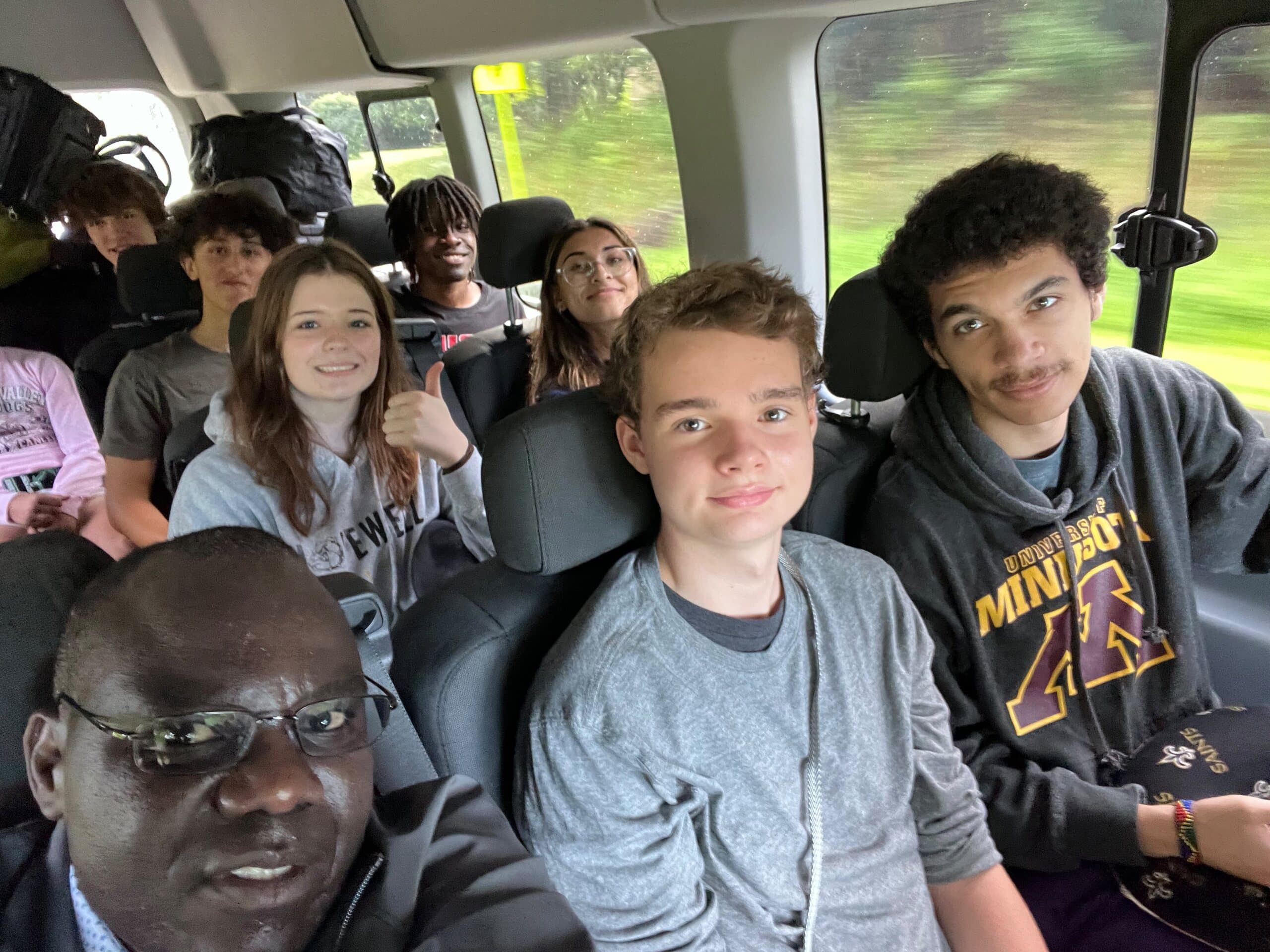
Kenya Experience is not a backpacker outfit, but we do plan simple, well-run trips for students, young travelers and Kenyan families' children visiting from the U.S., with vetted vehicles and camps and the same 24-hour support as every other trip. Tell us your budget honestly and we will tell you honestly what it buys. You can pay in full or monthly, with no deposit, which spreads a trip over the months before you go.