Food and drink. Updated November 2026. 4 min read.
When a Kenyan family has something to celebrate, someone cooks pilau. Rice, meat, browned onions and a handful of whole spices go into one big pot, and the smell of cumin and cardamom carries down the street and tells the neighbors there is a wedding, an Eid, a Christmas, a graduation or a homecoming. At funerals it feeds the hundreds who come to mourn. On the coast, it is also Friday lunch after the midday prayers.
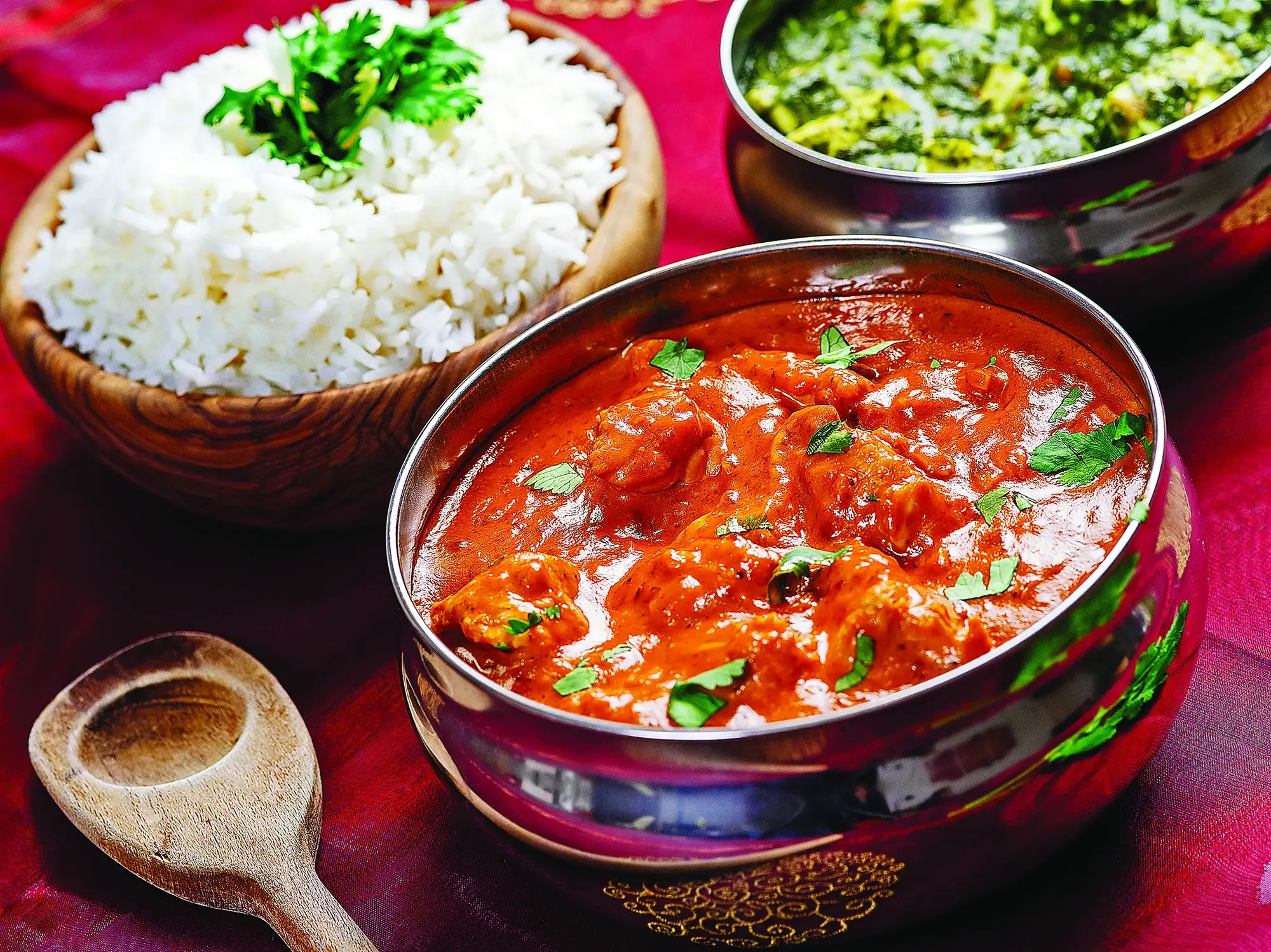
Kenyan pilau is rice cooked in meat stock with cumin, cardamom, cloves, cinnamon and black pepper, until each grain is separate and brown from the onions. It comes from the Swahili coast, where a thousand years of Indian Ocean trade brought the spices, and it is now cooked in every part of the country. This page covers the dish itself; the coast's wider kitchen, from coconut fish to biryani's Friday crowds, is in our Swahili cooking guide.
Where pilau comes from
Spiced rice cooked with meat travels under related names across the old trading world: pilaf, pulao, palaw. On the East African coast, Arab, Persian and Indian traders and settlers brought the method and the spices, and Swahili cooks made it their own, with local rice, goat and beef, and their own balance of spices. Inland, pilau spread with coast traders, Muslim communities in the towns, and later with the boxed pilau masala spice mix you find in every Kenyan supermarket. Today it belongs to everyone.
Mombasa pilau and upcountry pilau
| Coast (Mombasa, Lamu) | Upcountry | |
|---|---|---|
| Spices | Whole spices, toasted in oil; garlic and ginger generous | Often a packet of pilau masala, sometimes whole spices |
| Color | Deep brown from onions cooked slowly almost to caramel | Lighter brown |
| Meat | Goat or beef on the bone, sometimes chicken or fish | Beef most often, chicken, or goat at big events |
| Rice | Basmati or aromatic pishori | Pishori, basmati or ordinary long grain |
| Cooked for | Weddings, Eid, Fridays, family lunches | Christmas, weddings, funerals, big family days |
| Served with | Kachumbari, chili sauce, sometimes a bowl of meat broth | Kachumbari, a stew on the side, a cold soda |
Pishori is an aromatic Kenyan rice grown under irrigation at Mwea, below Mount Kenya, and many Kenyan cooks swear by it. In the U.S., basmati is the closest match.
Pilau and biryani: cousins, not twins
Pilau is one pot: rice and meat cook together in the same spiced stock. Biryani is two parts brought together: a rich, slow-cooked meat sauce, on the coast usually with potatoes, and separately cooked rice, often tinted yellow, layered or served with the sauce on top, with fried onions. Biryani takes longer and is richer; pilau is lighter and quicker. In Mombasa's Old Town, Friday lunch means biryani for many families, and the cafes cook it in big pots that sell out.

Where to eat a good one
- Mombasa Old Town: the small Swahili cafes and family restaurants near the mosques, at lunchtime, especially on Fridays
- Lamu: the waterfront cafes and guesthouse kitchens; Lamu pilau is one of the gentlest and most fragrant
- Nairobi: Swahili and Somali restaurants, and the lunch counters of the CBD, where pilau and kachumbari is a standard plate
- Upcountry: at a wedding, a funeral or a Christmas in the village, where it is cooked by the drum-sized sufuria over firewood, and where the best pilau in Kenya is usually found
- On safari: many camps cook pilau on a Kenyan night if you ask a day ahead
A home recipe in U.S. measures
Serves six. The secret is the onions: give them the full 20 minutes. If you only have pilau masala, use 1 1/2 tablespoons in place of the whole spices.
- 2 pounds beef chuck or goat, in 1 1/2-inch pieces (bone-in is better)
- 6 cloves garlic and a 1-inch piece of ginger, crushed together
- 2 cups basmati rice, rinsed and soaked 20 minutes
- 2 large onions, thinly sliced; 1/3 cup vegetable oil
- 1 tablespoon whole cumin seeds, 6 green cardamom pods (cracked), 6 whole cloves, 1 cinnamon stick, 1 teaspoon black peppercorns
- 2 medium potatoes, quartered (optional)
- Salt
- Simmer the meat with half the garlic and ginger, 1 teaspoon salt and 5 cups water, covered, until tender, about 1 hour for beef. Lift out the meat and keep the stock; you need 3 cups
- In a heavy pot, fry the onions in the oil over medium heat, stirring, for about 20 minutes, until deep brown but not burnt
- Add the whole spices and stir for 1 minute until fragrant, then the rest of the garlic and ginger, then the meat and potatoes, and fry 3 minutes
- Add the drained rice and stir gently for 2 minutes to coat every grain
- Pour in 3 cups of hot stock, taste for salt, and bring to a boil. Cover tightly, turn the heat to the lowest setting and cook 20 minutes without lifting the lid
- Rest 10 minutes off the heat, then fluff with a fork
Serve with kachumbari: 2 tomatoes and 1 red onion sliced thin, a handful of cilantro, a little chopped chili, lime juice and salt. Our nyama choma page has the full kachumbari story, and our recipes page more of the dishes to serve alongside.

Kiswahili at the table
| Kiswahili | English |
|---|---|
| Pilau ya nyama | Pilau with meat |
| Wali | Cooked rice |
| Jira | Cumin |
| Karafuu | Cloves |
| Mdalasini | Cinnamon |