Food and drink. Updated November 2026. 4 min read.
In Kisumu, dinner is a fish. A whole tilapia, chosen by size, fried crisp or simmered in tomato, set down on the table with a block of ugali and a pile of greens, eaten with your hands on a lakeshore while the sun drops into Lake Victoria. It is the meal western Kenya is proudest of, and for many diaspora Luo families it is the first thing they eat when they land home.
The lake gives three fish that matter on the table: tilapia, the plate-sized favorite; omena, the tiny silver fish dried in the sun on the beaches; and Nile perch, the giant that changed the lake. Here is how each is cooked, where to eat them, how to order without looking like a tourist, and the lake's complicated story. For the wider Luo kitchen, see our Luo food page; for the city itself, our Kisumu guide.
Tilapia: the whole fish
Tilapia (ngege in Dholuo, the Luo language) is served whole, head and tail on. There are three main ways to order it. Fried, or dry fry: scored, salted and deep fried until the skin crackles. Wet fry: fried first, then simmered briefly in a sauce of tomato, onion and coriander, which keeps it moist. Stewed or boiled: cooked gently in a light tomato or plain broth, the way many families cook it at home, and often the favorite of older Luo diners. On the coast you may also find it in coconut sauce, but at the lake it is tomato and onion.
It comes with ugali (kuon) and a green, usually sukuma wiki or traditional vegetables such as osuga (African nightshade) or dek (spider plant), and often kachumbari. The cheek meat is the cook's prize and the head is not wasted; eating it is a mark of someone who grew up by the lake.

Omena: small fish, big flavor
Omena are tiny silver lake fish, a few centimeters long, caught at night by boats using lanterns. The lights you see far out on the lake after dark are the omena fleet. The catch is spread on the beaches and on racks to dry in the sun, and you will smell the drying grounds before you see them. To cook, omena are rinsed, sometimes blanched, then fried with onion and tomato into a thick, salty, intensely savory relish eaten with ugali. Omena are cheap and full of protein, and they feed far more people around the lake than tilapia does. They are strong-tasting; try a small portion first.
Nile perch and the lake's history
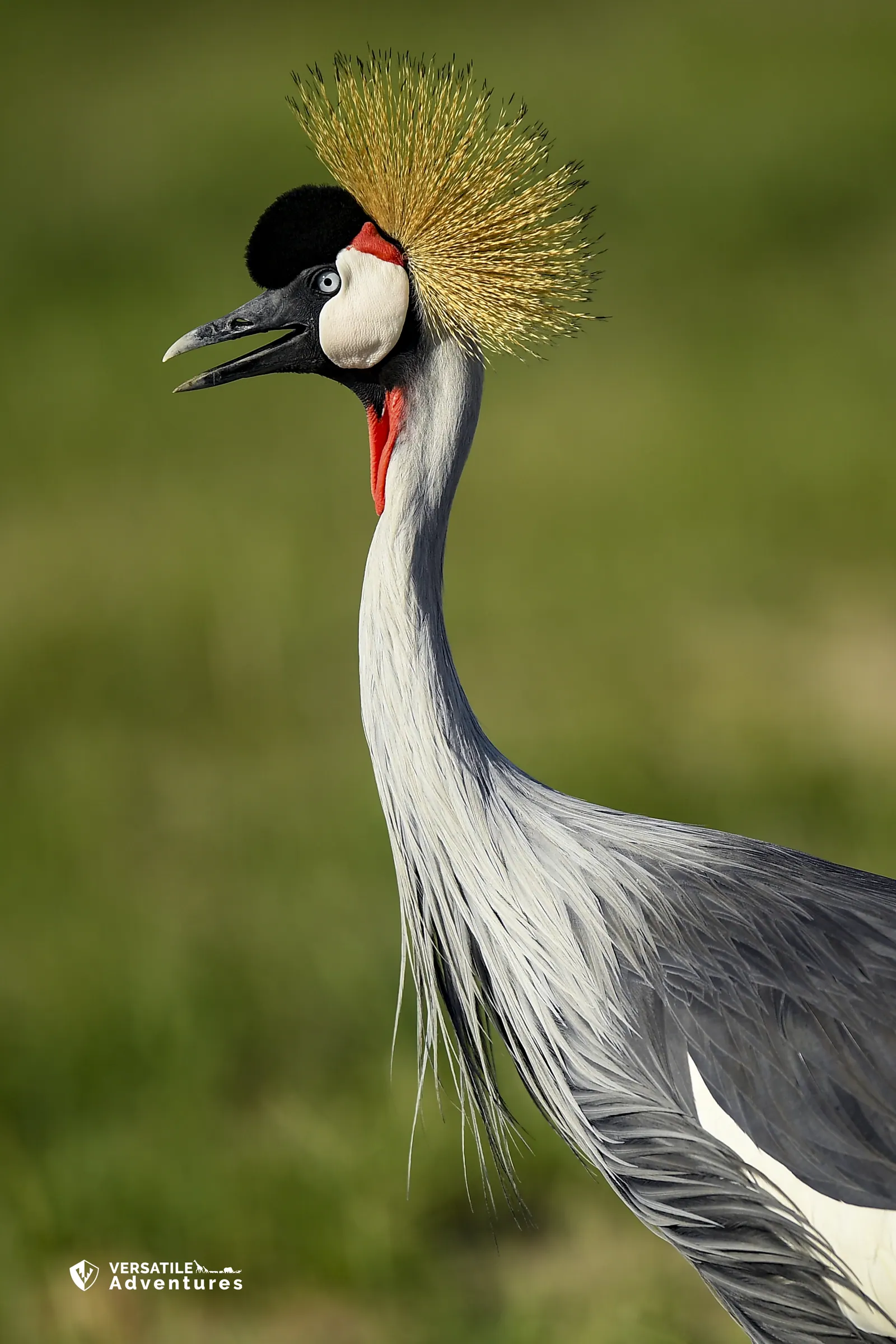
Nile perch (mbuta in Dholuo) was introduced into Lake Victoria in the colonial era, from the 1950s, to create a commercial fishery. It worked, at a cost: the perch, a large predator that can grow taller than a person, is widely blamed for wiping out a great many of the lake's native cichlid fish species. Today it supports processing plants that export fillets, while tilapia and omena remain the lake's own foods. You can order perch at Kisumu restaurants, usually as fillets or fried steaks.
The lake has other troubles. Water hyacinth, an invasive floating plant, spreads across the Winam Gulf in thick mats in some years, stranding boats and closing beaches. Overfishing and pollution have cut wild tilapia catches, and much of the tilapia sold in Kenyan cities now comes from fish farms, or from frozen imports. At the lake, ask for fish from the lake (samaki wa ziwa) and the cook will know what you mean.
Where to eat it
- Dunga beach, south of Kisumu town: a fishing beach with boats, hippos offshore and simple fish restaurants; combine lunch with a boat trip
- Lwang'ni beach, by the Kisumu waterfront: a row of busy fish kitchens near the town center, the classic evening fish dinner, and very local
- Hippo Point, for the sunset before or after dinner
- Beyond Kisumu: Homa Bay, Mbita, and the islands of Rusinga and Mfangano, where the fish is often caught the same day
- Nairobi: Luo-run fish restaurants serve lake fish too, though much of it is farmed or frozen; a Nairobi fish dinner is good, a lakeshore one is better
How to order like a local
- Ask to see the fish. Many places bring a tray or open a cooler, and you choose by size; the price goes with the size, so agree it before it is cooked
- Say how you want it: fried, wet fry or boiled
- Order ugali and greens with it; one large fish feeds two people with sides
- Wash your hands at the basin or jug brought to the table, then eat with your right hand, pulling flesh from the bones with the ugali
- Fish takes 20 to 40 minutes to cook. Order a soda or a Tusker and watch the boats
A wet-fry tilapia for two at home
Most U.S. fish counters sell whole tilapia. Score a 1 1/2 to 2 pound cleaned fish three times on each side, rub with salt, a squeeze of lemon and a little garlic, and leave 15 minutes. Pat dry and shallow-fry in 1/2 inch of hot oil in a large skillet, about 5 to 6 minutes a side, until crisp. Lift it out. Pour off most of the oil, soften 1 sliced onion, add 3 chopped tomatoes, a pinch of salt and a little chili, and cook 8 minutes into a loose sauce with 1/2 cup water. Lay the fish back in, spoon the sauce over and simmer 5 minutes. Finish with chopped cilantro. Serve with ugali; our ugali and sukuma page shows how to make it.
Words at the table
| Word | Meaning |
|---|---|
| Samaki (Kiswahili) | Fish |
| Samaki wa ziwa (Kiswahili) | Fish from the lake |
| Rech (Dholuo) | Fish |
| Ngege (Dholuo) | Tilapia |
| Kuon (Dholuo) | Ugali |