Medical & Wellness
A small conservancy camp with walking safaris, no phone signal and nothing scheduled.
Medical & Wellness
A small conservancy camp with walking safaris, no phone signal and nothing scheduled.
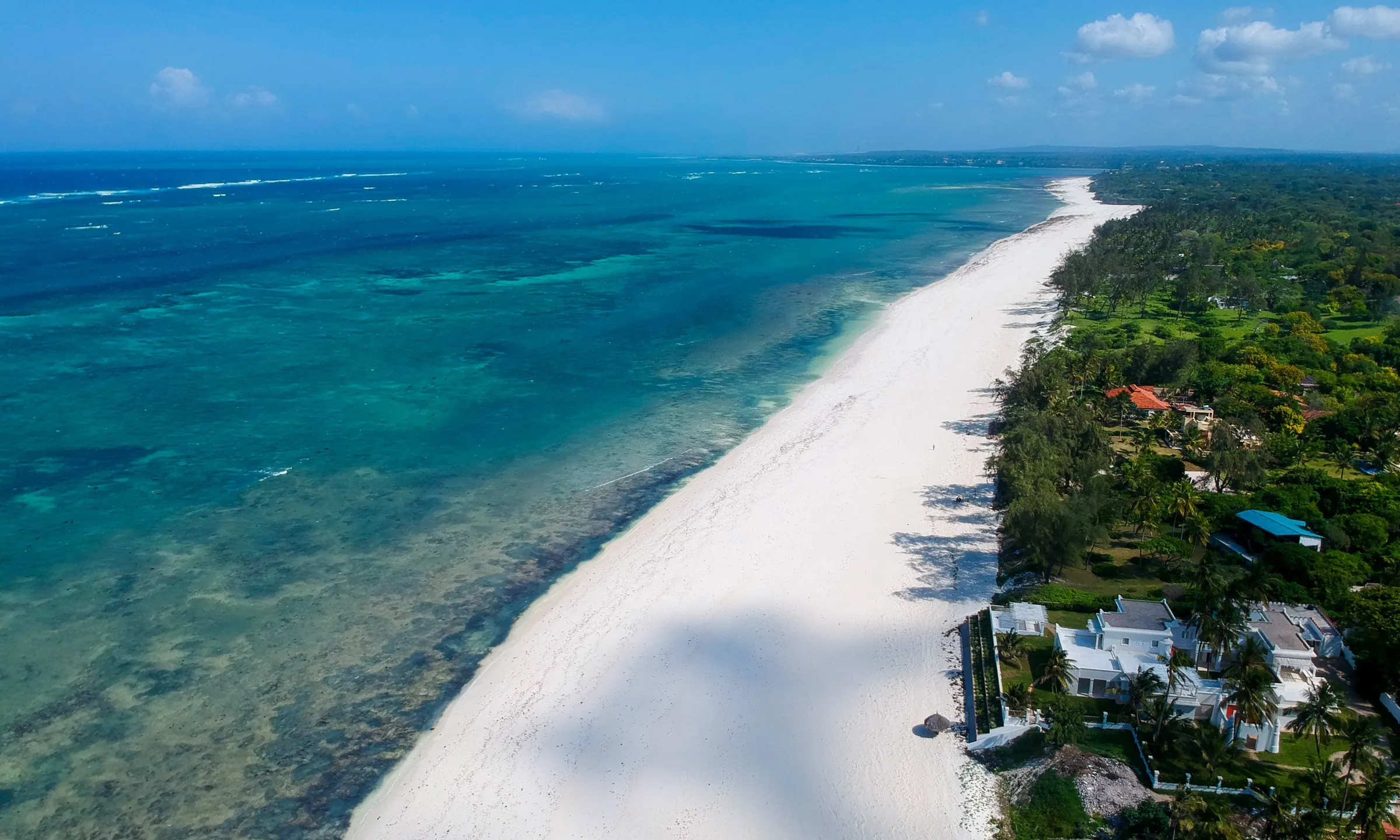
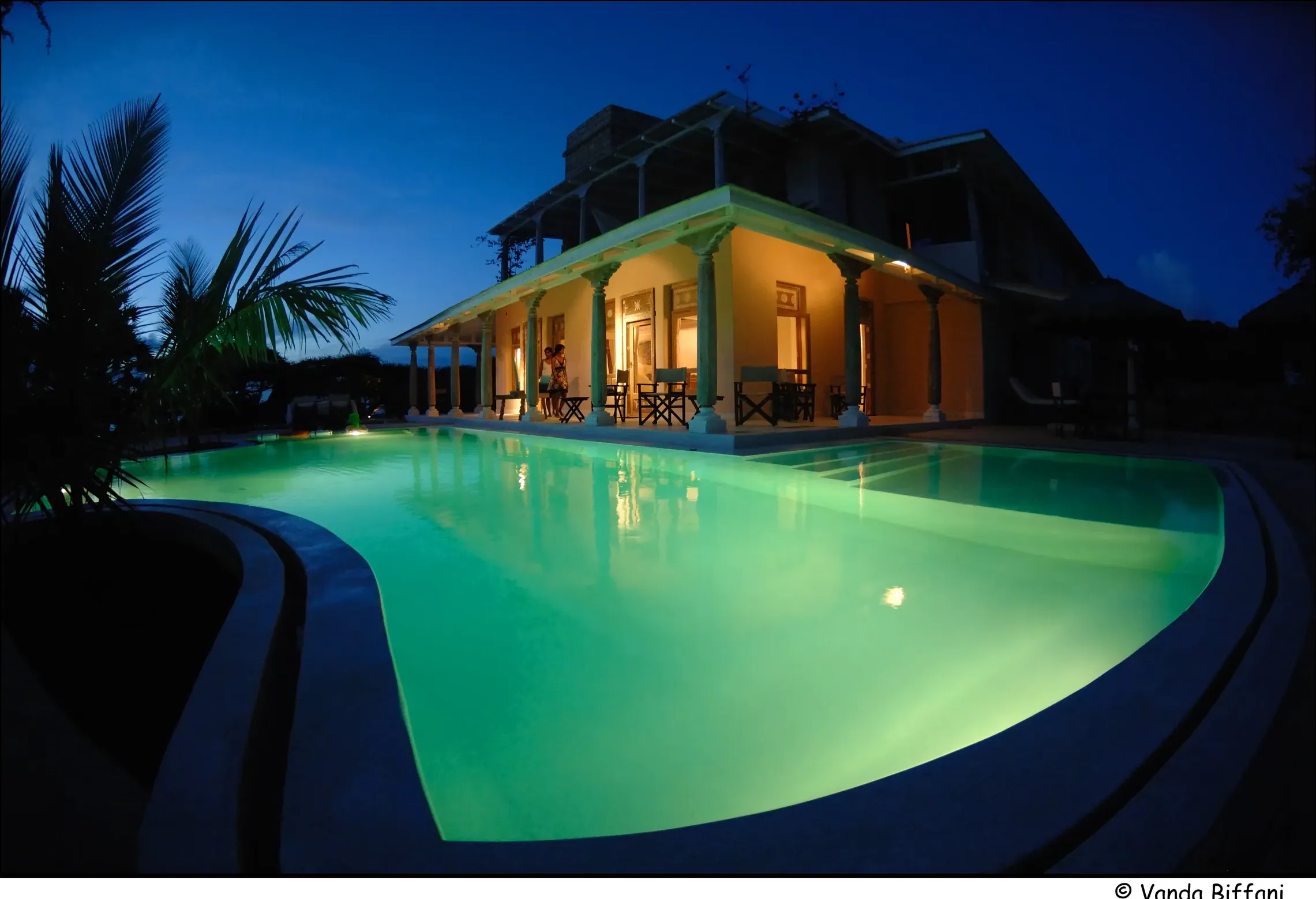
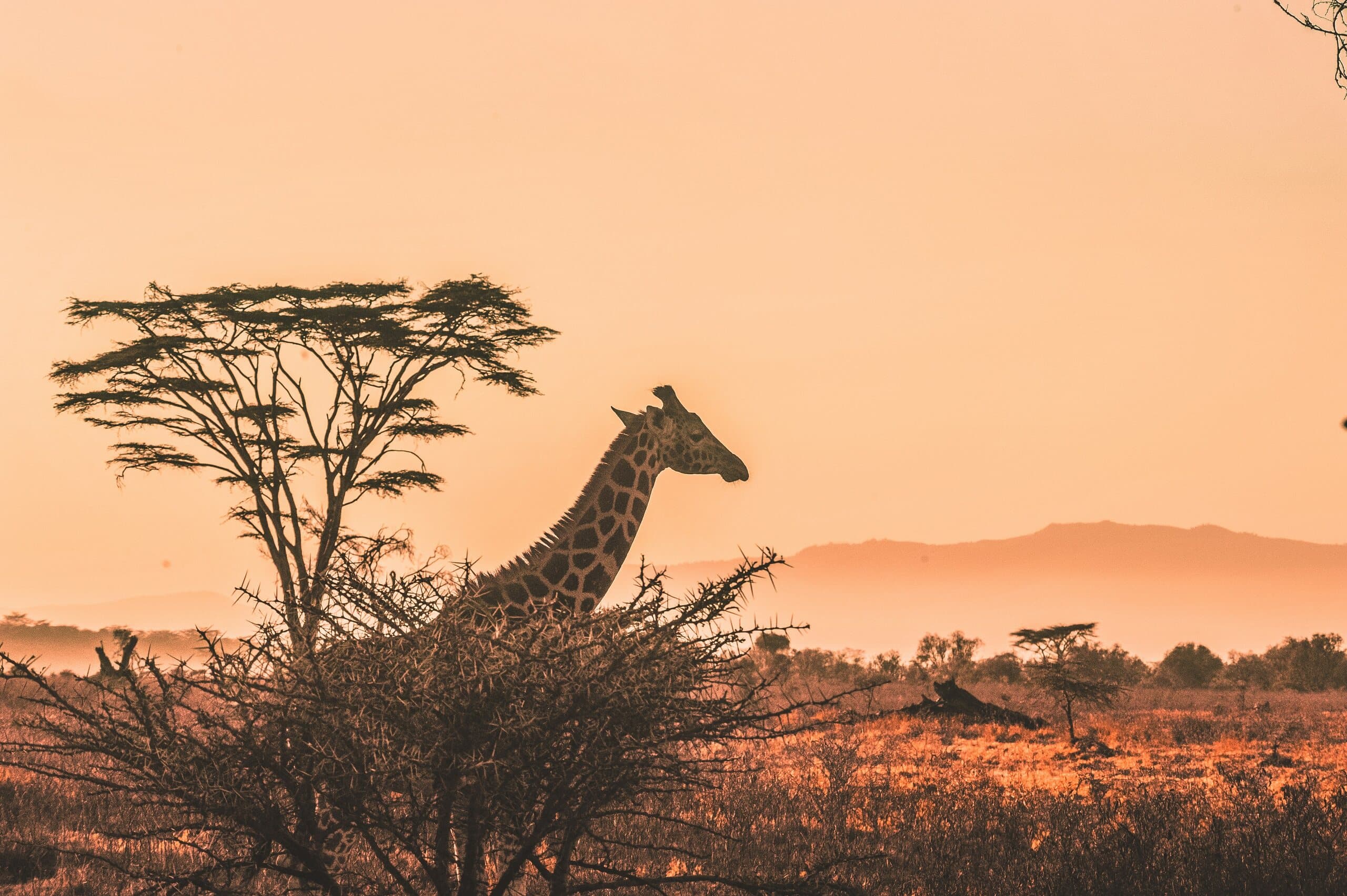
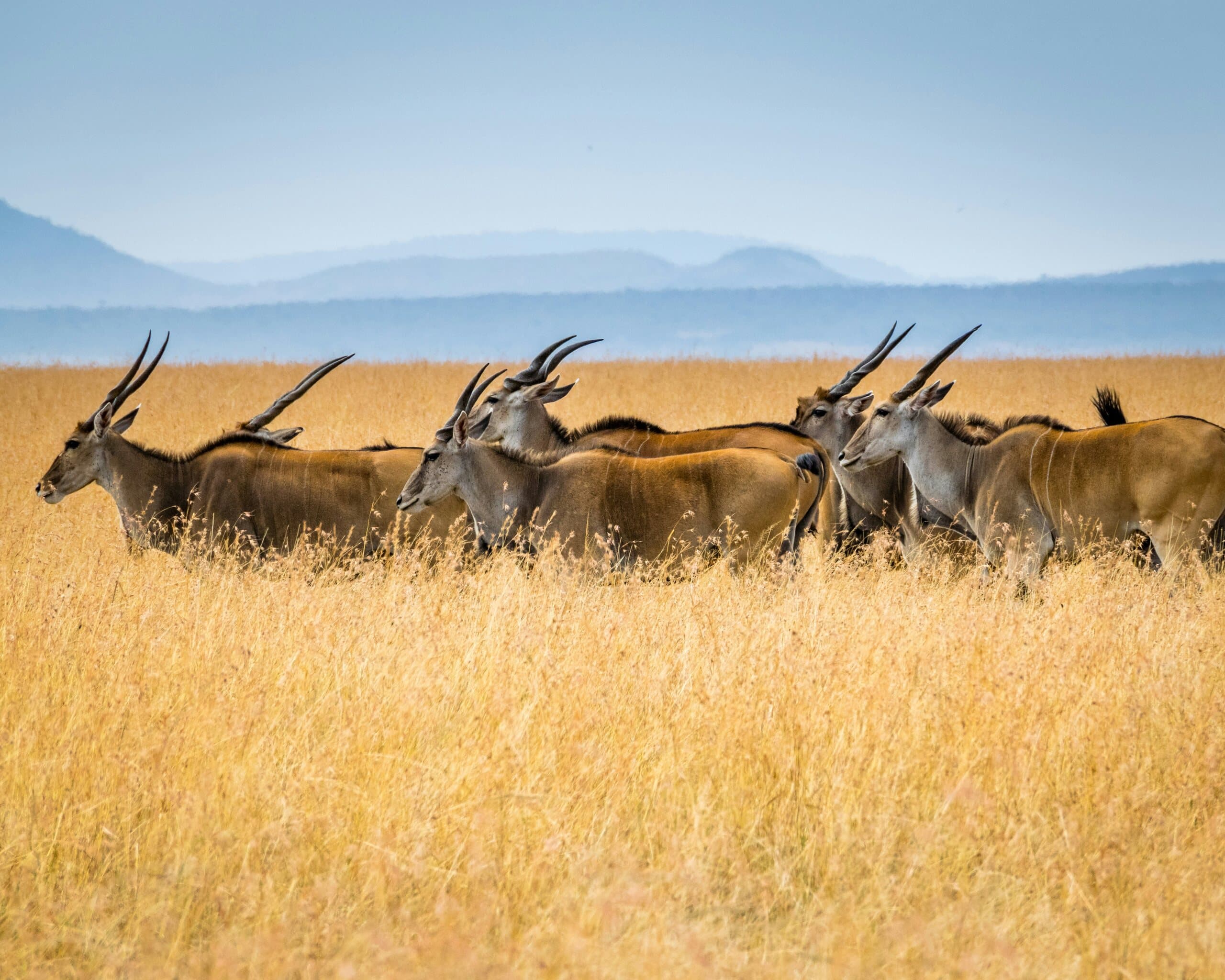
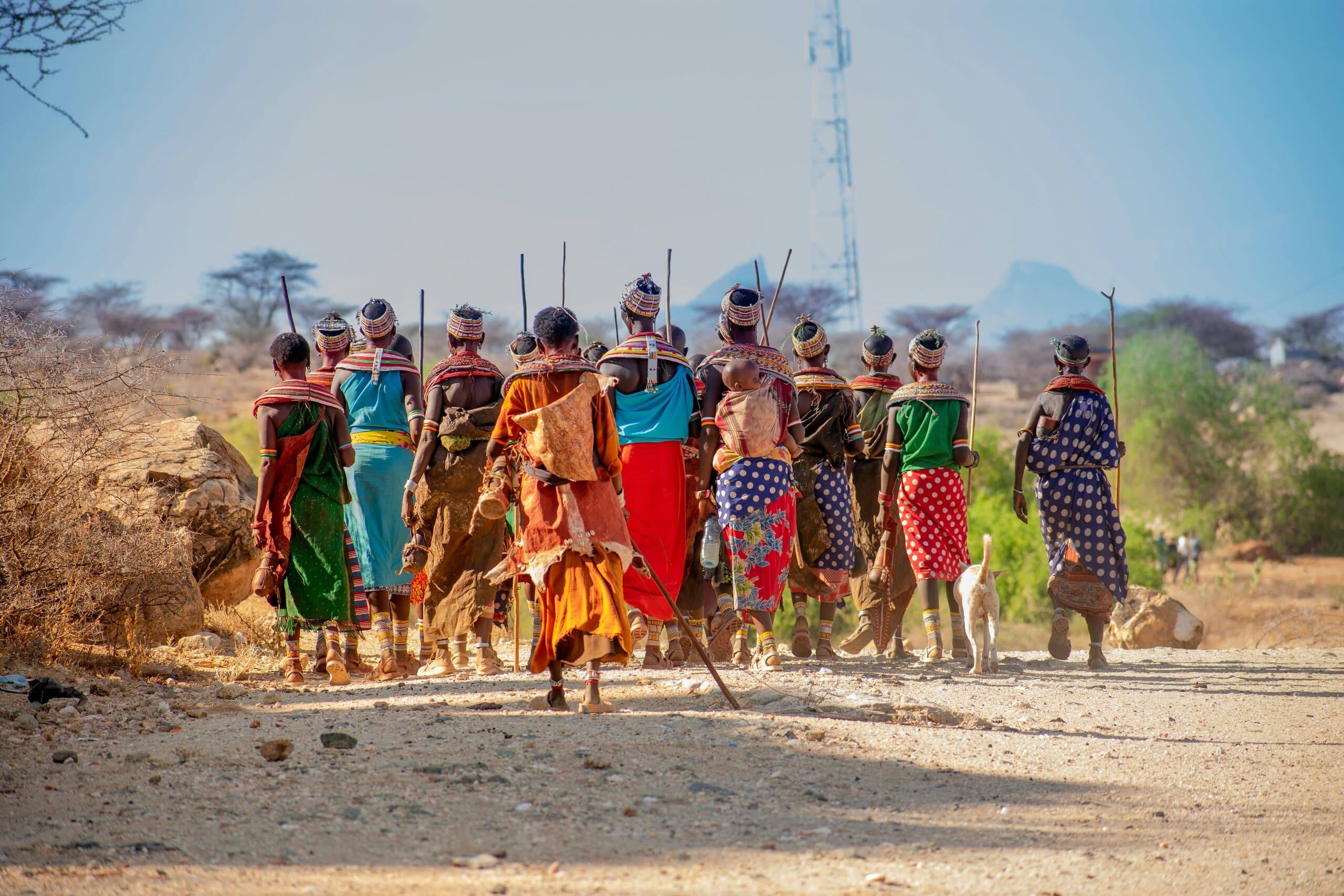
Much of Kenya's wildlife lives outside the national parks, on community and private conservancies that limit the number of beds and vehicles on their land. That is what makes real silence possible. A small camp may have thousands of acres to itself, walking is allowed with trained guides and rangers, and at night you hear lions calling and hyenas whooping instead of engines. Your guides are often Maasai or Samburu men and women who grew up on this land and read it like a book. Rest here is deep because the place is wild.
We use two regions. Laikipia, the high plateau north of Mount Kenya, mixes ranches and community conservancies, with cool nights, wide views to the mountain and some of Kenya's best walking and camel trekking. The conservancies on the edge of the Maasai Mara offer open plains, big cats and a Maasai welcome. The dry seasons, typically late June to October and January to February in most years, are best for walking. Some small camps close during the long rains around April and May. From Laikipia it is easy to add Samburu or Ol Pejeta's rhino work, and a few days on the coast afterward complete a fully restful trip.
You fly in by light aircraft from Nairobi and a guide meets you at the airstrip. After that there is no timetable. Most guests walk at dawn with a guide and ranger, return for a late breakfast, rest through midday, then sit at a waterhole, take a short drive or walk again before dinner by the fire. You decide how much or how little you do each day. Signal is weak or absent and any Wi-Fi is kept to one area, but our team can still reach you through the camp if needed.
Busy professionals who need a real break, writers and artists, couples, small groups of friends, and repeat safari travelers who have already ticked off the Big Five and want to slow down. It suits people who are content to sit still and watch. Walks are at an easy pace, usually two to three hours, so moderate fitness is enough. Many camps set a minimum age for walking, often in the early to mid teens, so families with younger children need a camp that offers alternatives.
Bring neutral colors for walking (khaki, olive, brown), broken-in walking shoes, layers for cold early mornings, a warm jacket for Laikipia nights, a headlamp, binoculars and a notebook. Light aircraft have strict baggage limits, often around 15 kilograms in a soft bag, so pack light. On foot, walk in single file, keep your voice low, never run and follow every instruction from your guide. Leave the laptop at home or in the camp safe.
Kenya Experience is Kenyan-led, with two U.S. companies behind it and Kenyan guides who know these conservancies. A specialist replies within two business days, and you can pay in full or monthly with no deposit.
Some camps keep connectivity to the office on purpose. Five days of walking, sleeping under canvas, eating well and watching the light is the most restorative thing we sell.
Walks are led by trained guides, usually with an armed ranger, on ground they know well. You walk in single file, keep quiet and follow every instruction, and guides keep a respectful distance from large animals.
Many parks and conservancies have some mobile coverage and most lodges offer Wi-Fi. For a silent stay we choose camps where signal is limited or Wi-Fi is kept to one area.
Land owned by a community or a private ranch and set aside for wildlife, usually leased for low-density tourism. Visitor numbers are limited, and the income supports landowners and rangers.
A high plateau north of Mount Kenya with ranches and community conservancies, known for rhino sanctuaries, walking and camel safaris, and far fewer vehicles than the big parks.
Panga
Panga means plan. Tell us who is going and what you love. A Kenya specialist replies within two business days.