Hiking. Updated November 2026. 4 min read.
Most people who drive through Nakuru never notice that the town sits on the side of a volcano. Menengai's caldera, about 12 kilometers across, is one of the largest in the world: a vast bowl of old lava, bush and steam vents, ringed by cliffs, rising just north of the town. From the rim viewpoint you look down into it and out over Lake Nakuru. Walk down to the floor, and you have it almost to yourself.
In short: the rim viewpoint is a short drive from town and takes an hour. The hike down to the caldera floor and back up takes four to six hours, is hot and shadeless, and is best started at dawn with a local guide. Combine it with Lake Nakuru National Park the same day or the next, and you have one of the best active half-days in the Rift Valley.
The options at a glance
| Option | Time | Effort | Good for |
|---|---|---|---|
| Rim viewpoint by car | About an hour with the drive | None | Everyone; the views over the caldera and Lake Nakuru |
| Rim walk | 1 to 3 hours | Easy to moderate | A morning stretch with big views |
| Down to the caldera floor and back | 4 to 6 hours | Moderate to hard, hot | Fit walkers who want the real thing |
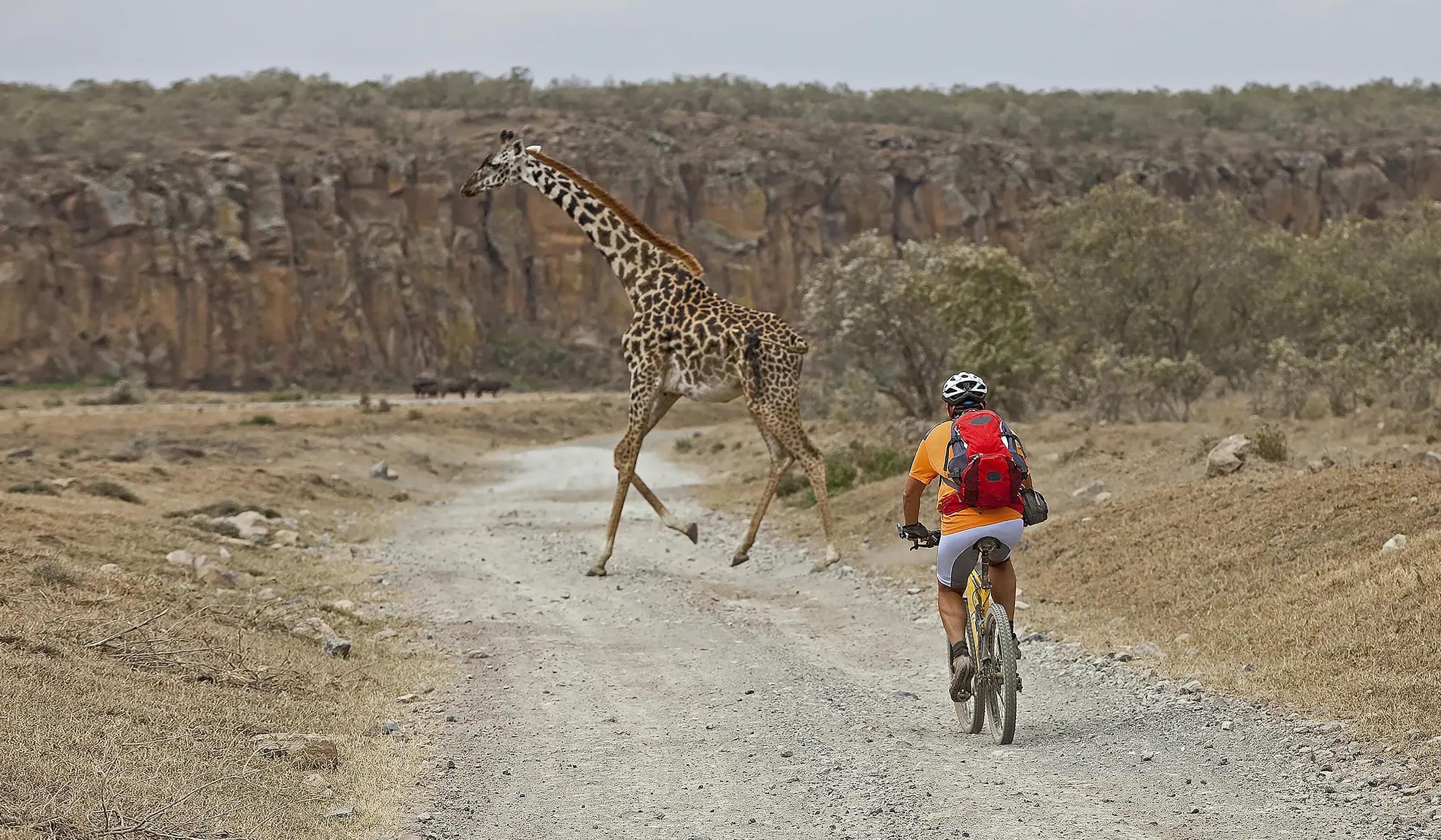
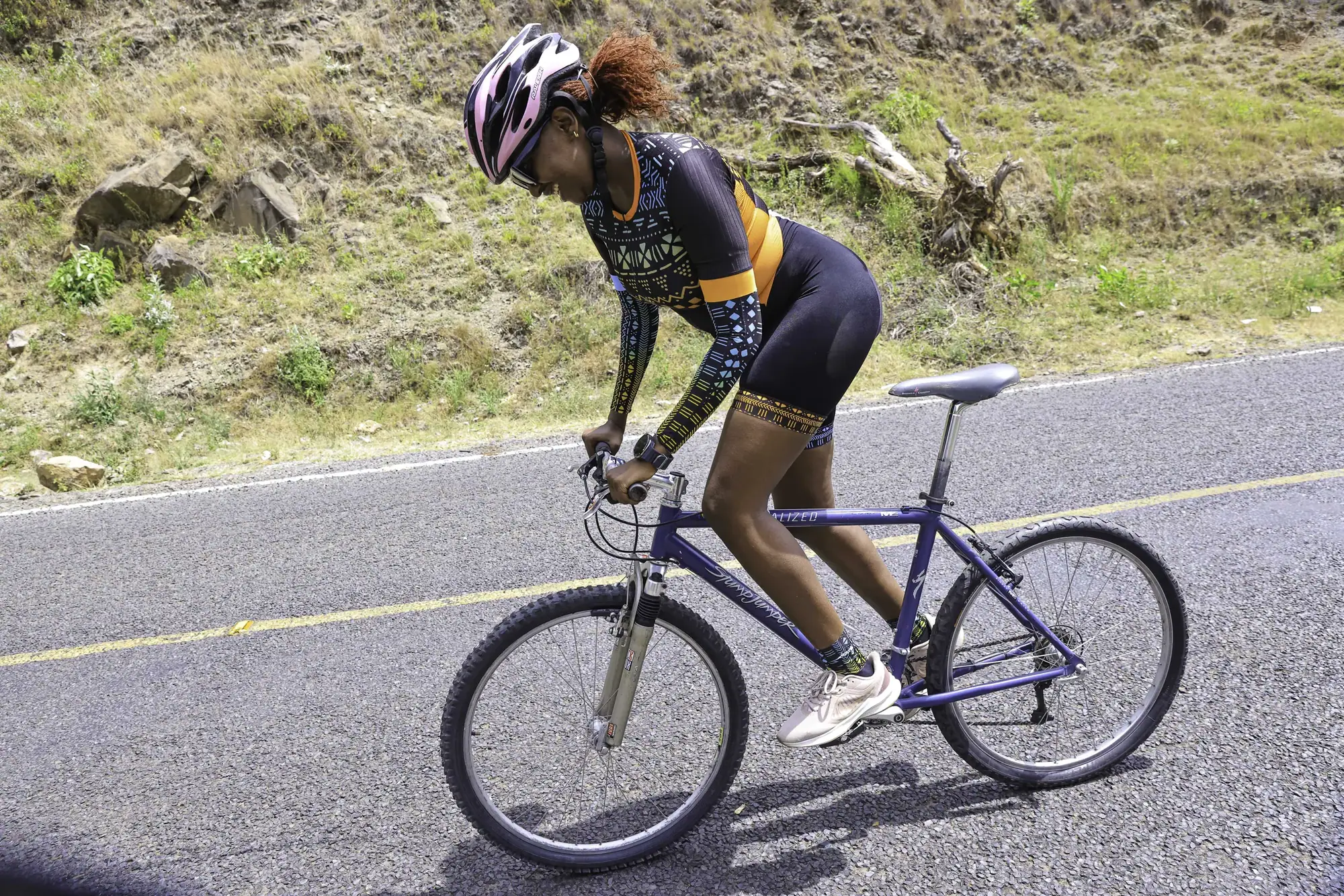
| Cycling the rim road | 2 to 4 hours | Moderate, with climbs | Riders, with a guide and a support vehicle |

The hike into the crater
The trail drops from the rim down a steep, rocky path through bush to the caldera floor, a descent of a few hundred meters that takes about an hour to an hour and a half. Down below, the ground is a jumble of black lava flows, scrub and grass, with plumes of steam rising from vents and from the geothermal wells. Your guide will take you across to see them, then back the way you came. The climb out is the hard part: steep, loose underfoot and in full sun by late morning.
- Start by 7am, before the heat builds. By midday the floor is very hot.
- Carry at least three liters of water per person. There is none on the trail.
- Wear boots with grip, a hat and long sleeves. The lava is sharp and the sun is fierce.
- Go with a local guide who knows the paths; the floor is big, featureless and easy to get lost in.
- Stay well back from steam vents and the cliff edge, and do not leave the path near the wells.
The geothermal wells
Menengai is not just scenery. Kenya's state-owned Geothermal Development Company has drilled steam wells on the caldera floor to generate electricity, part of the same Rift Valley geothermal story you can see at Hell's Gate and Olkaria. On the hike you will pass pipelines, well pads and steaming vents. It is a striking sight: a working energy field inside an ancient volcano. Respect any fences and signs around the wells, and follow your guide.
Legends and faith
The name Menengai is often said to come from the Maa language and to mean something like the place of the dead. Local stories tell of a nineteenth-century battle between Maasai sections, in which the defeated warriors were driven over the crater cliffs. Other stories tell of spirits, of people lost in the mist on the floor and of strange lights at night. Today the crater is also a place of prayer: you may pass church groups praying and singing on the rim or in the bush below, and it is polite to give them space and ask before taking photographs.
Fees, getting there and timing
The crater lies inside Menengai Forest, managed by the Kenya Forest Service, which charges a modest entry fee in shillings at the gate; fees change, so check on arrival or ask us. The rim viewpoint is about 8 kilometers north of Nakuru's town center, roughly 20 minutes by road. Nakuru itself is about three hours from Nairobi on the main highway, and our Nakuru page covers the town, where to eat and where to stay.
The dry months, roughly January to March and late June to October, are best. In the rains the trail down is slippery and the floor gets muddy, though the bush turns green. Mornings are cool at the rim, which is high above the town, so start in a layer and shed it as the sun comes up.
Who it suits, and who should stay on the rim
The rim is for everyone, including grandparents and small children, and the view is the main event for most visitors. The hike to the floor suits fit walkers who are comfortable on steep, loose ground and in strong heat: think of it as a desert canyon hike in reverse, easy going down and hard coming back. If you have knee trouble, a heart condition or little experience of hot-weather hiking, enjoy the rim walk instead. School groups should plan enough guides and adults that anyone who struggles can turn back with someone, set a turnaround time before they start and carry extra water in a support vehicle at the top. Nobody should hike the floor in the middle of the day.
Making a day of it
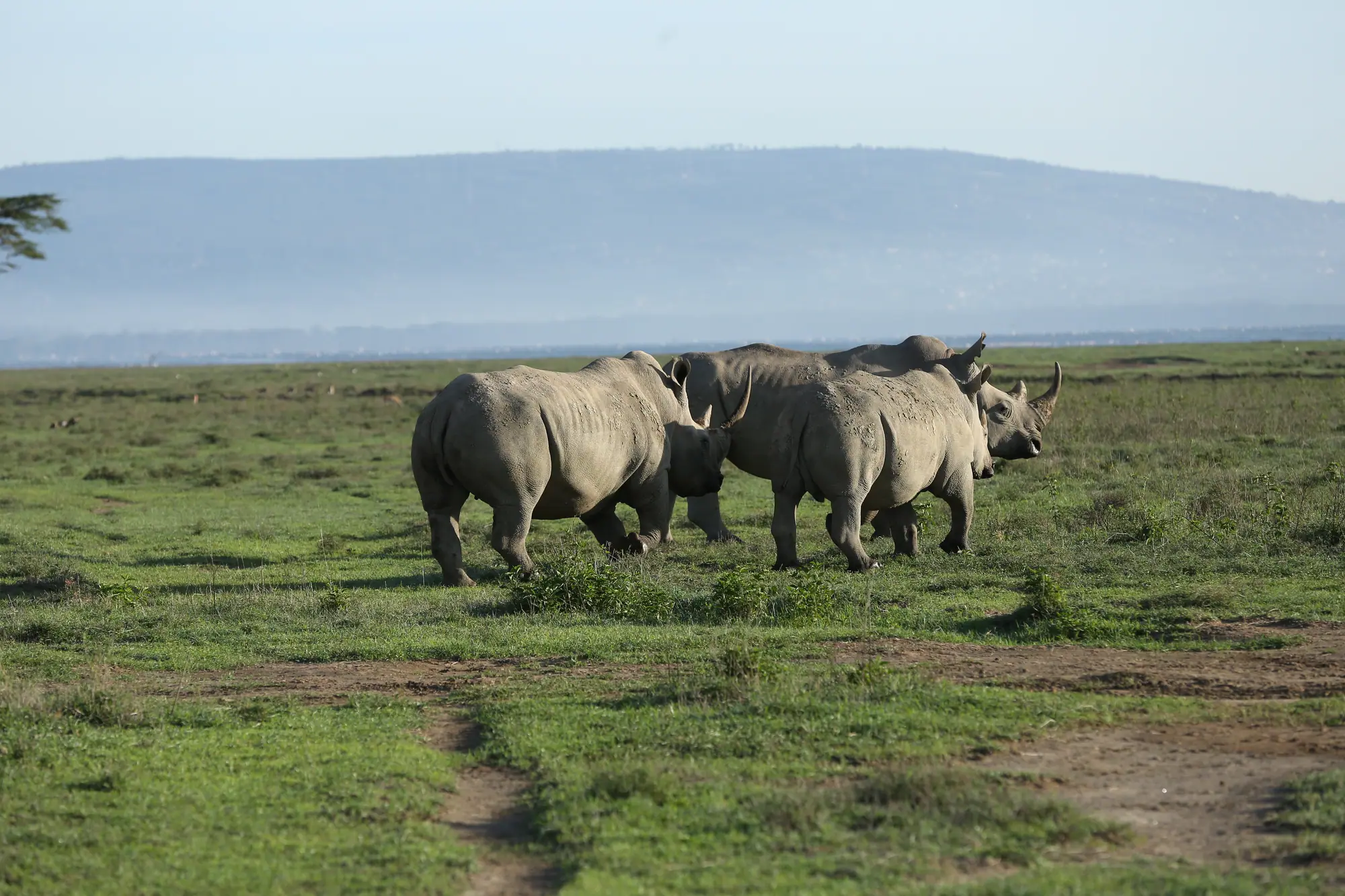
- Dawn at Menengai, then an afternoon game drive for rhinos, lions and flamingos in Lake Nakuru National Park.
- Hyrax Hill, a prehistoric site on the edge of Nakuru, for an hour of archaeology.
- Lunch in town, then on to Lake Bogoria's hot springs or west toward Kakamega.
- With Hell's Gate and Mount Longonot, for a Rift Valley week on foot.
Families with teenagers love the crater, and it works well for school groups who want a geography lesson they can stand in. We arrange the guide, the start time, water and transport, and fit it around your safari.