Homeland
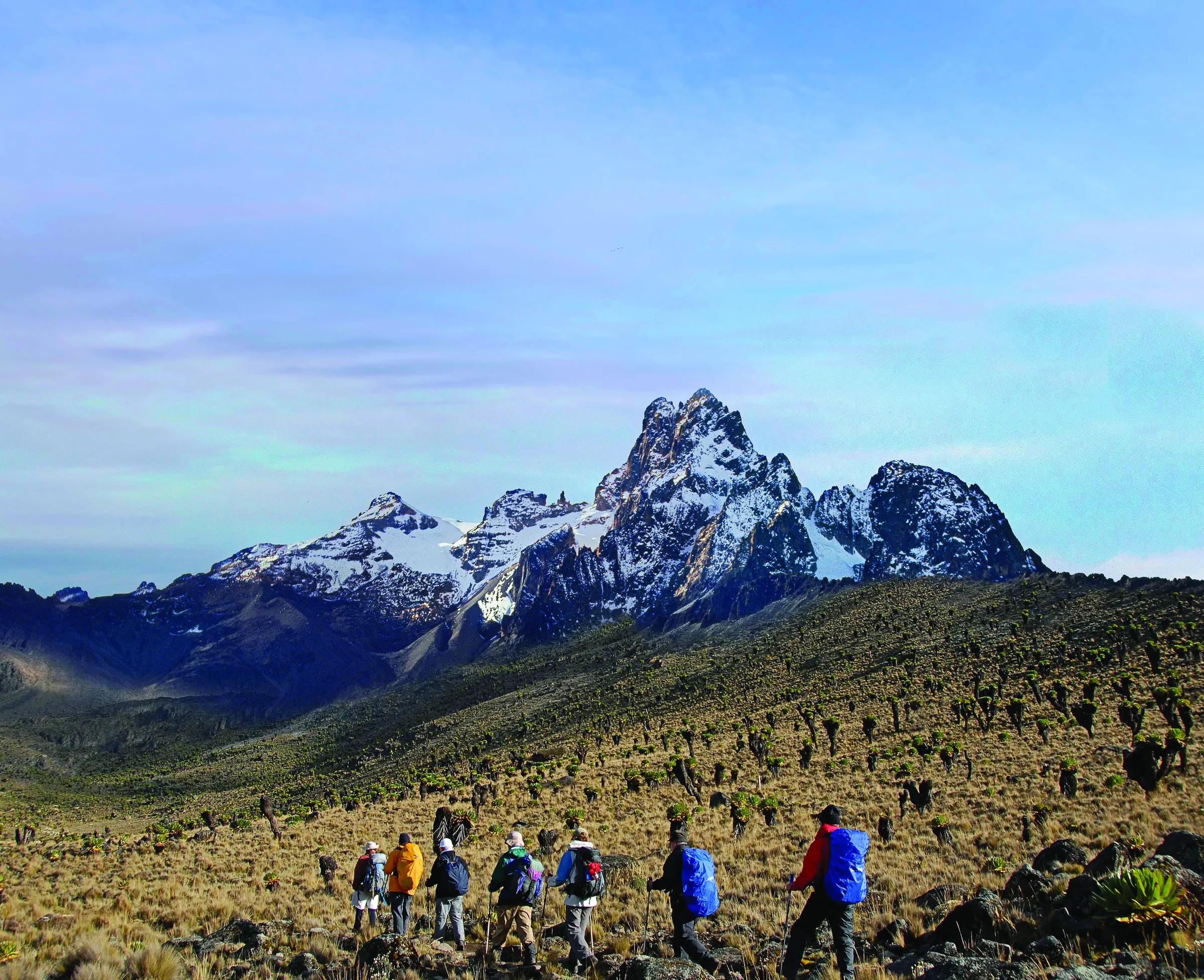
The Tharaka, who call themselves Atharaka, live in the semi-arid lowlands east of Mount Kenya along the upper Tana River, in Tharaka-Nithi County. The 2019 census counted 220,015 Tharaka.
Language
Kĩtharaka is a Central Bantu language close to the Tigania dialect of Meru and to Kamba. The Tharaka are often listed as one of the nine Meru sections, but the census counts them separately, and scholars dispute whether they are a section or a separate people.
Culture
The Tharaka kept the office of the Mũgwe, a hereditary ritual leader, longest of all: of the Meru sections that once had one, theirs was the last still serving. They are known for millet farming, beekeeping and goat herding, and they have a regional reputation for herbal medicine.
Today
Like most Kenyans today, many Tharaka are Christian and speak Swahili and English alongside Kĩtharaka.
Sources
From The Peoples of Kenya: An Ethnographic Reference (Kenya Experience, November 2026), a synthesis of published sources. Practices described as traditional are historical baselines; today most Kenyans are Christian or Muslim, live in or near towns and speak Swahili and English. Spot something to correct? Write to kibetck@kenyaexperience.org.