Homeland
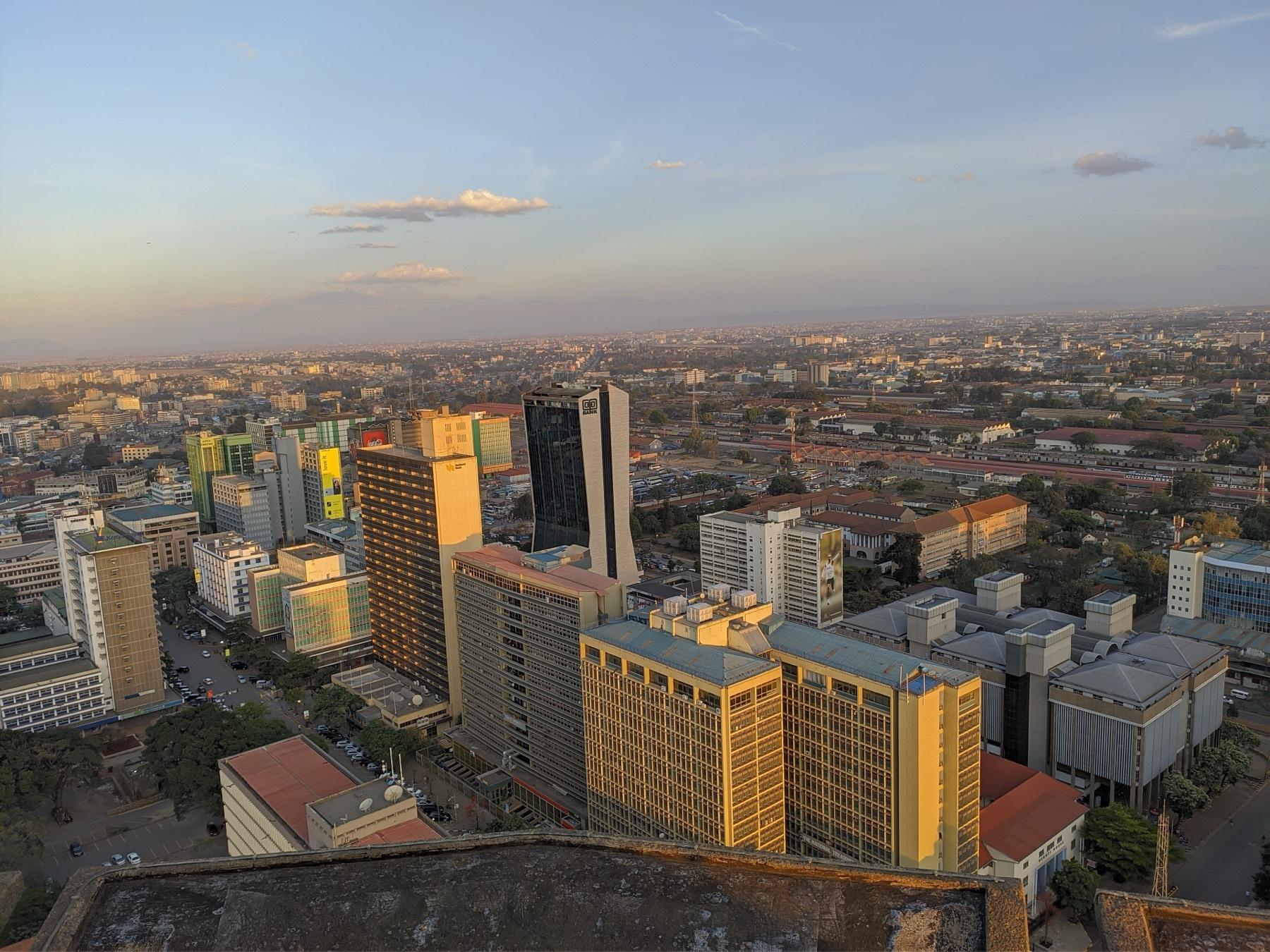
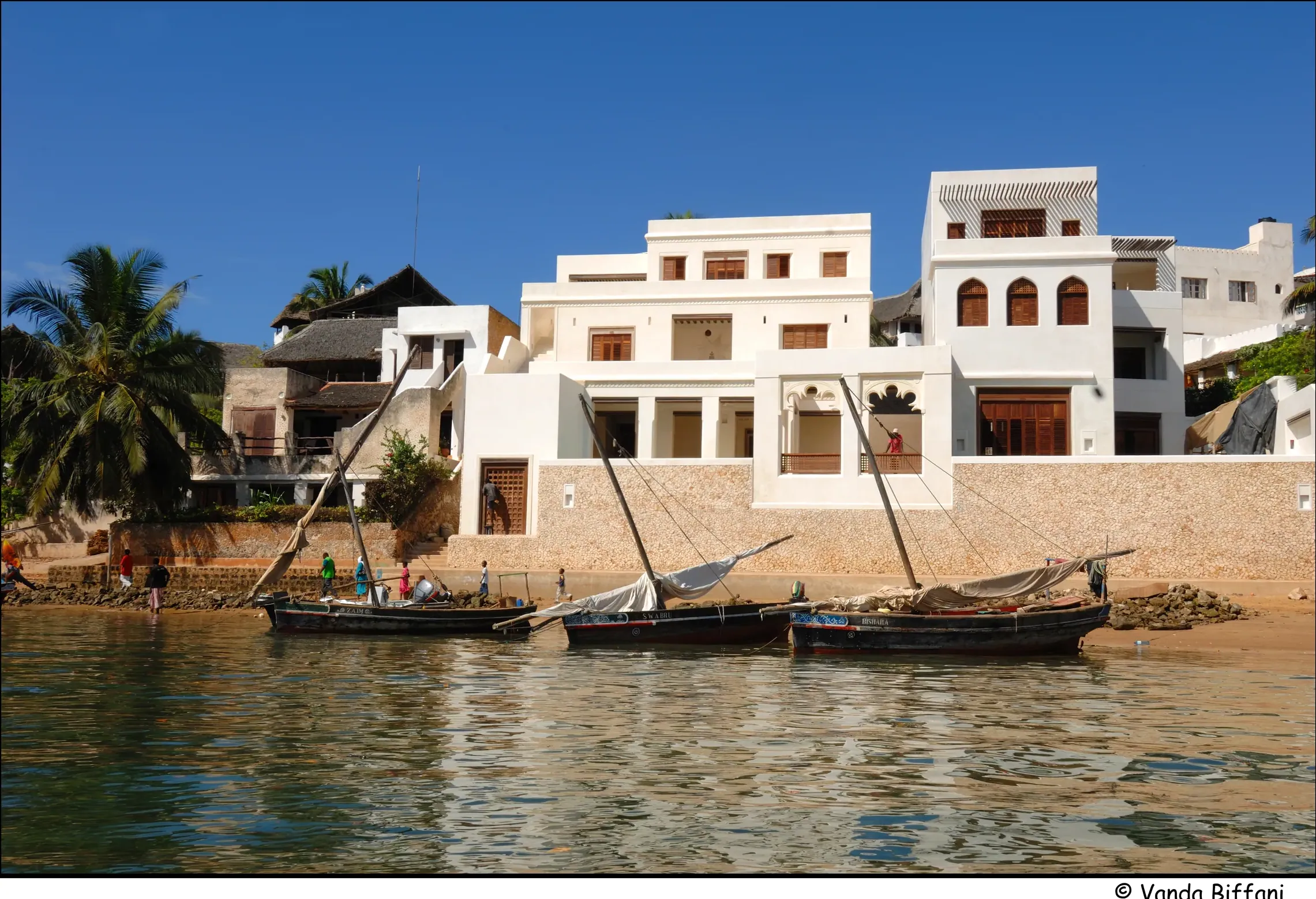
Kenyan Arabs are families of Omani and Hadhrami (Yemeni) origin settled in the coastal towns of Mombasa, Malindi and Lamu, many of them for centuries. Their main home counties are Mombasa, Lamu and Kilifi.
Society, belief and livelihood
Kenyan Arabs are Muslim and were traditionally traders. Their families are closely intermarried with the Swahili, and locally they are called Washihiri.
Today
The 2019 census counted 59,021 Kenyan Arabs, grouping them in the Semitic language family. Like most Kenyans today, they are multilingual, and Swahili is spoken across the coast.
Experience it with respect
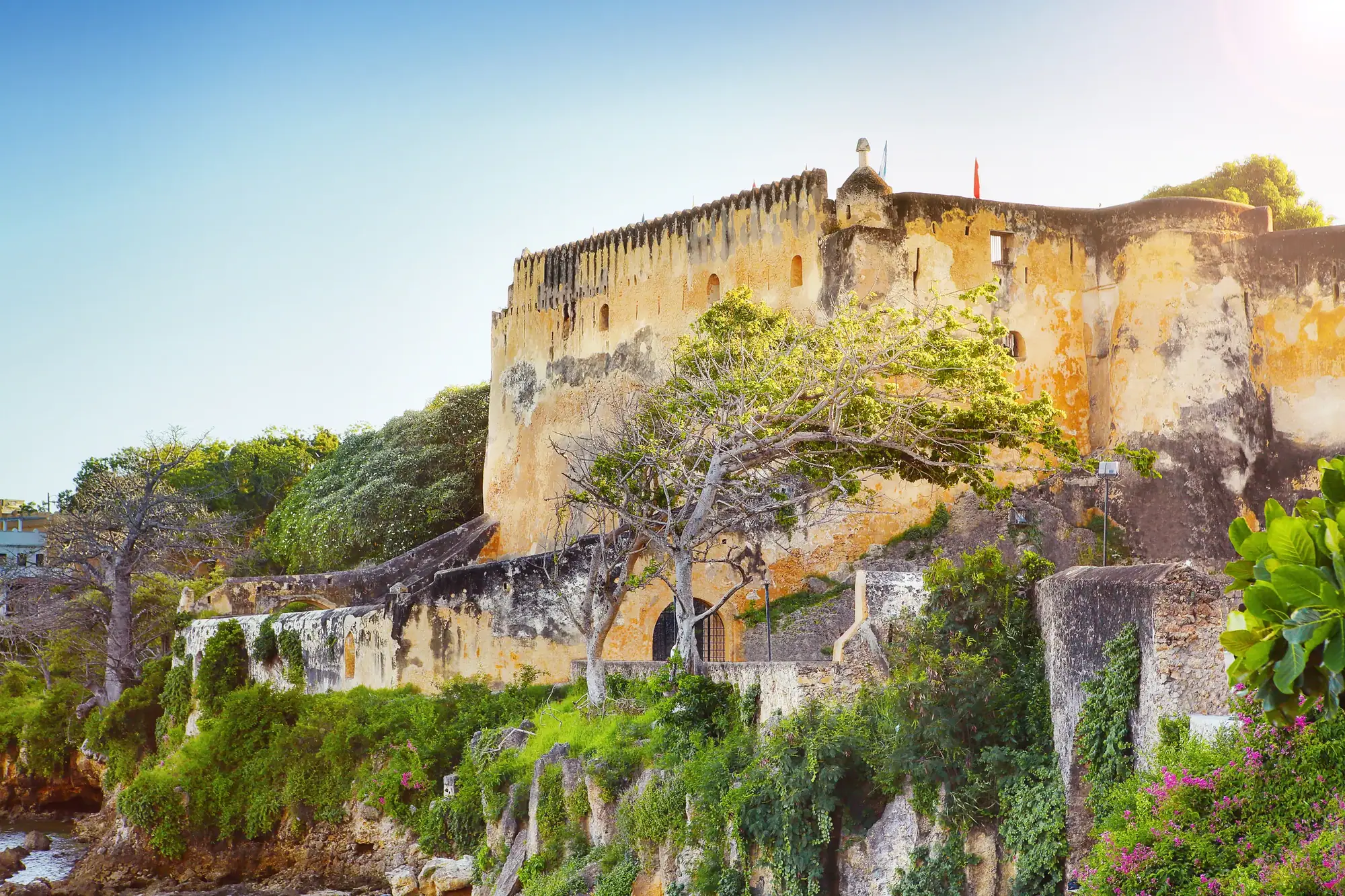
Many Kenyan Arab families have lived for centuries in Mombasa and Lamu. Mombasa's Old Town is best explored on foot with a paid local guide; for Lamu, we follow current U.S. travel advice. We dress modestly, ask before photographing anyone, and keep to the lanes and sites our hosts open to visitors.
Further reading
- Knowing Ethnicity: Politics, Classification and Pluralism in Kenya, Samantha Balaton-Chrimes (2026)
Sources
- Talk Africa: census distribution of Kenya's ethnic communities
- Business Radar: 2019 census by community
From The Peoples of Kenya: An Ethnographic Reference (Kenya Experience, November 2026), a synthesis of published sources. Practices described as traditional are historical baselines; today most Kenyans are Christian or Muslim, live in or near towns and speak Swahili and English. Spot something to correct? Write to kibetck@kenyaexperience.org.