KENYA EXPERIENCE
Plan your trip
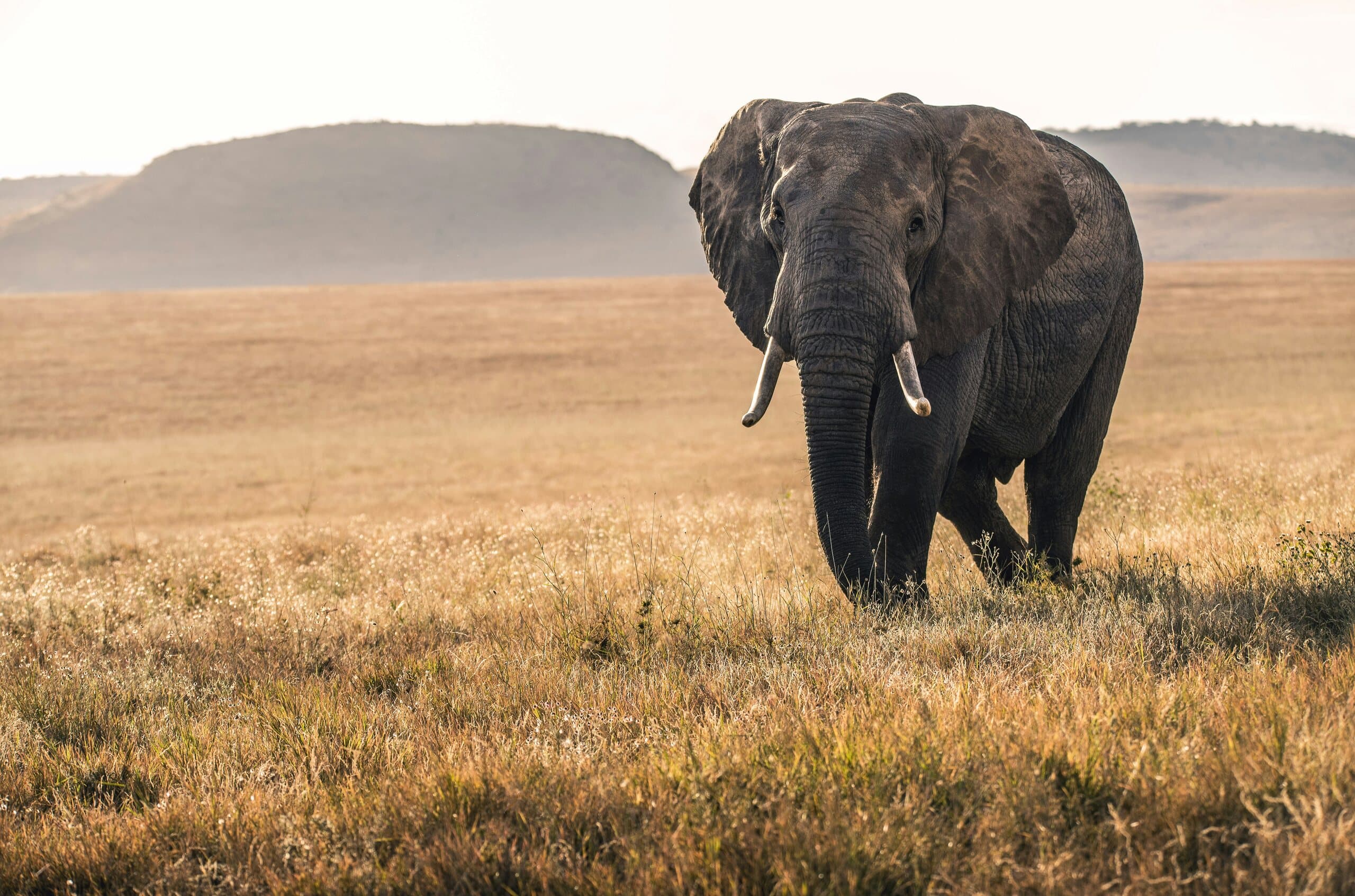
A bull elephant on open savanna with a mountain behind

The Burji

Farmers and traders of Marsabit and Moyale, who came from southern Ethiopia over a century ago.

Homeland

The Burji live in Marsabit and Moyale towns. The 2019 census counted 36,938 people.

Origins

The Burji are Highland East Cushitic farmers from southern Ethiopia. They came to Marsabit at the turn of the twentieth century to grow food for the colonial station.
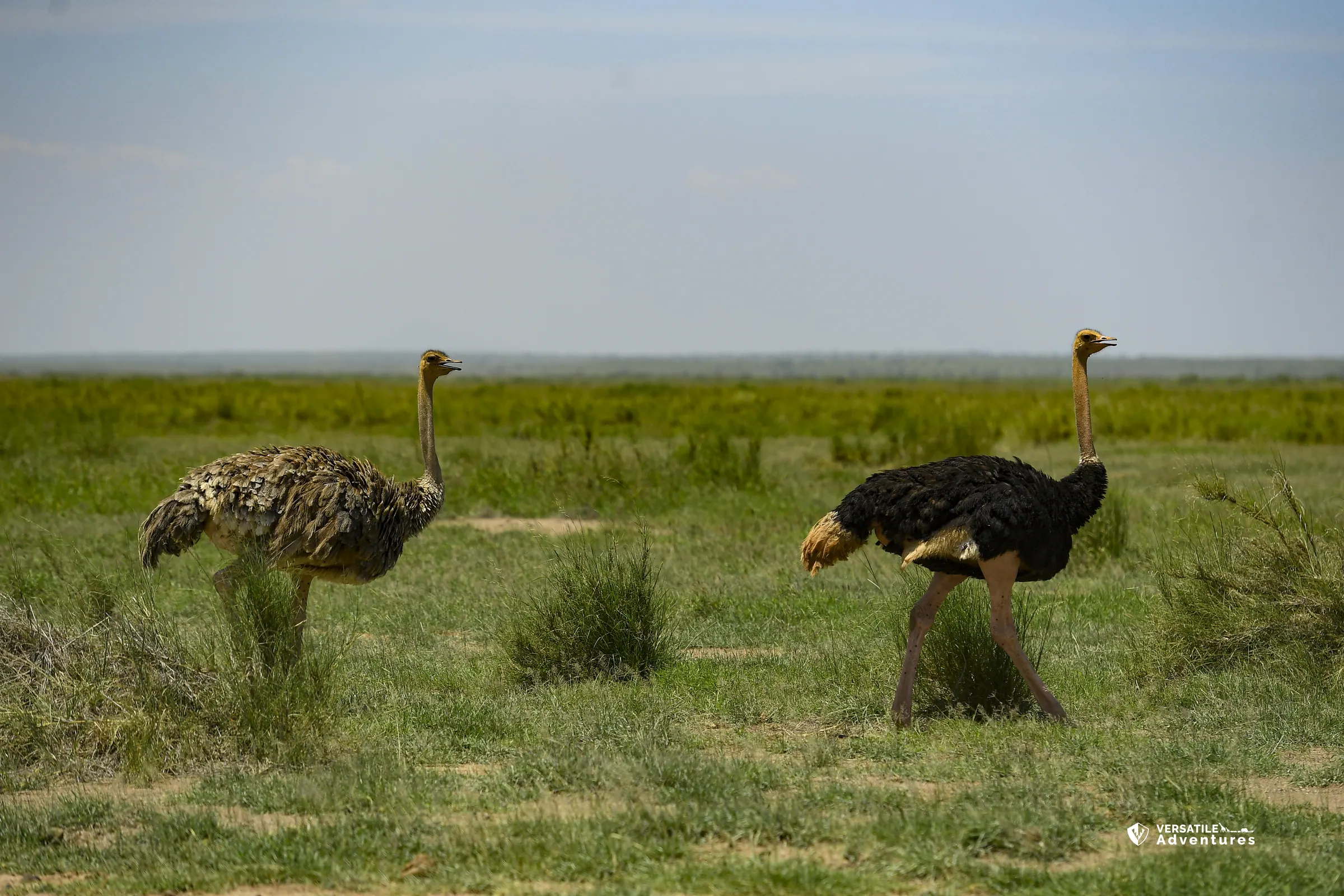
Ostriches on the green plains
Marsabit County.

Today

The Burji now play a leading role in farming and trade in Marsabit.

Sources

From The Peoples of Kenya: An Ethnographic Reference (Kenya Experience, November 2026), a synthesis of published sources. Practices described as traditional are historical baselines; today most Kenyans are Christian or Muslim, live in or near towns and speak Swahili and English. Spot something to correct? Write to kibetck@kenyaexperience.org.
Common questions

Where do the Burji live in Kenya?

In Marsabit and Moyale towns in Marsabit County.

Where did the Burji come from?

From southern Ethiopia. They came to Marsabit at the turn of the twentieth century to grow food for the colonial station.

How do you greet someone in Burji?

No verified Burji greeting has been recorded for this page. Swahili works everywhere in Kenya: Habari? answered Nzuri, or Hujambo? answered Sijambo.

Umoja

Umoja means unity.

More than forty peoples, one Kenya

Kenya's many communities, languages and traditions are one of its great strengths, and the reason no two days of a Kenya trip feel the same. Meet them through hosts, guides and neighbors on a trip planned by Kenyans.

Related peoples

All of Kenya's peoples