Homeland
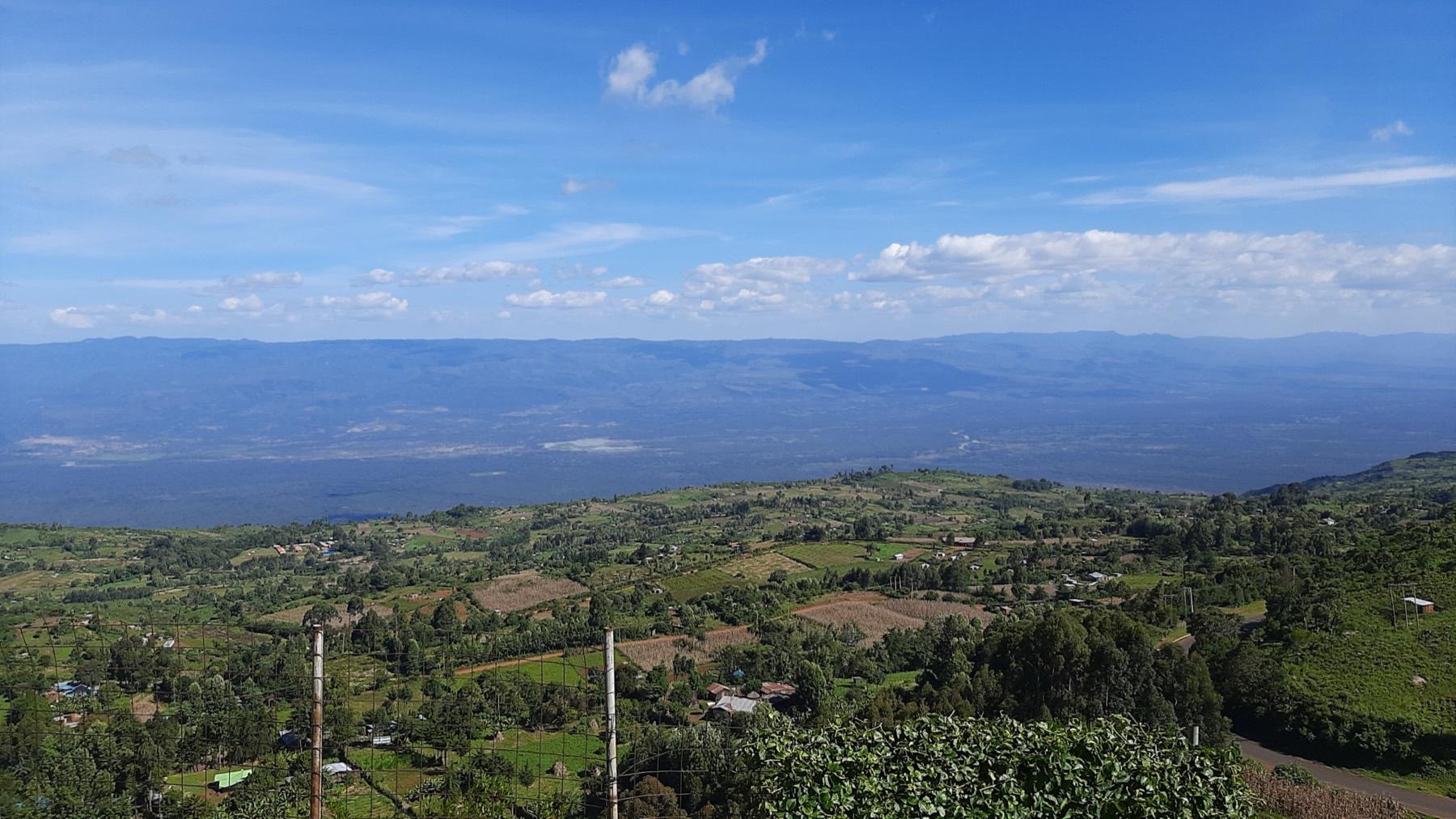
The Turkana live in Turkana County in Kenya's arid north-west, between Lake Turkana and the Ugandan escarpment. The 2019 census counted 1,016,174 Turkana.
Language
Ngaturkana is an Eastern Nilotic language of the Ateker group, whose speakers include the Iteso of Kenya and the Karimojong and Jie of Uganda.
Origins
The Turkana trace themselves to the Jie of Uganda. In the founding story a Jie woman, Nayece, followed a grey bull down the escarpment and settled in the plains.
Society
The Turkana have two major divisions, Ngimonia and Ngichuro, subdivided into territorial sections. Every man belongs to one of two alternating generation groups, the Stones and the Leopards.
Rites of passage
The Turkana do not circumcise. Manhood is conferred by asapan, in which the initiate spears an ox.
Belief
Akuj, the sky god, gives or withholds rain. Diviners (emuron, plural ngimurok) interpret his will through dreams, thrown sandals or animal entrails, and the most powerful are the "dreamers". Traditional belief remains strong here.
Livelihood
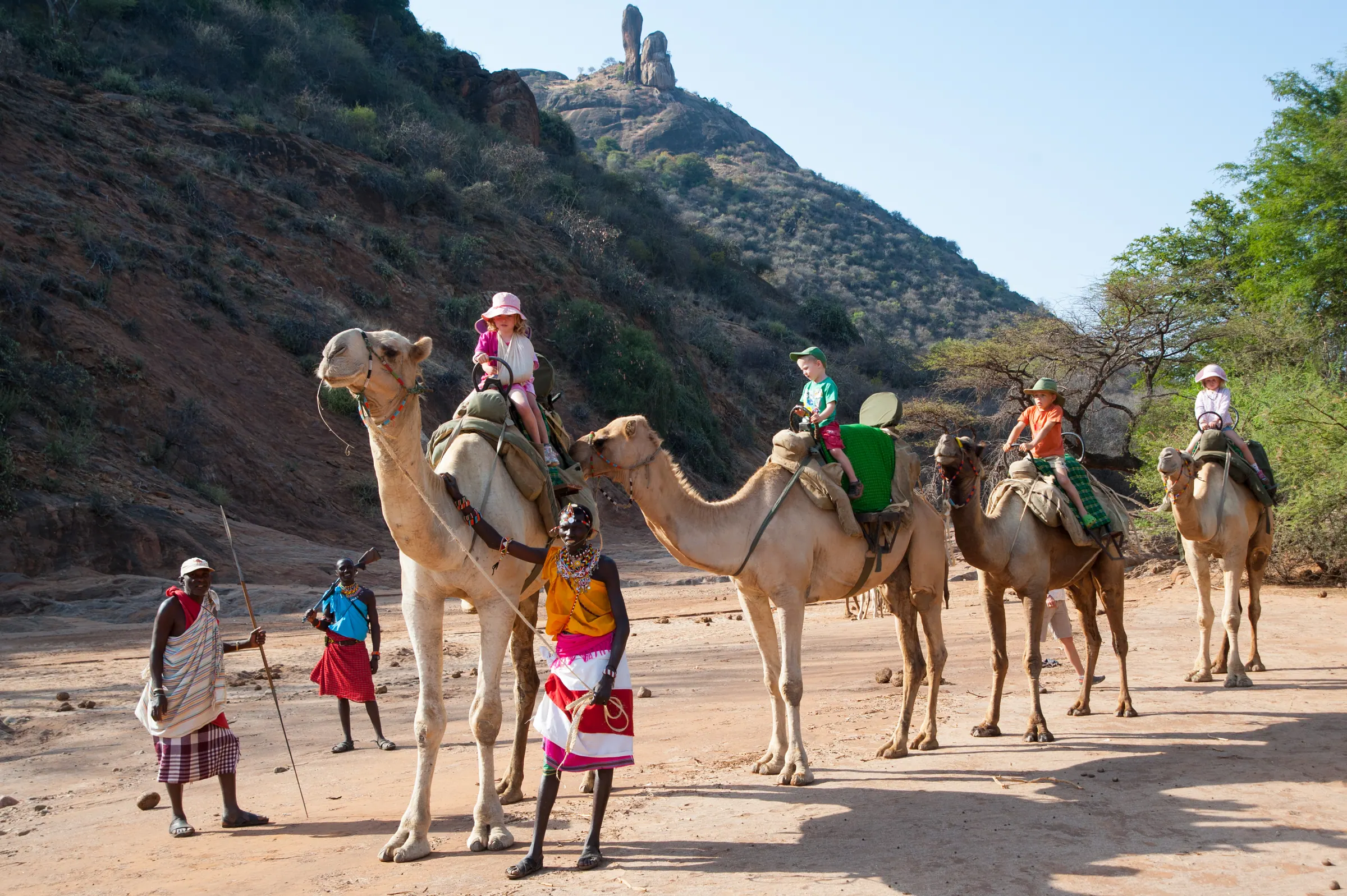
The Turkana are nomadic herders of camels, zebu cattle, goats, sheep and donkeys, and some fish on Lake Turkana. Raiding among herding communities of the region, including the Pokot and Toposa, remains a serious security problem.
Arts and dress
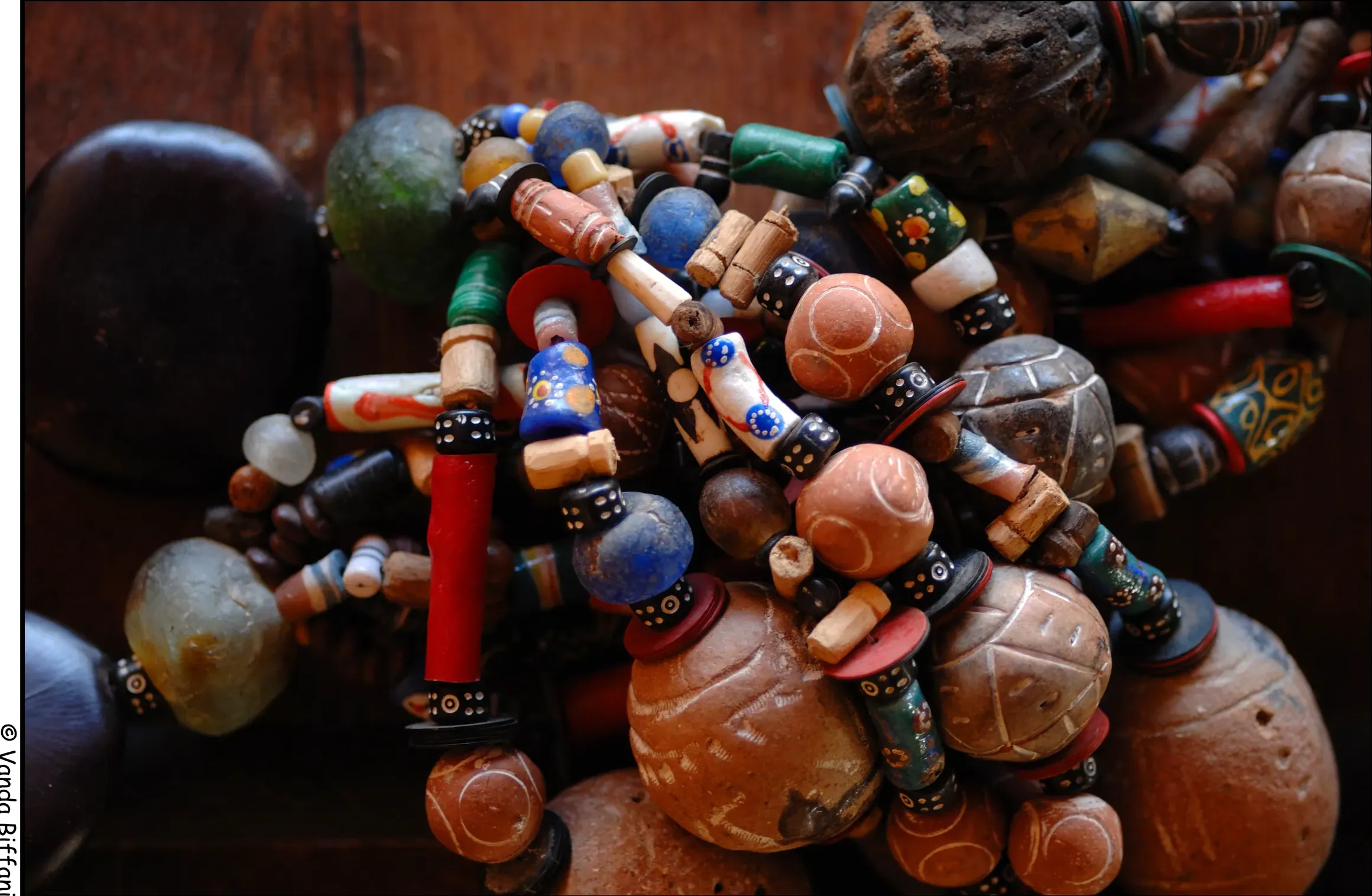
Women wear stacked bead collars, and men traditionally wore clay-plastered hair caps with ostrich feathers and wrist knives. The small carved stool doubles as a headrest.
History
The Turkana were the last large Kenyan community brought under colonial control, in 1926. Oil was found in the Lokichar basin in 2012.
Today
The Tobong'u Lore festival ("welcome home"), held in Lodwar, gathers Ateker peoples from Kenya, Uganda, South Sudan and Ethiopia.
Sources
From The Peoples of Kenya: An Ethnographic Reference (Kenya Experience, November 2026), a synthesis of published sources. Practices described as traditional are historical baselines; today most Kenyans are Christian or Muslim, live in or near towns and speak Swahili and English. Spot something to correct? Write to kibetck@kenyaexperience.org.