KENYA EXPERIENCE
Plan your trip
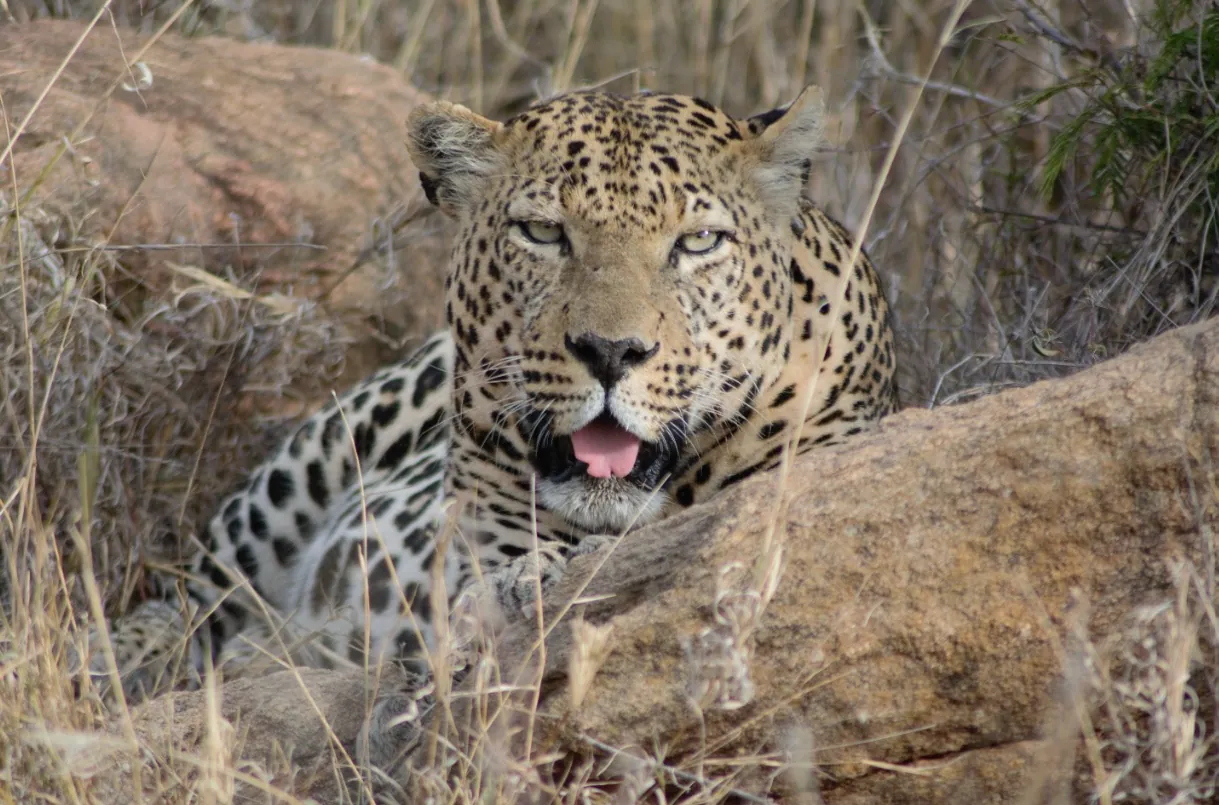
A leopard resting on a rock in Laikipia

The Yaaku

Hunter-gatherers and beekeepers of Mukogodo Forest in Laikipia, reviving a nearly lost language.

Homeland

The Yaaku live in Mukogodo Forest near Dol Dol in Laikipia County. They are not separately counted in the census.

History

The Yaaku were hunter-gatherers and beekeepers who adopted Maasai language, herding and identity in the early twentieth century. Lee Cronk's From Mukogodo to Maasai (2004) documents the shift.
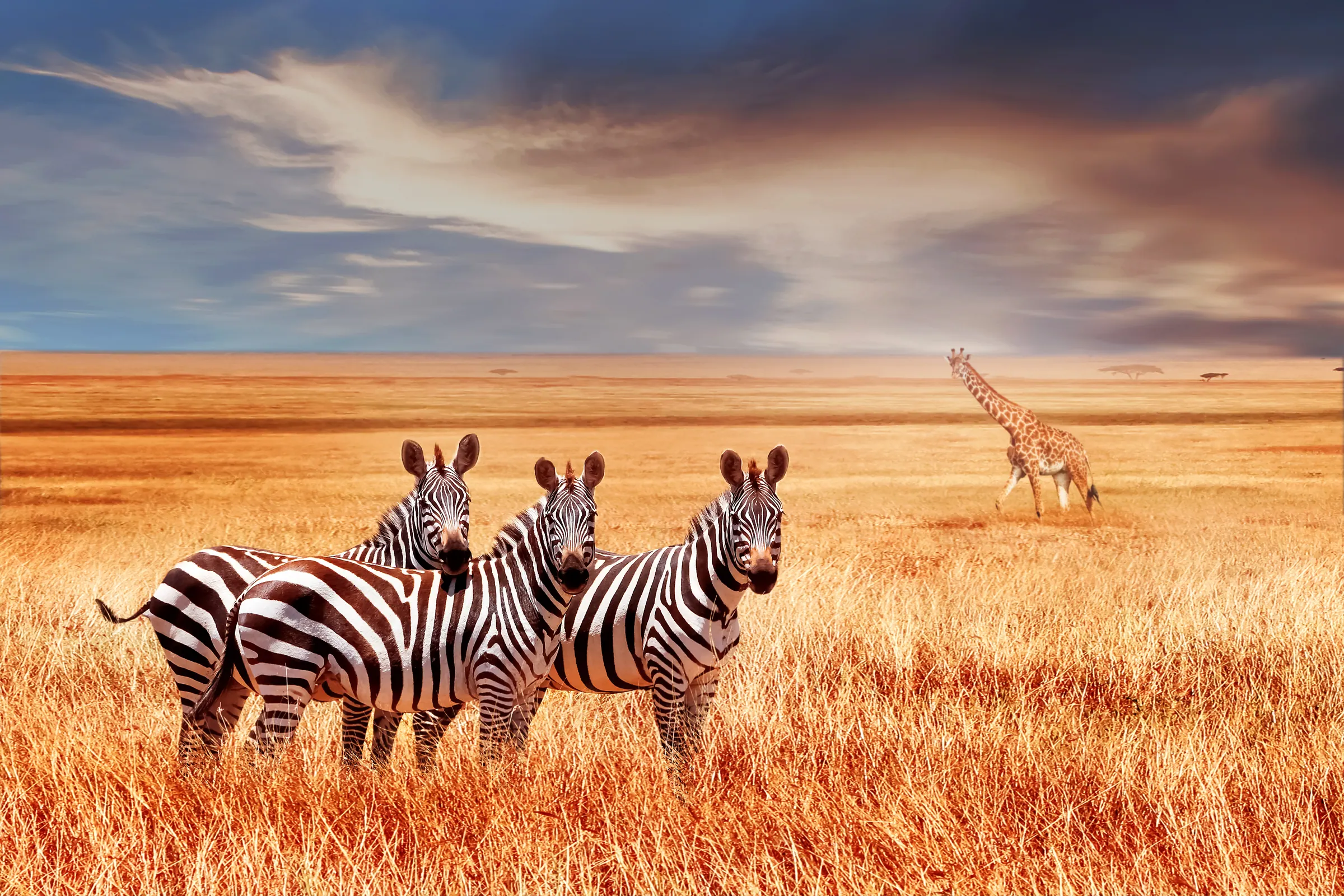
Three zebras in golden grass
Laikipia County.

Language

The Yaaku language is nearly extinct, and elders have led an effort to revive it.

Further reading

  • From Mukogodo to Maasai, Lee Cronk (2004)

Sources

From The Peoples of Kenya: An Ethnographic Reference (Kenya Experience, November 2026), a synthesis of published sources. Practices described as traditional are historical baselines; today most Kenyans are Christian or Muslim, live in or near towns and speak Swahili and English. Spot something to correct? Write to kibetck@kenyaexperience.org.
Common questions

Where do the Yaaku live?

In Mukogodo Forest near Dol Dol in Laikipia County.

What language do the Yaaku speak?

Maa, which the community adopted in the early twentieth century. The Yaaku language is nearly extinct, and elders have led a revival effort.

Are the Yaaku Maasai?

The Yaaku adopted Maasai language, herding and identity in the early twentieth century, and the community is known today by its own name, Yaaku.

Umoja

Umoja means unity.

More than forty peoples, one Kenya

Kenya's many communities, languages and traditions are one of its great strengths, and the reason no two days of a Kenya trip feel the same. Meet them through hosts, guides and neighbors on a trip planned by Kenyans.

Related peoples

All of Kenya's peoples