History. Updated November 2026. 5 min read.
Ask a Kenyan where the word duka, shop, comes from and most will not know that it is borrowed from Hindustani. That one word tells a story: for well over a century, the shop at the crossroads in a Kenyan town was very often run by a family from Gujarat or Punjab, and those families helped build the country's trade, its first newspapers, its labour unions and its independence movement.
Kenyans of Asian heritage descend from two groups. Indian Ocean merchants had traded on the Swahili coast for centuries. Then, between 1896 and 1901, about 32,000 indentured workers came from British India to build the Uganda Railway; about 2,500 died, and about 6,700 stayed. Traders followed the line inland and opened shops in every new town. After independence many left, and the community shrank from 176,613 in 1962 to under 50,000 citizens by 2019. In July 2017 the government recognised Kenyan Asians as the country's 44th tribe. Our peoples page covers faiths, languages and the recognition debate; this page is the history, and the places you can see it.
Timeline
| Date | What happened |
|---|---|
| Centuries before 1800 | Gujarati and Kutchi merchants trade and lend money on the Swahili coast |
| 1896 to 1901 | About 32,000 indentured workers from British India build the Uganda Railway |
| 1899 onward | Indian traders open shops along the line; Nairobi's Indian bazaar grows |
| 1902 | A. M. Jeevanjee founds the newspaper that became The Standard |
| 1906 | Jeevanjee gives Nairobi the gardens that bear his name |
| 1923 | The Devonshire White Paper rejects equal rights for Indians and declares African interests paramount |
| 1935 | Makhan Singh begins organising a labour union open to workers of all races |
| 1950 | Makhan Singh and Fred Kubai call publicly for full independence; Singh is detained until 1961 |
| 1962 | The census counts 176,613 Asians |
| February 24, 1965 | Pio Gama Pinto is assassinated in Nairobi |
| 1967 to 1968 | Trade and immigration laws and Britain's new restrictions force hard choices; thousands leave |
| July 2017 | Kenyan Asians are gazetted as Kenya's 44th tribe |

Before the railway
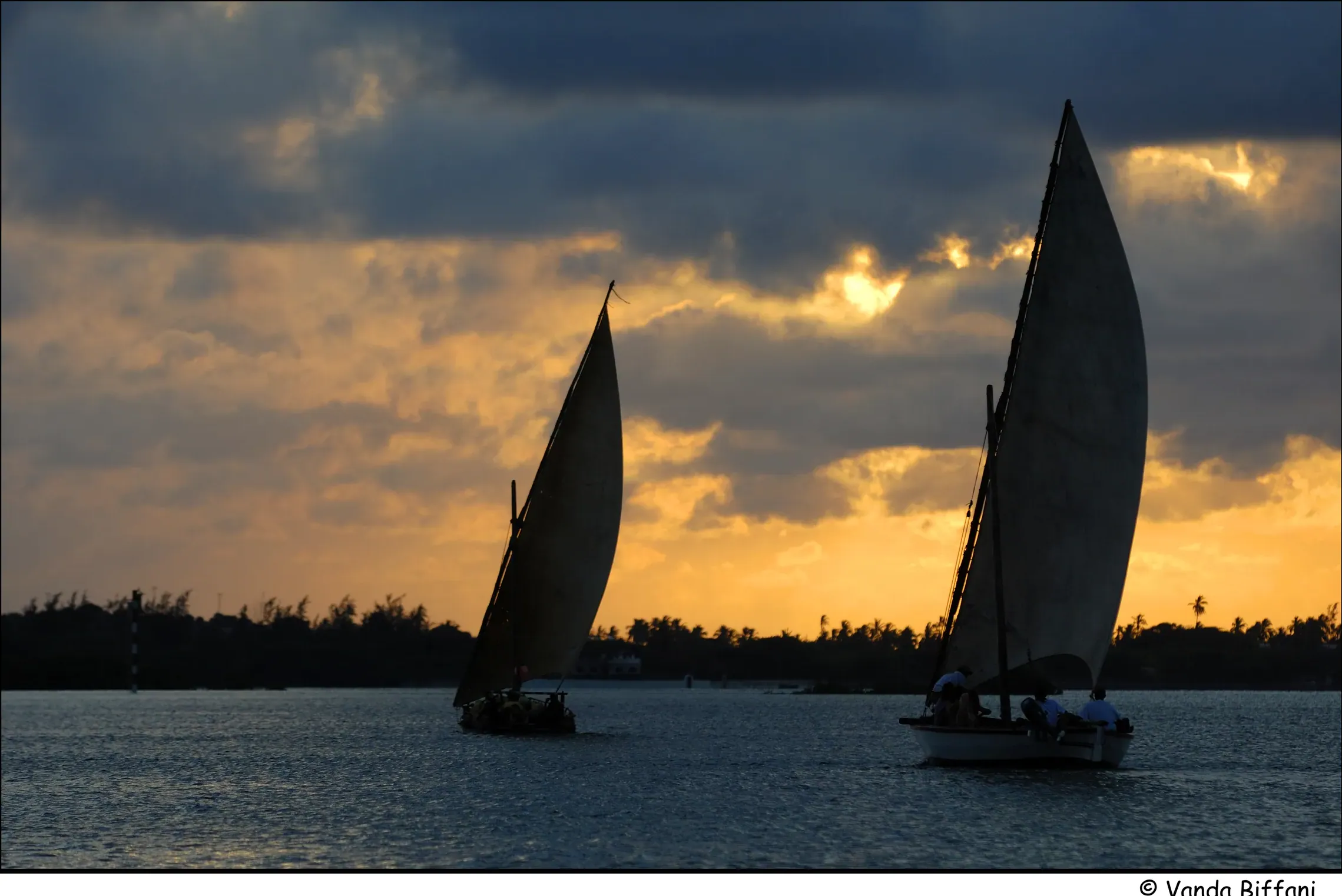
Indian merchants were on the Kenyan coast long before the British. Gujarati and Kutchi traders financed dhow voyages, lent money to caravan leaders and ran customs for the Sultans of Zanzibar. Vasco da Gama's crew noted Indian ships at Malindi in 1498. Mombasa's Old Town still has Indian-style carved doors with brass studs, Bohra and Ismaili mosques, and Hindu temples tucked between Swahili houses.
The railway workers
When the British began the Uganda Railway in 1896, they turned to British India for labour. About 32,000 men, many from Punjab, signed contracts as indentured workers, laying track from Mombasa to Lake Victoria through heat, disease and, at Tsavo, lions. About 2,500 of them died. Most went home when their contracts ended, but about 6,700 stayed. The engineering and the lions are on our Uganda Railway page; the people who stayed are the subject here.

The dukawallahs
Behind the railway came traders, many of them Gujarati, who opened dukas in every station town and then far beyond it, selling cloth, salt, sugar, paraffin and tools and buying produce. They brought the cash economy to much of the interior, and the dukawallah, the shopkeeper, became a fixture of Kenyan life. One of the best known was Allidina Visram, an Ismaili trader whose network of shops stretched from the coast to Uganda; his name lives on in a Mombasa school. In Nairobi, the Indian bazaar grew around today's Biashara Street, and after a plague outbreak in the early 1900s officials burned parts of it, a sign of how precarious the community's position was.
The Indian question
By the 1920s Indians outnumbered Europeans in Kenya and demanded equal rights: the vote on a common roll, the right to buy land in the highlands, an end to segregation. Settlers fought back hard. The British government's answer, the Devonshire White Paper of 1923, refused equal rights for Indians and declared that African interests were paramount, a phrase that later helped African nationalists, though it was not meant as a promise.
In the struggle for independence
Asian Kenyans played a larger part in the independence movement than most visitors realise. A. M. Jeevanjee, a Bohra merchant, founded a newspaper in 1902 that became The Standard and gave Nairobi Jeevanjee Gardens. Makhan Singh, a Sikh trade unionist, built unions that crossed racial lines, and in 1950, with Fred Kubai, was among the first to call publicly for complete independence; he was then detained without trial for eleven years. Lawyers including A. R. Kapila and Fitz de Souza defended the Kapenguria Six. Pio Gama Pinto, a Goan Kenyan journalist and organiser, was detained during the Emergency, became a member of parliament after independence, and in February 1965 was shot dead outside his Nairobi home, Kenya's first political assassination.
The exodus and after
Independence brought hard choices. Many Asians held British passports rather than Kenyan citizenship. Kenya's trade and immigration laws of 1967 restricted non-citizens in business, and in 1968 Britain passed a law limiting the entry of its own Asian passport holders. Thousands left for Britain, Canada and India over the next decade. Those who stayed took Kenyan citizenship and built much of Kenya's manufacturing, retail and professional life. In July 2017 President Uhuru Kenyatta gazetted Kenyans of Asian heritage as the country's 44th tribe, a recognition some in the community welcomed and others thought unnecessary.
Where to see this history
- Jeevanjee Gardens, Nairobi: the gardens Jeevanjee gave the city in 1906, with the Queen Victoria statue unveiled that year
- Biashara Street and the old bazaar, Nairobi: textile shops and family businesses in the streets of the first Indian bazaar
- Parklands and Ngara, Nairobi: temples, gurdwaras and the Diamond Plaza food court, the best place in the city for Indian street food
- The Makindu Sikh Temple, on the Nairobi to Mombasa road: a gurdwara with roots in the railway era, where travellers of any faith are offered a free meal; cover your head and remove your shoes
- Mombasa Old Town: Indian-style doors, the Jain temple, Hindu temples and Bohra mosques
- The Nairobi Railway Museum: the railway the workers built, beside the main station
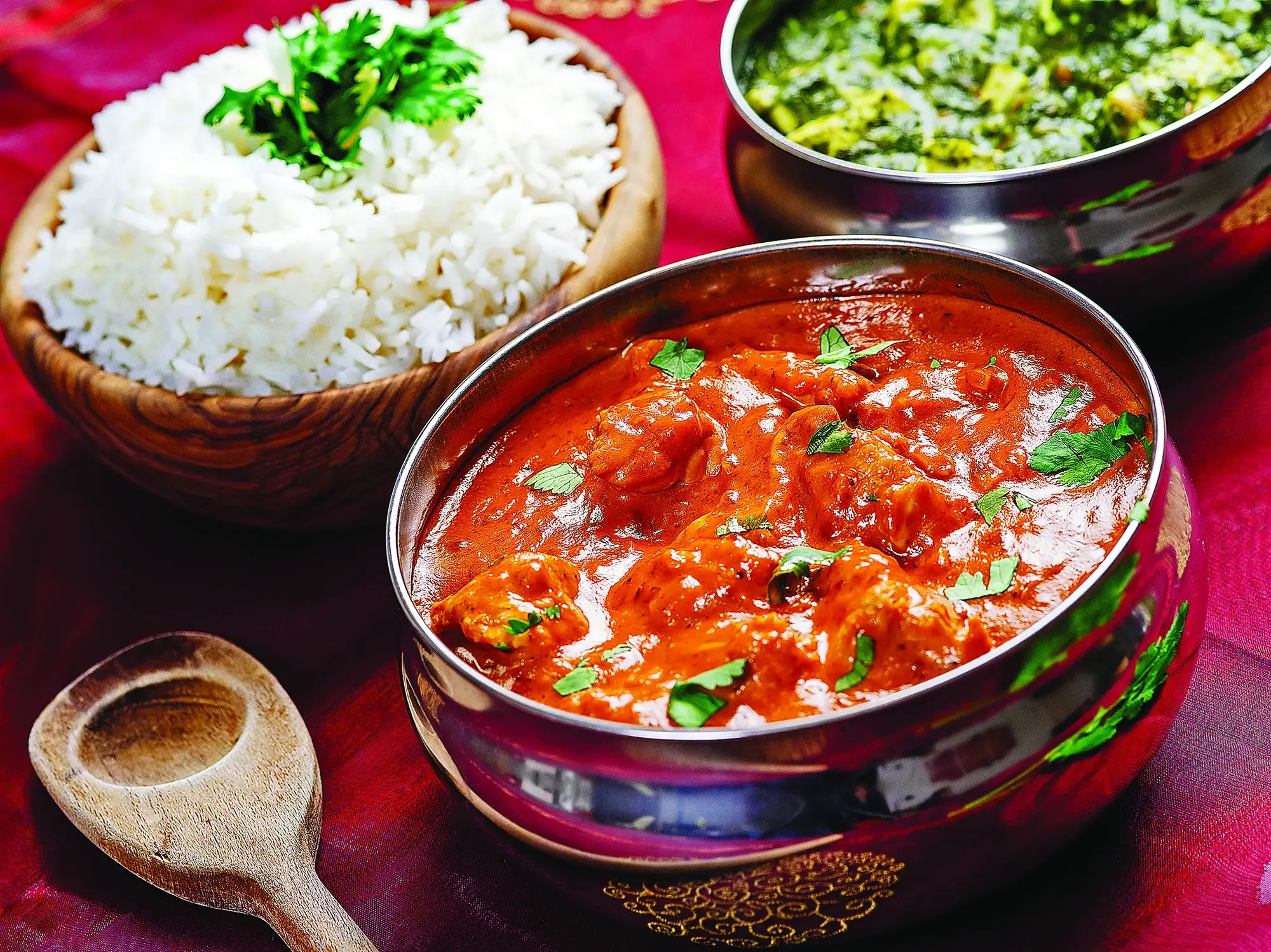
Visitors are welcome at most temples and gurdwaras outside prayer times. Dress modestly, remove your shoes, and ask before taking photographs. For the food, from bhajias and samosas to Mombasa's coastal biryani, see our page on Kenyan Indian food; a food walk through Parklands makes a good evening in Nairobi.