Wildlife. Updated November 2026. 5 min read.
Put your face in the water at Kisite-Mpunguti, off Wasini Island, and the first thing you notice is the noise: the crunch of parrotfish biting coral. Then the colors: a cloud of blue and yellow fusiliers, a Moorish idol trailing its long fin, a pair of butterflyfish, an octopus changing color on a ledge. Kenya's reef is not the Caribbean or the Red Sea. It is the western Indian Ocean, with its own cast, and it starts a few meters from the beach.
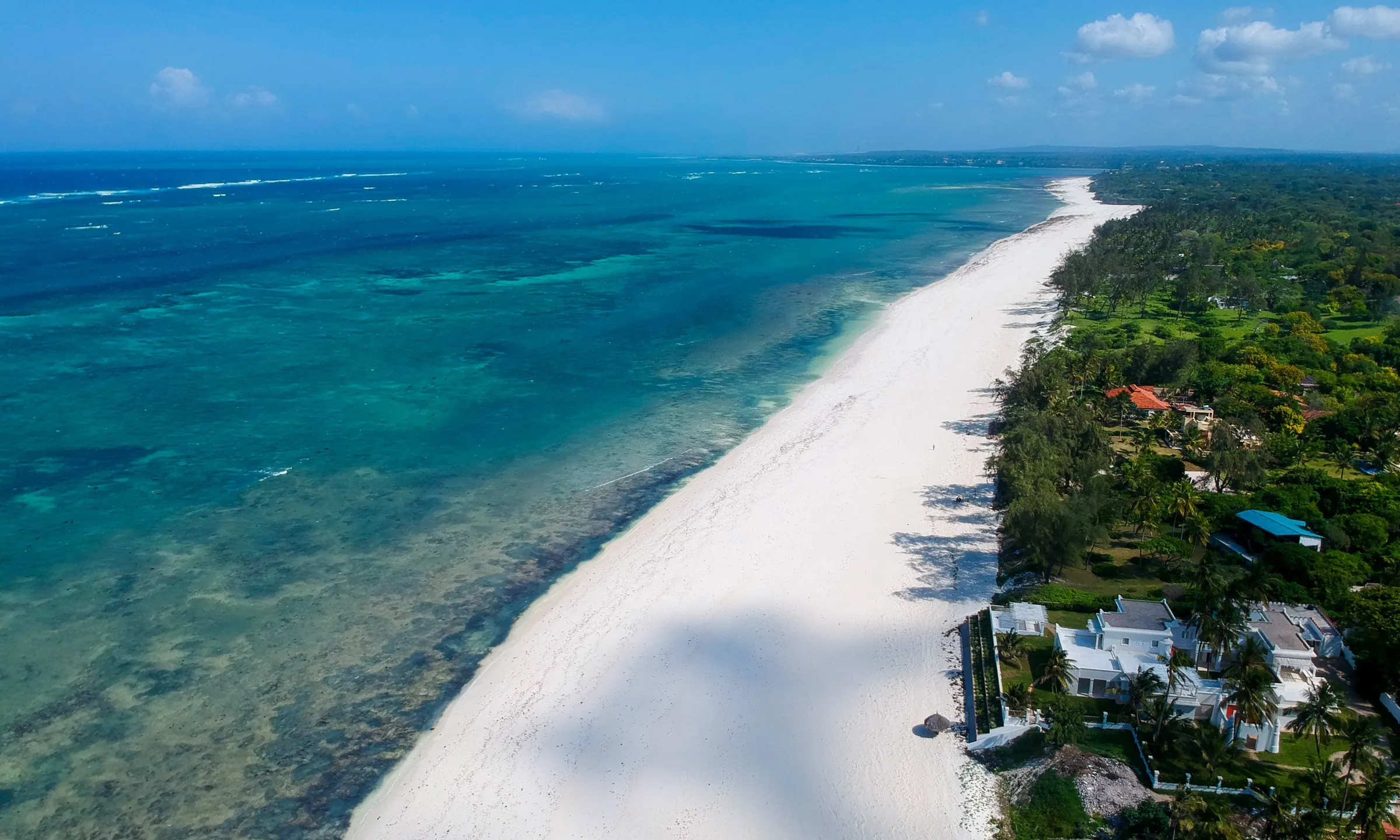
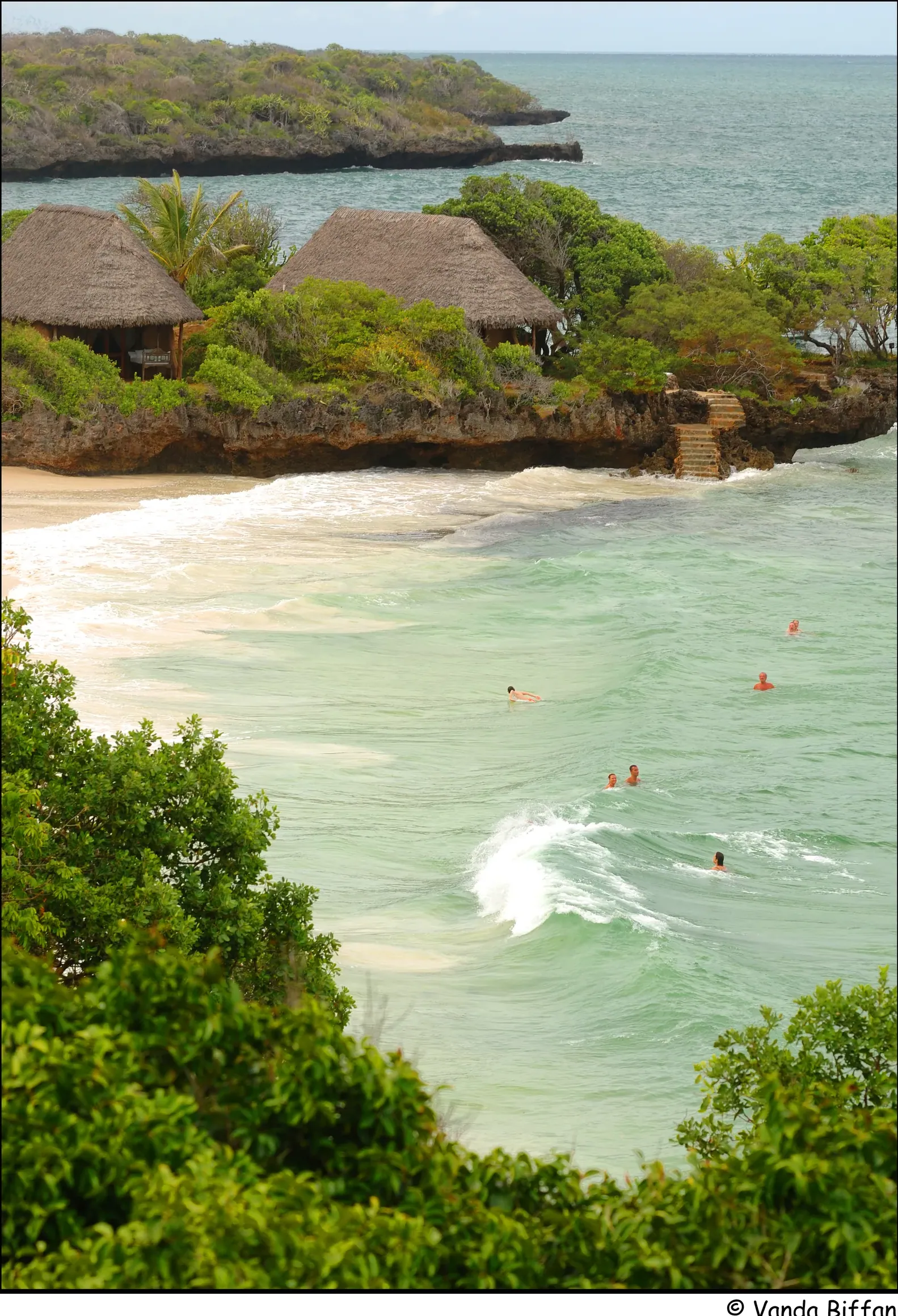
A fringing coral reef runs along much of Kenya's coast from the Tanzania border to Lamu, protected in marine parks and reserves at Kisite-Mpunguti, Diani-Chale, Mombasa, Watamu, Malindi and Kiunga. On an ordinary snorkel trip you will see reef fish, rays, sea stars and often turtles and dolphins. Whale sharks visit around the turn of the year and humpback whales in the middle of it. One animal you will almost certainly not see is the dugong, which is close to vanishing from Kenyan waters. For calm seas and clear water, the best months are roughly October to March.
What lives where
| Habitat | Where | What you see |
|---|---|---|
| Fringing reef and lagoon | Diani, Watamu, Malindi, Mombasa's north coast | Reef fish, sea urchins, sea stars and octopus; tide pools at low tide |
| Offshore coral gardens | Kisite-Mpunguti, Watamu and Malindi marine parks | The richest snorkeling: corals, big shoals, turtles and rays |
| Seagrass beds | Lagoons along the coast, the Lamu archipelago and Kiunga | Green turtles grazing, seahorses and the last dugongs |
| Mangrove creeks | Mida Creek, Gazi Bay, the Lamu channel | Young fish, crabs, waders and kingfishers |
| Open ocean | The Pemba Channel off Shimoni, deep water off Watamu | Dolphins, humpback whales, whale sharks, manta rays and sailfish |
Dugongs: the honest line
The dugong, nguva in Kiswahili, is a slow, gentle sea cow that grazes on seagrass, a cousin of the manatee and, more distantly, of the elephant. It lies behind many coastal stories of mermaids. Dugongs once lived along much of the Kenyan coast. Today they are very nearly gone. Surveys in recent decades have found only a handful, mostly in the far north around the Lamu archipelago and Kiunga, with occasional reports in the south near Shimoni and Vanga, close to the Tanzania border. In 2022 the IUCN assessed the East African dugong population as Critically Endangered. The main causes are drowning in fishing nets, past hunting, and the loss of seagrass to sediment, pollution and boat damage.
So we will not sell you a dugong trip. If you are lucky enough to see one, note the place and time and report it to the Kenya Wildlife Service; every record helps. Much of the far north of Lamu County, where Kiunga lies, also falls under government travel warnings at the time of writing, so check the current advice before planning anything there.
Reef fish, rays and the rest
- Parrotfish: big, bright, beaked fish that crunch dead coral and turn it into fine white sand.
- Butterflyfish and angelfish: flat and colorful, usually in pairs over the coral.
- Moorish idol: black, white and yellow, with a long trailing fin on its back.
- Anemonefish: the clownfish, living among the stinging tentacles of sea anemones in the marine parks.
- Lionfish: slow, frilly and venomous; look, but never touch.
- Moray eels: heads out of crevices, mouths opening and closing to breathe, not to threaten.
- Rays: blue-spotted stingrays half buried in lagoon sand, eagle rays flying over the reef and, offshore, manta rays in the Pemba Channel.
- Octopus, pweza in Kiswahili: masters of camouflage on the reef flats at low tide, and a favorite in coastal kitchens.
- Sea urchins, sea stars, sea cucumbers and brittle stars in the tide pools at Diani and Watamu.
Turtles, dolphins and whales
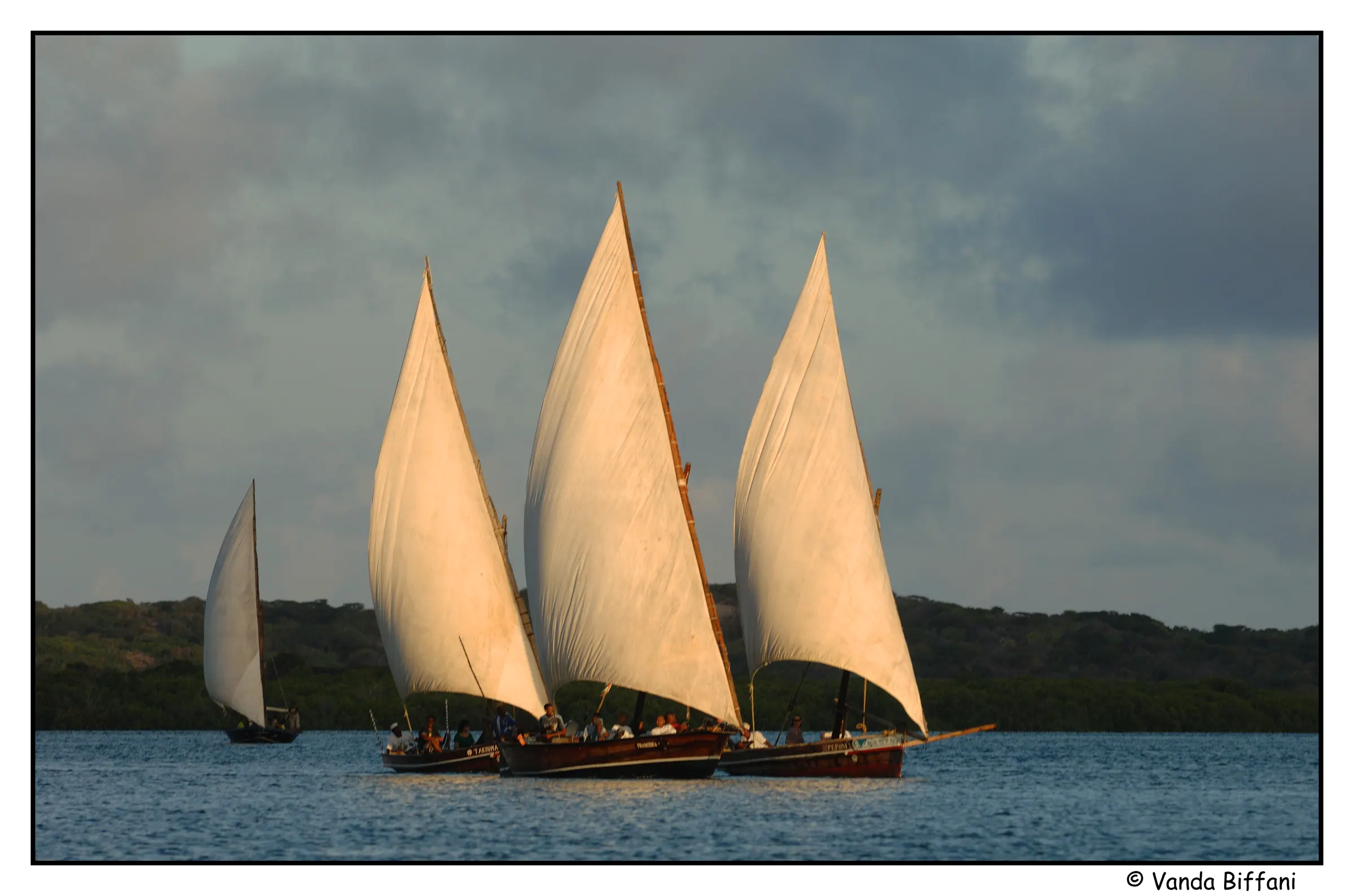
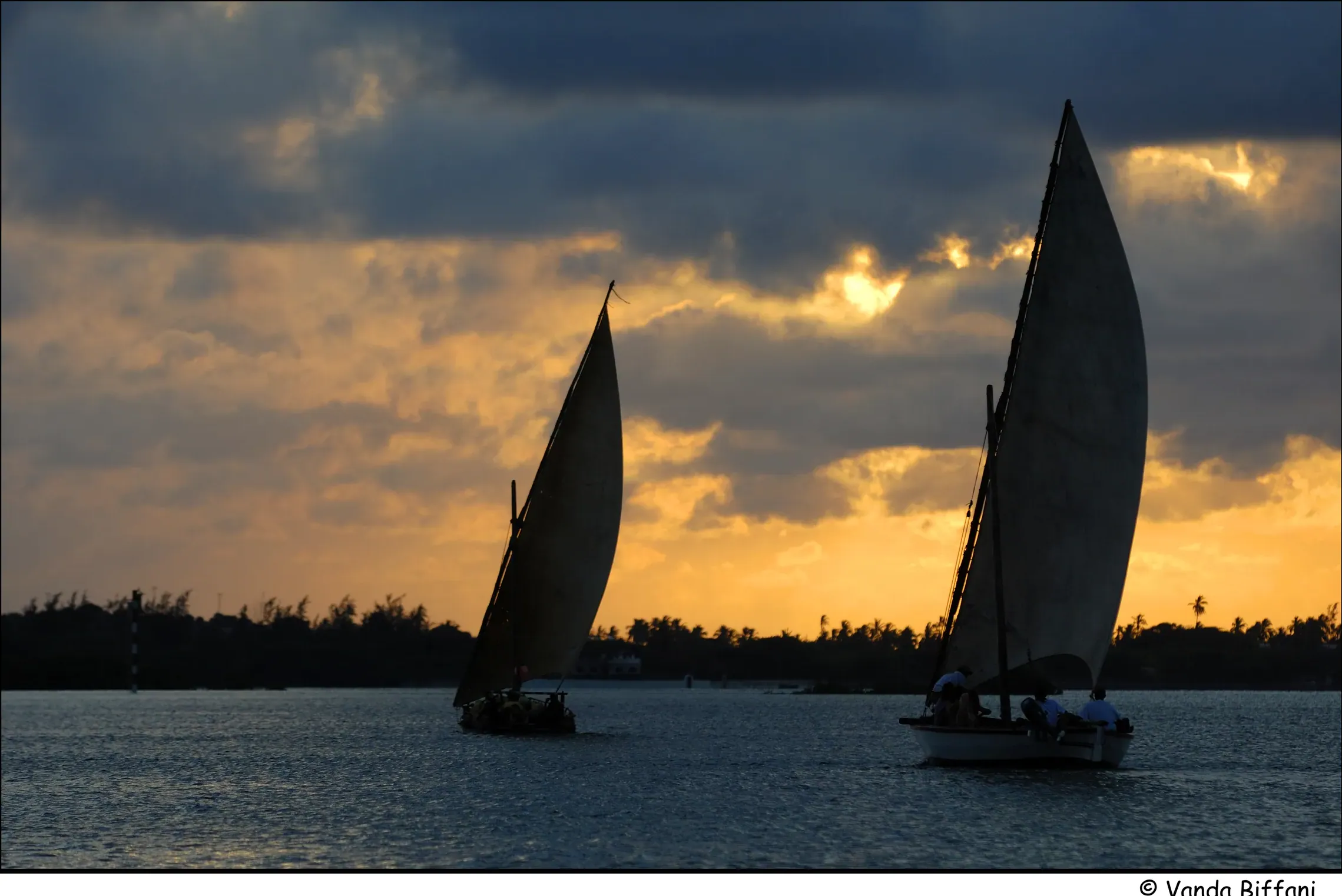
Five species of sea turtle are recorded in Kenyan waters, and green and hawksbill turtles are the ones snorkelers meet most; our sea turtles page covers nesting at Watamu and the community programs that protect them. Indo-Pacific bottlenose and humpback dolphins are often seen on dhow trips to Kisite-Mpunguti, and our dolphins and whales page explains how to watch them responsibly. Whale sharks pass along the south coast roughly from November to March, and humpback whales migrate past Watamu and Diani from about July to October; our whale page has the months and the operators' rules.
Coral bleaching, honestly
Kenya's reefs have been hit hard by warming seas. During the 1998 El Niño, water temperatures stayed high for weeks, and a large share of the coral in Kenya's marine parks bleached and died. Later heat waves, including 2016, bleached the reefs again. Coral recovers slowly and the recovery has been patchy: some reefs inside the protected parks have come back well, while others have shifted toward algae and rubble. You will still see healthy coral gardens, especially at Kisite-Mpunguti and in the Watamu and Malindi parks, but you may also see white or broken coral, and it is worth knowing why. Researchers such as CORDIO East Africa in Mombasa monitor the reefs, and community-run areas called tengefu, where fishers agree to close part of the reef, are helping fish recover.
When to go
| Months | Sea conditions | Good for |
|---|---|---|
| October to March | Usually calmer and warmer, with the clearest water; the northeast monsoon, kaskazi, blows in the second half | Snorkeling and diving; whale sharks from about November |
| April to May | The long rains: wet and changeable; some hotels close for maintenance in May | Quiet beaches and lower prices |
| June to September | The southeast monsoon, kusi: windier, rougher, cloudier water on exposed reefs | Humpback whales and kitesurfing; snorkel inside the reef |
Three things most people do not know
First, a good part of the white sand on Kenya's beaches has passed through a parrotfish. Second, seagrass beds look dull from a boat, but they store large amounts of carbon, shelter young reef fish and are the dugong's only food. Third, at Gazi Bay south of Mombasa, a community mangrove project has sold carbon credits from its forest to pay for replanting and village projects, one of the first of its kind in the world.
Seeing the reef well
- Snorkel in the marine parks with a licensed boat; KWS marine park fees apply and change, so check the current rate.
- Time it with the tide: at Diani and Watamu, low tide opens the reef flat for walks, and high tide is best for snorkeling over it.
- Never stand on or touch coral, and do not feed the fish; bread clouds the water and changes their behavior.
- Wear reef shoes in tide pools, and watch for sea urchins and stonefish.
- Use reef-safe sunscreen, or better, a rash vest.
- Do not buy shells, coral or turtle products; taking them out of Kenya is illegal, and the trade strips the reef.
- Learn to dive with a PADI-certified school; our diving page has the sites and seasons.
Trips where you will see the reef
Four nights or more at Diani or Watamu give you a marine park day, a reef walk and plenty of beach time, and a coast week can include both. Ask us to time your trip for whale sharks or humpbacks, or to add diving.