Comparisons. Updated November 2026. 5 min read.
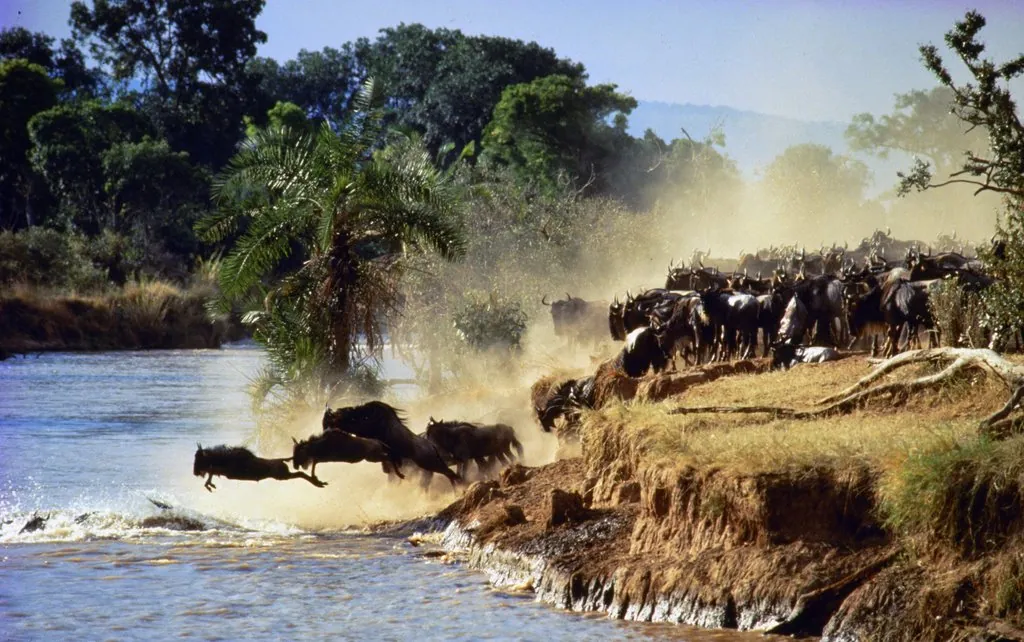
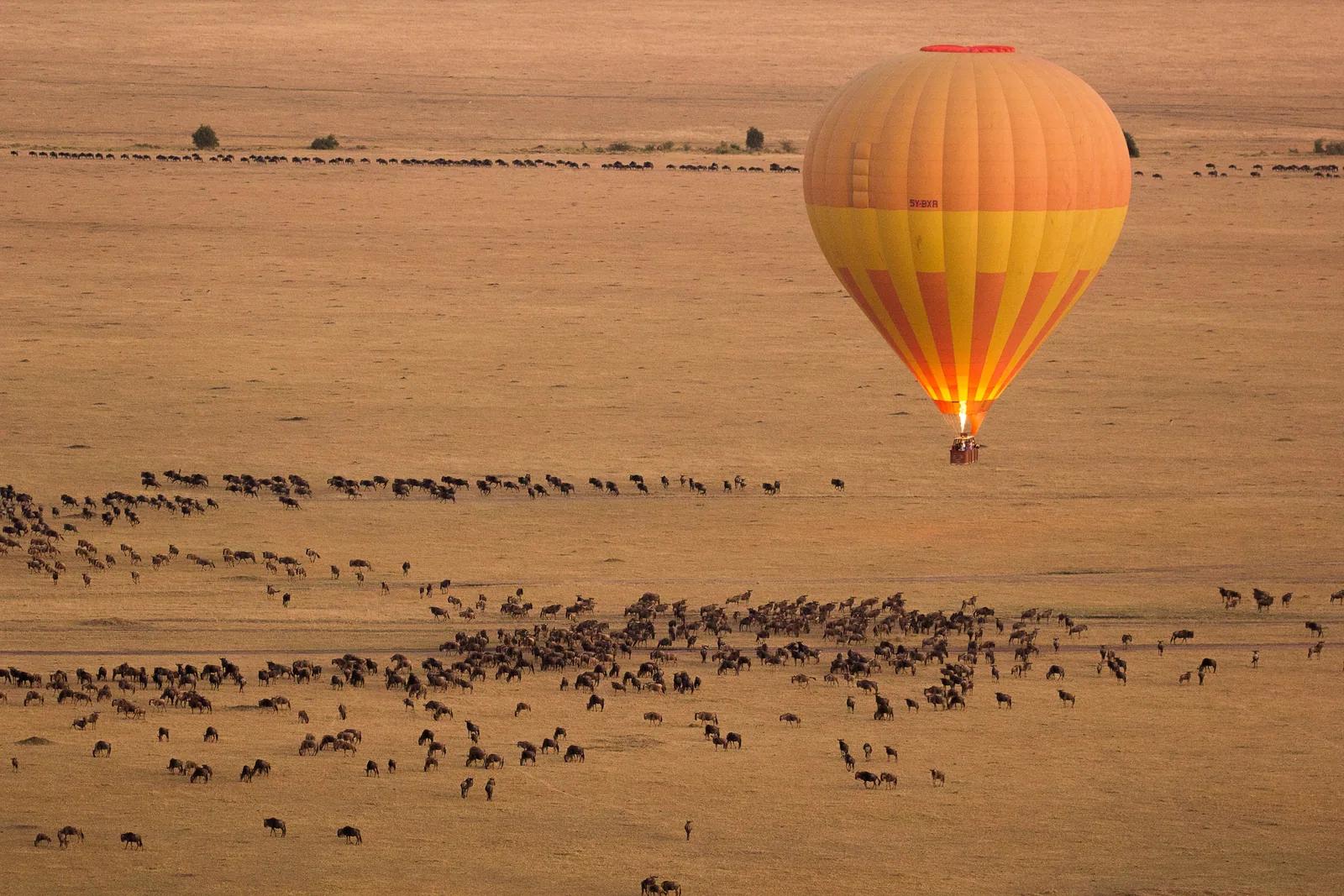
July is the arrival: long columns of wildebeest and zebra walking in from the Serengeti, the first herds massing on the banks of the Mara River, and camps filling up. October is the departure: the herds draining south, a last chance at crossings in the first half of the month, storm clouds over gold grass and the vehicles thinning out every week. The reserve fee is the same $200 per adult per day in both. Our verdict: July for families tied to the U.S. summer break, ideally the second half of the month; October for space, light and value, with early October if you still want a crossing.
Each month has its own page in depth, our Mara in July and Mara in October guides. This page puts them head to head for travelers who can choose either, and links both.
July and October head to head
| Factor | July | October |
|---|---|---|
| Herds | Arriving from the Serengeti, the south of the reserve first | Leaving for the Serengeti; most gone by late October |
| River crossings | Often from the last ten days of the month; not every year | Possible in the first half as herds recross; rare after mid-month |
| Weather | Coolest month: about 75°F days, 54°F dawns, about an inch of rain | Warmest of the migration months: 79 to 82°F days, 57°F dawns; short rains may start late |
| Grass | Long early in the month, grazed down by the end | Short and dry, then greening after the first storms |
| Crowds | Busy, building toward August | Moderate early, quiet later |
| Reserve fee | $200 per adult per day from July 1 | $200 per adult per day, until the end of December |
| Camp rates | Peak | Peak early in the month at many camps; often easing from mid to late October |
| Book ahead | 9 to 12 months for the best camps in late July | A few months is often enough for late October |
| School calendar | Inside the U.S. summer vacation | Term time, apart from fall breaks |
| Pairs with | A cool, breezy coast and Laikipia at its best | A warm, mostly dry coast before the November rains |
The herds and the crossings
In July you see the migration begin. The first columns enter the south of the reserve around the Sand River and Keekorok, then push north toward the Talek and the Mara River, and in many years the first true Mara River crossings come in the last ten days of the month. In a year when the Serengeti's rains end early, crossings start by mid-July; in a late year there may be little on the river until August. July is the month of greatest uncertainty, and also the month of the arrival itself, with fresh herds streaming across open plains.
In October you see it end. Herds that spent August and September in the Triangle and the central reserve move back toward Tanzania, and some must recross the Mara River to do it, which gives early October a real, if smaller, chance of crossings, often with few vehicles at the bank. By late October most of the Serengeti herds have gone, though in some years groups linger into November. The Mara's own Loita wildebeest, which live in the conservancies north and east of the reserve, stay behind.
Weather and light
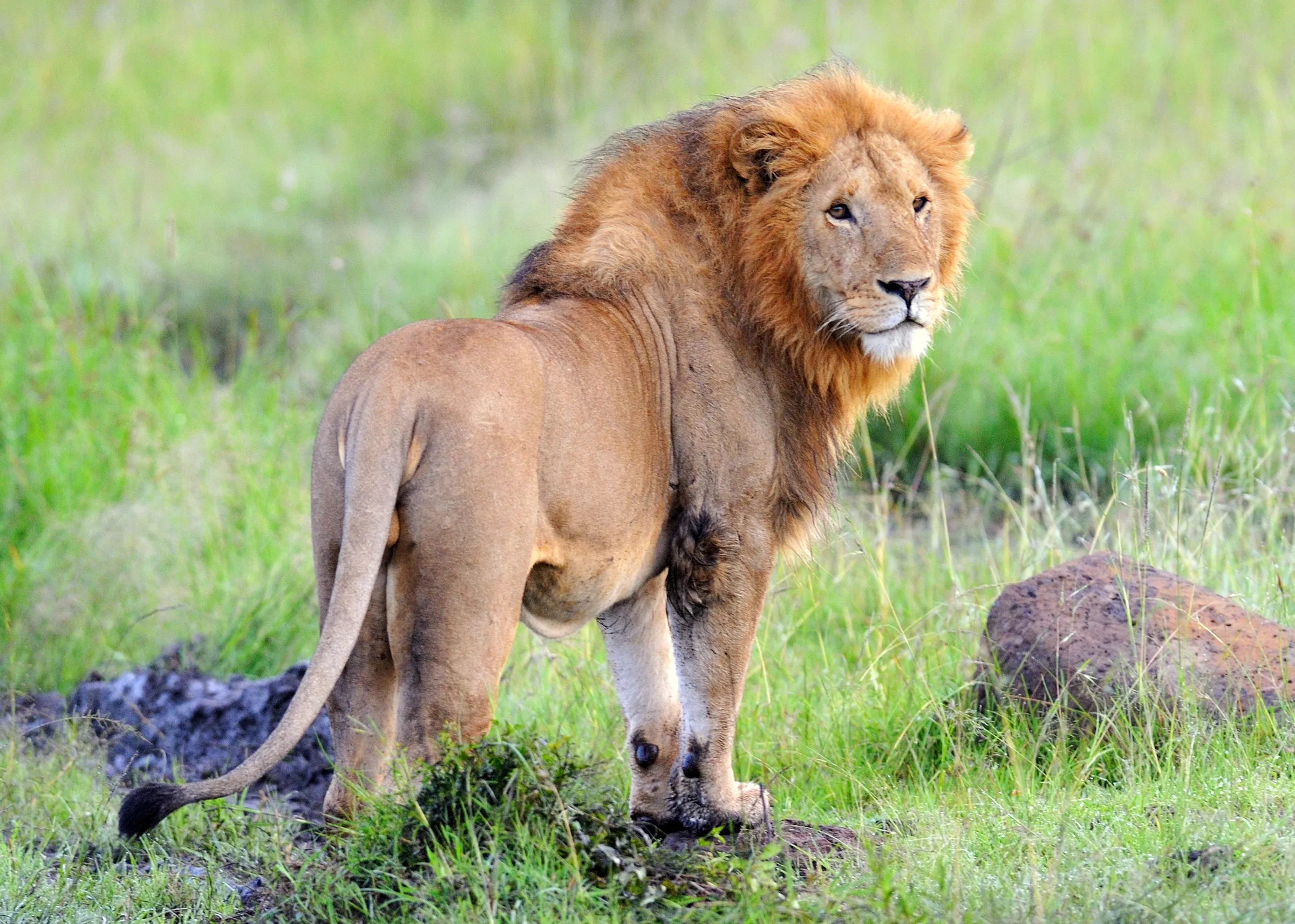
July is cold at dawn in an open vehicle, so bring a fleece and a warm hat, and the light is clear and clean. October is warmer and dustier in its first half, and from late in the month the short rains can bring towering afternoon clouds, short heavy showers and the most dramatic skies of the year. Photographers who want storm light and empty foregrounds tend to prefer October; those who want herds pouring across open plains in crisp light tend to prefer late July.
Crowds, prices and booking
Neither month saves you money on fees: the reserve charges $200 per adult per day from July 1 to December 31, so three days for a couple cost $1,200 in fees in either month, against $600 in June. Camp rates are where they differ. July is peak from the first day, and the small camps in the Triangle and the conservancies often sell out 9 to 12 months ahead for the second half of the month. October is still priced as peak at many camps early in the month, but from mid to late October rates often ease and availability opens up. On crowds, July is busy around Talek and Musiara and building toward August; October gets quieter every week, and by late in the month sightings with two or three vehicles are normal.
Families and the school calendar
July is the one migration month that sits wholly inside the American school vacation, which settles the question for many families. If your children can travel only in the summer, book late July in a conservancy with a family vehicle and a pool for the midday rest. October suits couples, retirees, photographers and families who can take children out of school for a week or use a fall break.
Choose July if
- You are traveling with school-age children in the U.S. summer break
- You want to see the herds arrive, and can be in the Mara from about July 18 onward for crossings
- You like cool, clear days and do not mind booking a year ahead
- You want to pair the Mara with Laikipia or Samburu at their driest
Choose October if
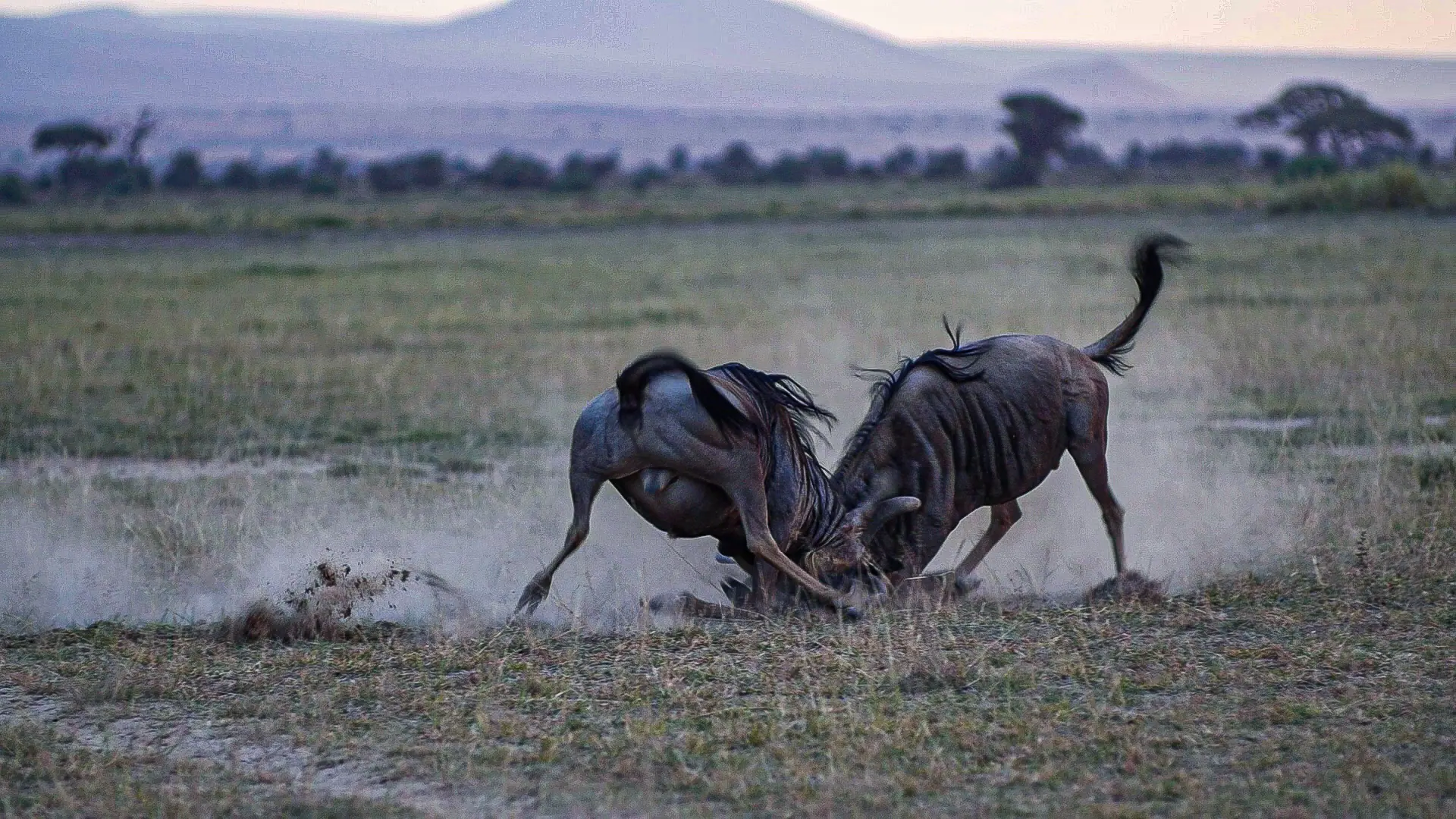
- You want space, fewer vehicles and the Mara's resident predators at the center of the show
- Storm light and green plains matter more to you than the densest herds
- You want better availability and, late in the month, easier camp rates
- You want a warm beach week afterward before the November rains reach the coast
How we would plan each
- Late July: arrive on or after about July 18, base in the Mara Triangle or a conservancy close to the river, and stay three or four nights
- Early October: the first ten days for a last chance at crossings, based near the river, with four nights to give the herds time
- Late October: a conservancy with walks and night drives, one day in the reserve, and three or four nights on the coast
- Either month: fly from Wilson Airport in about an hour, or drive in around six hours with a stop in Narok
If neither month fits, August is the peak for crossings and crowds, and September, the guides' favorite, keeps the crossings with fewer vehicles. Our August and September pages cover them, and our Great Migration guide follows the herds through the whole year.
Why plan with us: Kenya Experience is Kenyan-led, with two U.S. companies behind it, GCK Travel and Roundtrip Safaris, and Kenyan guides on the ground. You can pay in full or monthly with no deposit, and a specialist replies within two business days.