Comparisons. Updated November 2026. 5 min read.
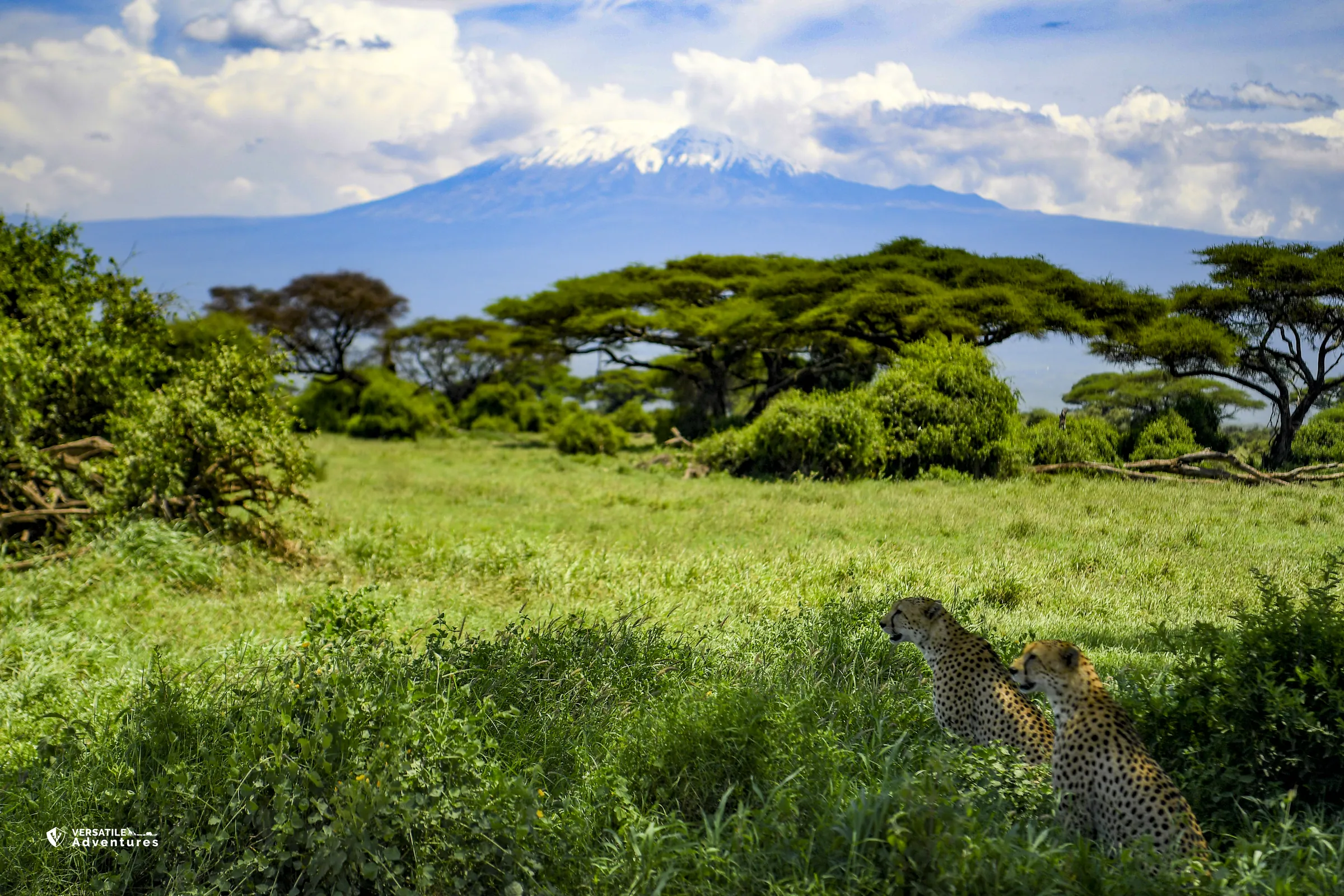
People search for Amboseli against the Serengeti as if they were rivals, but they do different jobs. Amboseli is a two-night stop in southern Kenya for elephants under Kilimanjaro. The Serengeti is a destination in its own right, the Tanzanian half of the Mara's ecosystem, and going there means a second country, a visa and higher park fees. So the real question is whether your trip is long enough to cross the border. Our verdict by trip length: under 10 days, stay in Kenya; at 12 days or more, crossing starts to pay.
If you are actually choosing between the Serengeti and its Kenyan twin, read our Maasai Mara vs Serengeti guide, which compares the two halves of the ecosystem month by month. This page is about the shape of your trip.
Amboseli and the Serengeti side by side
| Factor | Amboseli, Kenya | Serengeti, Tanzania |
|---|---|---|
| What it is | A compact park for elephants and Kilimanjaro views | A vast park and the heart of the migration for most of the year |
| Size | About 150 sq mi | About 5,700 sq mi |
| Signature sight | Elephant families on open plains with the mountain behind | The herds, the calving in the south, big prides of lions on the plains |
| Nights to give it | Two | Three or more, often split between two areas |
| Getting there | About 4 to 5 hours by road from Nairobi, or a short flight | A flight from Arusha, or a long drive past Ngorongoro |
| Park fee | $90 a day | About $70 to $80 a day plus 18 percent VAT, and camp concession fees on top |
| Entry for Americans | Kenya eTA and inbound health insurance | Add a $100 Tanzania visa and a yellow fever certificate from Kenya |
| Best months | June to October and January to February | Varies by area: calving January to March in the south, the north from about July to October |
| Pairs with | The Mara, Tsavo, the Kenyan coast | Ngorongoro Crater, Tarangire, Zanzibar |
Why this is a trip-length question
Adding Amboseli to a Kenya trip costs two nights and a drive. Adding the Serengeti costs a border: a Tanzania visa, a yellow fever certificate, usually a second vehicle and guide on the Tanzanian side, and either a flight via Kilimanjaro or Arusha or a long road day. Because the Serengeti is huge, it also needs more nights than Amboseli to do well. In a week, that eats the trip. In two weeks, it is a fine use of the time.
| Your trip | What we suggest | Why |
|---|---|---|
| 5 to 7 days | Kenya only: Amboseli and the Mara, or the Mara and Lake Naivasha | Two parks done well beats three done in a rush |
| 8 to 10 days | Kenya only, with the coast or Laikipia | The border day and the visa cost more than they add |
| 12 to 14 days | Kenya and northern Tanzania: the Mara, the Serengeti and Ngorongoro | Enough time for both halves of the ecosystem |
| Any length, January to March | Consider the southern Serengeti for the calving | The herds are in Tanzania then, not Kenya |
Wildlife and what each does best
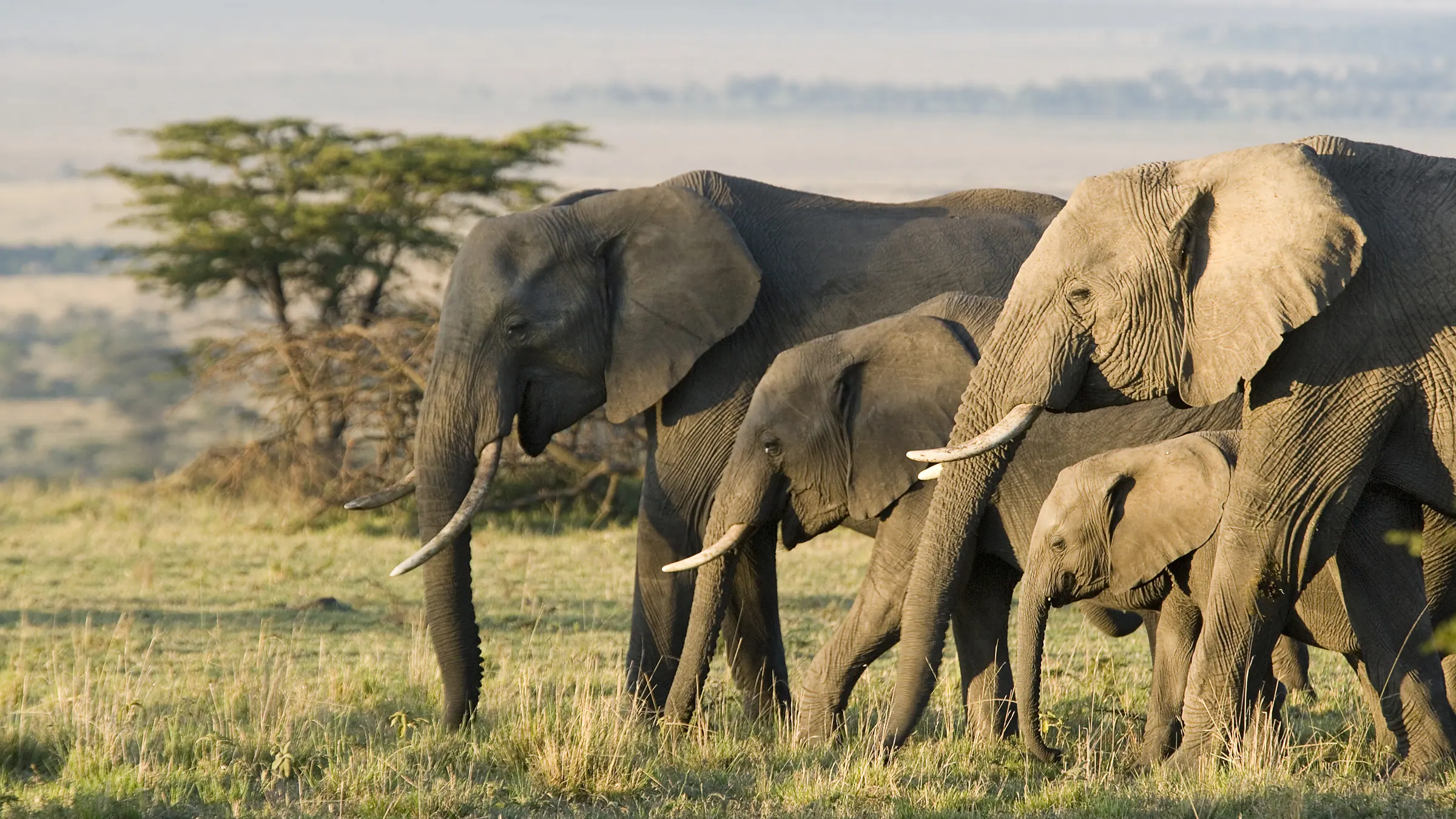
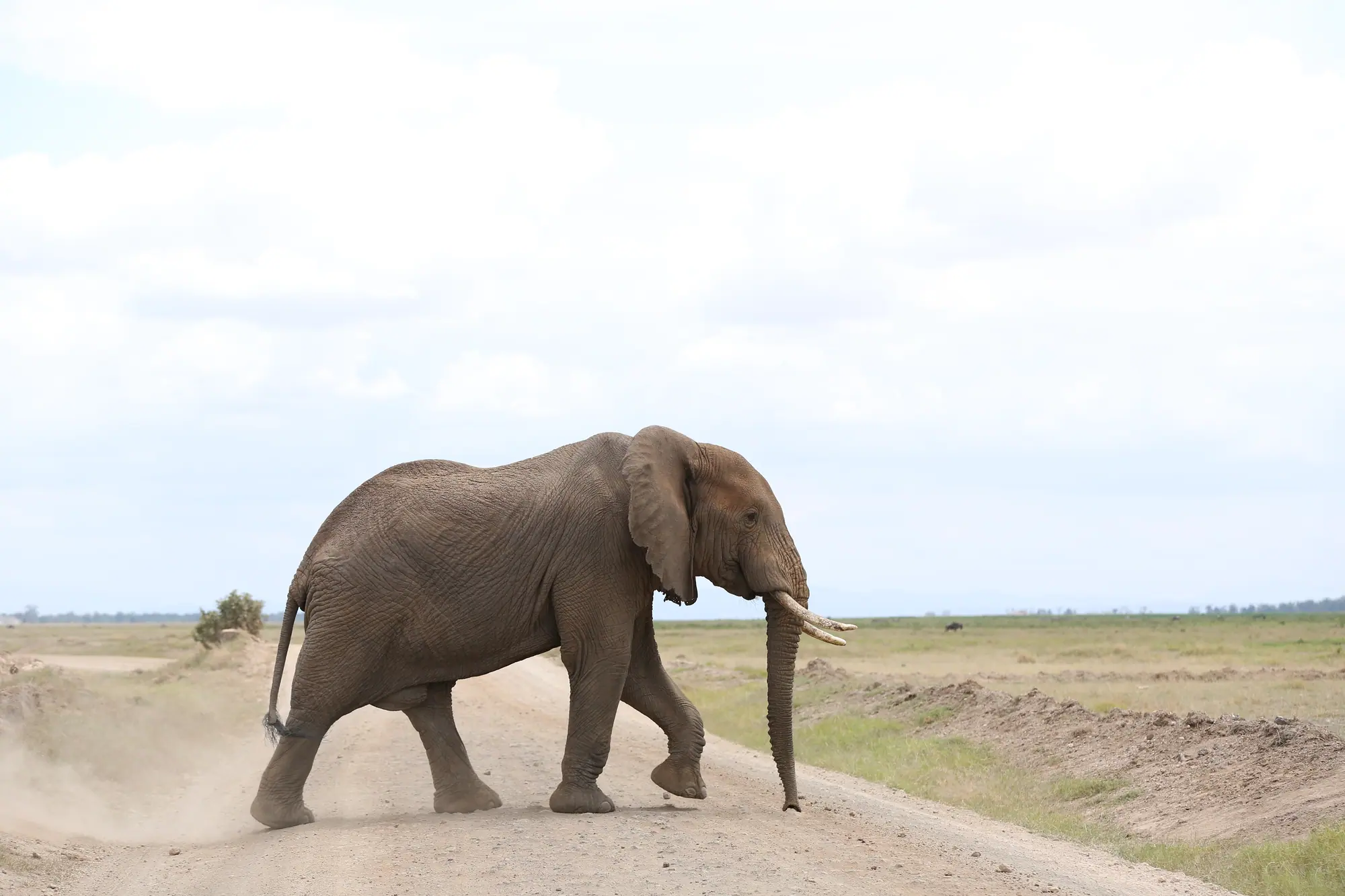
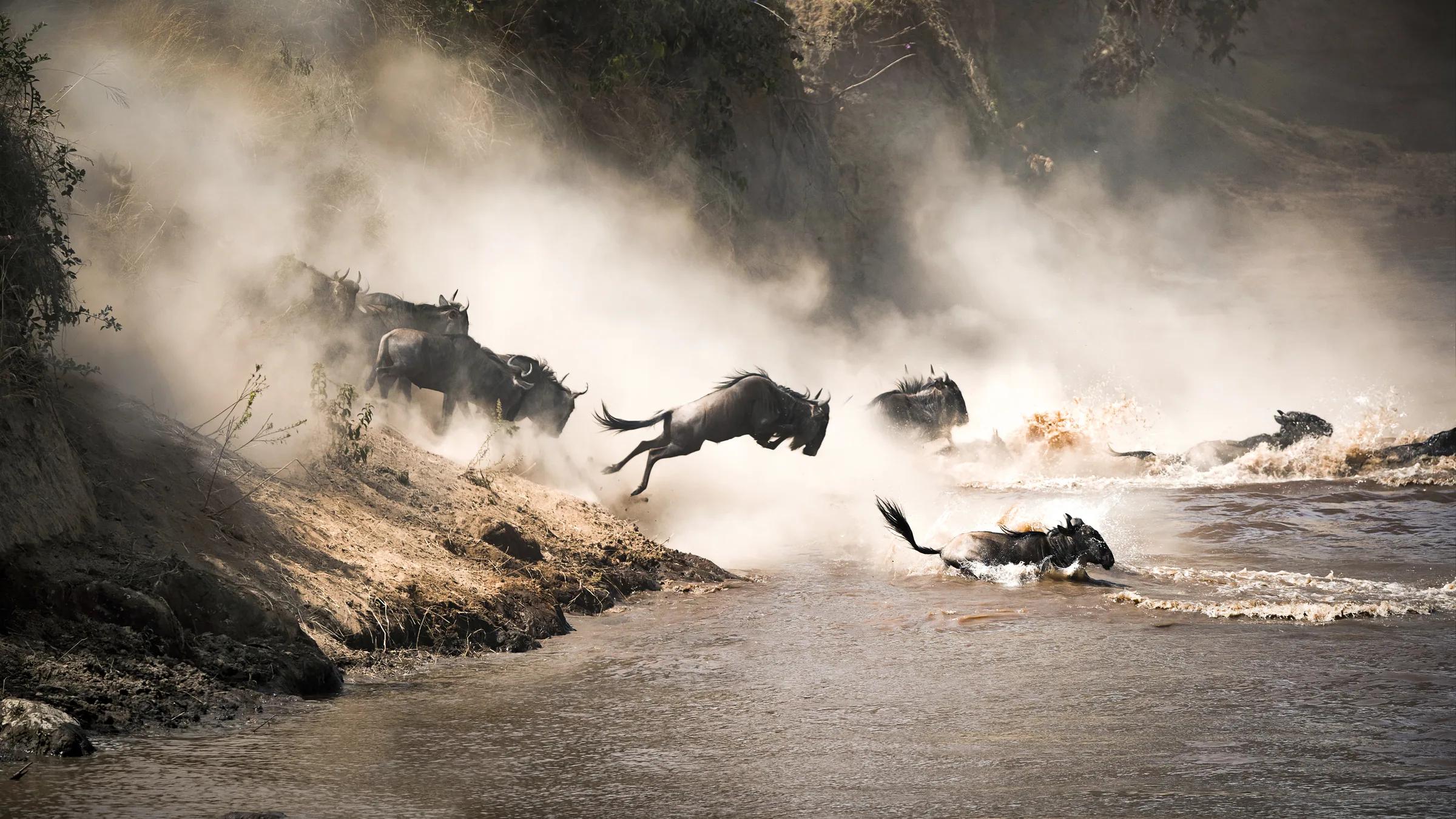
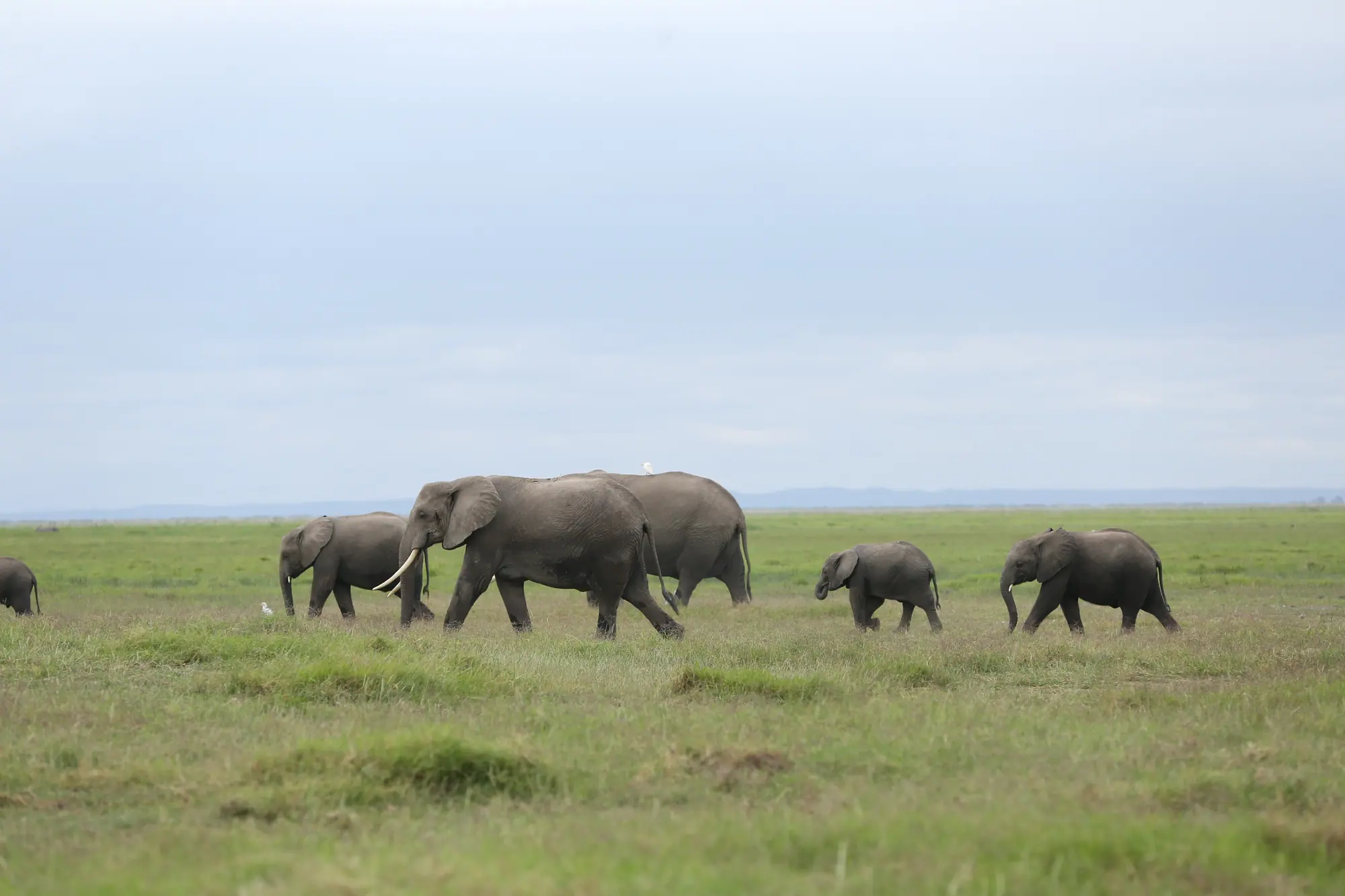
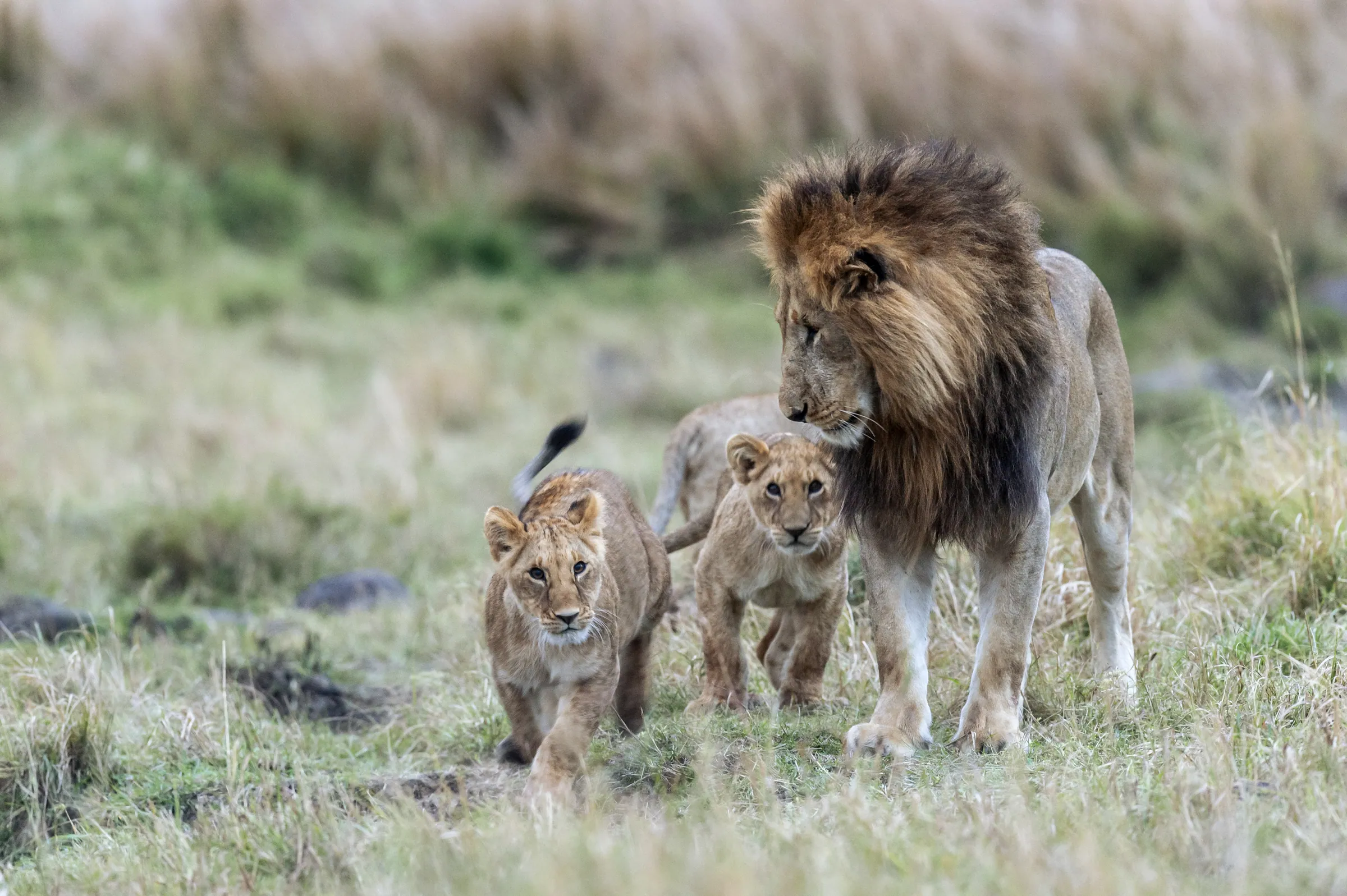
Amboseli is Kenya's best elephant park: its families are among the most studied in Africa and walk close to vehicles, and the swamps keep buffalo, hippos and waterbirds around all year. It is weaker for big cats than the Mara or the Serengeti. The Serengeti is a predator and migration park on a vast scale: the herds spend most of the year there, calving on the southern plains around January to March, and its lions are among the most studied anywhere. There is no Kilimanjaro backdrop in the Serengeti, and there is no migration in Amboseli.
Costs
Tanzania's fees are higher. The Serengeti's daily park fee is about $70 to $80 plus 18 percent VAT at the time of writing, and camps inside the park add a concession fee per night; Ngorongoro Crater adds a service fee of about $295 per vehicle per descent. Amboseli is $90 a day, with no concession fee on top. Add the $100 Tanzania visa per American adult and the usual second vehicle and guide, and a night in the Serengeti costs more than a similar night in Amboseli or the Mara even when the camps are alike. Our Kenya and Tanzania itinerary prices the combination in full.
The border, and Amboseli's place on it
Here is the useful geography. Amboseli lies close to the Namanga border post, the usual road crossing between Nairobi and Arusha, so on a two-country trip it fits naturally as the last stop in Kenya before you cross into northern Tanzania. Nairobi to Arusha is about five to six hours by road through Namanga, or a short flight. Between the Mara and the Serengeti there is no open tourist crossing inside the parks, so that link means the Isebania border by road or a flight.
Choose Amboseli, and stay in Kenya, if
- You have 10 days or fewer
- Elephants and Kilimanjaro views are high on your list
- You want to keep paperwork to one country
- You are traveling between late July and October, when the Mara has the herds
Choose the Serengeti, and cross, if
- You have 12 days or more
- You travel between December and June, when the herds are in Tanzania
- You want Ngorongoro Crater on the same trip
- You plan to finish on Zanzibar
Our advice
For most first safaris of a week or ten days, keep it in Kenya: Amboseli for two nights, the Mara for three, and the coast if you have time. Our 7-day route does the parks; our 10-day route adds Diani. With two weeks, cross: the Mara and the Serengeti together show both halves of the ecosystem, with Amboseli or Ngorongoro as the scenic extra. If you are choosing between Amboseli and Tsavo for southern Kenya instead, our Amboseli vs Tsavo guide covers it, and our Kenya vs Tanzania guide compares the two countries as a whole.
Why plan with us: Kenya Experience is Kenyan-led, with two U.S. companies behind it, GCK Travel and Roundtrip Safaris, and Kenyan guides on the ground. You can pay in full or monthly with no deposit, and a specialist replies within two business days.